Charli XCX’s Brat was the definition of a cultural phenomenon. With an inspired moment of reinvention, the British artist captured the voice of Gen Z with her electropop opus in the summer of 2024. It was an inescapable cultural moment complete with huge Brat-green billboards, Coachella performances, and political endorsements. Following the success of the album, and with her debut arena tour on the horizon, Charli’s label wanted to capitalize on her success and proposed a concert film. Playing with this idea, the artist suggested a mockumentary which blurred the lines between fact and fiction while also delving into the real complexities of fame and industry pressures she faced following her global success.
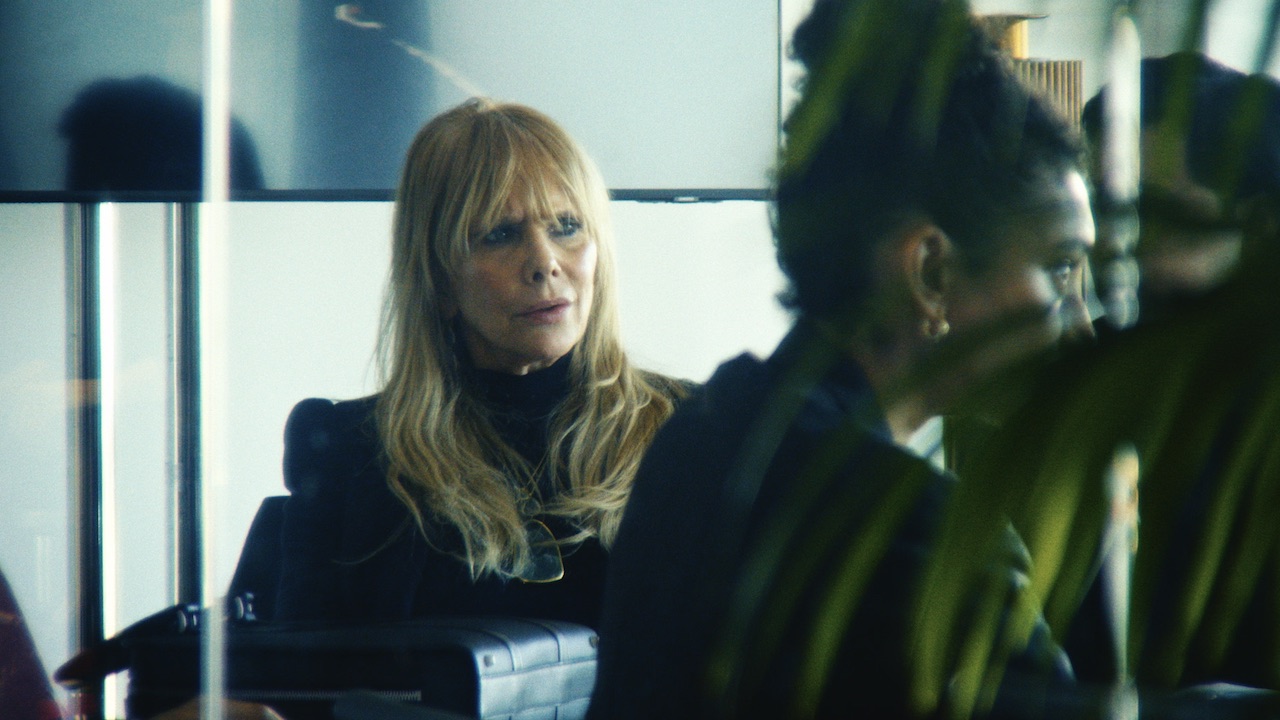
Starring alongside Charli XCX, Alexander Skarsgård, and Hailey Gates in the resulting The Moment is Rosanna Arquette, who plays Atlantic Records label exec Tammy Pitman. Having worked in the movie industry since the late-’70s, while also being surrounded by friends in the music business (her breakout role saw her costarring with Madonna in 1985’s Desperately Seeking Susan), Arquette knows too well the type of characters that are represented in this movie, which helped inform her performance.
The actress sat down with us to discuss the new film, the “cutthroat” nature of the film industry, working with Martin Scorsese, and more.
Did you have any conversations with Charli before shooting to discuss what she wanted your character to be like?
I never had any conversations. I got this lovely letter from her that asked me to be in this movie and that she was a fan of a lot of things I’d done in the past, and if I would come and play Tammy. I love London; all of my best friends live there. It was fun to go and play [a role] in a business I love so much. I’ve known so many people in the music business—huge rockstars—through the years. So I do know it, and I think Aidan Zamiri, the director, and [co-writer] Bertie Brandes really captured what it is to be on the road and try to stay relevant. There’s a real stress and pressure to it, you know?
Why do you think mockumentary was the ideal genre for this story to be told?
The label wanted her to do a behind-the-scenes tour documentary. She’s an artist who’s interested in other things. She was like, “Let’s show it in a way that takes the piss out of it.” She doesn’t take herself seriously, but she’s also really vulnerable and shows the sides of her that are struggling with this and how stressful it all is. She runs into Kylie [Jenner], and Kylie says something and literally, in a moment, she’s willing to throw her best friend who she’s worked with for years under the bus because of something that her soul didn’t want. She got that at the end, which I really loved.
“People are always going to make art. They’re always going to make their music and always going to tell stories. Maybe we don’t have to rely on [the studio system].”
How similar are the music industry and the film industry with the types of characters that we see in this movie?
Well, the corporate people—the bean counters—can just annihilate people’s work that they’ve been working on for 10 years to get something finally made. It's really cutthroat. A lot of the corporate people don’t really give a shit about the artists; they’re few and far between. I’m fortunate enough to know a lot of people in the music business who ran things: Mo Ostin was a great friend of mine, I know Lucian Grainge and Amanda Ghost, who works a lot with Warner Records. There are so many people I’ve known over the years who love the artists. It’s changed hands a lot, where [labels] don’t really care about the artist. They care about how much money they’re going to make. That’s the tragedy with what’s happening in the music business and the movie business.
You’ve worked with so many legendary directors over the years. How did people like that deal with input from corporate?
There’s a documentary that Rebecca Miller just directed about Martin Scorsese and it’s worth seeing. He was a real artist to the core, always, and still he had to deal [with corporate], even though he’s Martin Scorsese—he made Raging Bull and some of the greatest movies ever made. I mean, [even] Coppola had to deal with the studio heads. It’s a wakeup call.
The bottom line is that if someone is putting their money into something, then they want to get it back, so you can’t blame them for that. But I love the fact that all these young people are picking up a camera or recording their own music and are putting it out there in the way that they want. They can go out there with their own power. It’s pretty spectacular. Who knows, maybe the studio system will end up being obsolete. People are always going to make art. They’re always going to make their music and always going to tell stories. Maybe we don’t have to rely on them. It’s a living, of course. I work for studios and I’m grateful when I do. But also I love and honor the fact that people are doing it in a different way.
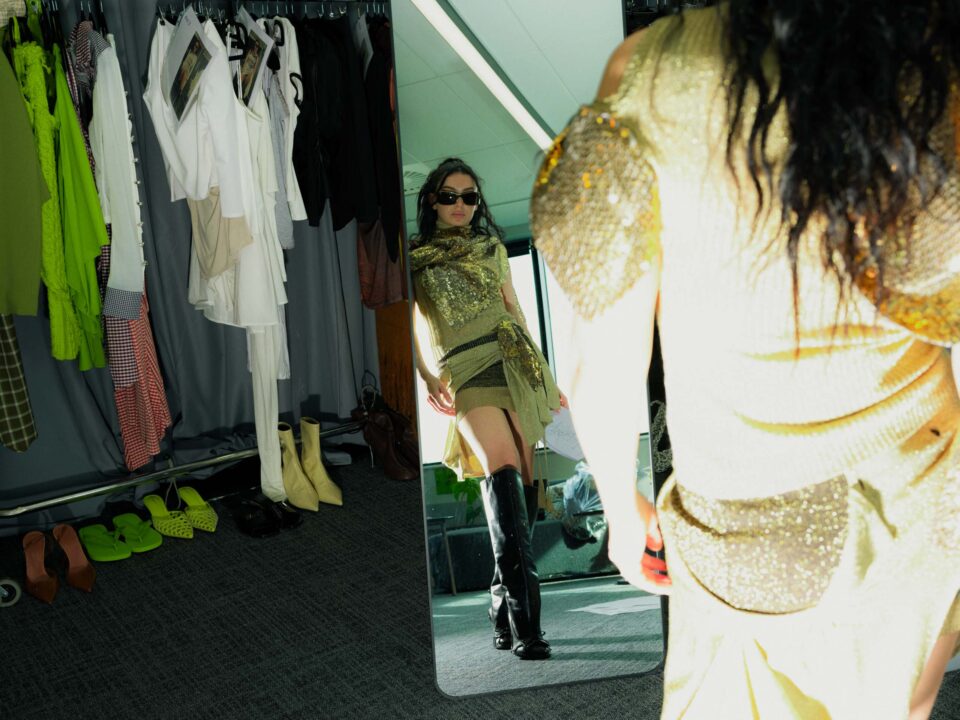
“What’s cool about [Charli] is that she really is an artist. She reads, she knows film, she loves and respects true, cool artists.”
How has social media changed the pressure of being an artist?
Well, [streaming services], where people aren’t getting paid for their things, is very dangerous and horrible—this is their work and their livelihood. AI can come and replicate your voice so they don’t have to pay you; they’re trying to cut corners in a way that’s going to be very destructive for artists. There’s a revolution in that, too. No matter what, AI is never going to have a soul. Some of the human errors in art are what make it so incredible. Also, there’s a lot of AI error with things that aren’t true, so it’s a danger zone. For medicine, there’s been lots of incredible breakthroughs with that, but with art, fuck AI.
As you’ve lived through different eras of music, how does the Brat phenomenon compare to what you’ve seen before?
I’m so old-fashioned that I didn’t even know who she was. I told my daughter and she was like, “She’s huge, she’s amazing, oh my God!” I got points from my daughter. Then, you’re with [Charli] and it’s like a Madonna phenomenon, because I was around that at the time. It’s a lot. What’s cool about her is that she really is an artist. She reads, she knows film, she loves and respects true, cool artists. She just scored Wuthering Heights and is working with some really cool directors like Gregg Araki. She’s interesting. She’s not just a popstar. FL