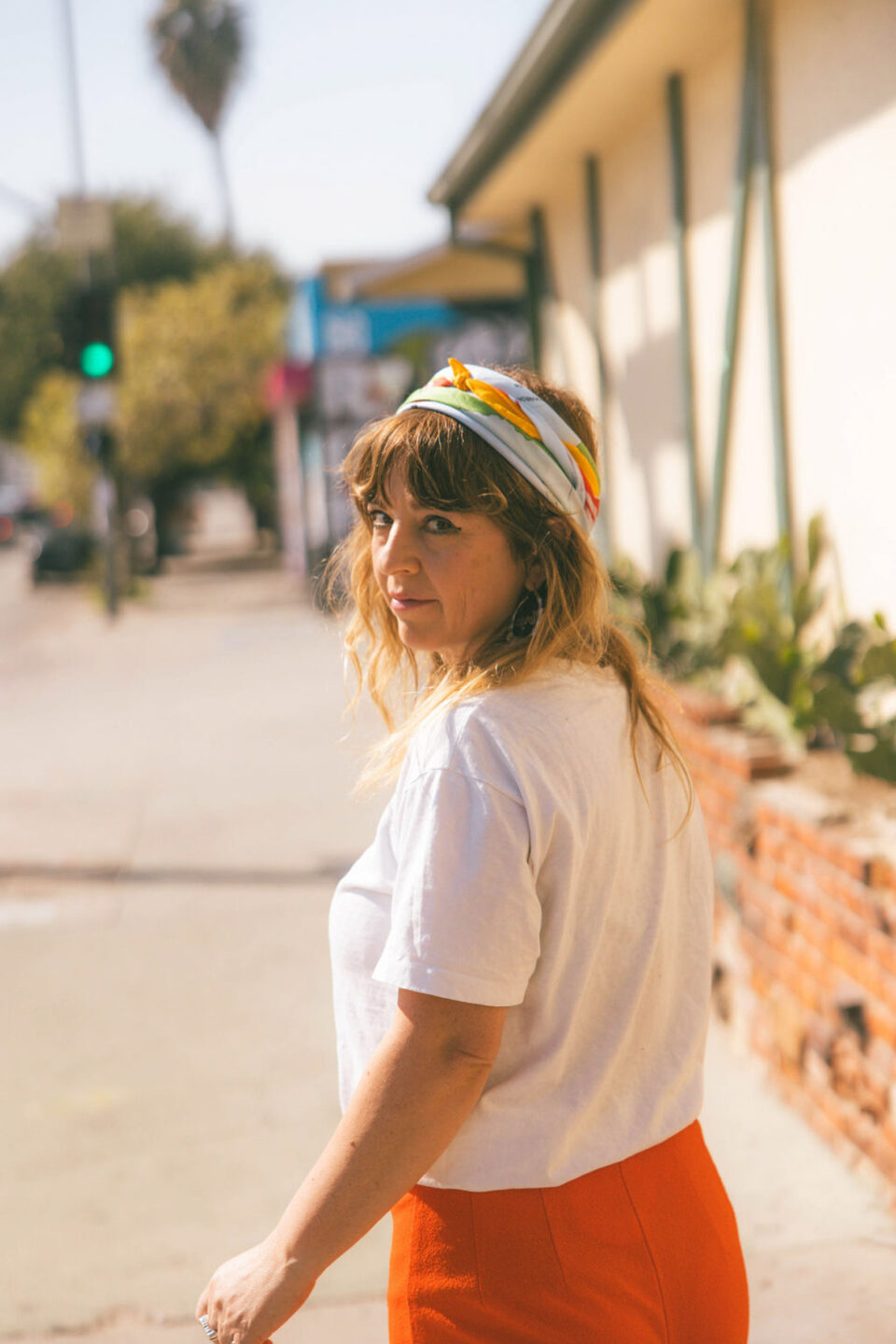

BACKSTORY: A true songwriter’s songwriter, Nagler’s long and winding career recording with Whispertown (née The Whispertown 2000) represents just the tip of her artistic iceberg
FROM: Los Angeles, California
YOU MIGHT KNOW HER FROM: Your favorite song by Phoebe Bridgers or Jenny Lewis—or maybe even a sitcom or two
NOW: Nagler is on the brink of her first ever solo record, I’ve Got Nothing to Lose, and I’m Losing It
There’s a notion that the fate of a musician is either to break out or break down—either the stars align and success comes pouring in or the dream runs its course, the audience dwindles, day jobs are secured, and anonymity remains. In all its lofty romance and tragedy, this binary ignores whole swathes of the music industry: the workaday songwriters, the talent whose names remain hidden behind the songs and out of the headlines. Musicians, for instance, like Morgan Nagler. That is, perhaps, until now.
On the morning of my interview with Nagler, she’s a little over two weeks out from the arrival of her first-ever record released under her own name, I’ve Got Nothing to Lose, and I’m Losing It. I get the sense that this moment—one that might be dramatized in a movie about her life with a swelling, sentimental score—doesn’t necessarily represent the plate-shifting transition one might expect. Yes, this is an exciting moment, and there’s obviously something to be said about the vulnerable transparency of a true solo record. But Nagler has been around too long, and lived too many lives as an artist, to give into that sort of romanticism. “I think in artistic pursuits, it’s always about the journey,” Nagler said all the way back in 2017. “Development lies in the twists and turns, but it’s important to remember there is no finish line.”
Even if there is no definitive end point, we all have to start somewhere. Like many a great musician throughout the ages, Nagler’s story begins just off the set of some long-forgotten Lifetime sitcom. She began acting as a young child, popping up in such totemic ’90s stalwarts as Fresh Prince of Bel-Air, Home Improvement, and ER. But it was one lazy afternoon killing time in between shooting, with an acoustic guitar and some cowboy chords, that opened up a path she never saw coming. “I’ll never forget the first moment,” says Nagler. “I just hadn’t felt anything like that before, where I felt I was contributing to the ether. I think I just had a strong desire to kind of be myself, because in acting you’re being other people. I’d been doing that since I was five years old, so I was just craving my own voice, I think, in a major way.”
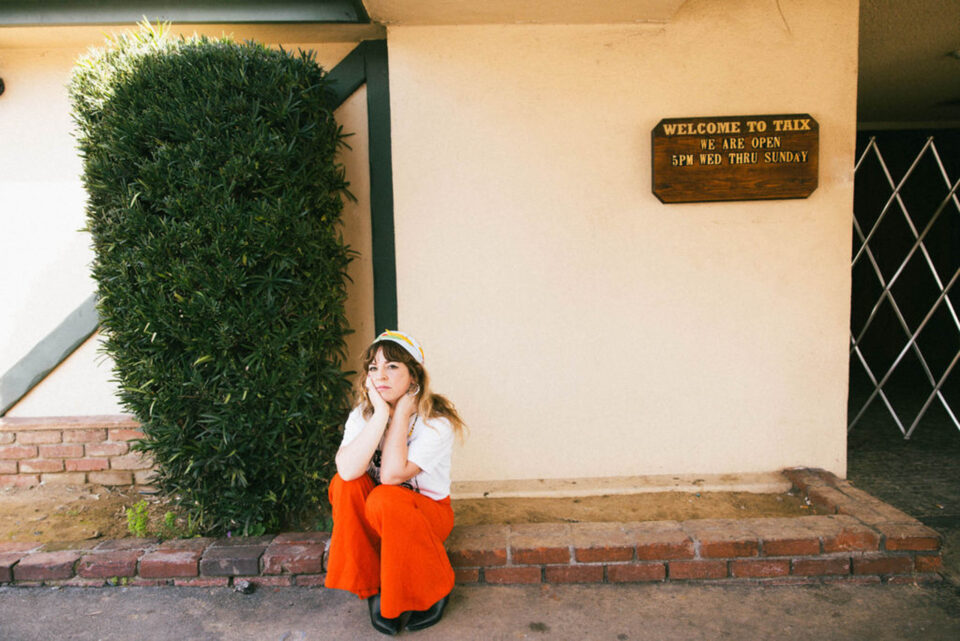
“I just had a strong desire to kind of be myself, because in acting you’re being other people. I’d been doing that since I was five years old, so I was just craving my own voice, I think, in a major way.”
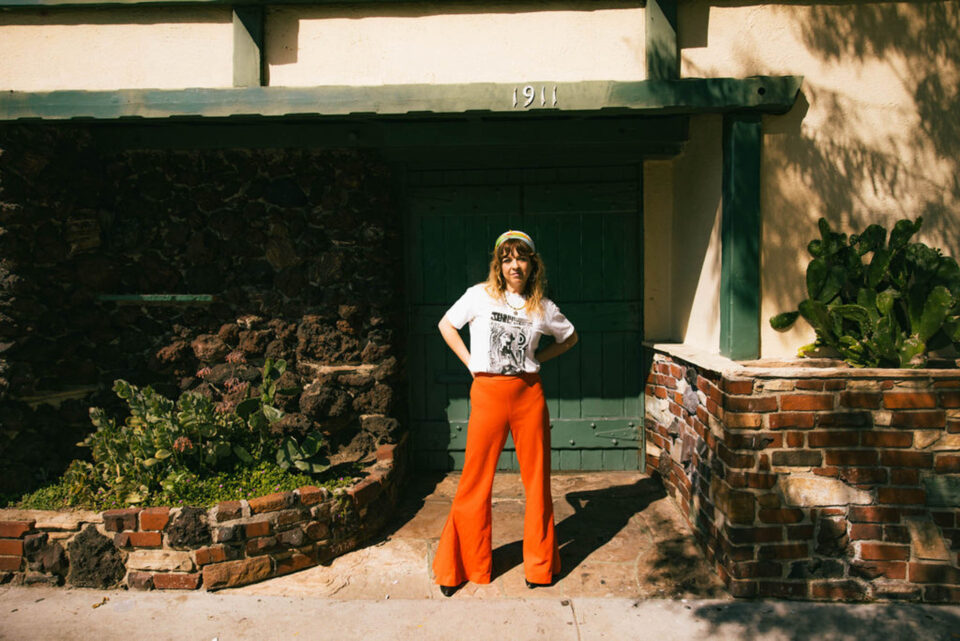
It would be a stretch to call the sitcom-actress-to-indie-rock-musician pipeline a crowded one, but there was an important example Nagler had early on in the form of her friend and eventual collaborator, Jenny Lewis. Before Rilo Kiley fame, Lewis herself bounced around the network sitcom scene. Lewis was steadfast and, as Nagler puts it, “downright forceful” in influencing her to not only embrace the creative freedom music offered, but to take it more seriously than Nagler had ever imagined.
Eventually, it was songwriting that felt like the main source of inspiration, and when time came to choose which creative outlet to pursue with full ferocity, it was music that won out. “At that point I had a 20-year career in acting and I was working and making good money and all of those things, so it felt like a clear choice of choosing my passion,” says Nagler. “It sounds funny, but at the time it did kind of feel like stability, even though I know that being an actor isn’t considered a stable career.”

That word, “career,” is especially important in understanding Nagler’s time as a musician, from those earliest moments in a trailer to now, on the brink of her first solo record. “Indie-rock career” can be a bit of an oxymoron; Nagler has released plenty of music over the last two-plus decades, alternating between fronting Whispertown and popping up on any number of records from friends and collaborators. But it wasn’t until the 2020s that she felt she’d entered the music industry in a proper sense. That shift began all the way back in 2008, when a fortuitous meeting with songwriting legends Gillian Welch and David Rawlings led her to pursue something she’d only been vaguely aware of to that point: co-writing. “The way I came up in the world of DIY indie rock, it would be just an absolute embarrassment,” says Nagler of the idea of hiring a fellow songwriter to contribute to a record.
She quickly realized the absurdity of such a notion. If Welch and Rawlings—and, later, similarly iconic artists like Kim Deal, HAIM, and Margo Price—were comfortable bringing in Nagler and other collaborators to help fine-tune their songs, any embarrassment was more ego than anything else. When I ask what stands out about those early gigs as a hired hand all these years later, she says that it was mostly about shedding the notion of songs as precious gems not to be altered. “I had kind of come from this ethos that you just let the song come out and then that’s the song. And they were like, ‘No, you should absolutely change it if you don’t like it.’”

“If it’s a good song, it probably is in a lot of people’s voices. You’re capturing a thing that everybody feels.”
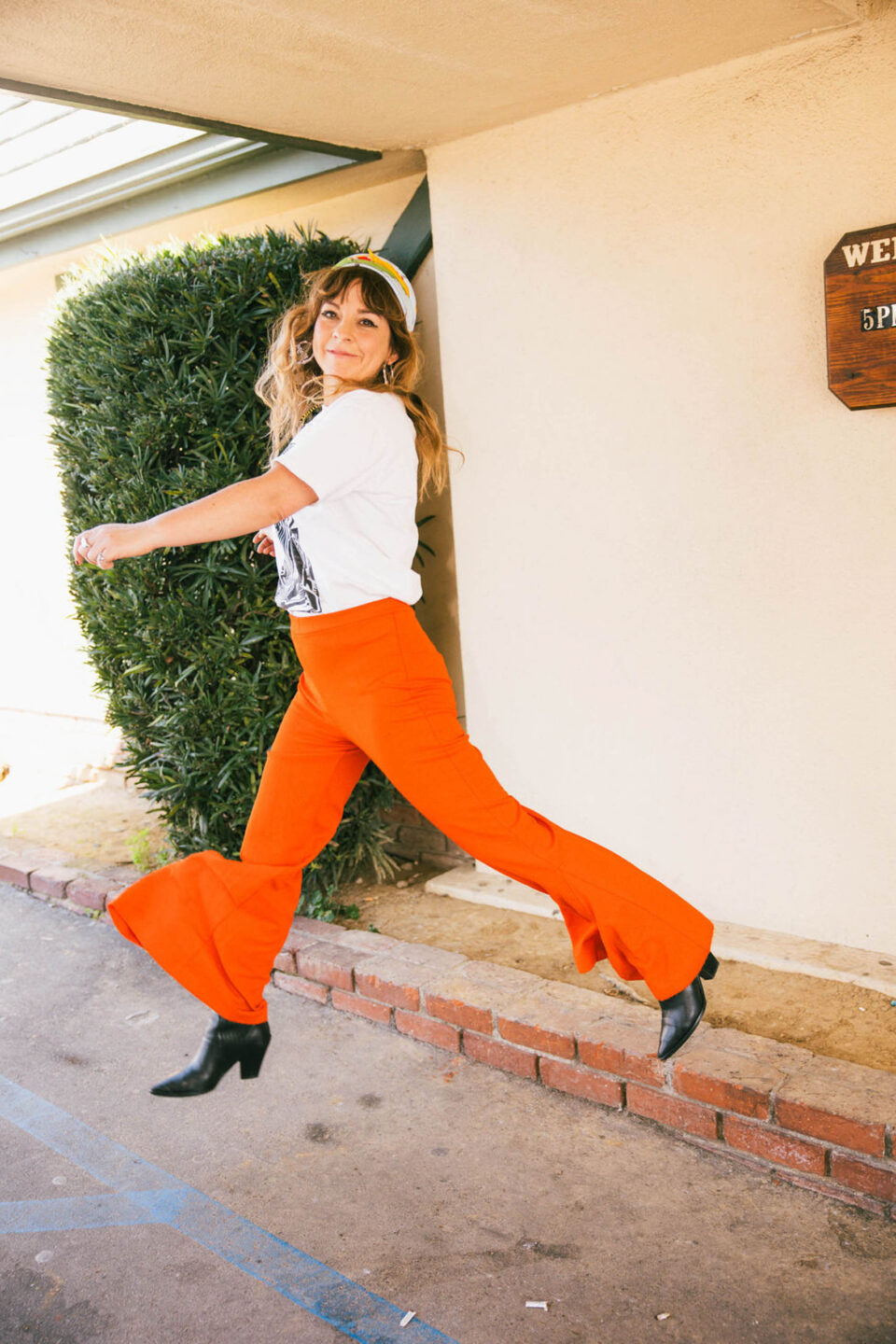
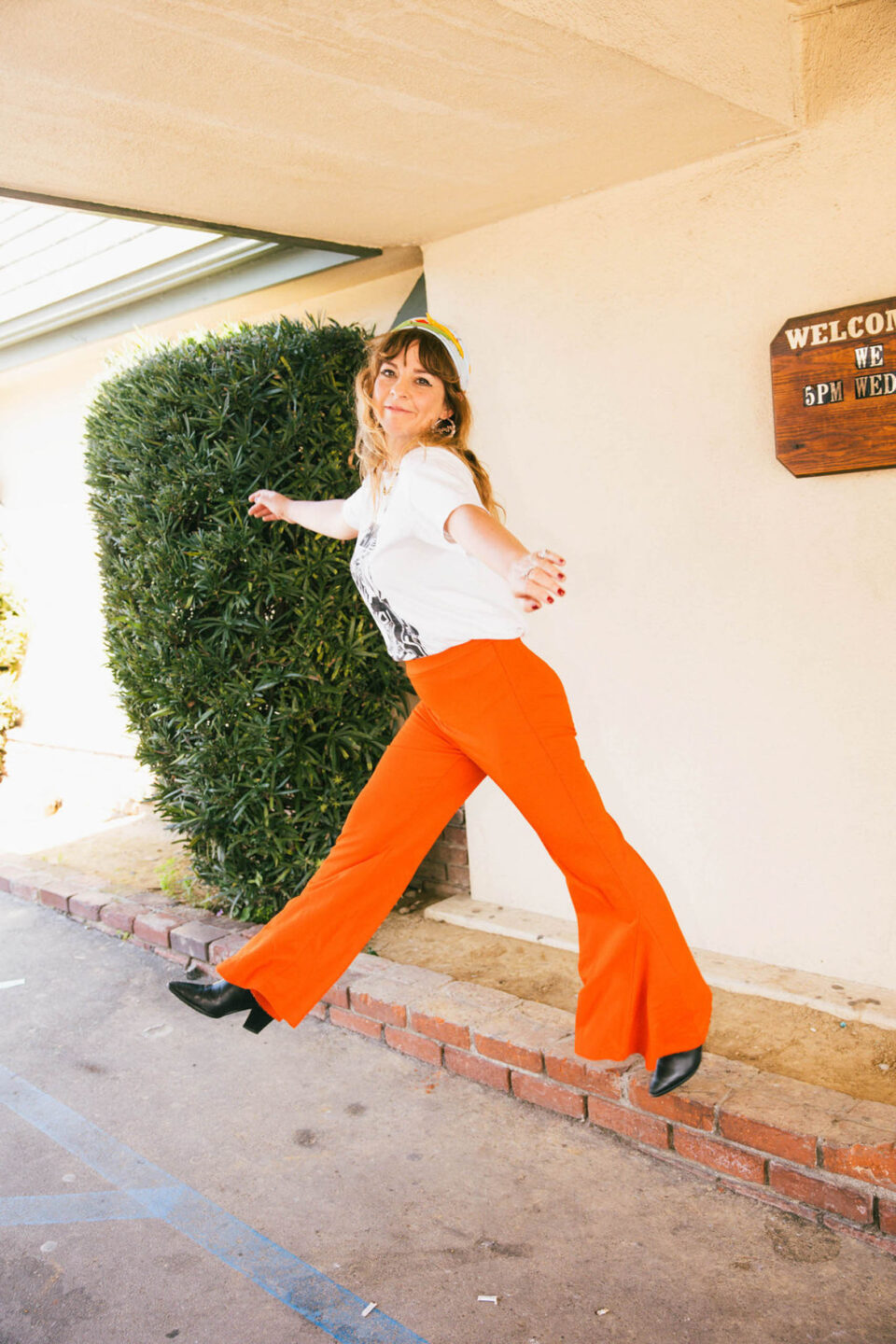
Songwriting is often looked at as a sort of mystical incantation, but the more you talk to musicians like Nagler, the more you realize how much this can obscure the day-to-day grind of what is—whether we like to see it this way or not—labor like any other. The songs that make up I’ve Got Nothing to Lose are, in turn, searching, heartfelt, clever, and audacious. They are Nagler’s subconscious made plain. They’re an attempt to connect with some larger truth. But that doesn’t mean they’re any different, in practice, than the dozens of songs she’s written in the service of others. “If it’s a good song, it probably is in a lot of people’s voices,” says Nagler of the thorny notion of authorship. “You’re capturing a thing that everybody feels.”
I’ve Got Nothing to Lose, and I’m Losing It proves this point. These are songs born over years, not months, and yet it wasn’t until recently, with the power of hindsight, that she was able to extract meaning from them in a real way. “Right after I finished recording the basics of this album, I had a breakup with my partner of 19 years,” says Nagler. “It was really actually pretty fucking mind blowing to look back at these songs. Literally, every single one is about this breakup that I didn’t know in my conscious mind was happening.”
Finding this sort of specificity in the universal, and vice versa, seems to be what motivates Nagler more than anything else. Whether the song is hers alone or part of some greater hive mind hardly matters. Either way, she’s got nothing to lose. FL