




Converge
Hum of Hurt
EPITAPH/DEATHWISH
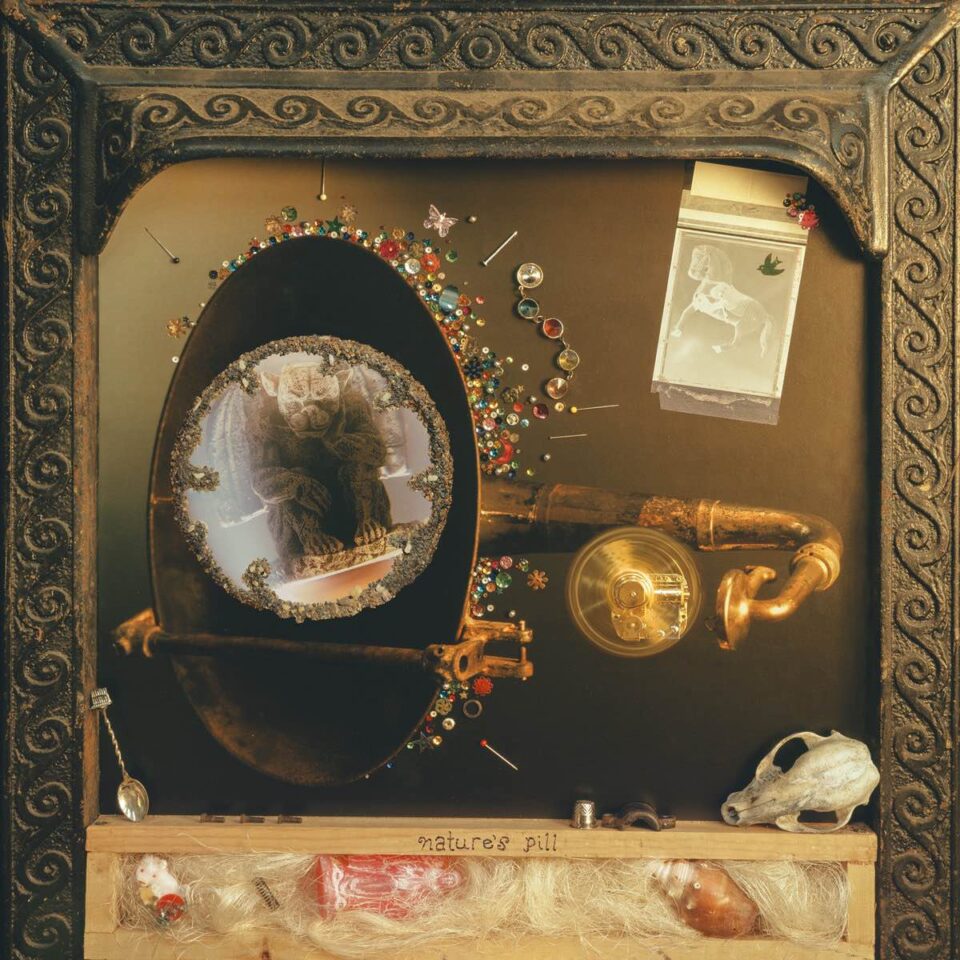
Back in 1990, if you had told any of the hardcore-punk faithful that one of their favorite new bands would ever dip their toes into the seas of concept records, you’d get a look of derision, a laugh, or a knuckle sandwich. Converge have insisted in their public statements that Hum of Hurt is not to be coupled in any way with Love Is Not Enough, which came out roughly three and a half months ago. But for a band as steadfast in its principles and serious about its hardcore ethos as Converge are, there is, rather surprisingly, some murkiness as to the relationship between the two records. “Like its predecessor, the album offers a bleak yet empathetic assessment of the human condition and its ongoing deterioration,” read the album’s press materials, written by someone close to the band. Meanwhile, in that same album bio, vocalist and cofounder Jacob Bannon notes that Hum of Hurt “is not a sequel. We simply gave creative birth to another Converge record with its own unique identity and character.”
Whereas Love Is Not Enough was arguably more metal than any other Converge record, Hum of Hurt course-corrects by balancing the scales with hardcore. At a time when fusing genres is all the rage, “It Only Gets Worse,” “I Won’t Let You Go,” and “It’s Not Up to Us” remind us what pure hardcore-punk sounds like. “Detonator” is the grooviest song on the LP, while “Doom in Bloom” and “Dream Debris” are uncharacteristically slower and even—gasp—introspective for a band that generally puts it all out there, all the time (the ending of the latter is also the most infectious passage on the entire record). The penultimate title track is the catchiest tune Converge crafted this time around. By the time we reach the closing number, “Nothing Is Over,” they throw all traces of song structure, melody, and riffage out the window, flipping the title of the track on its head. Before that, Converge burrow into the heart of Hum of Hurt on “It Used to Matter,” which embodies the record’s intriguing theme.
There’s apparently an “elusive buzzing noise” present in various regions of the world, the BBC reported back in 2009. The article quoted various individuals whose ears are attuned to what’s alternately referred to as a low-frequency rumbling or droning sound. The article claimed at least one UK resident committed suicide due to the noise. Here, Bannon questions whether the hum is “the culmination of all the pain” in a world that’s decaying both before our very eyes and also out of view. Converge similarly addressed that theme on Love Is Not Enough—which, again, discounts the notion that the two LPs aren’t connected. But at the end of the day, it’s the wide range of tempo and temperament on Hum of Hurt that makes it yet another winning Converge record that will continue to aid and abet the remarkably long-lasting resurgence of hardcore-punk over the course of this decade.
