

Kelela
New Avatar
WARP
New Avatar sees Kelela reconnecting with her formative days as a songwriter in the DC indie scene of the early 2010s. Her 2013 mixtape Cut 4 Me and 2015’s Hallucinogen EP kickstarted the disassembly of her R&B foundations, and her aptly titled 2017 debut album Take Me Apart and 2023’s Raven continued to cut a sleek line separating her from her contemporaries. In 2024, she returned to her earliest musical love and recorded some live neo-soul and jazz covers of her own songs during a residency at NYC’s Blue Note Jazz Club, which was released the following year as the album In the Blue Light.
All of those sounds swirl throughout her third album, wherein she also melds electronic music, alternative rock, and shoegaze into hypnotic music she refers to as “R&B run through distorted guitar.” New Avatar begins with “Idea 1,” written with co-producer Oscar Scheller and longtime friend and figurative painter Janiva Ellis. The guitar-forward track touches on feelings of existing on a planet that feels like it’s unraveling—“a particular kind of burden Black women know intimately,” Kelela notes. As she calls out, “Know it ain’t right / Don’t you look away,” a gale-force blast of shoegaze guitar glides through her unmistakable soprano. Early single “Linknb” is another album highlight, featuring similarly rain-drenched lead guitar lines.
Despite a shorter gap between albums this time around, it’s still comforting to hear Kelela appear like a shaft of light in a futuristic club as similarly ’90s-leaning contemporaries like PinkPantheress, Erika de Casier, Rochelle Jordan, and Sega Bodega continue to help balloon the neon-drenched sound up to new levels of exposure. Kelela remains a forward-thinking alternative to the pop side of the R&B spectrum on New Avatar, though, finding herself closer in line with FKA twigs than Tinashe. Kelela finishes the album with a flurry of star-studded tracks from fellow genre chameleons Fousheé (“New Life Forms”) and PinkPantheress (“The Bridge”), both of which could contest for her most ascendant R&B love songs, where she turns to light when her lover touches her, or she’s eating shrooms like the Mario Bros.
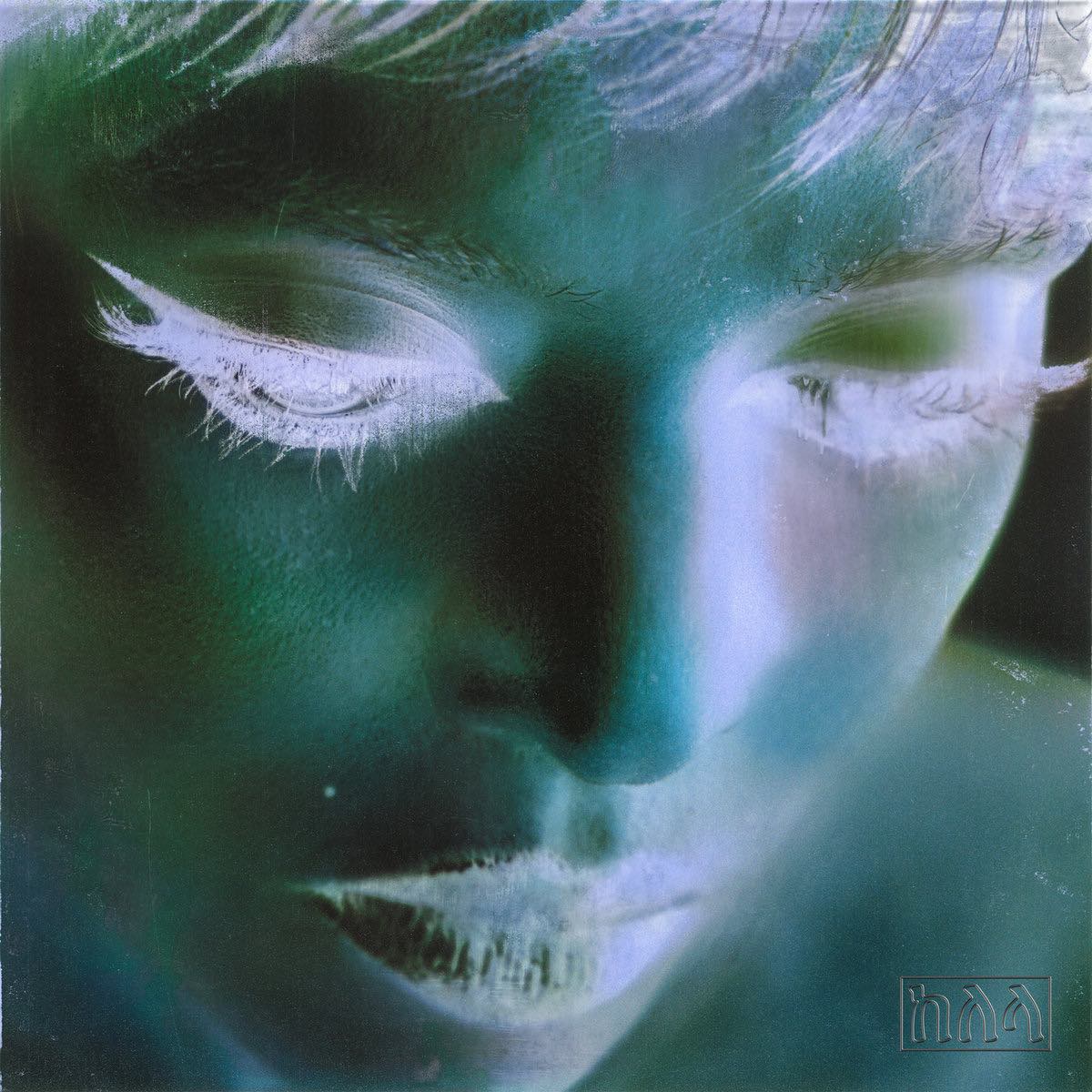
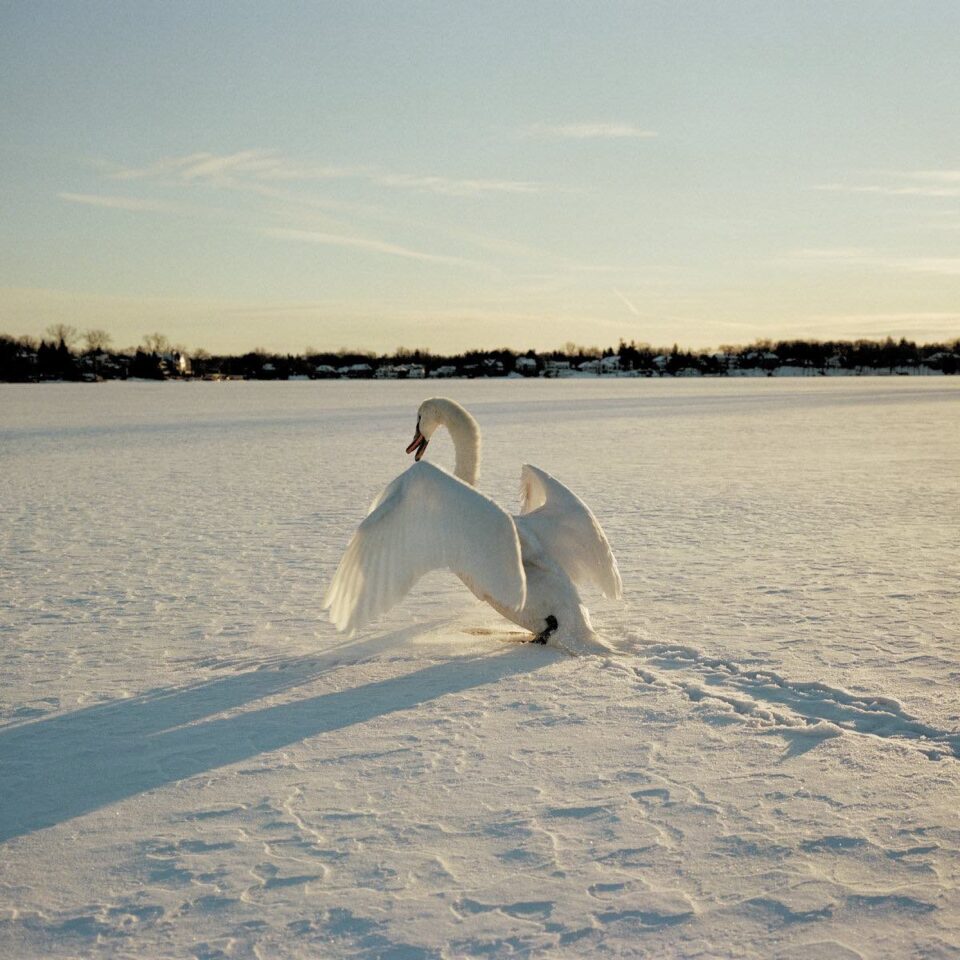
The beautiful comedown on final track “If We Meet Again” sees Kelela return to the guitar, lonely and desolate, adrift in space, shrouded in stage light. Produced and mixed largely by Kelela herself, New Avatar sounds like a future vision of R&B, which she views as the “most expansive genre in the world.” Whereas guitar-heavy genres are traditionally more rigid and narrow, Kelela makes those two worlds coexist, which sounds like the musical equivalent of the color-negative look of New Avatar’s cover art. As always, Kelela’s R&B world is inverted and unpredictable.
