




sundayclub
sundayclub
PAPER BAG
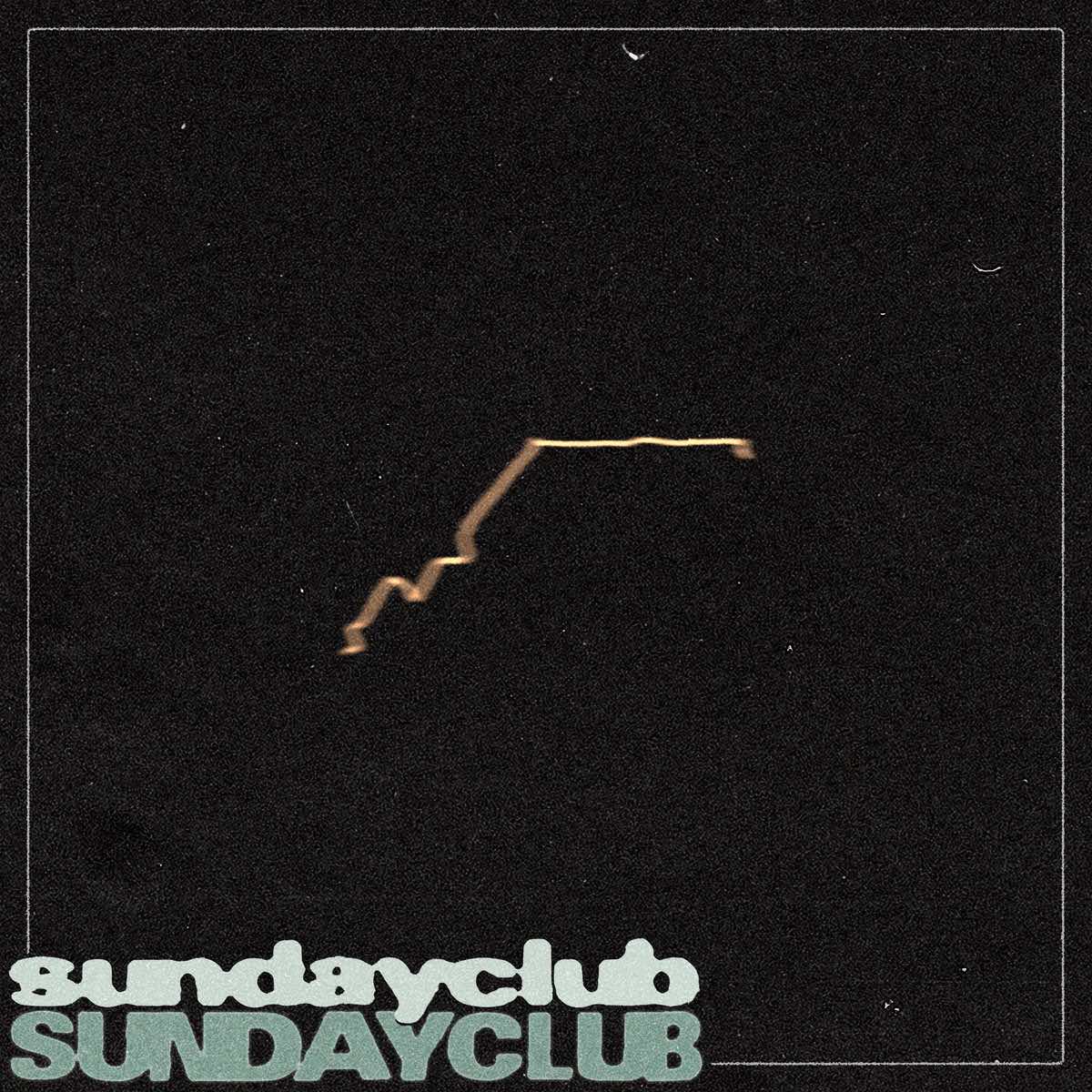
The most immediately striking moment from sundayclub’s self-titled debut album is one where the moment betrays them. The ambient rock ballad “Sober” is set within the chaos of a party, but the noise of it all only brings the realization of how horribly wrong everything is. “This party fucking sucks / And I would go home if I could,” Courtney Carmichael sings over Nikki St. Pierre’s soft, reverby guitar and a glowing synth haze. It’s the antithesis of an escapist party track, and it’s beautiful; as the muted kickdrum pulses like a slowed heartbeat, we come to understand that the song is about a broken relationship, foreshadowing an inevitable end. Things become unsettlingly clear to Carmichael as she watches a partner disappear into drunkenness. The music hangs heavy like a thick fog, quiet and soft and encroaching. The sparseness itself is sobering, along with the subversion of the cliché of “wanting to be in the moment.” Instead, Carmichael is already envisioning a transformed future: “I wish we were over, oh but we’re not.”
The following track and album closer “woym?” acts as both a continuation of and counterpoint to “Sober.” Where its predecessor painfully crawls through the present, the jangle-pop “woym?” is instead upbeat. We’re still hanging around that party, but instead of leaving in a frazzled rush, Carmichael attempts to make contact: “What’s on your mind? I can tell you what’s been on mine?” This goes on for a few minutes until the song attempts to fade away, as if we’ve found a way to exit in peace: “We couldn’t find a way out / So maybe we’ll stay.” The end of the chorus isn’t letting that illusion become reality. Instead, the song speeds back up and goes up a key. It’s peculiar, nearly dissonant. The melody remains as charming as chiffon, but now it feels oddly urgent, thrown back into the rhythm of a moment that only teased a calm end. Maybe that lingering dissatisfaction is intentional. It doesn’t stop me from spinning the Winnipeg duo’s album again and again, hoping to find resolution in the tracks soaked in disillusion and melancholy.
Yet that same feeling also reveals the album’s limitations. Across its nine tracks, sundayclub occasionally falls into the familiar pitfalls of dream-pop, leaning so heavily on atmosphere that it rarely pushes beyond it. That unease defines the record from the beginning. After hypnotic opener “Tune In,” “Blue Wave” introduces what Carmichael describes as “pre-nostalgia”: the feeling of mourning the present before it’s even gone. It’s an idea that guides us through the darkness on these songs as they hover in moments the band is already convinced they’ll lose. Whether recalling a relationship or trying desperately to preserve one that’s still unraveling, sundayclub is less interested in memory than in the anxiety of watching memory form in real time.
sundayclub embraces the dreamy shimmer of Alvvays and The Sundays, with flashes of Pale Waves’ glossy hooks or The 1975’s yearning melodies without the theatricality of any of those artists. Instead, sundayclub feel stiflingly unrestrained. Sometimes they lean into the folk softness of Soccer Mommy and Clairo. It’s gentle, almost gossamer at times. But that underlying stiffness can leave the album feeling as though it’s always on the verge of something bigger, not quite able to get there.
