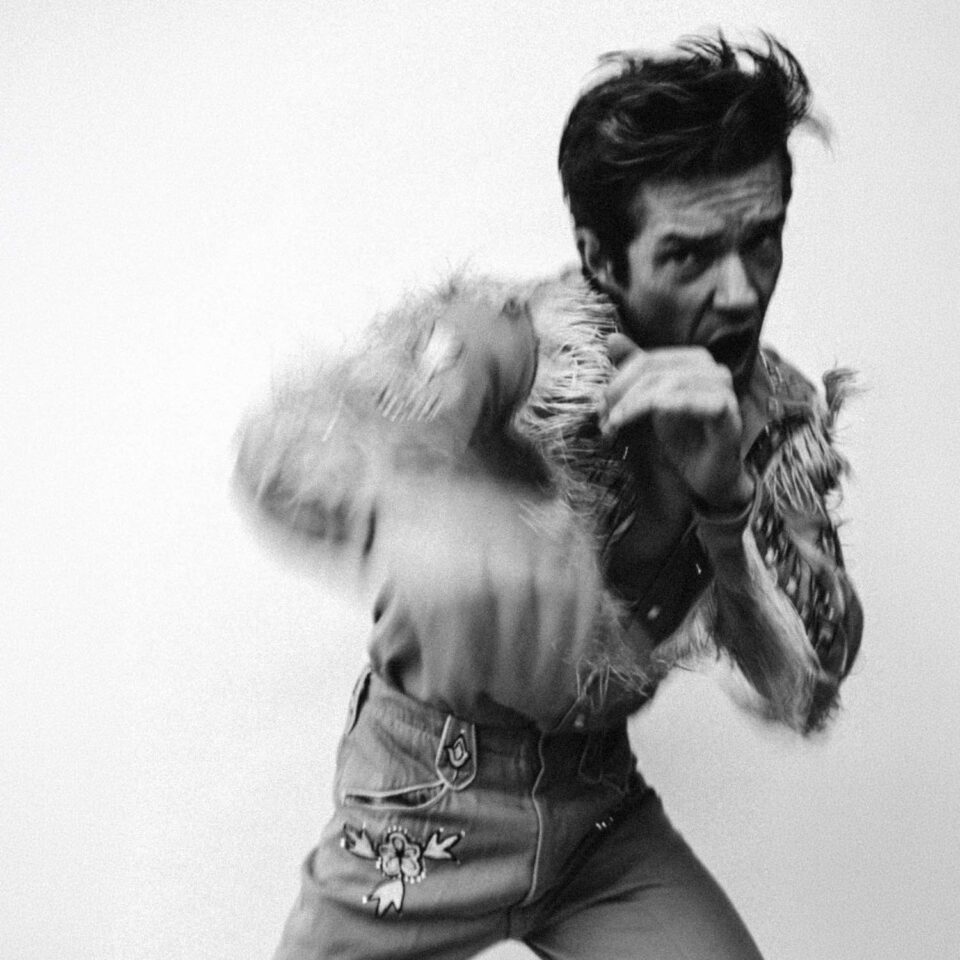
You may know him primarily as an actor and director, but Finn Wolfhard is no stranger to music. He formed the power-pop band Calpurnia at just 14, and soon after he began fronting the indie-rock outfit The Aubreys alongside Calpurnia drummer Malcolm Craig. He emulates the sounds of classic and alternative rock from The Beatles to Weezer across each project, steadily improving as a vocalist, songwriter, and musician with each passing chapter. “I’m not doing this to be a pop star or the most famous person,” he insists. “I’m doing this because I love it. I’ve always played music, it just so happens that now, I have this built-in audience, which gives me a leg up in so many ways. I now have the opportunity to try to reach people I didn’t think I’d be able to. I’d love for someone to hear me at a music festival and not know who it is, then come over and have a great time. Maybe that’s an unrealistic way to think, but the more present everyone can be with the music, [leaving] their pre-conceived notions at the door…that’s my goal.”
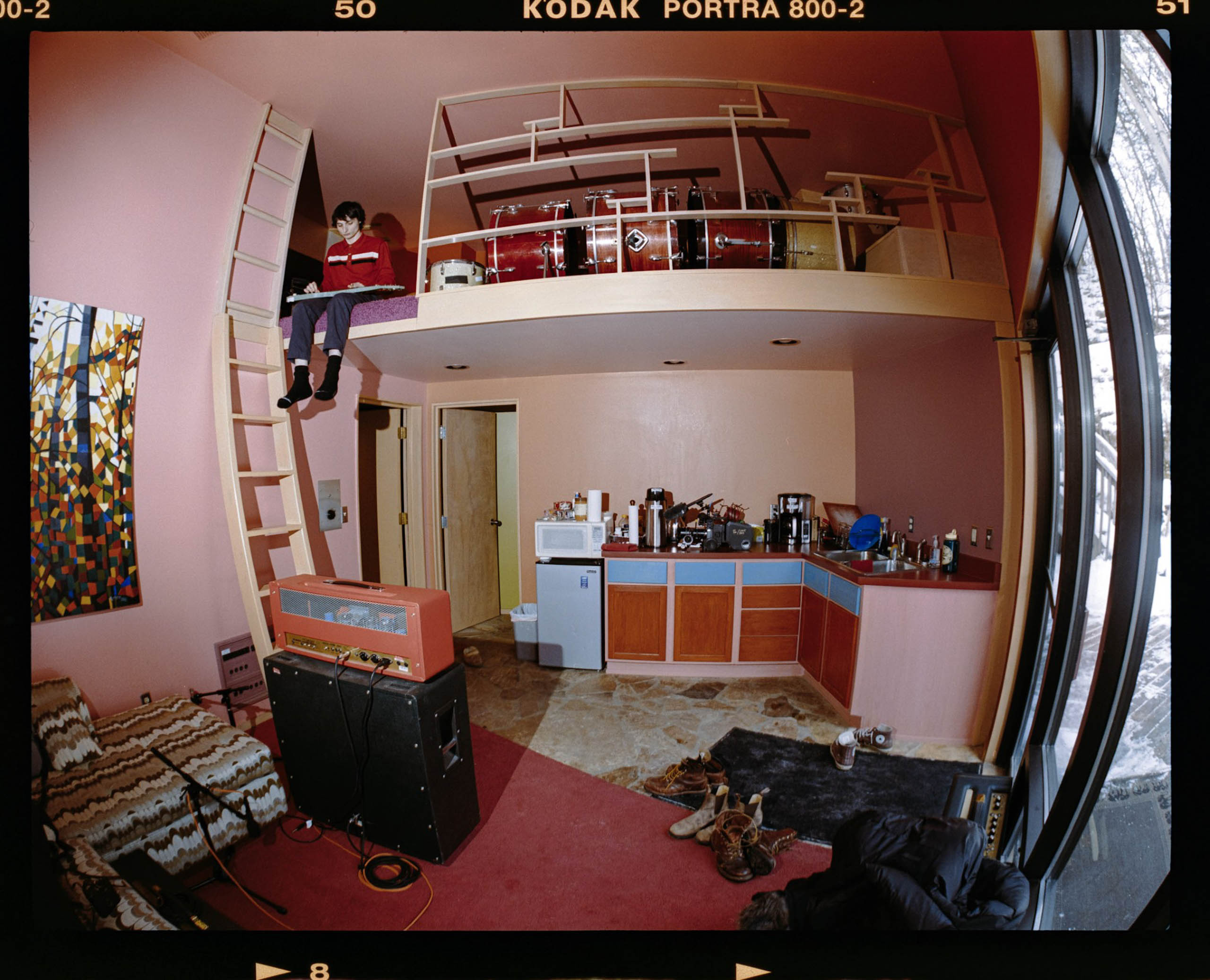
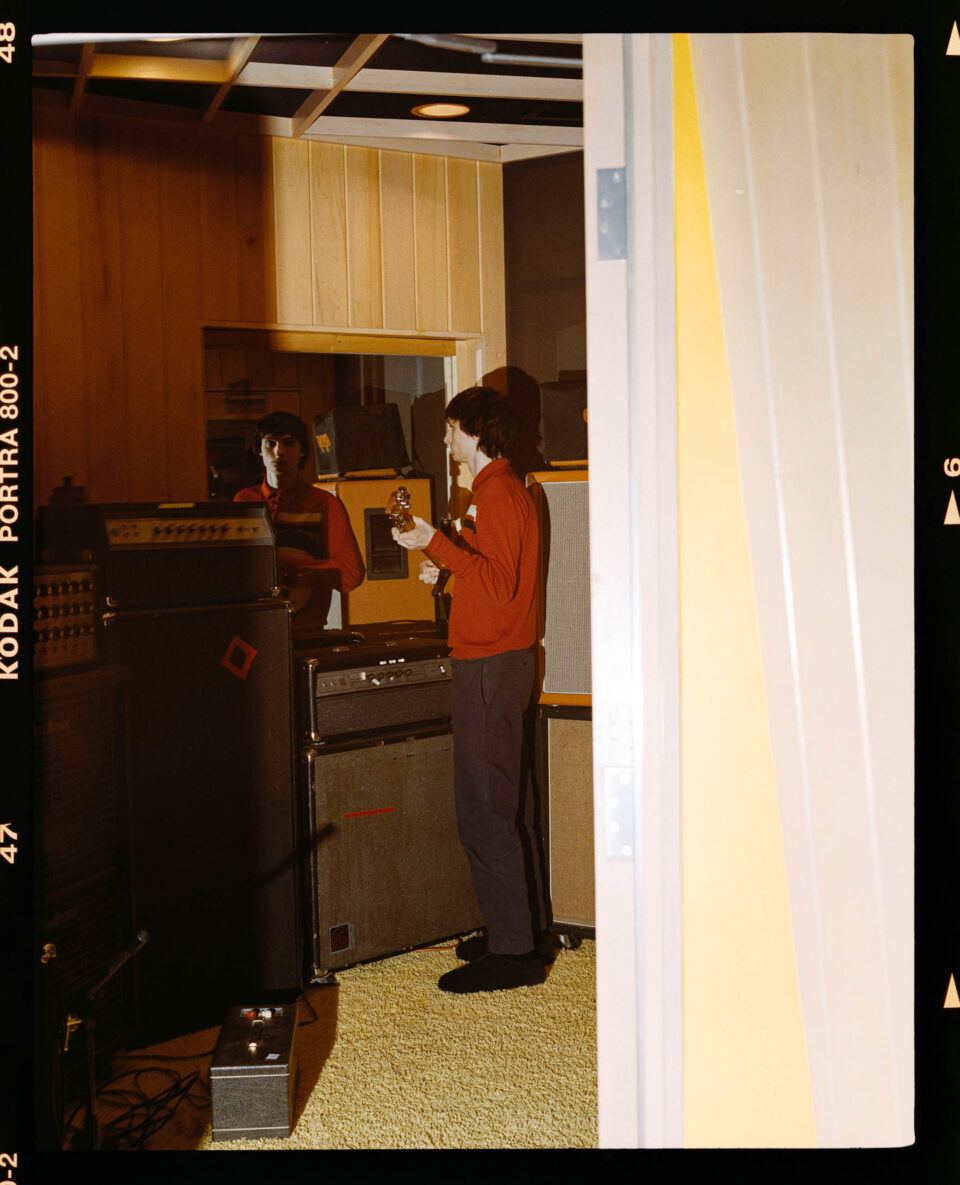
Consisting of 12 tracks at a tight 35 minutes, Fire From the Hip aims for a more elevated rock sound than that of last summer’s solo debut Happy Birthday, with Wolfhard citing The Rolling Stones’ Beggars Banquet and Exile on Main St. as his main points of reference. Primarily recorded at Pachyderm Studios in Cannon Fall, Minnesota, a space recognized for hosting the likes of Nirvana, Beach House, and The Breeders since its opening in 1988, the space offered Wolfhard and his crew a place to cultivate this music, as opposed to the trio of Chicago-area locations used for Happy Birthday, one of which he describes as being “more of a rehearsal space” that a recording studio. “It feels like we recorded at your grandpa’s old hand-built house, but it’s just a weird old rock ’n’ roll manor,” he says. “It had a real lived-in quality, and I wanted the songs themselves to feel lived-in. You could feel the history within the house, which hasn’t really been touched since the ’60s. It was the perfect thing for our group, because we were in the woods, so, every day we could just focus on the album and hang out by the fire.”
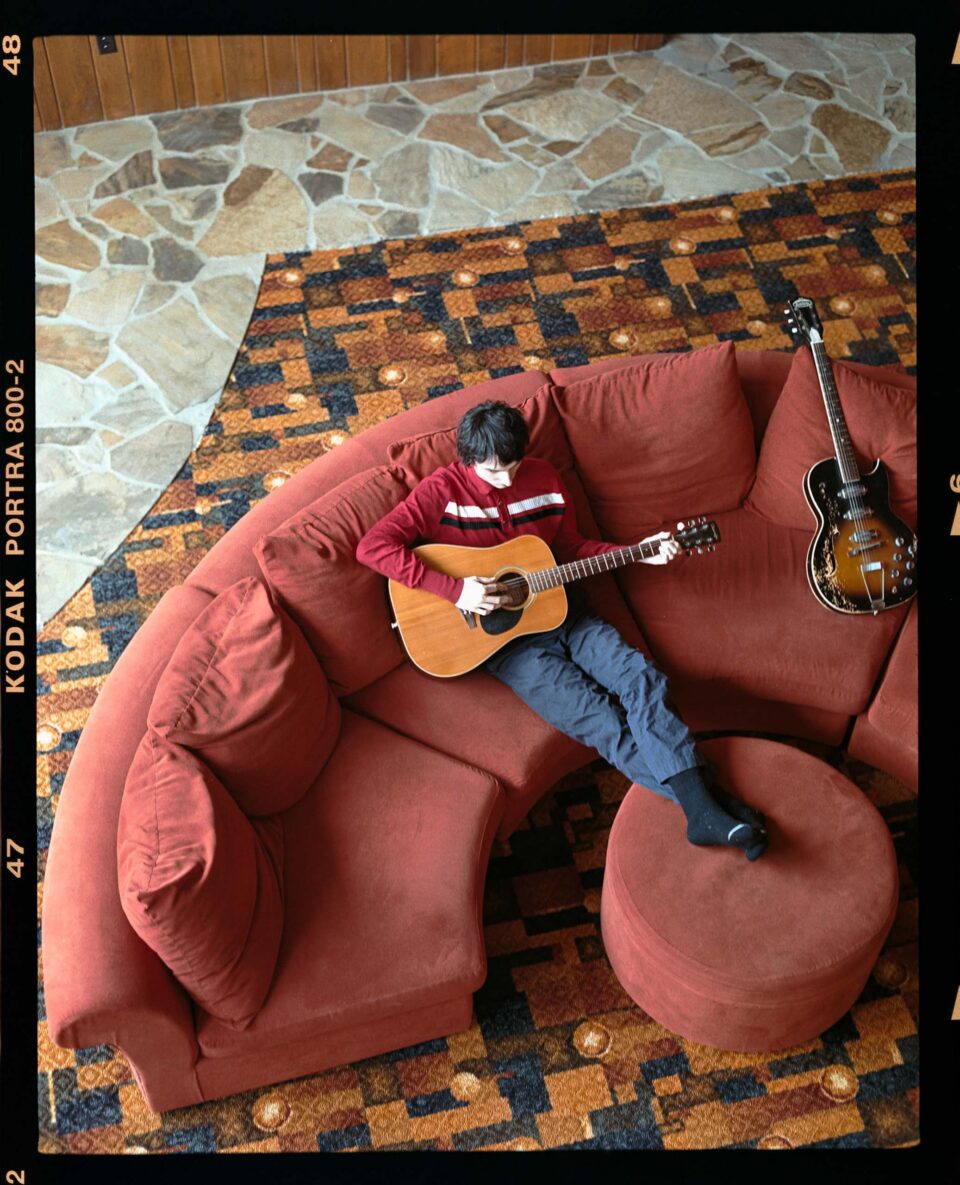
The openness of the territory led to myriad aesthetics making their way into the project, including elements of blues, traditional country, and ’80s pop. Calling back to a bittersweet conversation with Stranger Things co-star Gaten Matarazzo, “Common Side Effects” accentuates his vocals’ nasal qualities at the start and reckless squawking by its end. “Nice to Meet You Again” profiles his return home to those he’d once left behind, dialing the dynamics down a peg. Indie-rock-leaning by nature with tinges of folk and country interwoven within its near five-minute runtime, the track presents Wolfhard’s earnestness wholeheartedly. “The country thing is sort of the touchstone of the record when it came to thinking about the production,” he says. “Some of my favorite rock bands, like Wilco and the Stones, have albums that have that country influence. We knew there was a throughline, and some songs we’d lean into it, and for others we’d switch it up and do a song with a drum machine. The album has all these influences, but I wanted it to be as close to my sensibilities as possible, as far as the kind of music I like and want to listen to.”
Elaborating on “Nice to Meet You Again,” he addresses it as a concrete example of the fine line between producing in isolation and collaboratively. “We were all at our best on that song,” he shares. “That was one I had a clear idea of what I wanted it to sound like, and knew when to shut up and let other people come up with ideas. I love when stuff sounds fucked up, but there’s a difference between a mistake that makes it sound good and a mistake that makes it sound lazy. The way we recorded it, everyone had to work together to come out with a good take.”
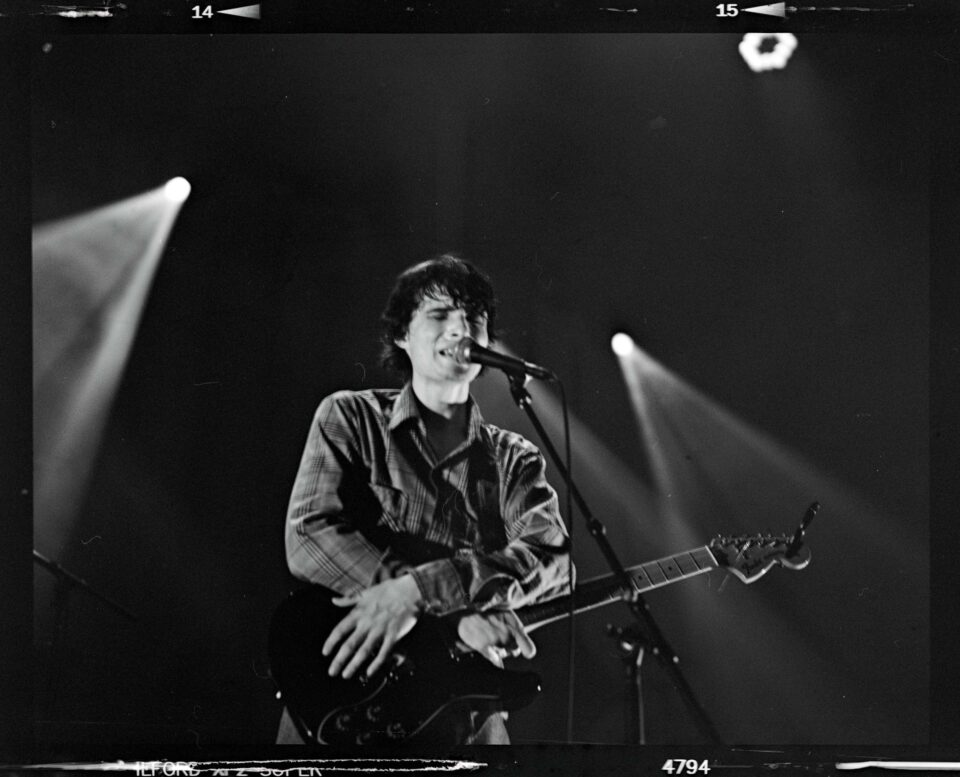
“I’m not doing this to be a pop star or the most famous person. I’m doing this because I love it... It just so happens that I have this built-in audience, which gives me a leg up in so many ways.”
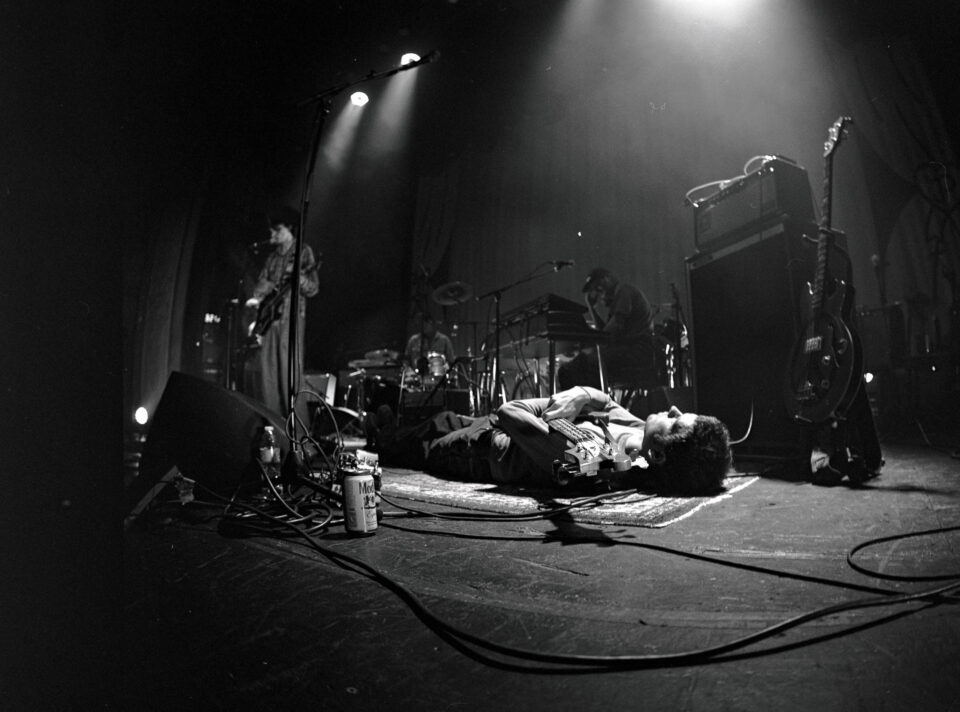
Attempting to translate that desire for worthy imperfection into each song, Wolfhard consistently utilized 4-track recording. “When my band and I toured last year, we had such a good time playing these songs live that I wanted to take the energy from those shows and put it into a record,” he explains, a smile crossing his face as he dives into specifics. “It felt that going on reel-to-reel instead of cassette made more sense, because it’s a little more hi-fi. You get more space. You still get the saturation, it’s just a little more refined. Even with that, we tried to keep the imperfections in almost every song. We barely cleaned the tape heads. ‘Oscilloscope’ is weird and fast, because we sped it up, and there’s this little soundbite of me just saying ‘I’ at the end. That’s what’s so fun about making music: leaning into the weird and the imperfect.”
A 90-second morsel positioned toward the end of the record, “Oscilloscope” is a lovely oddity that’s been the subject of social media scrutiny lately due to its dual-perspective narrative. Two of its stanzas distinctly relate to temporal anxieties, calling back to themes explored on Happy Birthday’s title track: “Crack the suede, you’ll never be on time / They can’t stall us, it’s still a race against the clock.” “The Slaps, my backing band for this project, have a lot of songs that are like that,” he says. “Almost mechanical, Minutemen-esque. I was hesitant to include it, but they encouraged me to record it even if it didn’t end up on the album. Because it’s such a short song, we recorded it live 10 times in a row and we picked a take that wasn’t the cleanest one, but it felt the best. It felt sloppy, but on purpose. It’s about a fear of being late, missing out on something. Or not wanting to make a mistake. Knowing that there’s so much to do with such little time.”
Fire From the Hip’s most ubiquitous thematic element is that of Wolfhard’s profound, intrinsic relationship with pop culture. Several songs directly reference topics both niche and mainstream, including Taylor Swift, Nicole Kidman’s memeified AMC ad, and the Avatar franchise. “The lyrics in ‘The Climb’ are all things I’d jotted down, and that came from a genuine place,” he says. “It’s kind of a sad country song, but the title is a nod to Miley Cyrus. I want things to be pure and vulnerable, but sometimes my personality negates that with jokes. I fold in little pop culture quirks that I want to wink at, but I also want to include my personal experiences as a way of coping with those feelings. [‘The Climb’] is about having a friend and knowing they know better. Losing someone to their own self-destructiveness or self-pity. Being there for them as much as you can until it becomes a you-can-lead-a-horse-to-water kind of thing. Sometimes you have friends that have to go on their own journey, and they either come back into your life or they don’t.”
When asked to provide an example of a “lived-in” pop culture moment that’s contributed to his personal growth, he responds with a quick quip: “I want to make a joke and say the Chris Rock slap, which, in a way, changed all of us,” he shoots, clasping his hands and raising his arms above his head with a knowing grimace before graciously reeling himself in. “This may sound trivial or shallow, but when the Blue Jays went to the World Series, that, to me, was really important for so many people’s Canadian identity. We were going up against a lot of odds, and I was heartbroken when we lost, but it was a moment that was able to unite people. For the Blue Jays to get that far, and lose on a broken bat, that’s life! It’s the journey, not the destination. It would’ve been awesome to reach that destination, but I think of the end of School of Rock, when Jack Black is depressed that they lost, and one of the kids says, ‘We played a kickass show, that’s what matters!’ It put things into perspective for me that, as big of a loss as that feeling was, it doesn’t matter, because you can just try, and still affect people.”
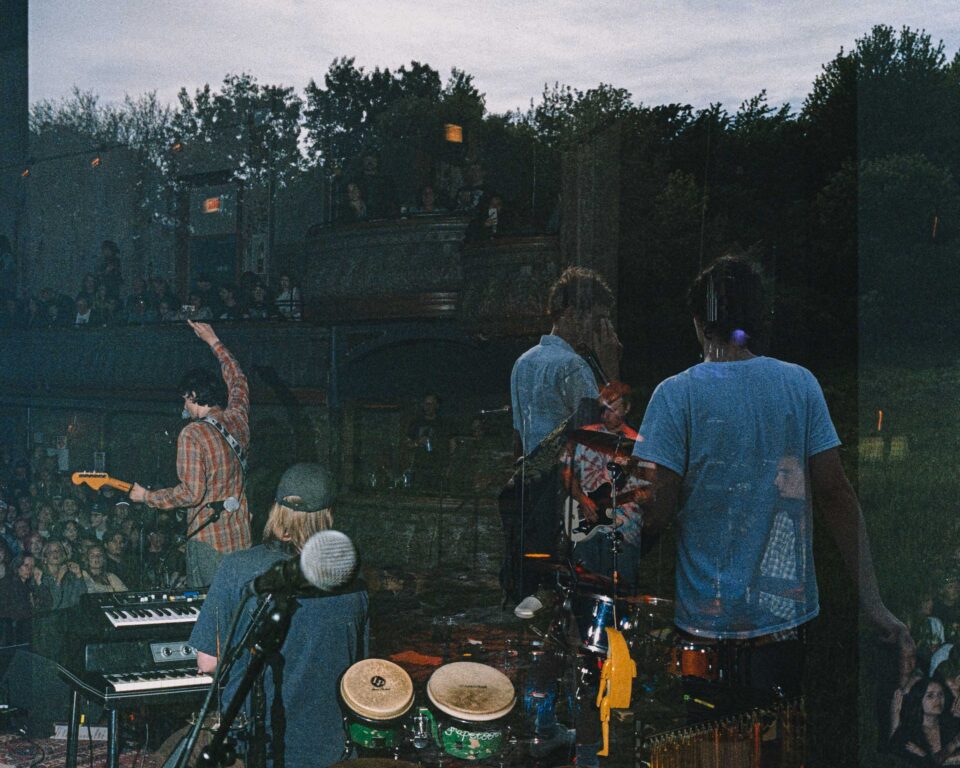
“I love when stuff sounds fucked up, but there’s a difference between a mistake that makes it sound good and a mistake that makes it sound lazy.”
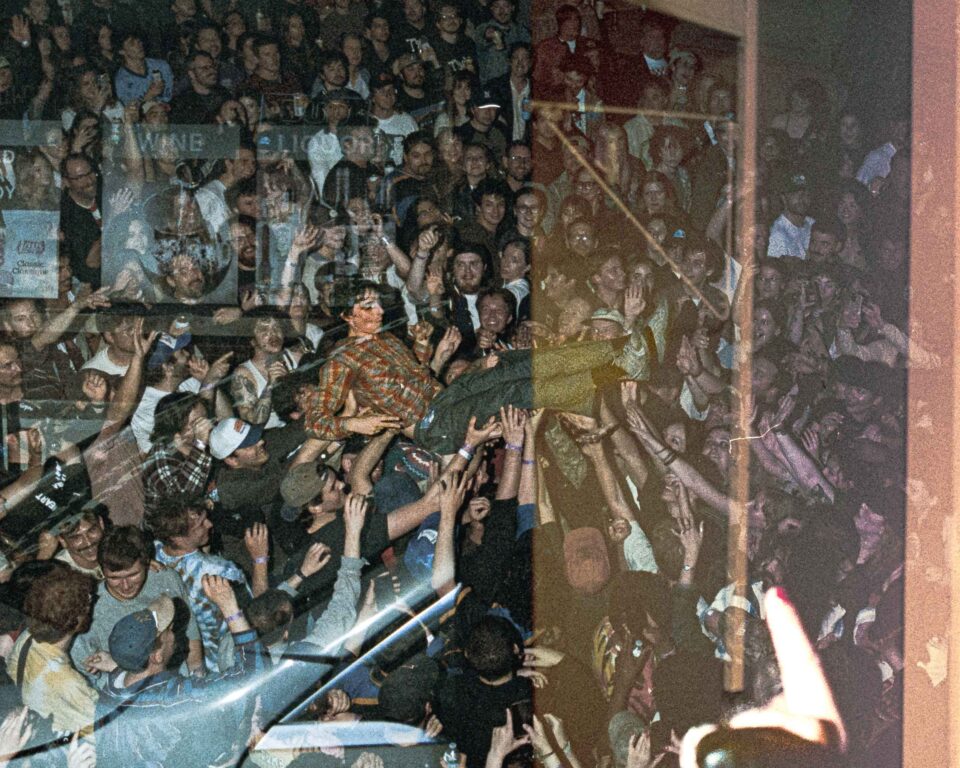
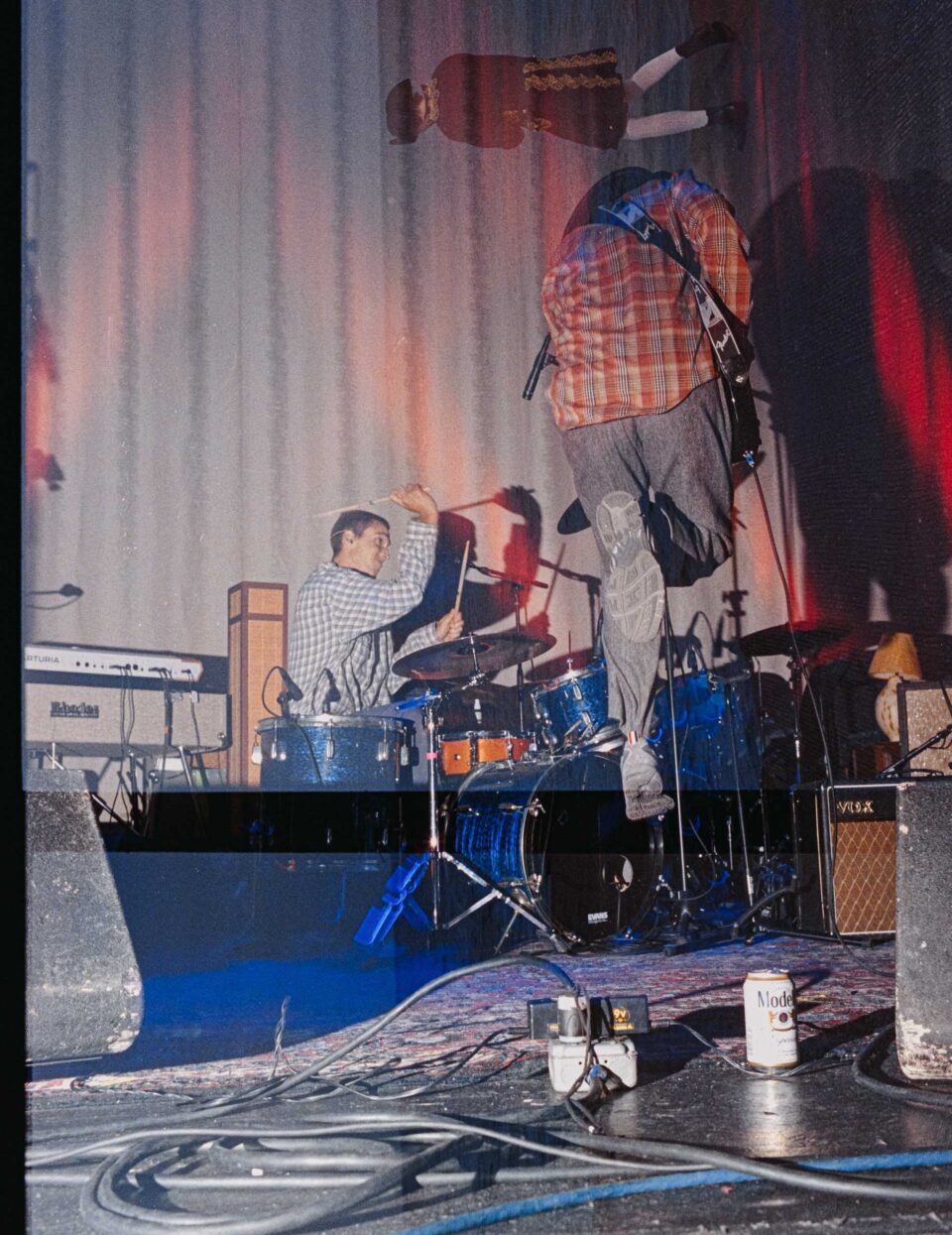
Affecting people is just a singular facet of Wolfhard’s manifesto. Having previously performed to “a sea of phones,” he looks to continue to systematically shift the artist-audience relationship with his fans, hoping for a day that the music, not a bygone persona, may take precedence. “People don’t like being told what to do,” he says. “I’m not going to tell people to stop using their phones. Would I prefer if people maybe took a photo or two then got off their phone for the rest of the show and danced together? Yes! It’s really not in my control. At the end of the day, I’m the one performing, and people are going to have their idea of who I am before they even walk in the venue. The only thing I can do is to entertain the best I can and have fun with my friends in the hope that that’s enough to make the audience want to get in on it.” FL