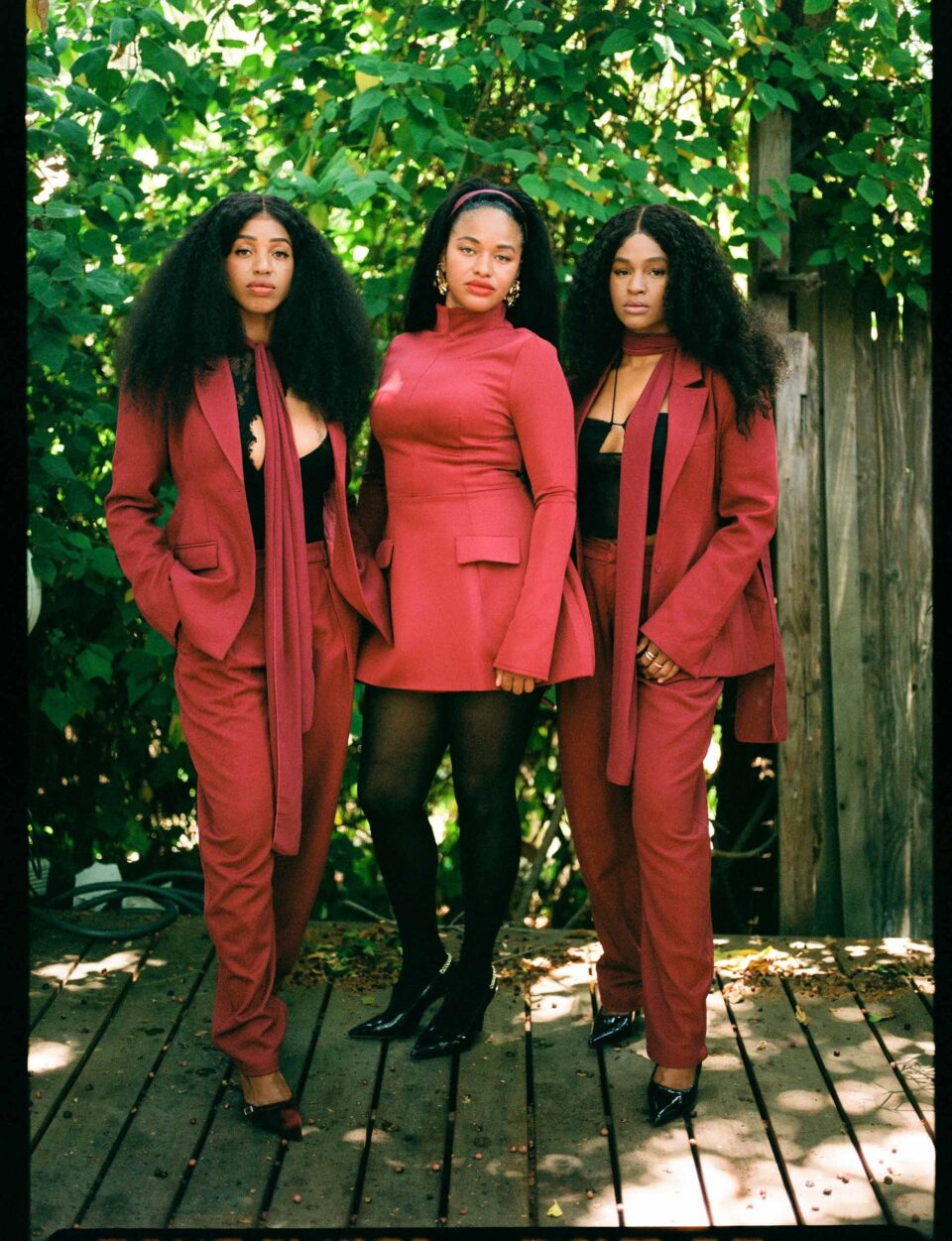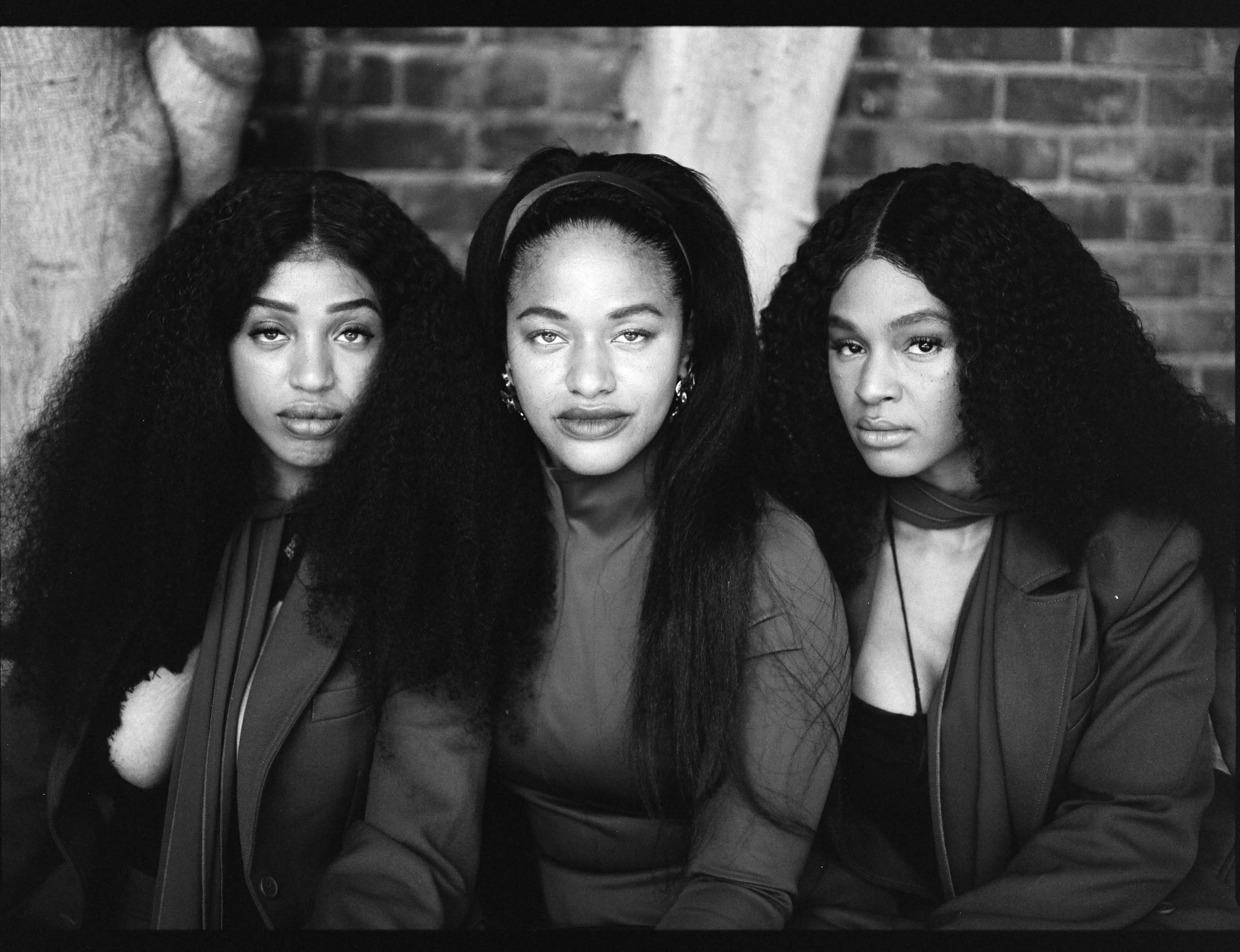


The story of The Womack Sisters is one of many twists. There were the early days when the sisters—Kucha, Zeimani, and BG—were destined for stardom, being three of seven children of soul songwriting duo Cecil and Linda Womack. Their grandpa? Sam Cooke. Their uncle? Bobby Womack. For three music-obsessed kids, the path to stardom was paved with gold. They toured with mom and dad, were in and out of studios all the time—in short, learning everything about what it took to be a professional musician.
There were cruel realities, too, though. They saw family members accrue unbelievable levels of success, only to be turned away at every corner, having to fight for their unique visions. The sisters learned to be defiant, to outwork everybody because talent doesn’t guarantee anything. The story of the Womack Sisters is also a story of disappointment—of record deals gone sour and deferred dreams, of being just another singer on a roster, of being hollowed out and discarded. But ultimately it’s a tale of perseverance—of being singularly focused on a vision, on refusing to compromise until it coheres. There were times when all the sisters had was one another. Now, with their self-titled Daptone Records debut finally making its way to the world, they have the music industry at their feet. Fans already include SZA, Pharrell, Erykah Badu, and Questlove. Sometimes things go according to plan, even if there were a few detours along the way.
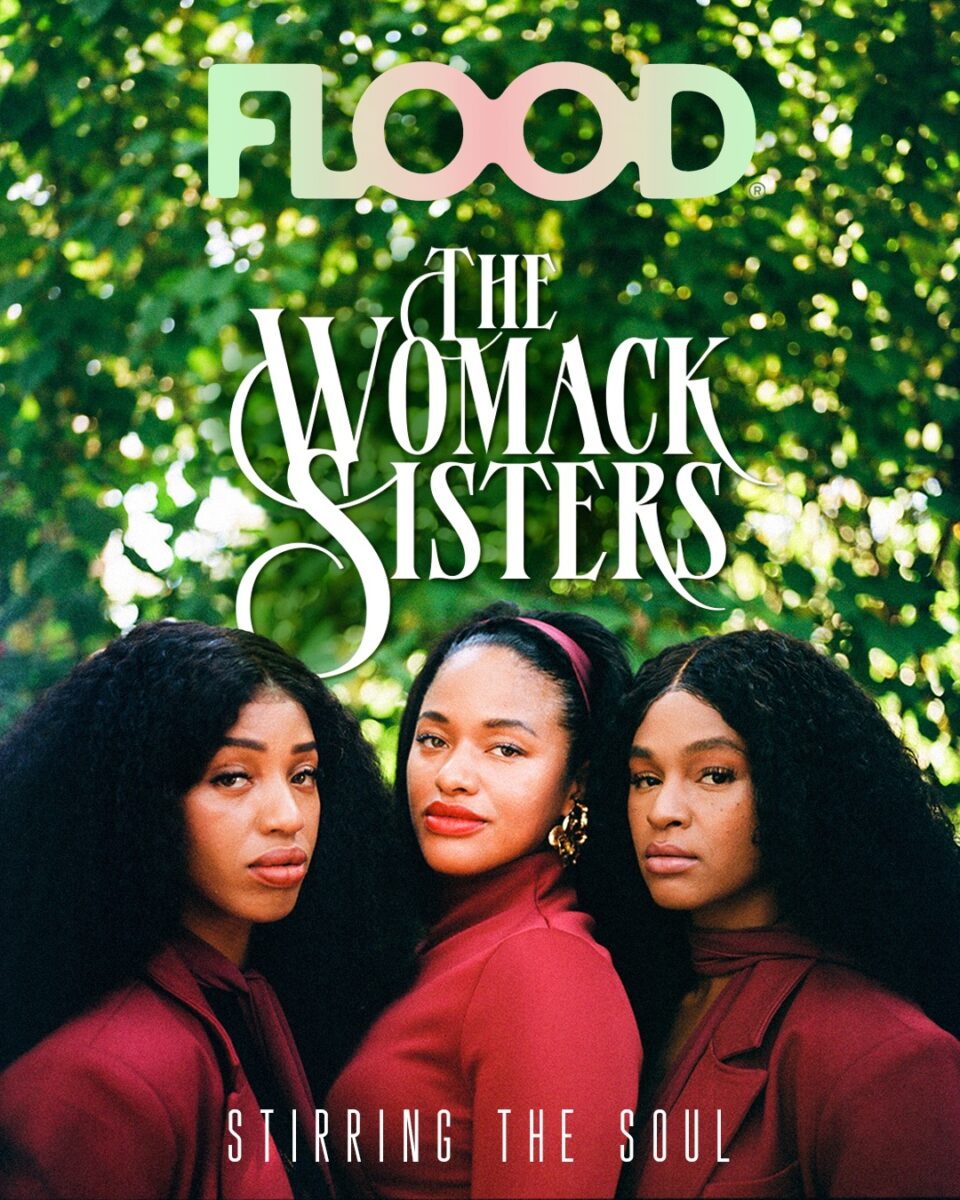
The Womacks grew up traveling around the world with their parents, calling places like Kenya, the Bahamas, Paris, Amsterdam, Thailand, and London home. As such, the concept of “home” wasn’t as much about where they were as it was who they were with. They had each other and they had music, and that always felt like enough. “Because there were so many of us, we were able to have that community within the family,” explains Kucha, the youngest of the sisters. “That’s one thing that can be tricky for an only child, especially when moving around. It’s easy to feel a little obsolete. Thank God for our parents being so in love and having so many of us—we were able to create that community within each other.”
It wasn’t always easy, but much of that pain was alleviated by the family’s tight-knit relationships, particularly among the three members of the band. “It’s difficult when you’re traveling consistently to lay down roots, but we were able to manage,” Kucha says. As young kids, the sisters performed with their other siblings as part of their parents’ band, Womack & Womack (later known as The House of Zekkariyas). After graduating from singing in that group, the sisters splintered off as a trio, sharpening their skills as background singers for uncle Bobby’s final tours. It was these experiences that convinced the sisters to form The Womack Sisters, which began attracting label interest from their earliest days of songwriting.
It was over a decade ago that Daptone label boss Gabriel Roth first encountered their music. He was stopped in his tracks by their prowess, by the charisma they could capture on record. “I heard them sing and it was just inspiring,” he tells me. “I hadn’t heard singers like that. It was pretty exciting when I met them.” Roth, who also leads the Dap-Kings on bass and releases his own music as Bosco Mann, first encountered the sisters during an awkward moment in the label’s history. “It was a strange time,” he recalls, “because it was shortly after Sharon Jones passed away, who was my sister. That was my lifetime collaborator and muse, man. We’d lost a lot of people within a couple of years and we weren’t sure we were going to even keep going as a label, because we didn’t want to force it. I somehow got connected to them and I remember one afternoon I got on the phone with Kucha and started talking to her about coming to the studio.”
The sisters flew out to Daptone’s famed studio in Bushwick a few days after that initial connection. “They were singing and bubbly and energetic,” Roth recalls. They actually recorded a few songs that ended up on the band’s self-titled record, which is finally arriving about a decade after those initial sessions. “If You Want Me” and “I Just Don’t Want You (To Say Goodbye)” were both tracked during those first recording dates, and Roth was certain he’d discovered a group with which he could create a lifetime’s worth of music. The business, though, is venomous, and The Womack Sisters were unable to control their own destiny as songwriters. “They’d been entangled in all kinds of business stuff and got involved with some of the wrong people,” Roth recalls. “It’s an old story in this business. We were on the verge of signing them and they ended up having to do something else.” Roth felt spurned in a rather profound way. “It was kind of heartbreaking for me. I haven’t been broken up with a lot.”
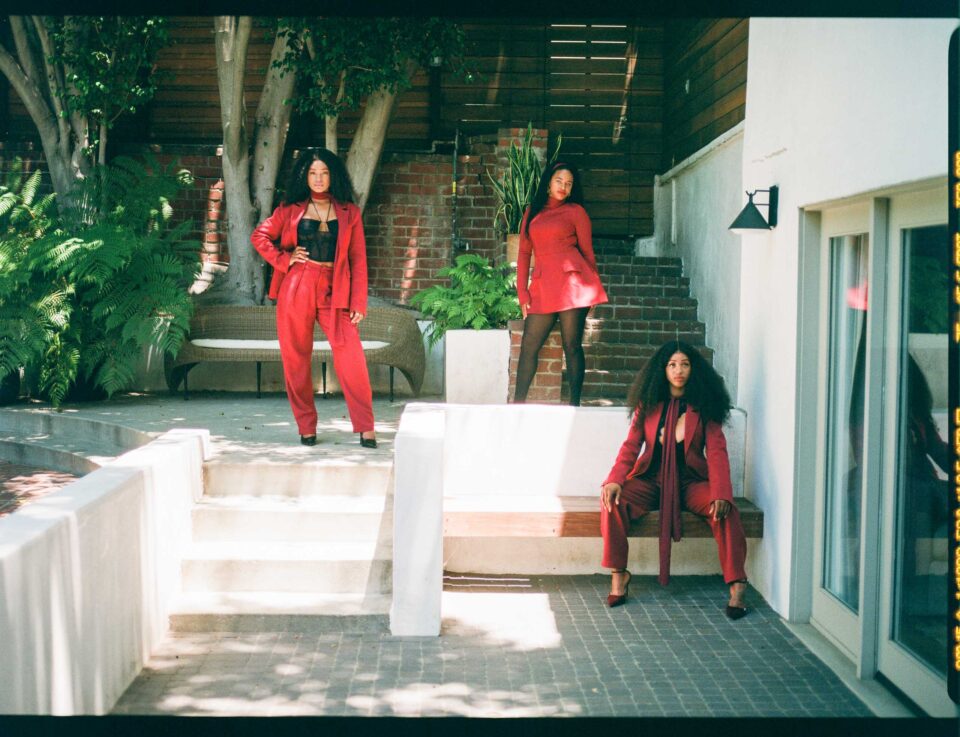
“Thank God for our parents being so in love and having so many of us—we were able to create that community within each other.” — Kucha Womack
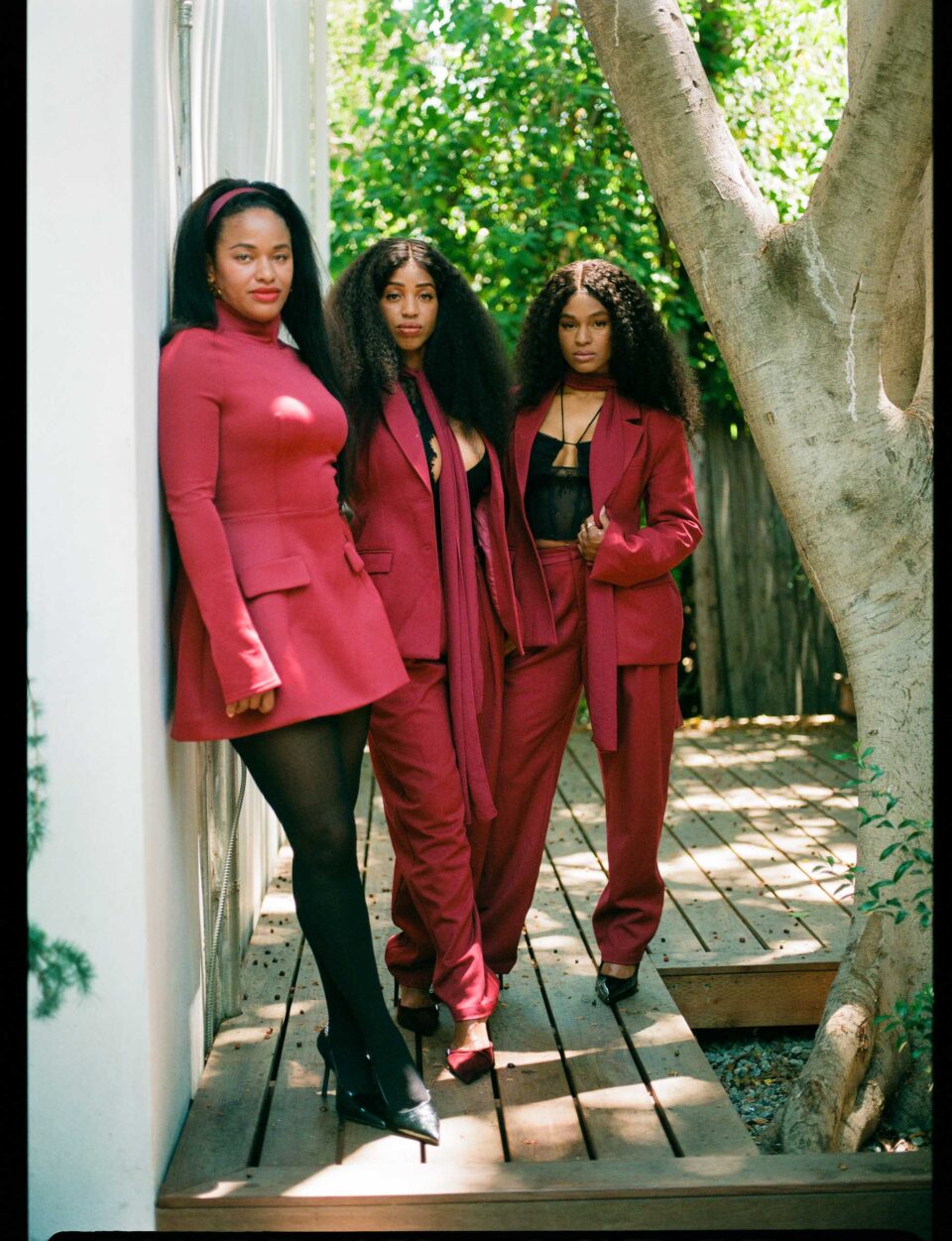
Daptone had prided itself on treating its artists the right way, and this was an instance where despite the label’s best intentions, they couldn’t defeat the machinations of the corporate music industry. So Roth and Daptone waited; the sisters waited, too. They knew Daptone was the perfect place for their sound, but they had to sit on their hands until the stars aligned, for contracts to expire and bad actors to return to the shadows. “It was the music all along,” says BG, the eldest sister. “We stuck to our guns when it came to what situation we would go with. We held out for a very long time and just did our thing independently, because we had a particular sound in mind for our debut album.”
That sound has been executed to perfection on The Womack Sisters, which marries Daptone’s vintage sound with the sort of R&B and soul offerings the group grew up studying as singers and listeners. “Everything else prior to that—writing experiences, dabbling in different genres—is part of our fabric as writers, but we've always had an idea of what we wanted to sound like as a group,” BG shares. “Daptone was it the minute we understood and heard it fit the vision. There were a few twists and turns getting to this point, but we eventually held out and it was time.”
“Daptone was it the minute we understood and heard it fit the vision. There were a few twists and turns getting to this point, but we eventually held out and it was time.” — BG Womack
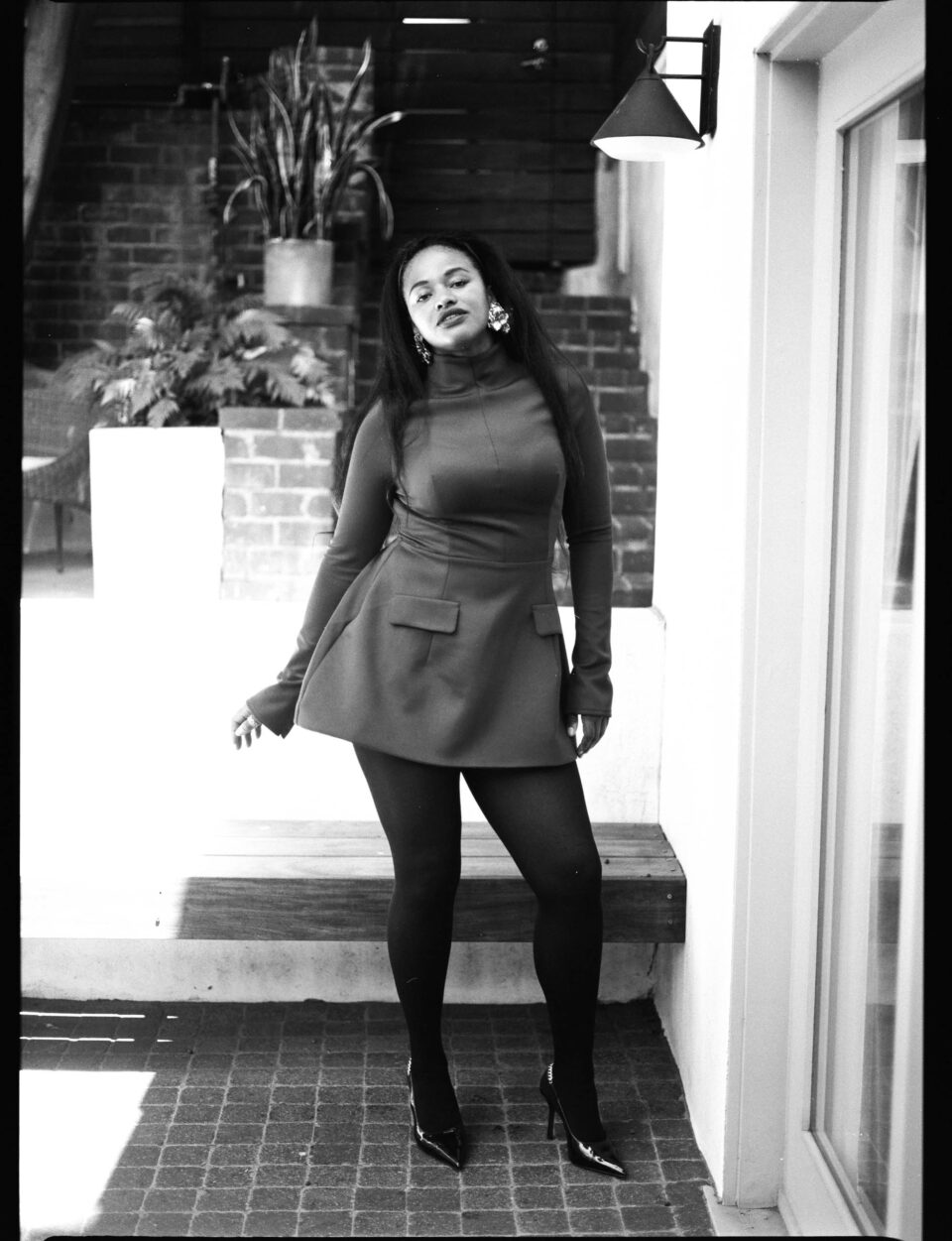
BG Womack
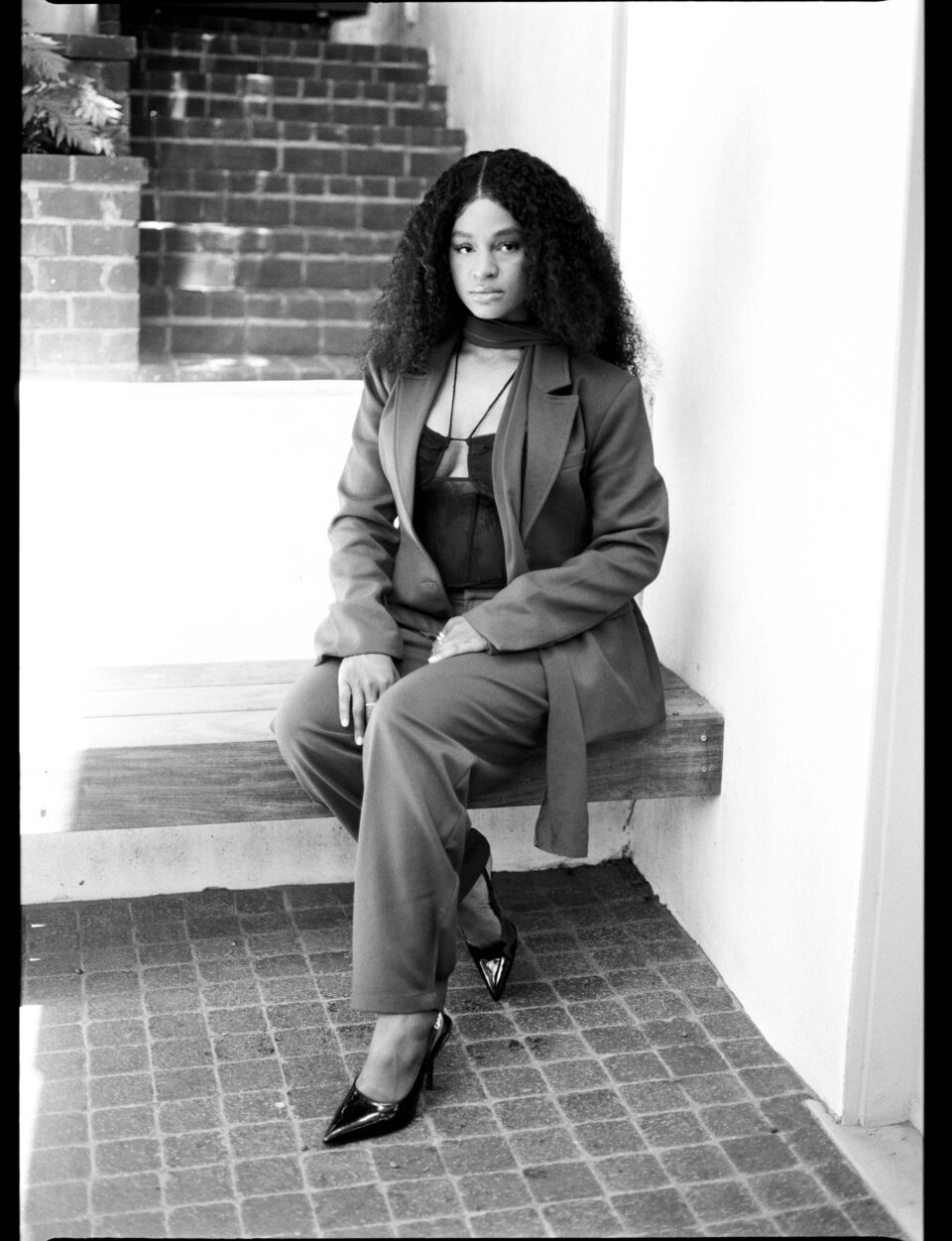
Kucha Womack
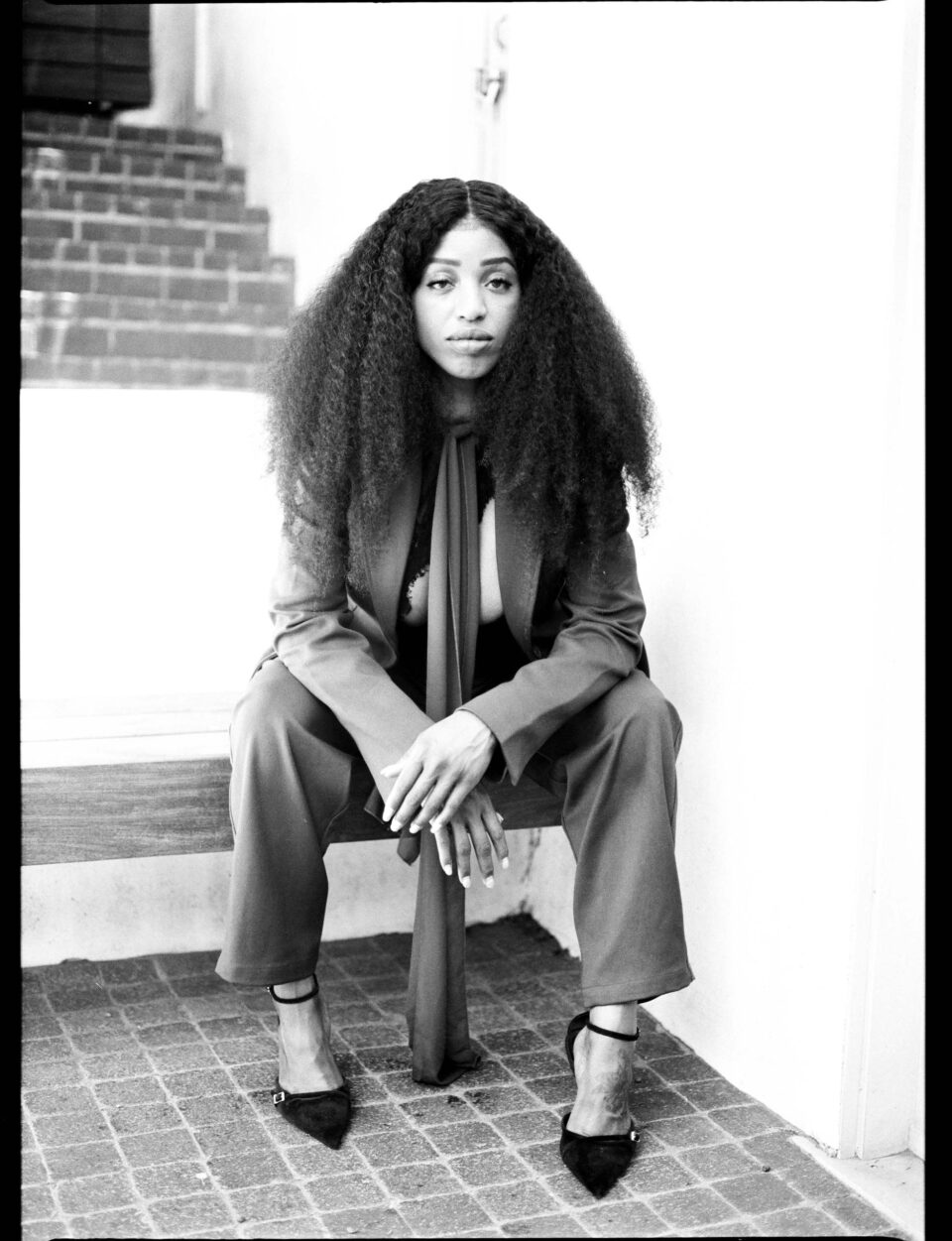
It took a long, long time, indeed, but when the Sisters were finally ready, they came back to Daptone and presented them with their vision; the one we hear on The Womack Sisters, on songs like the samba-soul of “If I Let You” and the lounge-jazz-leaning album opener “Chauffeur.” Though it took the band going through some traumatic industry experiences to land where they are now, it’s a period of their lives they wouldn’t change. “The album is a journey through love and life,” says Zeimani. “That’s the beauty in taking your time with creating music: you’re able to incorporate the stages of your life in the stories and they make it so much more impactful. They mean so much more when they’re a part of you like that.”
So when it was finally time to approach Daptone, they were ready. They had the stories, they had the songs. “A couple of years ago, they came back into my life and their circumstances had changed,” Roth recalls. “They’d been through a lot of stuff and tried a lot of things and kind of found their way back to us. They said, ‘Hey, we want to make this record and you’re the guy we want to make it with.’ We were able to work out the business stuff and extract them from all kinds of things that they needed to be extracted from, business-wise.” It was a perfect fit because The Womack Sisters are, in many ways, a perfect Daptone band. “They tap into what we love about music,” Roth continues. “I think a lot of people misunderstand it as some kind of retro niche genre thing, but it really isn’t about that. It’s always about the soulful feeling in music, which has to do with music being natural—having natural rhythm and having natural soul and being delivered with authenticity from the heart.
“The genre doesn’t matter,” he adds. “It just has to have that soulfulness to it. It doesn't necessarily need to be ‘soul music’ or ‘R&B music,’ but it has to have that feeling to it, which is not a stylistic thing. It’s about the process, coming into music with love and honesty and trying to record what people actually do as opposed to just getting on a computer and setting up a bunch of loops and samples.”
The lived-in nature of this music—deeply human music, all the more necessary as AI continues to infringe on creativity—is apparent throughout The Womack Sisters. “We want you to have a good time,” Zeimani says. “Life is a celebration. Every day is a blessing, and we don’t know when our journey will take another course. When listening to our music, make sure you make life a celebration and celebrate yourself and love yourself. Have a good time.”
Adds BG: “We hope you get goosebumps.”
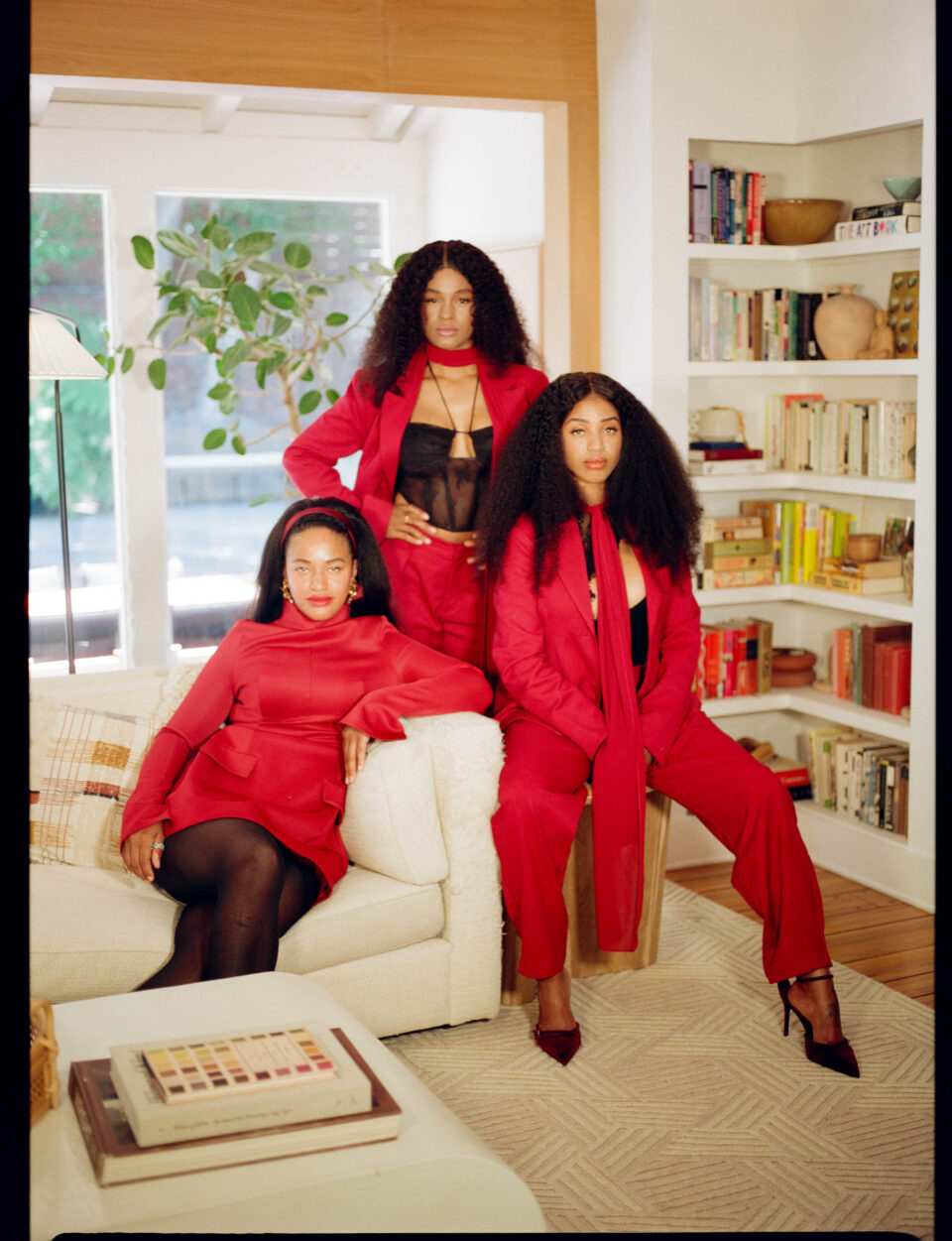
As soon as the contractual obligations were satisfied, the sisters and Roth immediately rekindled the chemistry they’d begun forging a decade earlier. “Once we got them free, it felt great,” Roth recalls. “Getting back into the studio with them and even just getting together at their apartment or my living room, just working on songs, was really inspiring from the beginning. All three of them are very different singers, very different people, very different personalities. But there’s this Voltron way that they’re able to unite.”
Though this unique ability to seamlessly move toward each other’s best attributes as singers is a musical gift, it derives from the sisters’ tight-knit relationships as people. Explains Zeimani, “We fight for what we believe in because having somebody believe in you is hard to come by. That’s why we stick together so tightly; because we are a force. We really do inspire each other, and it creates this ability to go forth with our dreams and never give up.” This is a philosophy that applies to their lives as sisters, parents, children, and humans. “We’re that force for each other,” she continues. “It’s really important to have a great support system with anything in life. You’ll do your best if you have people to encourage you and to keep you grounded and just to know that when things do get rocky, it’s not that it’s not meant to be; it’s that you’re onto something great and anything worth having is worth fighting for.”
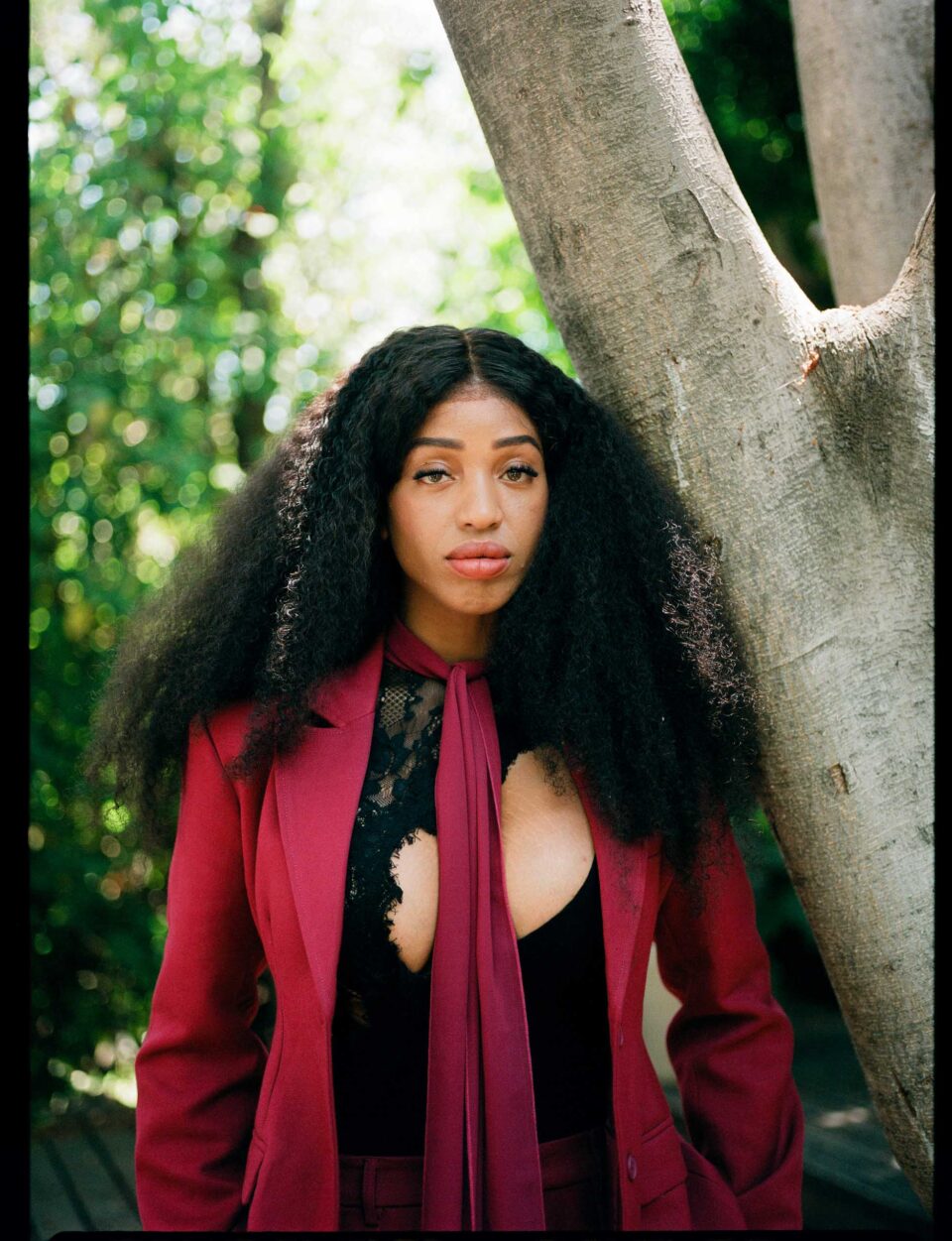
“That’s the beauty in taking your time with creating music: you’re able to incorporate the stages of your life in the stories and they make it so much more impactful.” — Zeimani Womack
For The Womack Sisters, this debut album confirms that every choice they made—every deal they turned down, every opportunity they said no to in service of the big picture—was the right one. “This industry will have you thinking all types of things, like, ‘Maybe this isn’t for me, I should go back to the drawing board,’” Zeimani says. “You really have to be very driven. That’s what I tell a lot of young artists. Your determination and your willpower is going to be the thing that saves you.”
As young singers, the sisters expected everything they were promised. Fast forward to 2026, they’ve seen the perils that come with being exciting up-and-coming prospects in a thankless industry. Still, they wouldn’t change their road for anything. “People were saying ‘no’ to us, just not necessarily seeing the vision,” Zeimani says. “We’d definitely experienced a lot more no’s than we expected, but we understood that everybody has their idea of what a star or somebody in the public eye should look like.”
These are lessons learned from decades in the music industry, but also from watching their parents, uncle, and grandparents face similar hurdles. “We watched people in our family struggle, seeing them at the top and still having to fight for the kind of music they wanted to make,” says BG. “We saw our parents put their own money into what they wanted. A lot of people don’t tell you what work ethic really means. It means that you’re basically paying for everything yourself.”
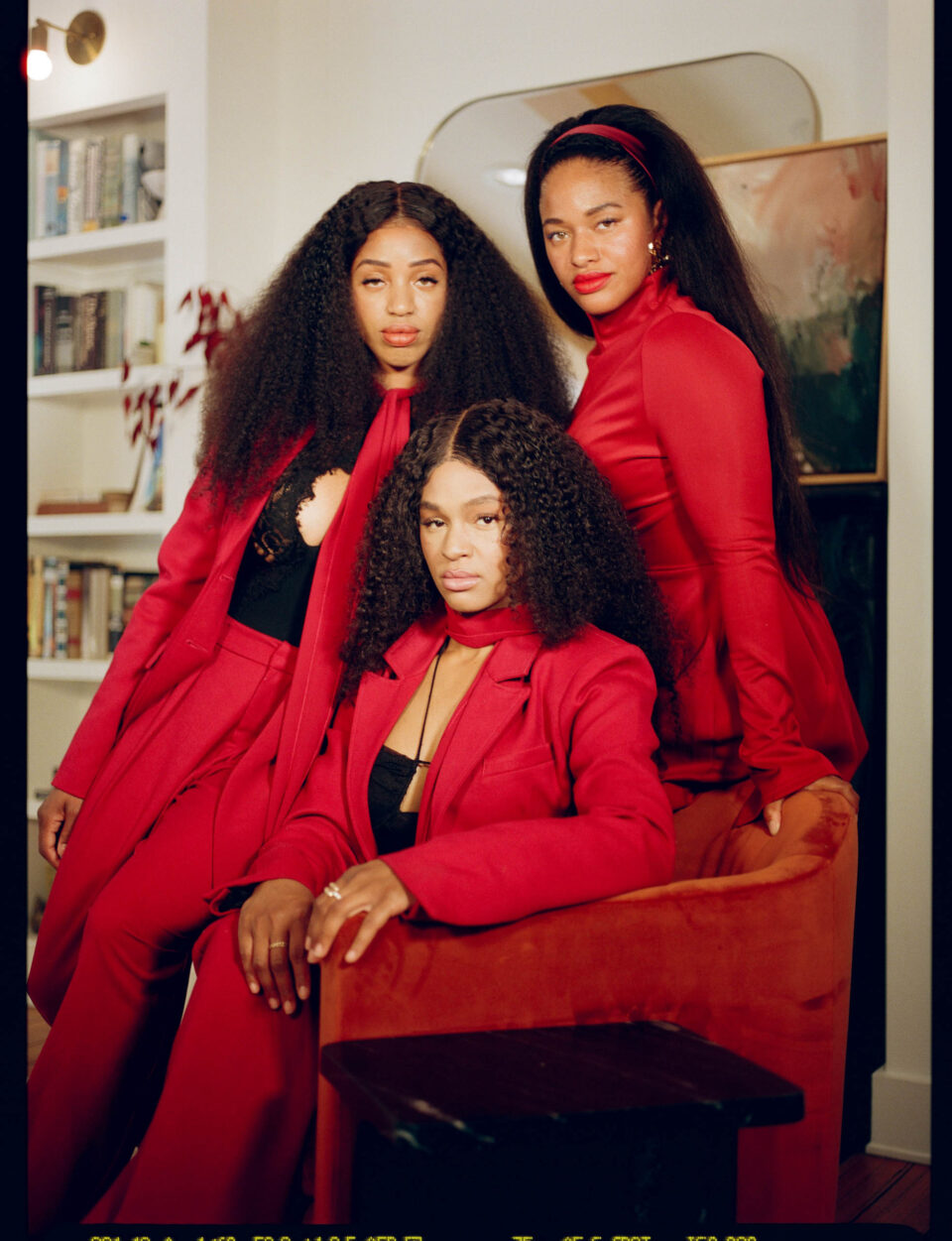
“All three of them are very different singers, very different people, very different personalities. But there’s this Voltron way that they’re able to unite.” — Daptone label head Gabriel Roth
Despite this, the sisters readily acknowledge that though their familial relationships opened some doors, it also turned some people off. They’ve had to fight back against accusations of nepotism, and The Womack Sisters is, in part, a statement about their talent as individuals—regardless of their last name. “The work speaks for itself,” Zeimani says. “I think that’s why we stayed in the cocoon for so long. We wanted to really bring something to the table that the world could take something from.” Adds Kucha, “We don’t really think about our parents and our grandfather in terms of competition, either. We just want to make something good. They did that thing amazingly. Let’s just hope we can get that far.”
The Womack Sisters have bided their time, they’ve paid their dues and have waited for this moment—one that’s finally arrived with The Womack Sisters, one of the best debuts of 2026 and a stunning entrant into the wonderful world of the historic Daptone Records’ discography. “We’ll never stop investing in ourselves, so we’re going to get where we’re going,” says BG.
No matter how long it takes. FL