



Julia Holter
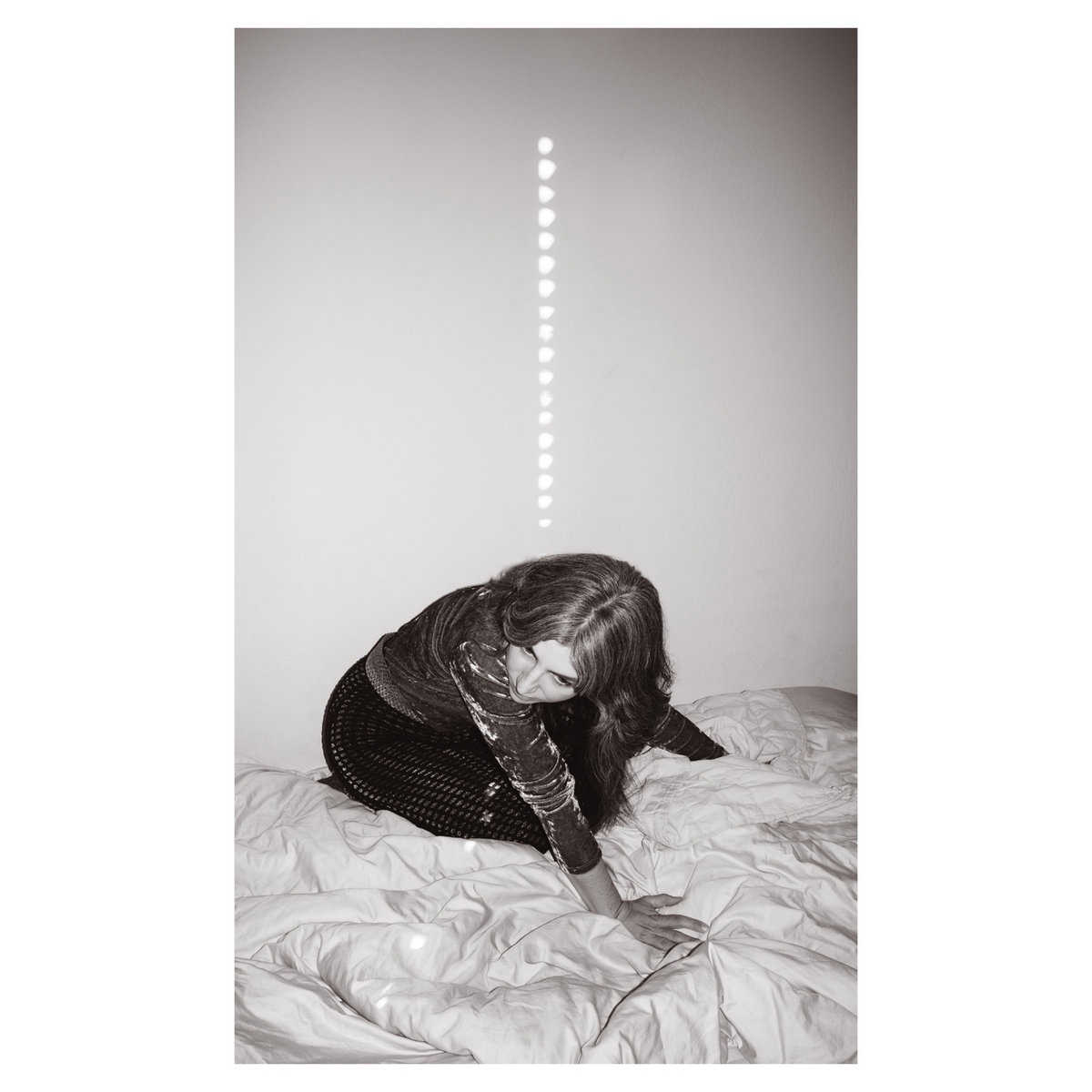
Materia
DOMINO
Landing somewhere between chamber music, ambient sound, jazz, and indie rock, Julia Holter has achieved a balance of technical mastery and pop artistry over the years. The LA-based artist studied music composition at CalArts (notably under classical composer Michael Pisaro), and that classical technical training adds an emotional shading to the rich, layered, and evocative songs heard on her latest record, Materia. Holter has a particular habit of prioritizing melody over technical theatrics, making her work feel vulnerable and allowing you to see her inner world without pomp. It’s far from simple, though, even if she can make her complex improvisations seem languid and effortless.
On Materia, Holter recontextualizes her past work by pairing those ideas with the new, creating something familiar yet a bit more surrealistic. Its production and melodies are lush and vibrant, while the imagery is poetically nature-driven, evoking Sara Coleridge’s “The Months” and William Carlos Williams’s “Autumn.” Melody and lyrics harmonize to transmute grief and hiraeth into something effervescent, turning an ending into a new beginning. The record begins softly, like the sound of gentle waves and wind chimes in the distance. “I need to learn to make the sweetness stay,” Holter sings on “The Laugh Is in the Eyes,” revealing that the beautiful imagery the song began with is just a memory she’s holding onto. The bright yet disjointed melody foreshadows this line, revealing that despite the mood of the sounds we’re hearing, something isn’t quite right.
“Fantasy” continues with the theme of her yearning for a time before grief. The song’s melody is reverberant and dreamy, with a Mixolydian feel—fitting for the track’s inherent yearning and need for escape. It’s synthy, almost Cocteau Twins–like, only (obviously) more explicit in its meaning. Despite the beauty of the track, there’s an encroaching sense of melancholy evident. This emotional motif is present throughout Materia; you can feel it when the melody turns more dire, or when an arrangement becomes a bit more disjointed or dissonant. Holter’s brilliance lies in how she transforms those feelings.
In the finale, “Materia 3,” Holter melds heartbreak with hope, creating something new. “This version of love / I can dwell on / In the musing / Unending line,” she sings as she looks beyond her past and present. This is the true power of Materia: its ability to transform emotions through symbolic language and melody. It hits right at the heart, gently, like the fire in a warm stuga in the middle of winter. You just have to sit with it.
