



Lily Seabird
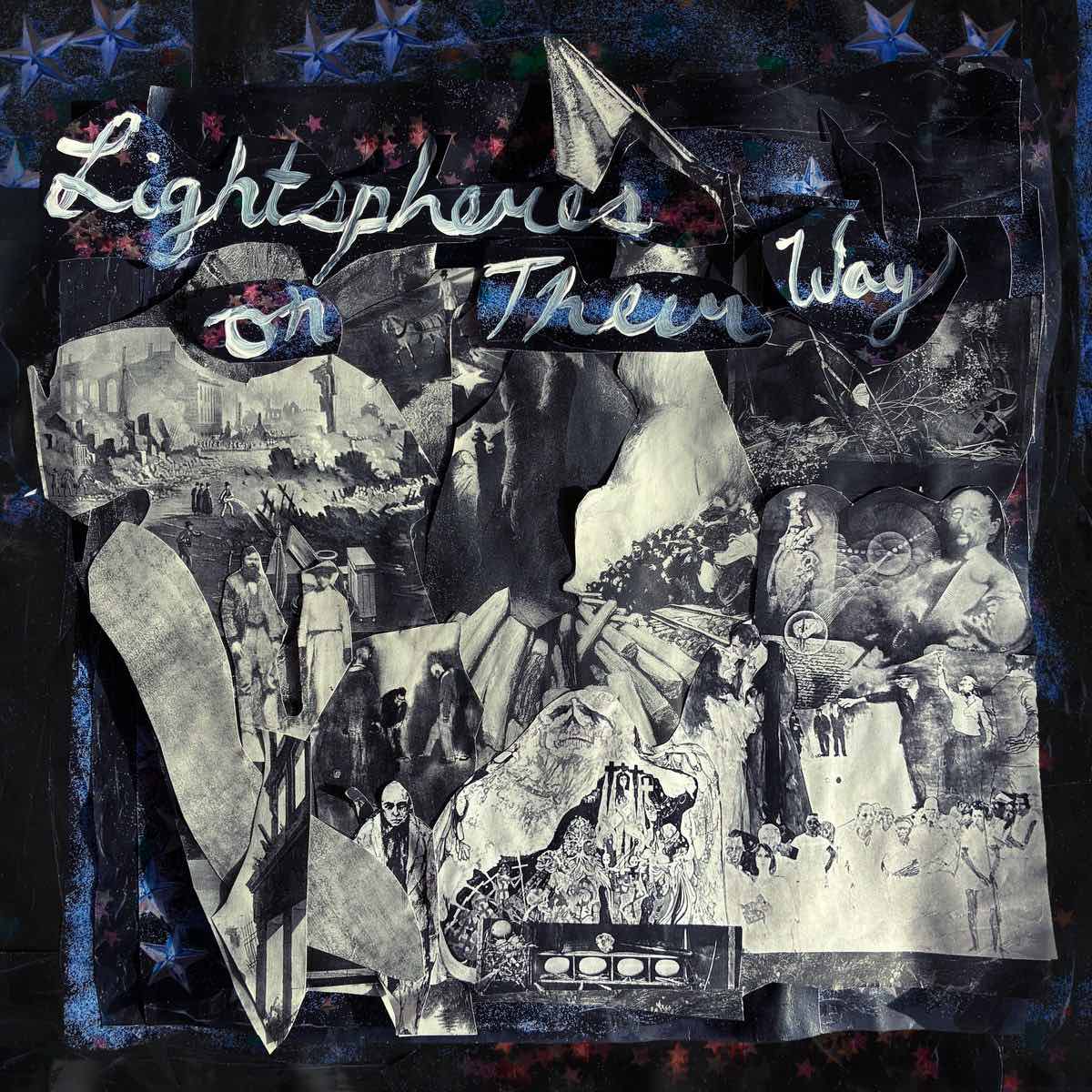
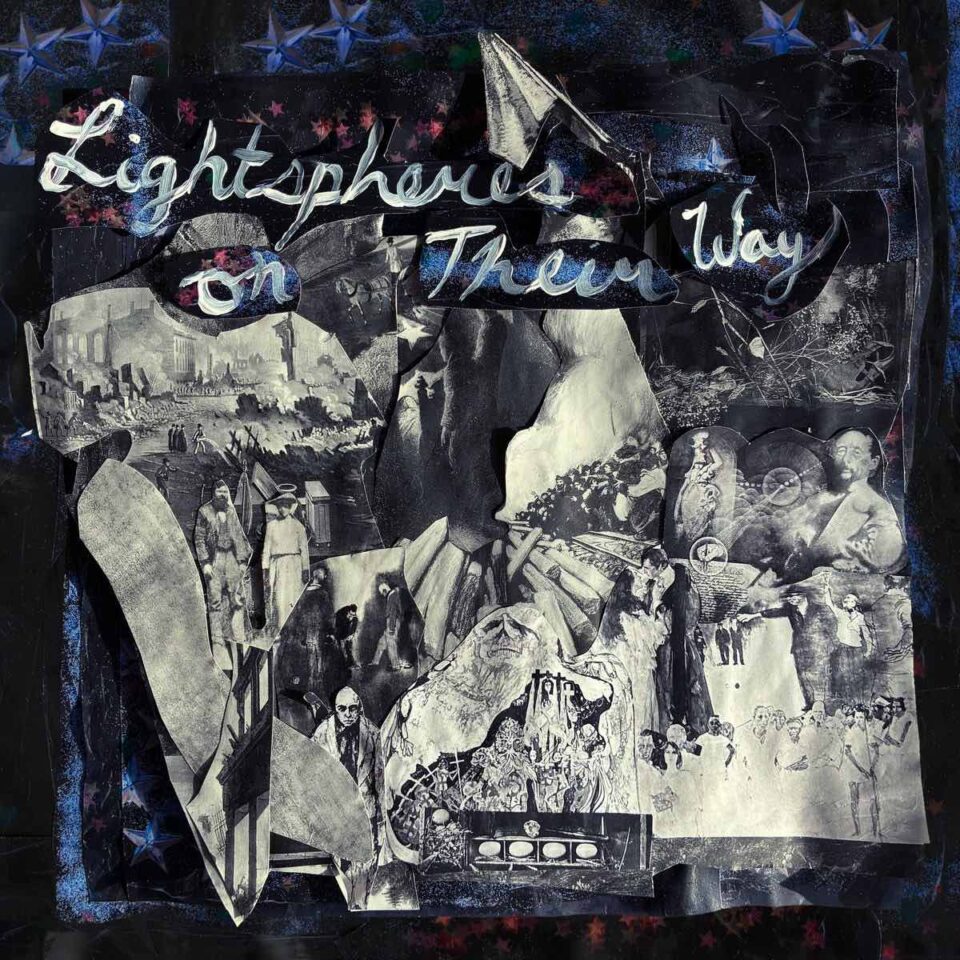
Lightspheres on Their Way
LAME-O
Lily’s Seabird’s music has always had a bit of a rambling quality. Even her tightest, sub-four-minute songs find a way to bleed beyond the borders of their foundation. Most of that can be attributed to Seabird herself, a bandleader with the snarled resilience of Lucinda Williams and the poetic fancy of Adrianne Lenker. Songs seem to tumble out of her—as if arriving almost out of some reluctance—for everyone and no one at the same time.
This discursive quality is one of the driving forces of Lightspheres on Their Way—her second effort for Lame-O Records—and seems, more than ever, motivated by the thick stew of anger and dejection, its aroma hanging in the chilling October air. You can only maintain motivated irritation for so long before the perseverance itself becomes infuriating, and at times Seabird seems to rail against even her own place within the equation. “Is beauty the pulley? / Your mind the weight?” she asks in the album’s opening lines before attempting to tip-toe along the “great divide of the living and those who chose not to.” This last lyric is delivered with a scattershot bit of vitriol for all involved—including the singer herself.
“The Pulley” very much serves as a table-setter for what follows, the song’s harmonium backing creating an elegiac effect that runs throughout the record. At its best, Lightspheres on Their Way embraces this quality, creating a stretched and crooked canvas that highlights Seabird’s and-another-thing lyrical instincts. Songs like “Bindelstiff” and “Pennsy” exist in the very moment a minor complaint becomes existential diatribe—where even the ranter might lose the plot, but never the anger. The latter in particular is smeared with the kind of sense memory that remains true even as it defies logic. “In my mind, it’s a memory of a terrible film / No heroes, no villains, just a shitty world,” she sings before skimming across drenched watercolor dreams. The way Seabird sings these lines—with reserved, clenched resolve—only hammers the point home harder.
Elsewhere, like on “Slipswitch,” this dirge-like quality can make for too much void and not enough meaning, its formlessness making it impossible to hold onto for long enough to parse Seabird’s self-contained ramblings, the point at which even the truest sentiment falls on deaf ears. The record truly shines, though, when Seabird’s unrestrained emotion meets the full, honey-slide rancor of her band and its influences. The record’s hingepoint is “Portal to the Past,” a seven-minute stumble-along like a midday drunk before unravelling, the band locked in a Crazy Horse groove while Seabird slices through the mix with some of her most impressive vocal work on the record. It’s in these moments that Seabird’s embittered gloominess manages true escape velocity.
