

Caspian
Caspian
WAX BODEGA
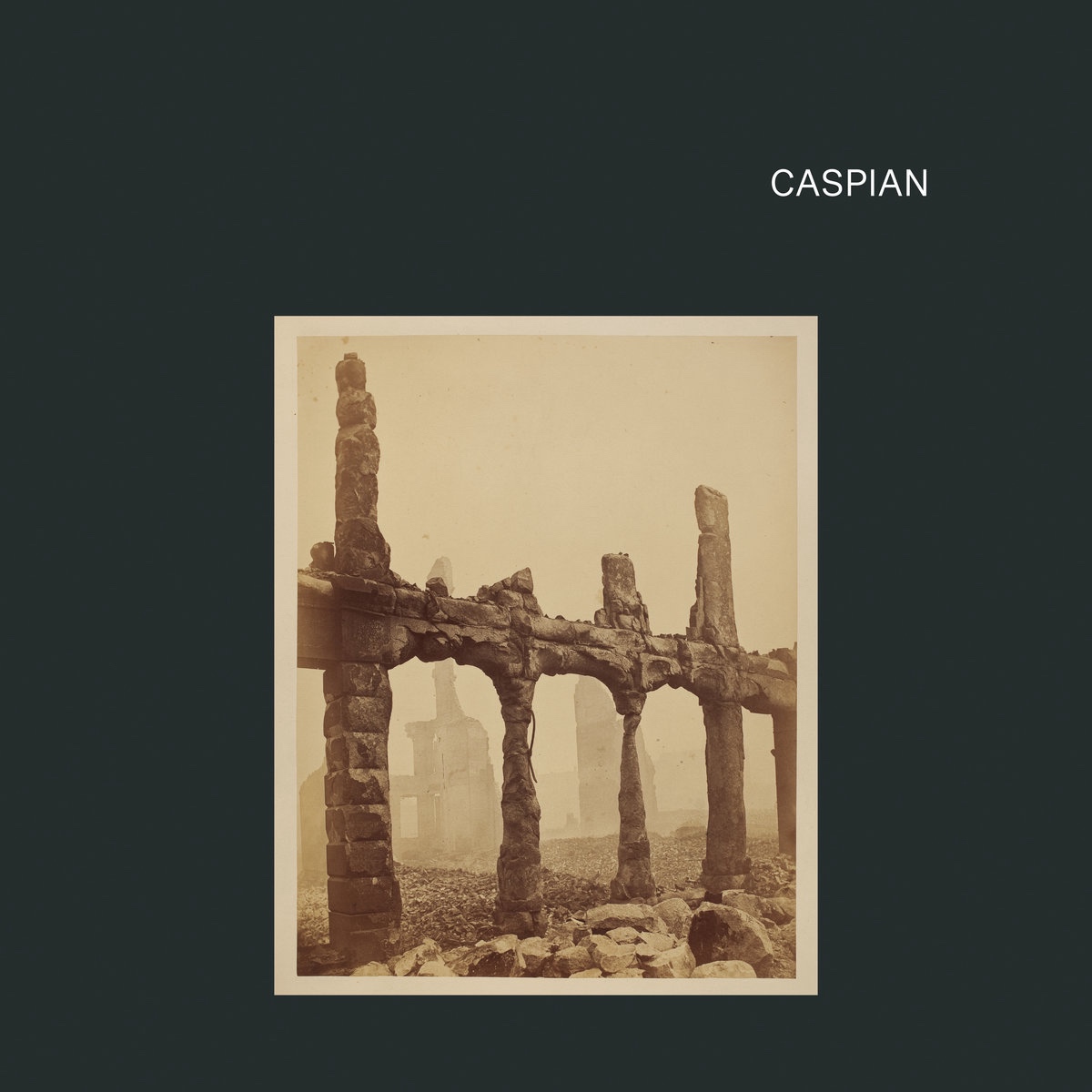
Simply by virtue of their configuration, instrumental post-rock bands are at an inherent disadvantage when it comes to building an ardent fanbase. The intrinsic cultural function of rock music involves participation and interaction with crowds that create community, camaraderie, and even revolutions. Caspian overcame that obstacle fairly early in their career, thanks to the two central ingredients of success in every aspect of life: talent and timing. The Massachusetts band began to congeal in 2003, around the time Mogwai and Godspeed You! Black Emperor were exploding in popularity. A bevy of other post-rock instrumental bands cropped up in the ensuing years, but what makes Caspian special is their hunger to not simply create instrumental music suitable for film soundtracks but to let what could be referred to as their invisible sixth member—or spirit, if you will—guide them into the far reaches of their soothing sounds.
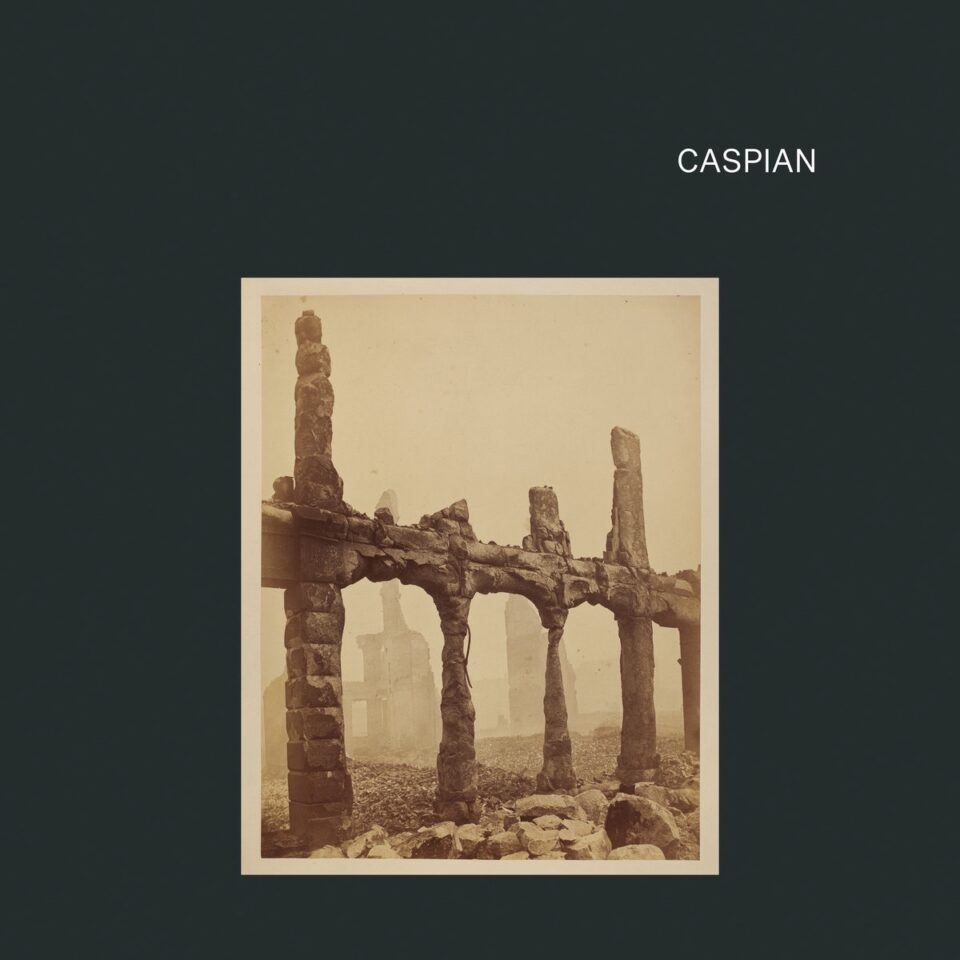
For a group that doesn’t say much (they did begin incorporating vocals into their songs starting with their fourth record, 2015’s Dust and Disquiet), the simple act of self-titling their sixth record speaks volumes, so to speak. For one thing, it was unclear whether the band would continue to exist, as six years—the longest dry spell in Caspian’s career—elapsed between their penultimate effort and this new release. For another, the band decided to return to their roots, at least in the sense that they reverted to eschewing vocals. They spent a considerable amount of time during that quasi-hiatus reflecting on their past releases and striving to self-actualize the true essence of the project. In that sense, as well, the fact that this record is named Caspian is a statement that no other release of theirs fully captures what the band is about.
And that, of course, begs the question: Who are Caspian? They’re a balm for the soul, as evidenced by opener “Hiraeth.” On the glorious “Far Country,” Caspian prove they can unbox joyful delight, which many of their contemporaries aren’t able to do. They’re storytellers of epic songs without words, best exemplified by the most essential track on the album, the 10-minute “Remain.” Caspian can also be devious, as demonstrated by the seductive and sexy “A Great Fire.” They’re able to overcome depression, the mood that permeates “No One Left to Tell,” by the end of which they’ve soared to near-blissful heights. And they’re able to acknowledge and cope with death, which is how they close the last song, “Waltz for the End.”
If this sounds like a record that effectively embodies the journey—if not the meaning—of life, then you’re correctly interpreting my assessment of the most philosophically stimulating record I’ve heard this year. It’s cliché to say “there are no words” for something that a person then uses words to describe. Caspian resist that temptation and prove their integrity by expressing their view of existentialism in a manner that’s equal parts monastic and mellifluous.
