
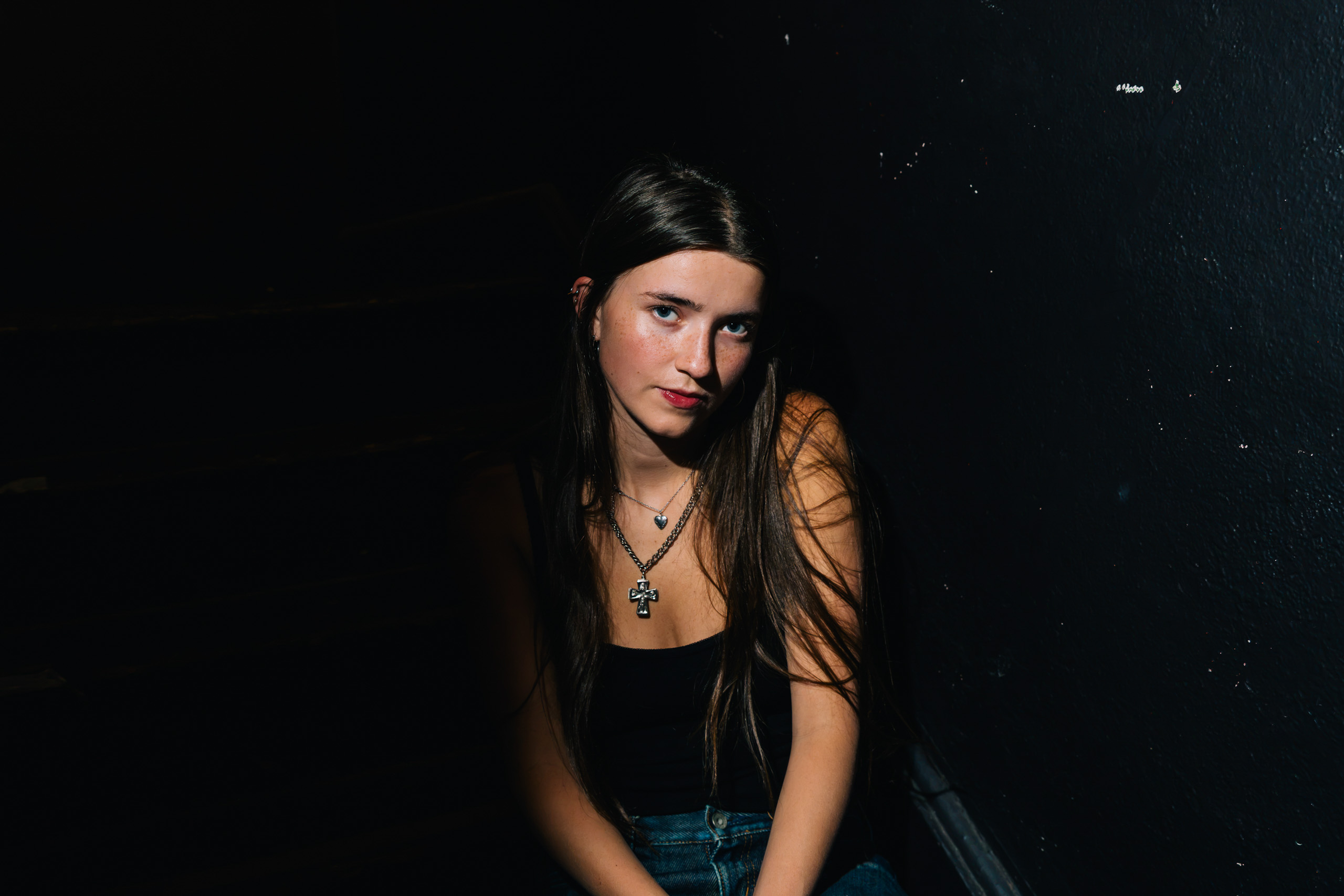

BACKSTORY: With a sound that floats between alt-country, indie rock, and psychedelic pop, Ogier has become one of the most exciting new voices in alternative music
FROM: Houston, Texas, but currently based in LA after establishing herself as a songwriter in Nashville
YOU MIGHT KNOW HER FROM: Collaborations with Dominic Fike, or tours with Hovvdy and Whitney
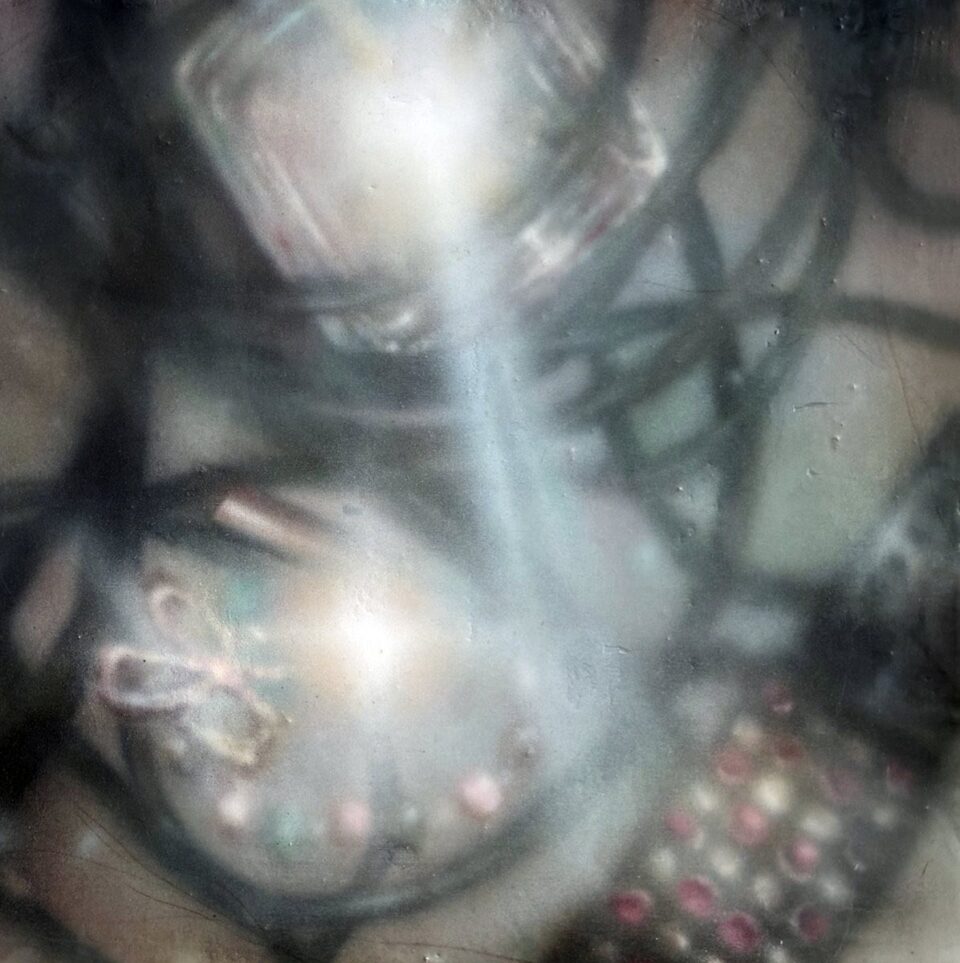
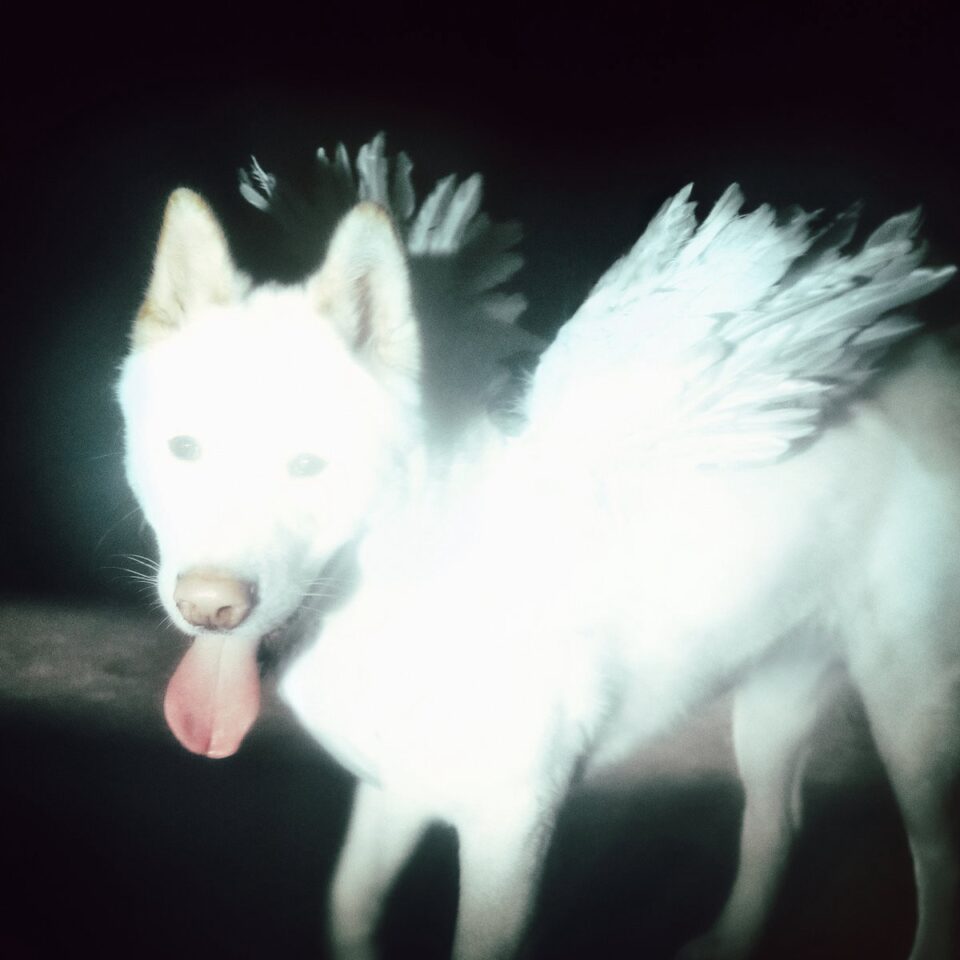
NOW: Signed to Lost Highway, Ogier, her band, and producer David Baron present Fly 1111, one of the most exciting debuts of 2026
The fans, the accolades, the TikTok streams, the anointing from the industry as the next face of whatever alternative music looks like in 2026 and beyond—it’s all nice, but that stuff doesn’t matter a whole lot to Emma Ogier. The Houston-born songwriter, who recorded much of her debut LP Fly 1111 as a resident of Nashville before recently moving to LA, was gonna do this anyway, regardless of how the music was received. She’s one of those songwriters who couldn’t conceive of doing anything else with their lives, a sort of confidence that eradicates any questions of a backup plan. For Emma Ogier, there was never a plan B, because plan A was always going to work. It had to.
“I’ve always been like, ‘I’m going to do this no matter what—if people like it, that’s awesome, but I’ll still write songs even if no one does,’” she tells me over Zoom. The point is moot, though, because people like the songs—“Baby Don’t Hurt Me,” a hypnotic folk-rock cut that splits the difference between Big Thief and Phoebe Bridgers, has already racked up well over a million streams on Spotify alone since its February release. More recently, she made her presence felt on the new Dominic Fike LP How to Quit Smoking, joining the songwriter on “Small Town” and “Cabby.” The respect of songwriters she studied as a student and aspiring artist is the only affirmation she needs to keep going. Few young musicians receive co-signs like Ogier has, with artists like Ethel Cain and Clairo among those who’ve already professed their fandom. She’s been on tours with Hovvdy and Whitney, and in the new year she’ll even perform as a member of Bright Eyes in Brooklyn.

“I’ve always been like, ‘I’m going to do this no matter what—if people like it, that’s awesome, but I’ll still write songs even if no one does.’”

It’s all happening for Ogier, a rise she traces back to GRAMMY week. “Last January I came to LA. I was definitely in a weird spot because I hadn’t put anything out, but my record was done,” she recalls. “I hadn’t really shown many people. I met some of my favorite songwriters in the whole world and they loved the album. I remember having this insane newfound confidence.” She remembers it as the boost she needed to keep adhering to the singular vision she began crafting with a close group of collaborators—including her brother Aidan, with whom she headed west to LA. “I honestly don’t need anything else besides these people who I’ve respected and loved for so long to be like, ‘We love your music.’ That was enough.”
It’s clear what it was that those songwriters (she cites Harrison Whitford by name, for one) heard in Ogier’s debut album. It’s electrifying and urgent, yet Ogier always remains in control. Her voice always leads the charge, but is never domineering. She floats between alt-country, indie rock, and some intoxicating abstraction of psychedelic pop, all animated by her ability to write unrelentingly catchy hooks and lyrics that are both thematically provocative and sound good. Take “Rocksteady/HeavyMetal." I don’t really know what those words mean when sung one after another, but it’s fun as hell to say, and the feeling of the song is reiterated in the way she repeats the line, “’Cuz I don’t wanna leave you behind.”

“I honestly don’t need anything else besides these people who I’ve respected and loved for so long to be like, ‘We love your music.’ That was enough.”

Elsewhere, “The Prize” is a throwback to country stars of yore, with Ogier sitting around the campfire and lamenting a love that’s gone away. “Leave the door open / This heart will stay broken ’til I make you mine,” she sings. The vocal harmonies and piano give the song serious melodic weight, and Ogier offers up one of her most unvarnished vocal performances on the record. It’s a rawness she brings to each song on the LP, but there’s something particularly vulnerable about “The Prize” between the way Ogier sings and the crunching guitar melody that seems to grow out of the earth.
This immediacy was a chief goal of Ogier and her band when they recorded Fly 1111. When I ask her about the co-signs, the legions of songwriters who’ve stamped her work, I was curious as to what she thought these artists find so exciting about her. At first, Emma says she has no idea, but upon a bit of reflecting, she comes to the thought that there’s an approachability to the work that might be unique. “Maybe because it’s dangerous in the fact that the record doesn’t sound perfect. It’s not super clean-cut, and it’s a band playing the songs,” she explains. “People are looking for something different right now, and there’s a lot of stuff that you’ve heard 500 times. People are looking for something new and real artistry.”

“People are looking for something different right now, and there’s a lot of stuff that you’ve heard 500 times. People are looking for something new and real artistry.”

Ogier makes it clear that she’s not discounting any artists who prefer to follow popular trends or are honest about the factors that drive their songwriting. Something she’s noticed with the figures she’s worked with is that there’s a thoughtfulness and seriousness to the work; passion and purpose drive the mission forward. “What I’ve heard a lot is, ‘You're a real artist.’ I’m not sure I know exactly what that means, but I do have something to say that’s maybe different.” What she has to say is primarily for herself, but once Fly 1111 makes its way out in the world, the message changes; it becomes something else. “I just want it to be about whatever people need it to be about, and whatever they can take from it—it’s theirs,” she explains.
This is the POV of a lifelong music fan, the sort of listener who knows what happens when a song connects in that certain way. An artist can be singing about their own life, but the song’s not about them. It’s about the listener. “It’s autobiographical, and it’s for me. I write the songs to help myself understand something and get over something, or not have a real fight about it,” she explains. “I can fight the feeling and then just be like, ‘OK, I’m done here.’” That’s when her journey with the work ends, and the work she wants to make and fights for ceases to be hers. Once it’s in stores, Fly 1111 is no longer for Emma Ogier. It’s for everyone else. “Once it’s out, though, I’m like, ‘I really hope you’re not thinking about me. I hope it’s whatever you need it to be.’” FL

