
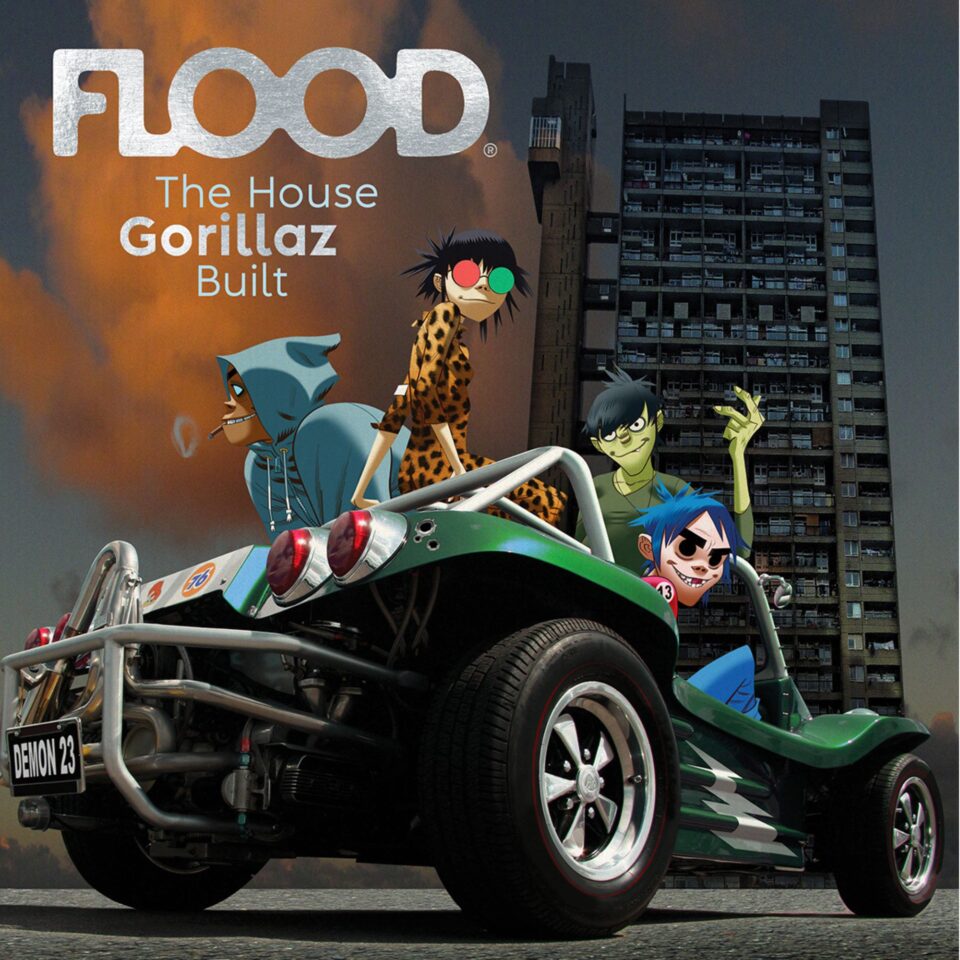
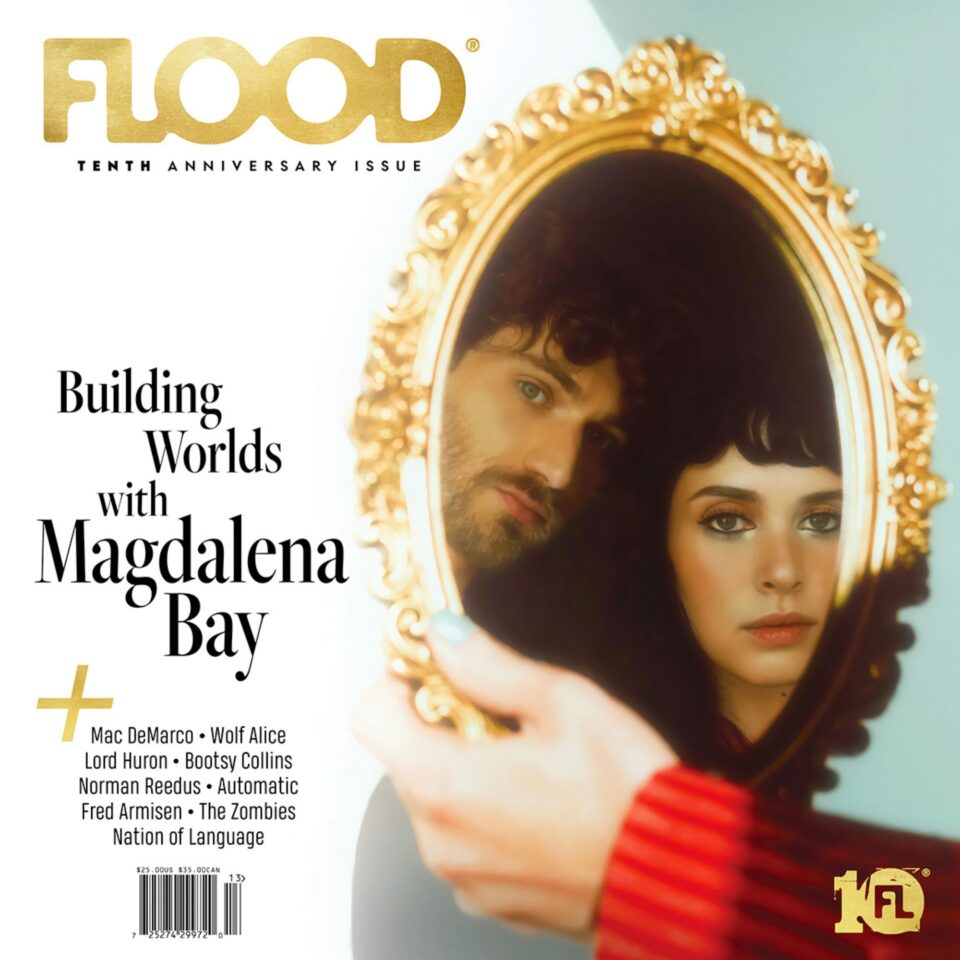
Celebrate our tenth anniversary with the biggest issue we’ve ever made. FLOOD 13 is deluxe, 252-page commemorative edition—a collectible, coffee-table-style volume in a 12″ x 12″ format—packed with dynamic graphic design, stunning photography and artwork, and dozens of amazing artists representing the past, present, and future of FLOOD’s editorial spectrum, while also looking back at key moments and events in our history. Inside, you’ll find in-depth cover stories on Gorillaz and Magdalena Bay, plus interviews with Mac DeMarco, Lord Huron, Wolf Alice, Norman Reedus, The Zombies, Nation of Language, Bootsy Collins, Fred Armisen, Jazz Is Dead, Automatic, Rocket, and many more.
Reviews
See All 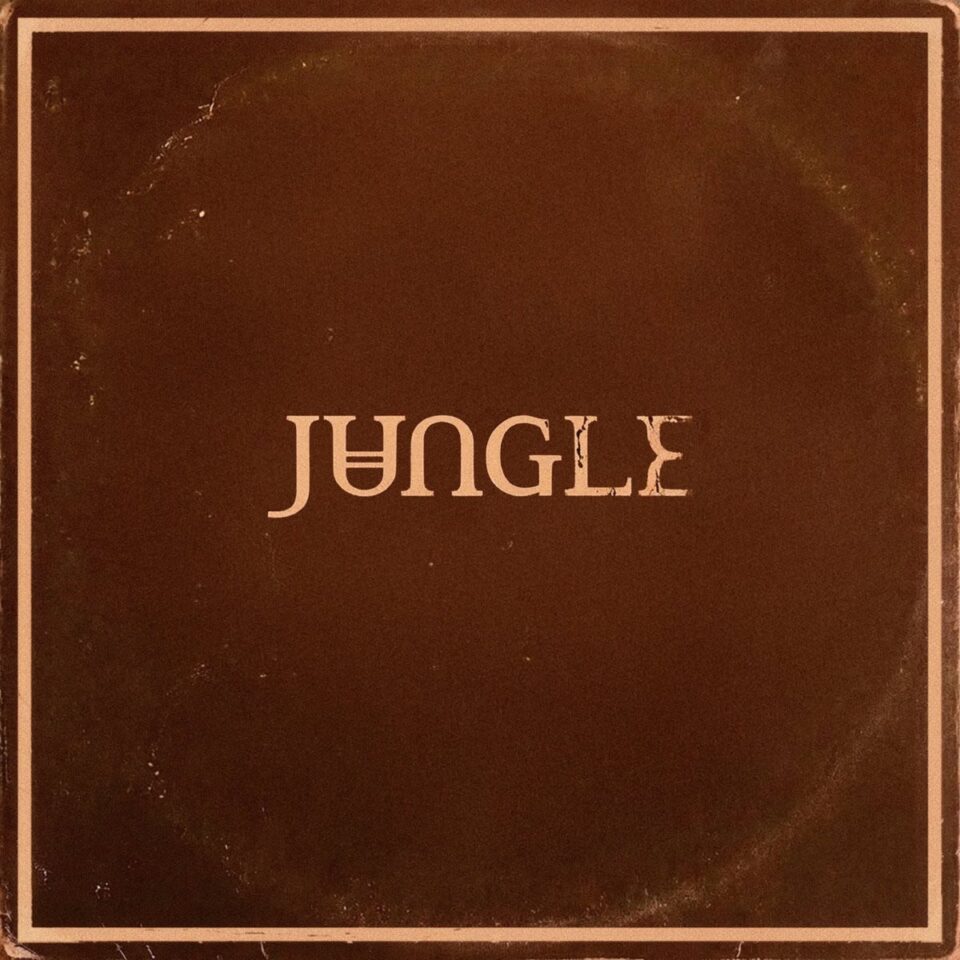

Jungle, Sunshine
Sultry, smart, and sophisticated, the London acid-jazz trio’s aptly titled fifth album is a bright, brassy soundtrack to a late summer’s dusk into dawn.
L’Rain, Fata Morgana
Taja Cheek’s complex fourth album pushes the boundaries of genre to create something shimmering and otherworldly.
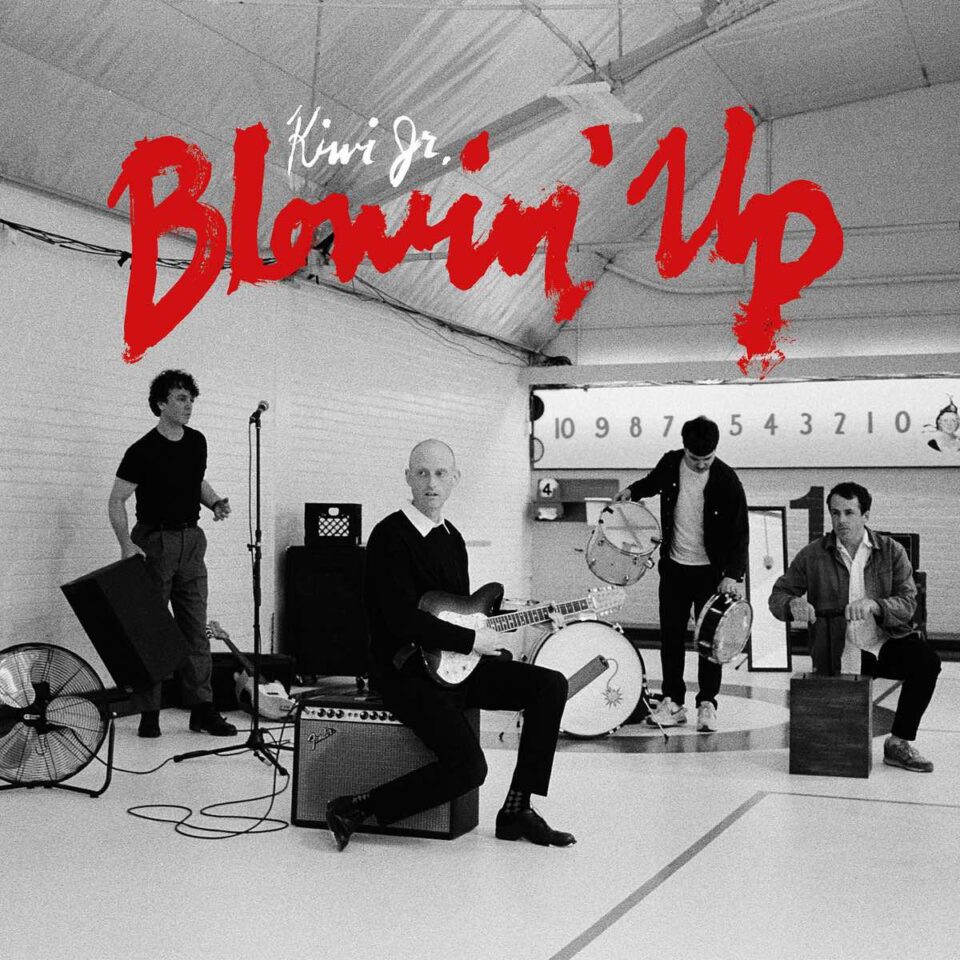
Kiwi Jr., Blowin’ Up
On an emotionally explosive fourth album of catchy quips about crime scenes, the Toronto jangle-pop band shifts from light-hearted procedural stuff to grisly noir.
Kurt Orzeck
Articles
See All 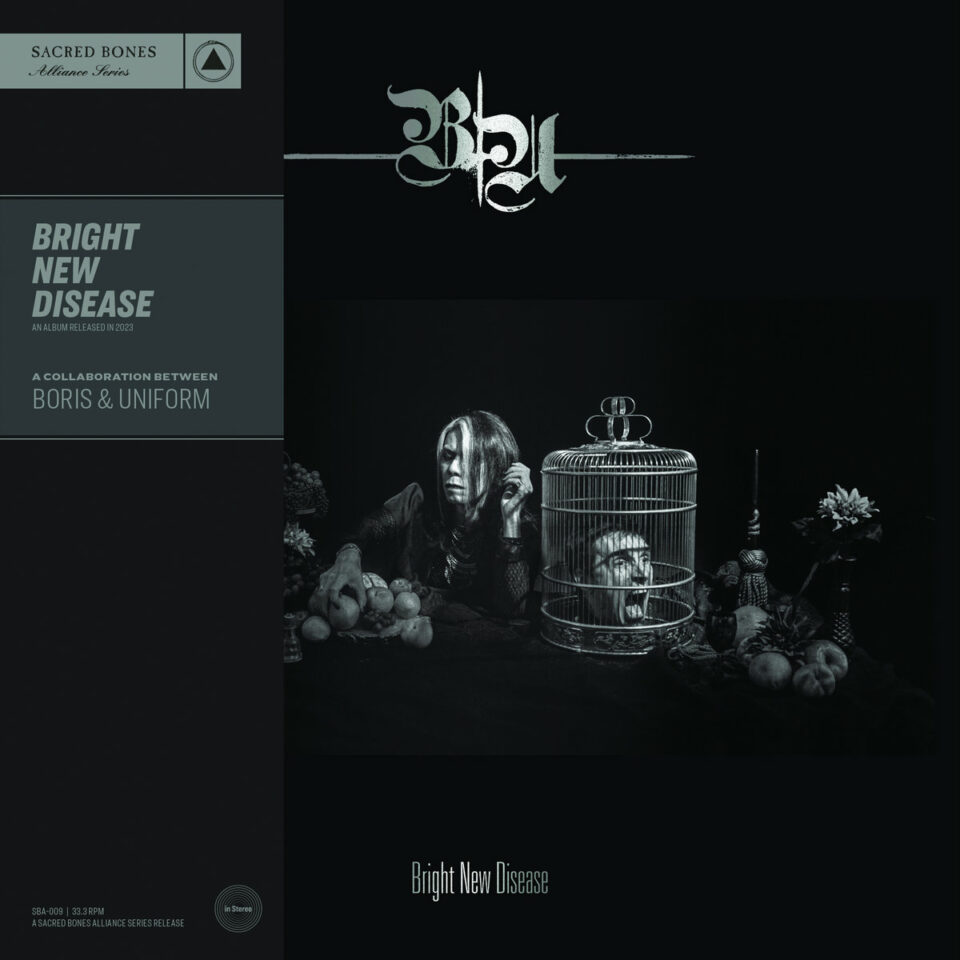






Load More
Reviews
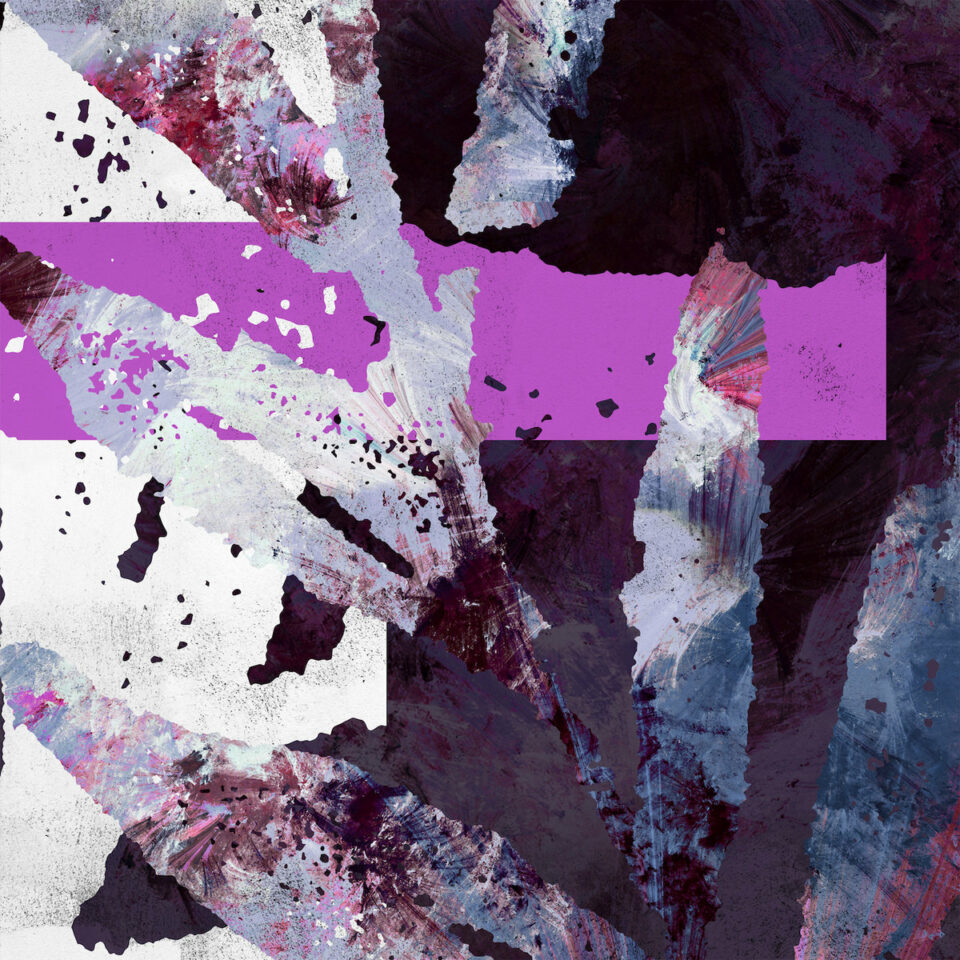
Boris & Uniform, “Bright New Disease”
Germinated during the metal bands’ 2019 joint tour, this exploratory collaboration covers plenty of ground between speed-metal blitzkriegs and epic-scaled drone.
June 20, 2023
Reviews
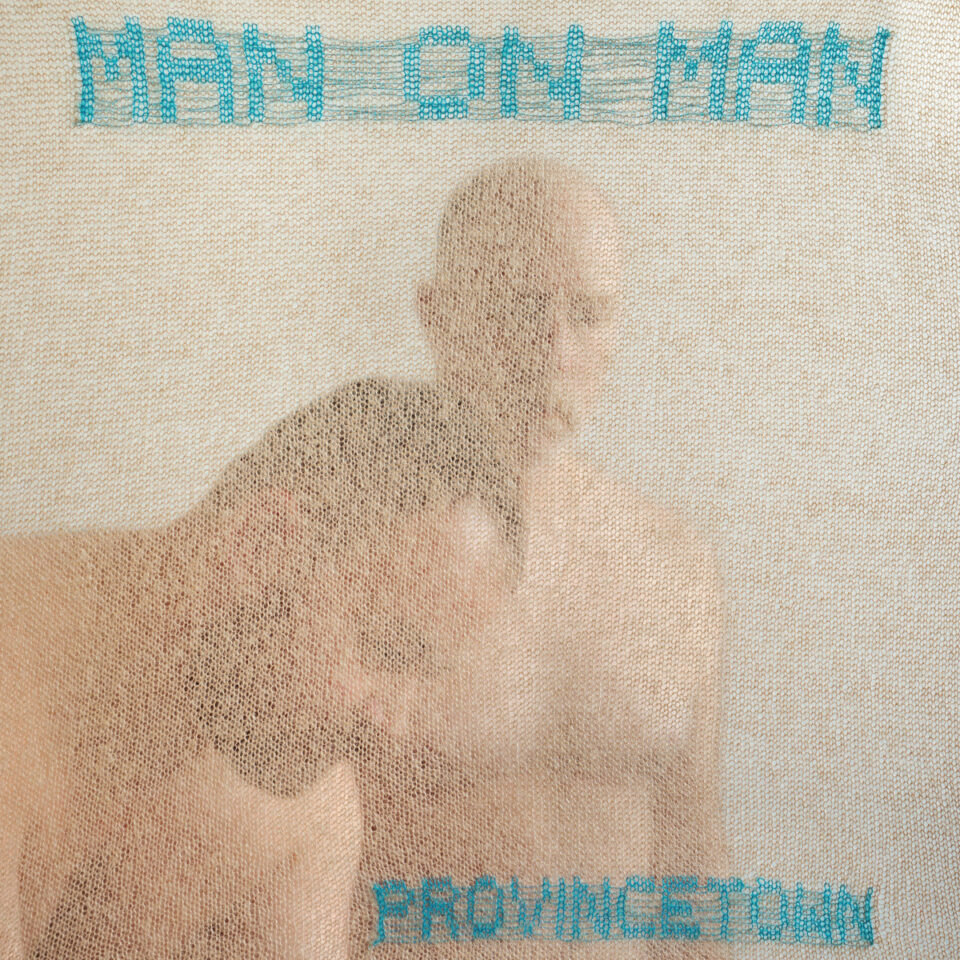
Man on Man, “Provincetown”
Roddy Bottum’s second record with partner and bandmate Joey Holman is as direct as Faith No More albums are enigmatic.
June 15, 2023
In Conversation
In Times of Struggle: Queens of the Stone Age’s Josh Homme on New LP “In Times New Roman…”
Ahead of the band’s eighth studio album, the frontman discusses change, acceptance, and the sonic brutality of their latest offering.
June 15, 2023
Reviews
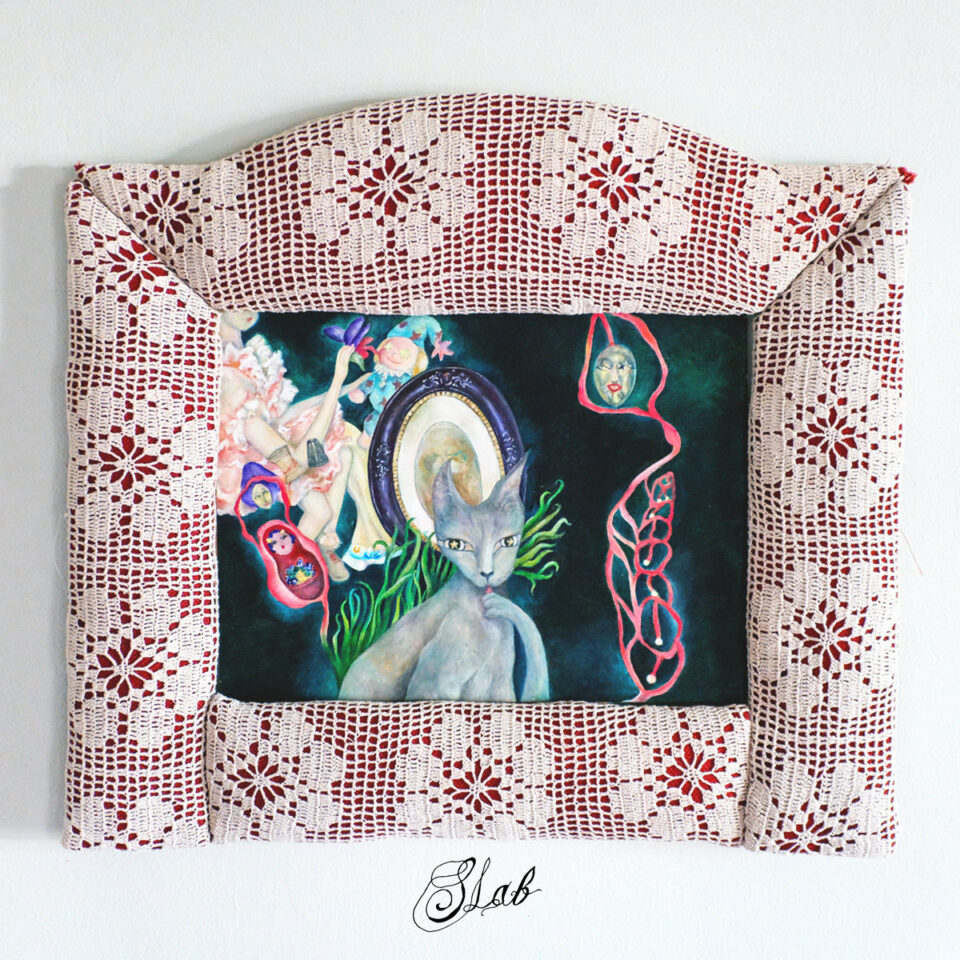
Wombo, “Slab”
The Louisville post-punks’ new EP sees them more toned-down than ever without a trace of their penchant for psych-rock to speak of.
June 13, 2023
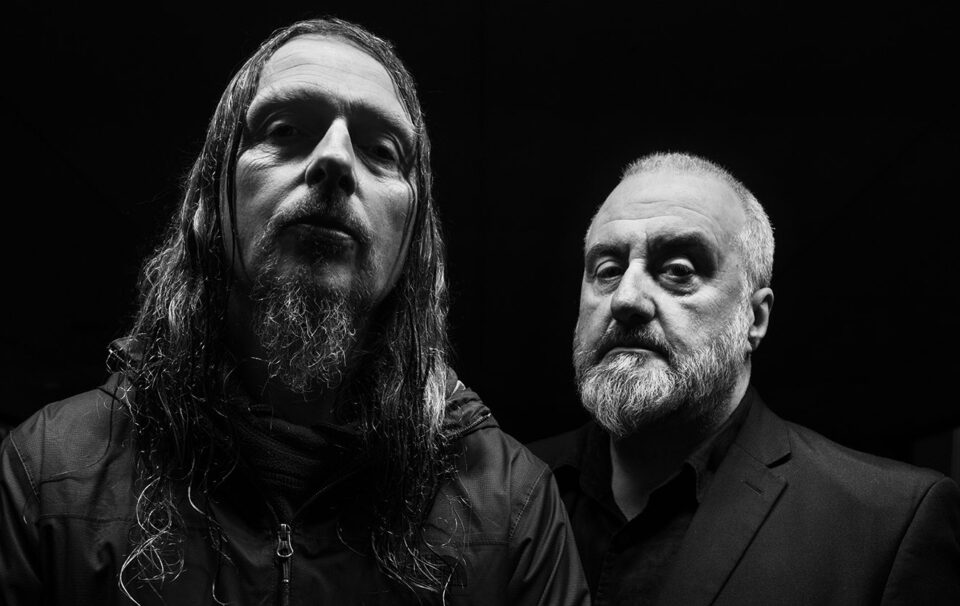
Long Live the New Godflesh
Ahead of the band’s headlining appearance at Oblivion Access this weekend, Justin K. Broadrick talks Purge—the industrial-metal duo’s first new LP in six years—and finding peace in the isolation of the British countryside.
June 12, 2023
Reviews
TEKE::TEKE, “Hagata”
Mischievous, unrestrained, and daring, the Montreal psych-rock collective’s second album boldly redefines a sound they’d already redefined.
June 08, 2023
Reviews
WITCH, “Zango”
The Zamrock trailblazers’ first album in 39 years is impressively coherent, far-reaching, and composed in terms of songwriting and the musicians’ relaxed delivery throughout.
June 02, 2023
Reviews
Gal Pal, “This and Other Gestures”
The LA trio boast breathtaking breadth on their second effort as their colorful canvas features gentle vocals carefully layered atop introverted math rock and light noise.
June 02, 2023
Reviews
Thee Oh Sees, “Live at Levitation”
This 2012 recording from the Austin psych-rock festival makes the argument that the band can prove their mettle in just 40 minutes.
May 19, 2023
Reviews
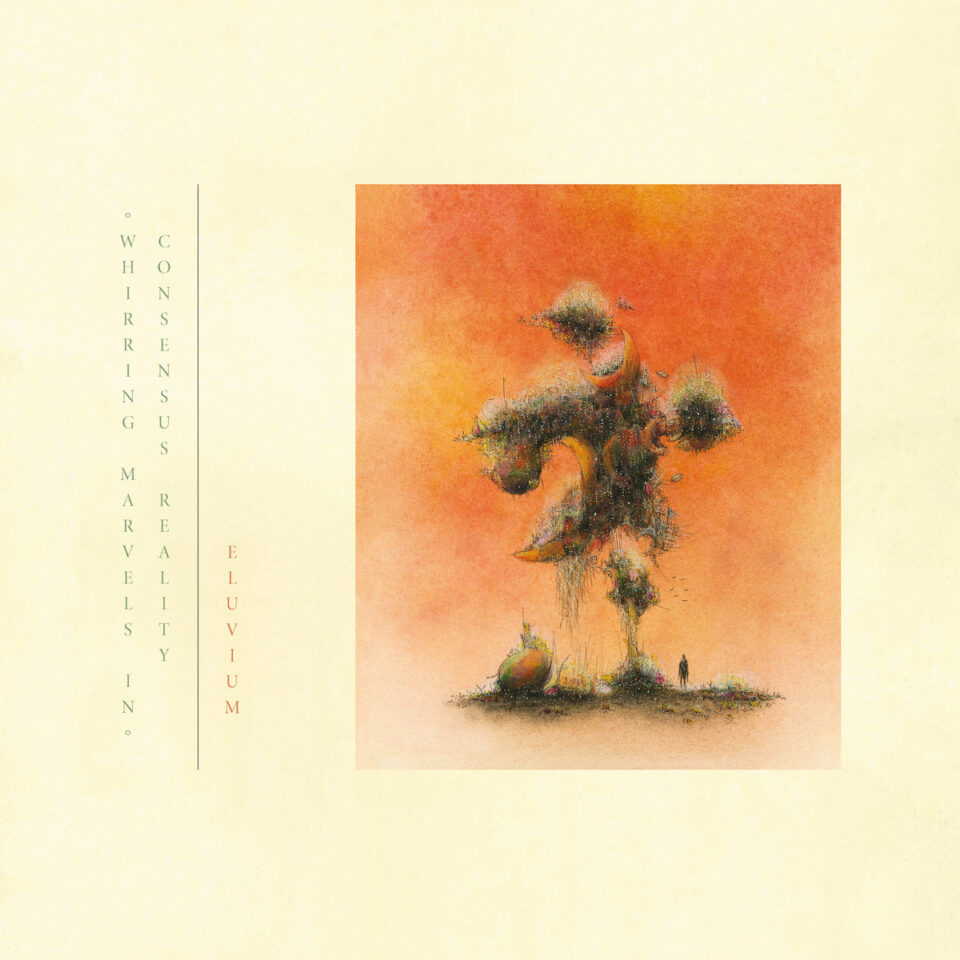
Eluvium, “(Whirring Marvels In) Consensus Reality”
The ambient outfit’s 13th effort is the fullest representation yet of Matthew Robert Cooper’s outlandish compositions, as it’s his first album to feature a live orchestra.
May 11, 2023
Reviews
Jeromes Dream, “The Gray in Between”
By mixing tones, textures, and time signatures, the recently reunited noise-rock outfit have concocted a luscious, irresistible, unpretentious punk sound.
May 05, 2023
Reviews
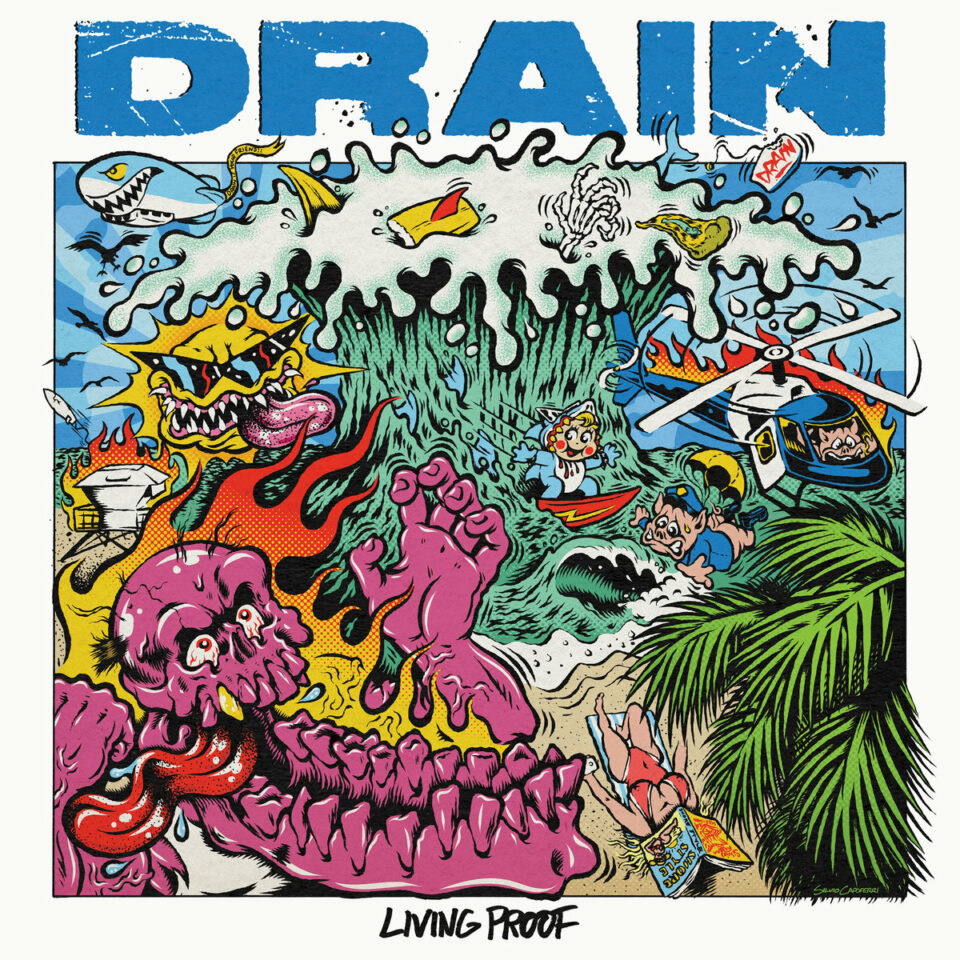
Drain, “Living Proof”
With their sophomore LP, the Santa Cruz hardcore group wears their experience on their collective sleeve and for the first time sound fully confident with their songcraft.
May 05, 2023
Reviews
The Album Leaf, “Future Falling”
In the project’s 25 years, Jimmy LaValle has never sounded this sullen—though guest spots from Bat for Lashes and Kimbra help to bring moments of hope and temporary joy.
May 04, 2023
Reviews
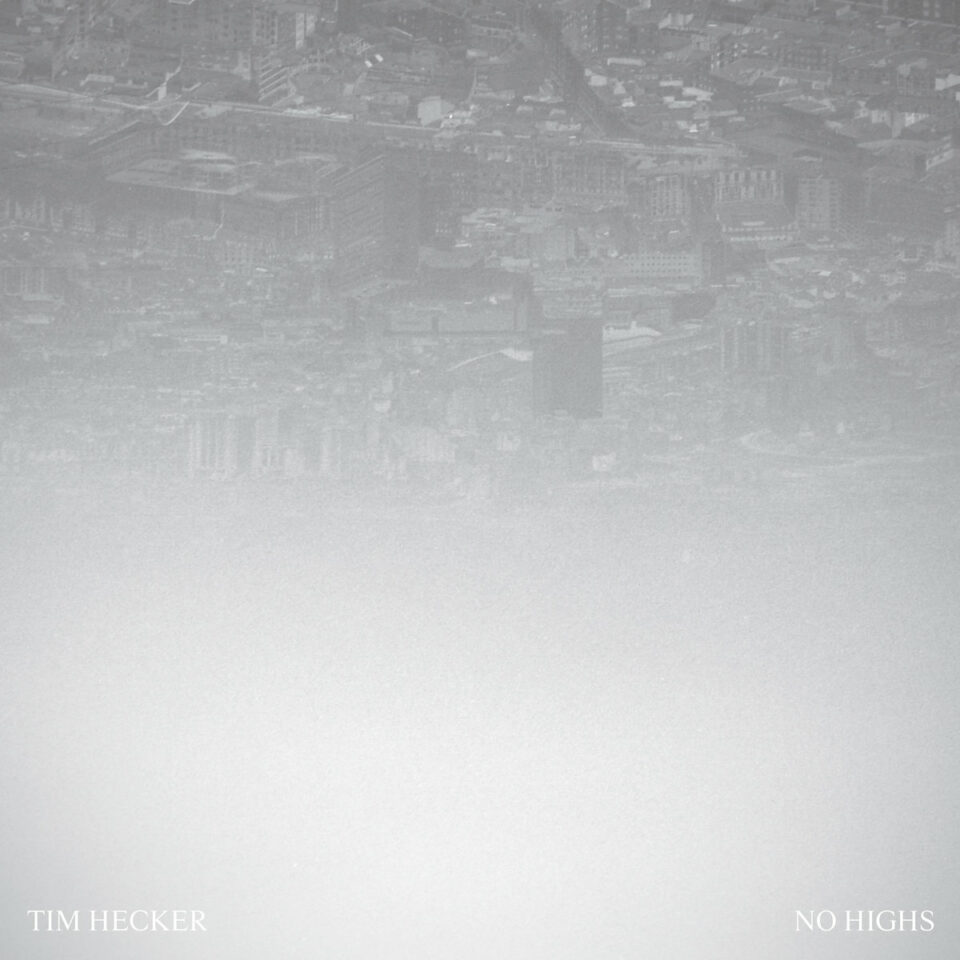
Tim Hecker, “No Highs”
The Canadian soundscape artist strips any semblance of sensationalism from his electronic music and thrills us like never before on his 11th solo outing.
April 27, 2023
Reviews
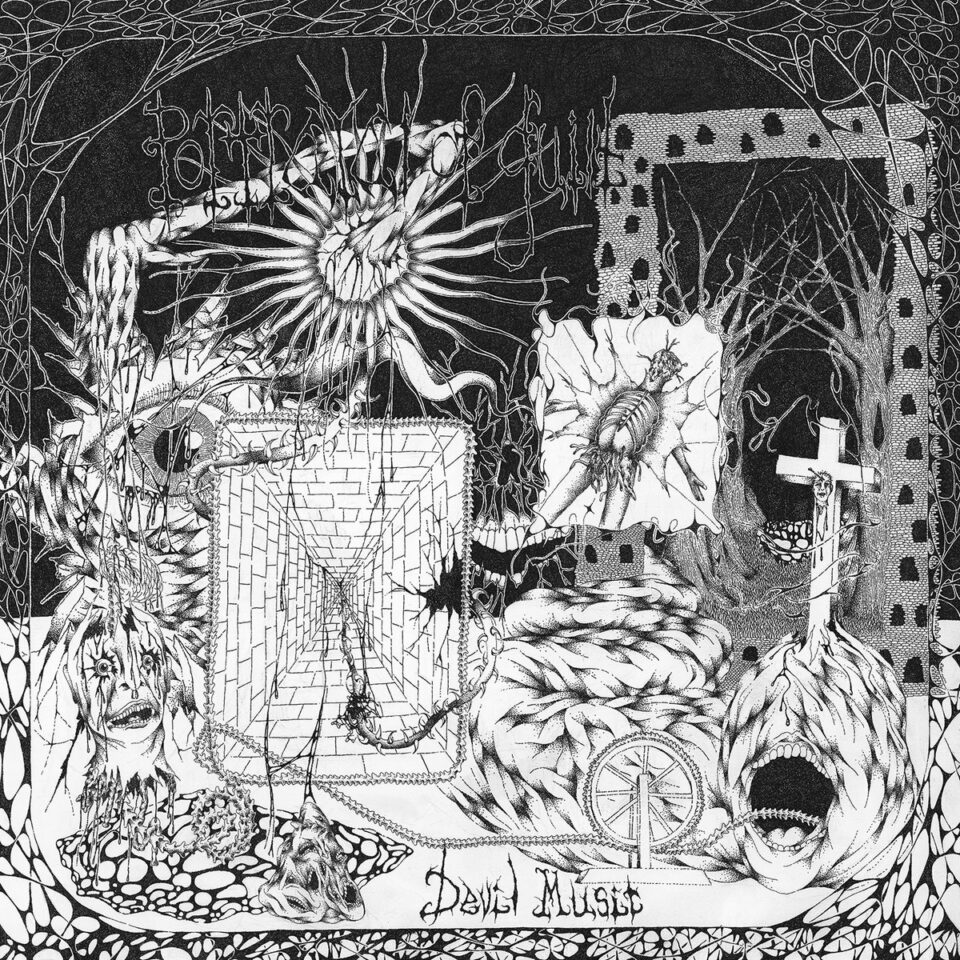
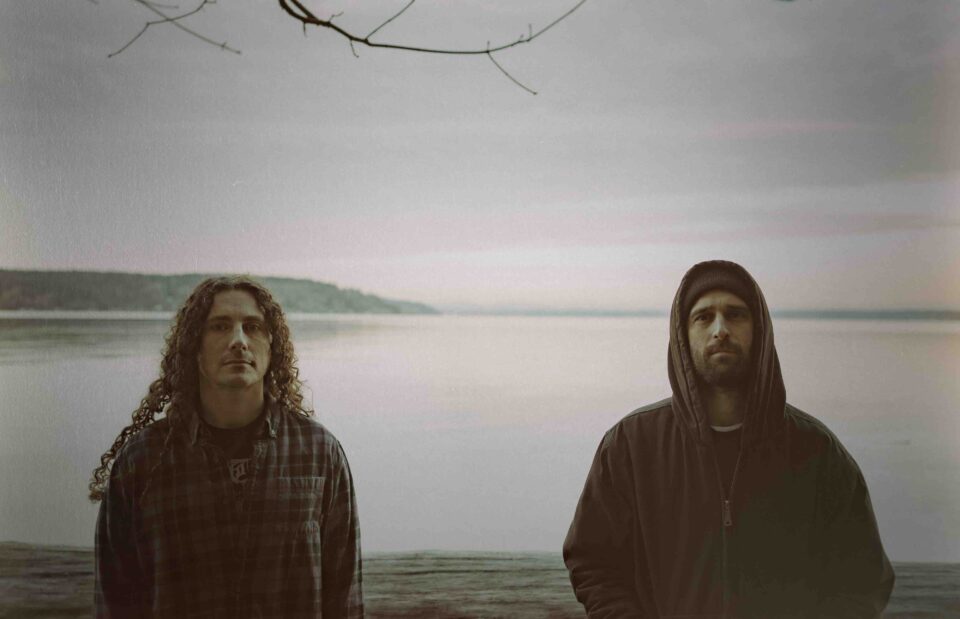
Portrayal of Guilt, “Devil Music”
The Austin trio uses their fourth album to upend preconceived notions of what heavy music can do—then flips the script halfway through.
April 20, 2023
Bell Witch Toll the Release of New Album with 83-Minute Song
The single-track The Clandestine Gate arrives digitally this Friday via Profound Lore, coinciding with the song’s live debut at Roadburn Festival.
April 18, 2023
Jesus Piece Jump Into the Unknown
Aaron Heard talks betting his life on his metal/hardcore crossover band ahead of their anticipated sophomore album So Unknown.
April 13, 2023
Reviews
Mast Year, “Knife”
The debut album from the Baltimore post-rock group taps into a wide range of emotions like much more experienced artists.
April 10, 2023
Reviews
FACS, “Still Life in Decay”
The Chicago noise-rock group’s fifth LP demonstrates that they’ve come a long way in understanding how to effectively use experimentation and space.
April 07, 2023
Reviews
Braid, “Frame & Canvas” [25th Anniversary Edition]
Reminding us of the critical role the LP played in the rise of emo, this remastered version is much shinier than the one Braid quickly recorded in five days in 1998.
April 06, 2023
