
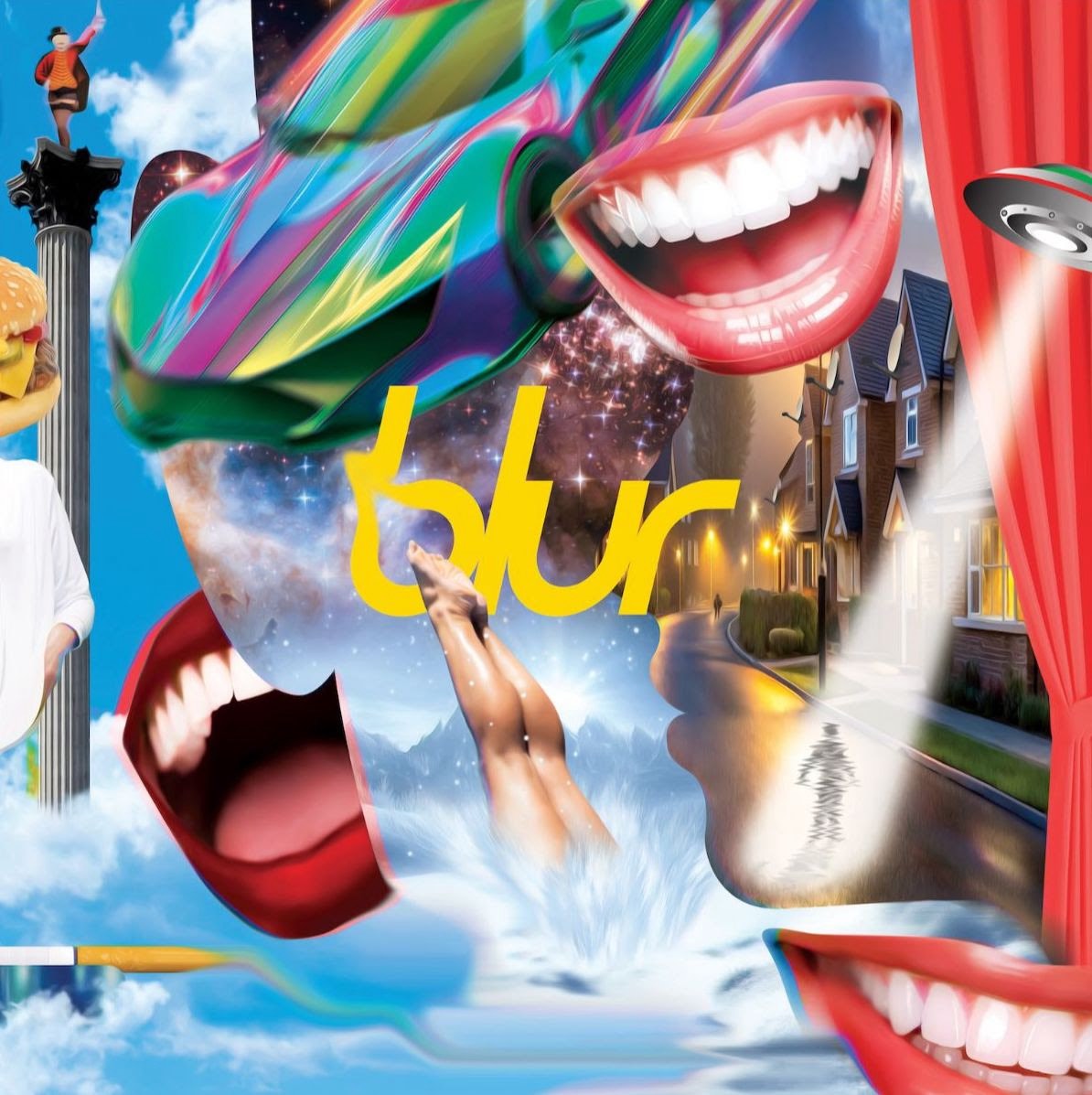




Blur
The Great Escape [30th Anniversary Edition]
PARLOPHONE
Pearl Jam vs. Nirvana, Brandi vs. Monica, Kanye vs. Fiddy: Everyone loved a rivalry at the turn of the millennium. Few rivalries seemed as bitter then—and futile now—as the one between Oasis and Blur, Britpop’s towering titans whose battle seemed to end when the former disintegrated into their usual brotherly ugliness and the latter meta-metamorphosed into literal 3D cartoonishness. While Blur had a temporal lead over Oasis by several years and several albums, the Gallaghers caught up in 1995 with (What’s the Story) Morning Glory? around the same time Blur dropped The Great Escape. Monetarily, Oasis has retained currency through the Gallagher brothers’ willingness to tamp down their own self-loathing for the sake of huge profit and 2025’s most successful tour. But if you were truly willing to turn rebellion into money, and hold aesthetic value at equally high esteem, Blur’s fourth album remains the market leader—especially now, as it’s re-released with additional B-sides and rare era-appropriate tracks for its 30th anniversary.
Sandwiched between the elegantly arty synth-pop of Parklife and the surprisingly lo-fi Blur, The Great Escape features the quartet in their last gasp of opulent orchestration and high self-esteem as they move slowly and conceptually into the dual conceits of lonely disillusionment and reserved distance. Such solitary detachment would soon become not so reserved and a funky part-and-parcel of Damon Albarn’s tech-dubby Gorillaz. But in 1995, the clipped singer-lyricist was hiding his isolation within the framework of a masked, Ray Davies–like character (“Dan Abnormal,” an obvious anagram for “Damon Albarn”). Continuing along Parklife’s sardonic, Kinks-ish fascination with the class structure of Great Britain and archly melodic songs such as “Stereotypes” and “Country House,” Albarn begins to cynically self-immolate and first-person fray on “Charmless Man” and “Entertain Me,” with tracks such as “Top Man” existing between those two poles. As for “The Universal,” while it is both literally and figuratively high-strung and resplendently arranged, its sci-fi themes and spooky dystopianism is yet another gateway drug for Albarn’s melancholy world’s-end crunch within the framework of Gorillaz.
The B-sides that fill this anniversary edition throw the baby out with the bathwater on the not-so-romantic revision of Parklife’s “To the End (La Comedie),” featuring French chanteuse Françoise Hardy in place of Stereolab’s Lætitia Sadier, yet find a meeting ground between Blur’s 1994 and 1997 albums and Albarn’s Gorillaz disengagement-heavy future on “The Horror” and “No Monsters in Me.” As for my favorite outtake here, “One Born Every Minute” and its “Dirty knickers, pop music, vodka and gin / Your knees are sore, you must've been in the wars” refrain, David Mamet would be proud.
