
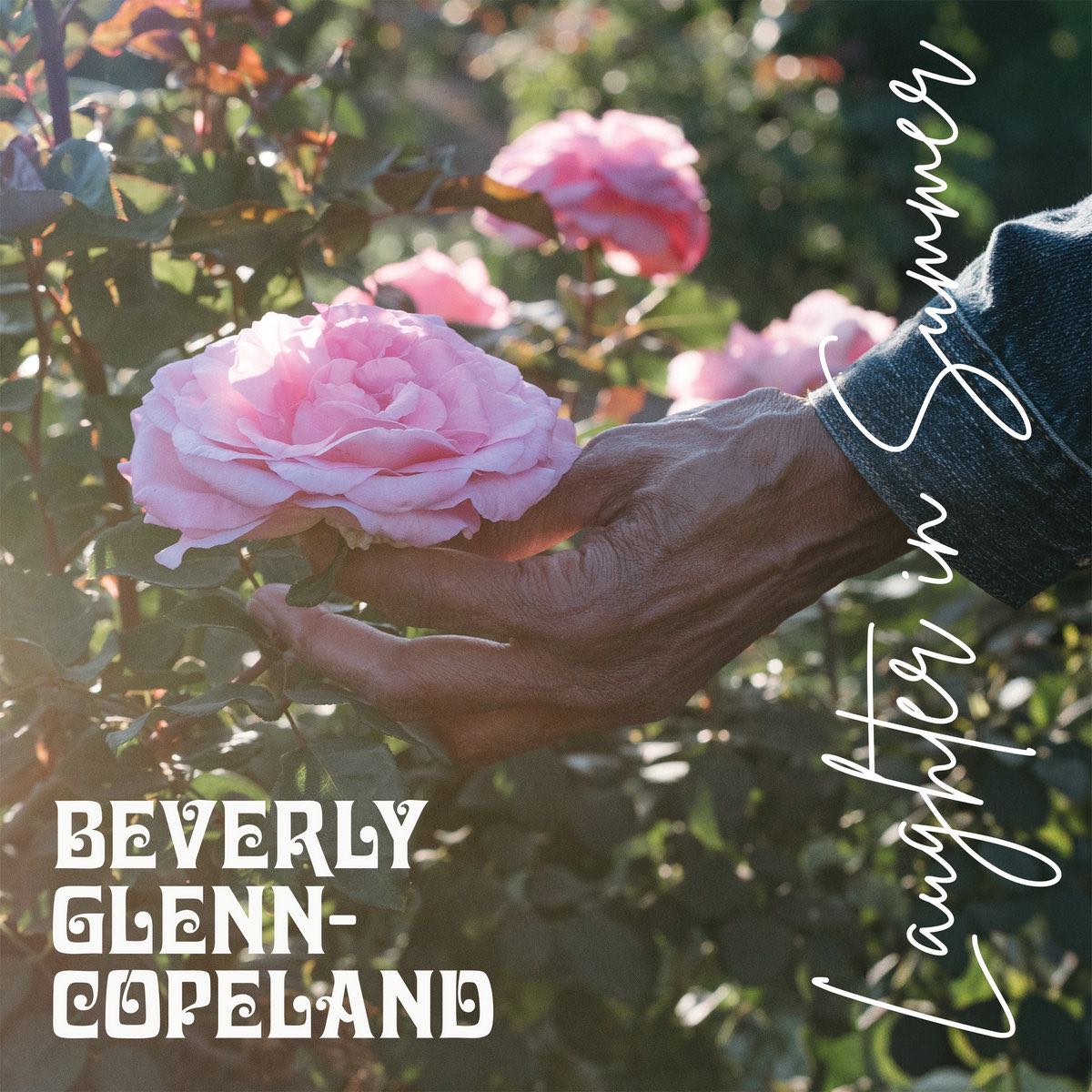





Beverly Glenn-Copeland
Laughter in Summer
TRANSGRESSIVE
Fair warning: There are parts of composer-vocalist Beverly Glenn-Copeland’s new album Laughter in Summer—long-lingering mood shifts, all-enveloping lyrical phrases, softly spun and melancholic melodies, dramatically lilting vocals—that will make it nearly impossible for the listener to not well up in tears. One likely aspect of this emotional response will stem from the knowledge that Glenn-Copeland was diagnosed with a form of dementia in 2023, and that every moment since for this 82-year-old artisan has been a neurocognitive challenge, a race to aesthetic and personal closure before the finish line’s flag falls.
For the uninitiated, Glenn-Copeland is married to fellow artist-activist and collaborator Elizabeth Copeland, and publicly began identifying as a trans man in 2002. Beyond these positive life choices and ill-winded fates, it’s the comestible manner in which Glenn-Copeland takes to his already-tender craft that makes it so dreamy—an artform that went from avant-garde folk and stately torrid jazz in the early ’70s to experimental synth-wave in the ’80s, to what is now a pastoral, often piano-heavy brand of art-pop with a sense of the elegiac that’s so smartly and originally executed that you’ll have nothing to hang its inspirations on save for Glenn-Copeland’s own story.
Sparkly and starry like Beverly’s recently rediscovered 1986 charmer Keyboard Fantasies, Laughter in Summer is akin to chilly, sedative new-age music run through with a joy buzzer and topped off with the twin spirits of sensuality and theatricality. Together with pianist Alex Samaras, clarinet player Naomi McCarroll-Butler, and their choral singing friends, the title song lolls and plays in the fields of the Lord while the voices of the two Copelands fluidly intermingle like warm caramel and cool Drambuie. The contemplative neo-jazz balladry of “Harbour (Song for Elizabeth)” rolls along ruminatively yet colorfully—never darkly, never grayly—as both vocalists slither lovingly through each other’s passages.
Beverly is a treat served warmly, a wide, multi-octave-ranging singer whose gentle lower register and somber reptilian grace hold sway on two fresh takes on “Let Us Dance” from Keyboard Fantasies as this new album’s bookends. That this happily bumpy ride contains more complex emotional, tonal, and musical changes than most artists’ entire bodies of work, all driven by a voice that’s both commanding and surrendering, leads one to hope that there’s yet more laughter on the way.
