


August Ponthier
Everywhere Isn’t Texas
SELF-RELEASED
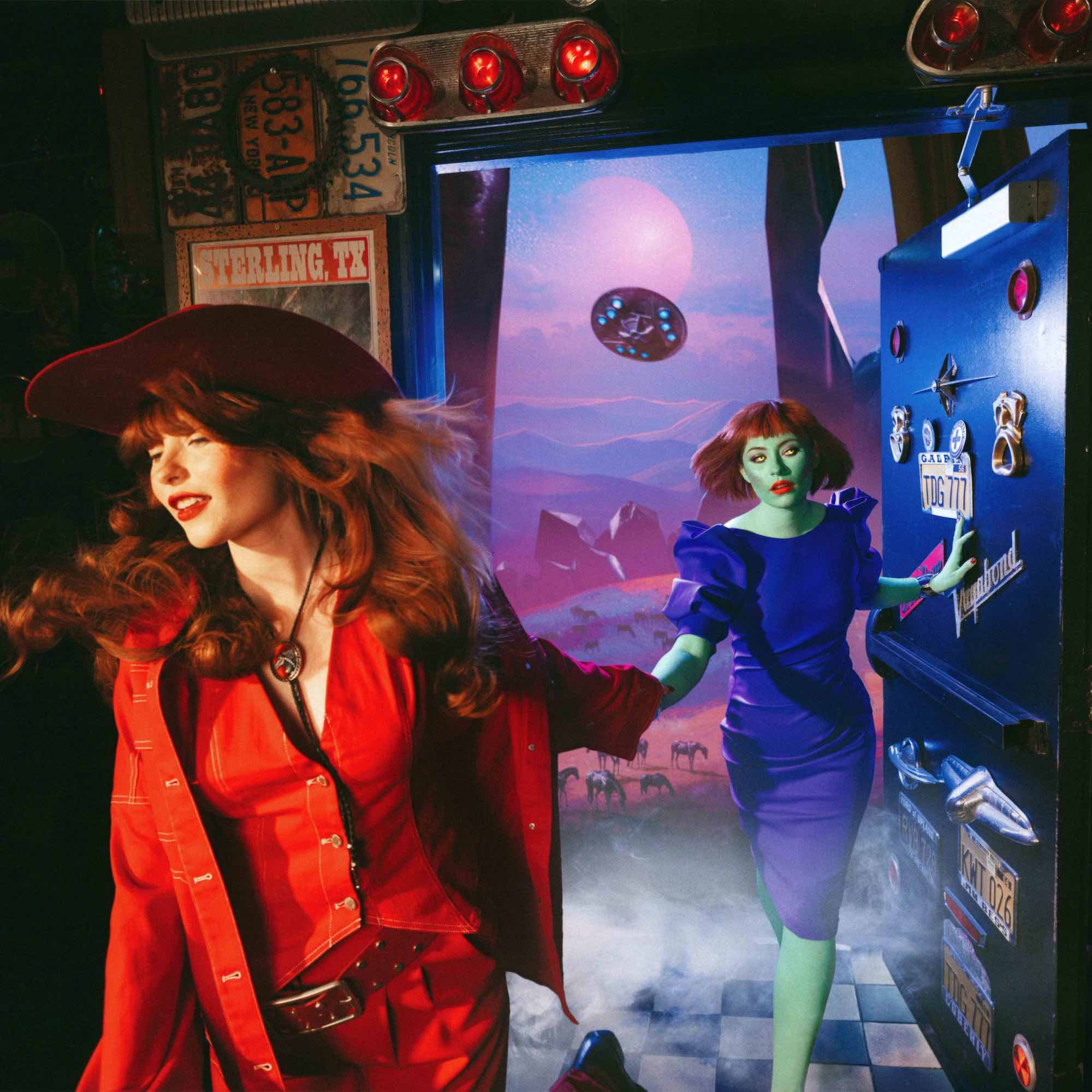
August Ponthier’s debut album Everywhere Isn’t Texas makes quite a show out of gossamer-voiced lyrics of empowered ire and a dusty atmospheric sound that merges sparkling, slowcore country with breezily uneasy pop. It’s not their first rodeo by half: Since 2020, they’ve released three EPs via Interscope up until they were dropped by the label following 2024’s Breaking the Fourth Wall, and yet Ponthier still sounds hungrily hell-bent on making the most out of their first full album and its rush of ideas that touch upon growing up absurdly queer and the generational hell they put themselves through in pursuit of life, libertines, and the pursuit of happy-to-be-unhappiness.
Occasionally clipped in their vocal delivery (“I’m Crying, Are You?”), often with an activist’s sharp axe to grind (the title track and its reprise), the Collin-County-to-Brooklyn transplant moves icily through a cheesecloth-covered world of ghosts, ghouls, and questionable aspirations (“World Famous”) that unfurl slowly as you wind your way through Pontheir’s vision of a Texas prairie of the mind. Serious and charming without ever being coy or cutesy, Everywhere Isn’t Texas’ most uncomfortable autobiographical moments—“Ribbons + Taxes,” wherein they hilariously sing “I’m wearing my ribbons as I’m doing my taxes,” and the jangled “Betty” (“Let’s be who we were already”)—come at the listener as if they and their lived-through realizations leapt into the hillbilly tradition’s burning rung of fire without an extinguisher.
If additional tracks such as “Handsome,” “Karaoke Queen,” and the continued yet somehow incomplete misadventures of Everywhere Isn’t Texas are designed to tell a coming-of-age story in an age devoid of innocence, the August Ponthier narrative has a long way to go with a million more queer stories to tell.
