
Maria BC
Marathon
SACRED BONES
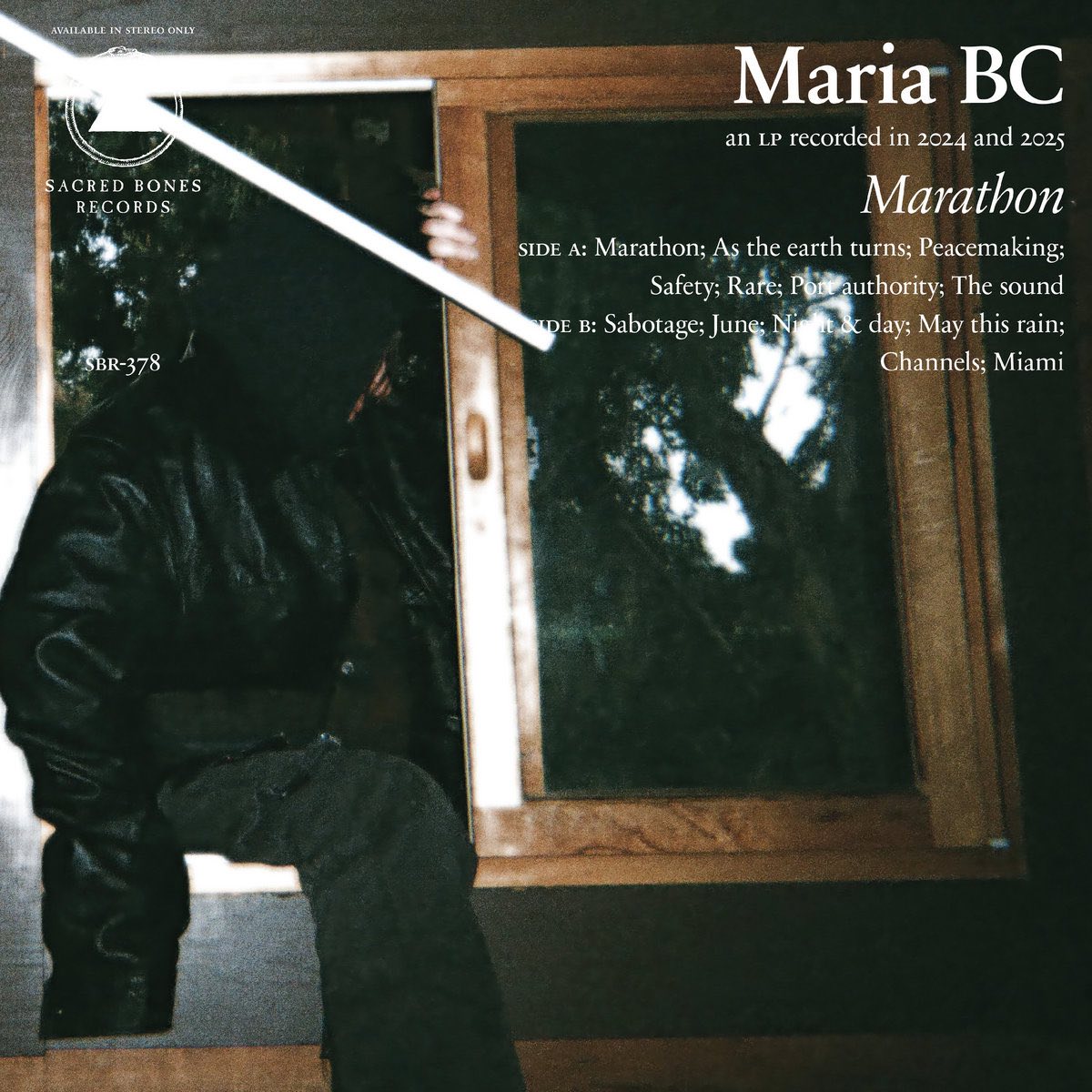
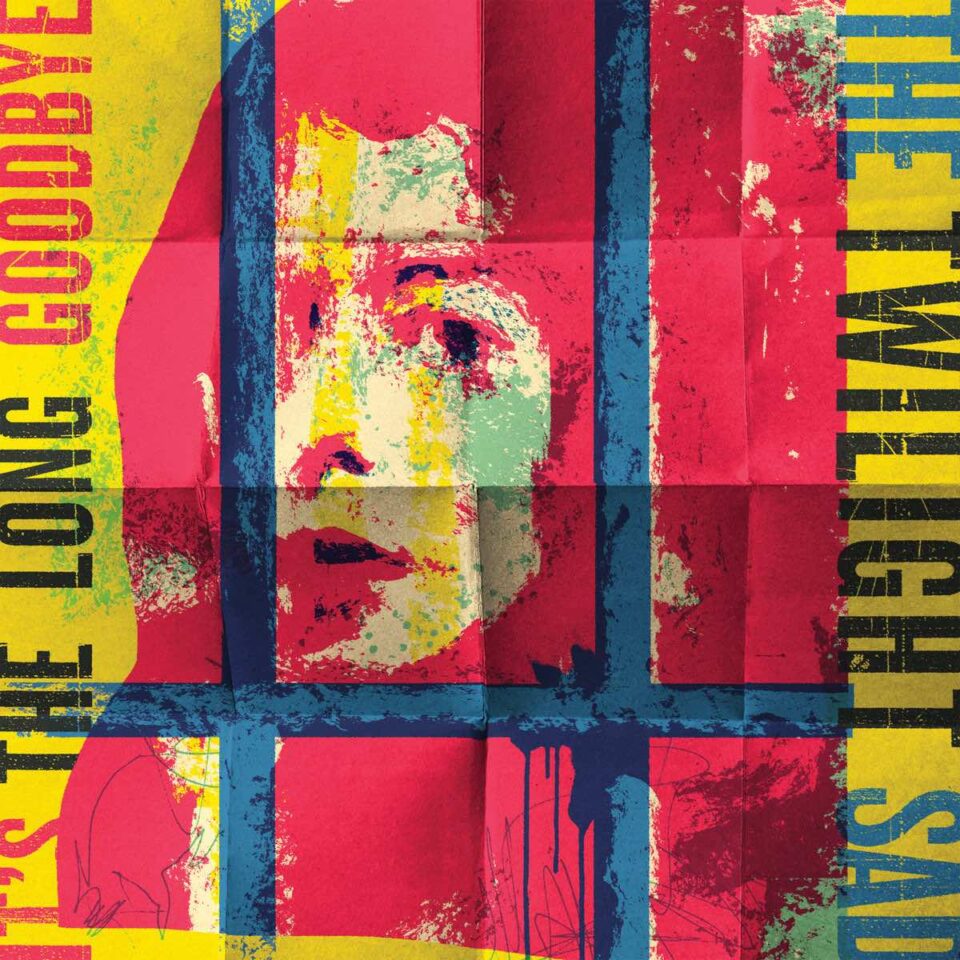
The most lasting moments on a Maria BC record are the ones that feel discomfitingly vivid in their abstractions. The ambient/experimental folk musician’s sound is akin to a fog-strewn lake serrated by a sunrise—haze drowned in unflinching light. On the nightmarish lullaby of sense memory that is “Amber,” or in the vocal delay of “Daydrinker”—as if trepidation personified—there’s no mistaking the emotional clarity of their music, as fragmentary as their lyricism can be.
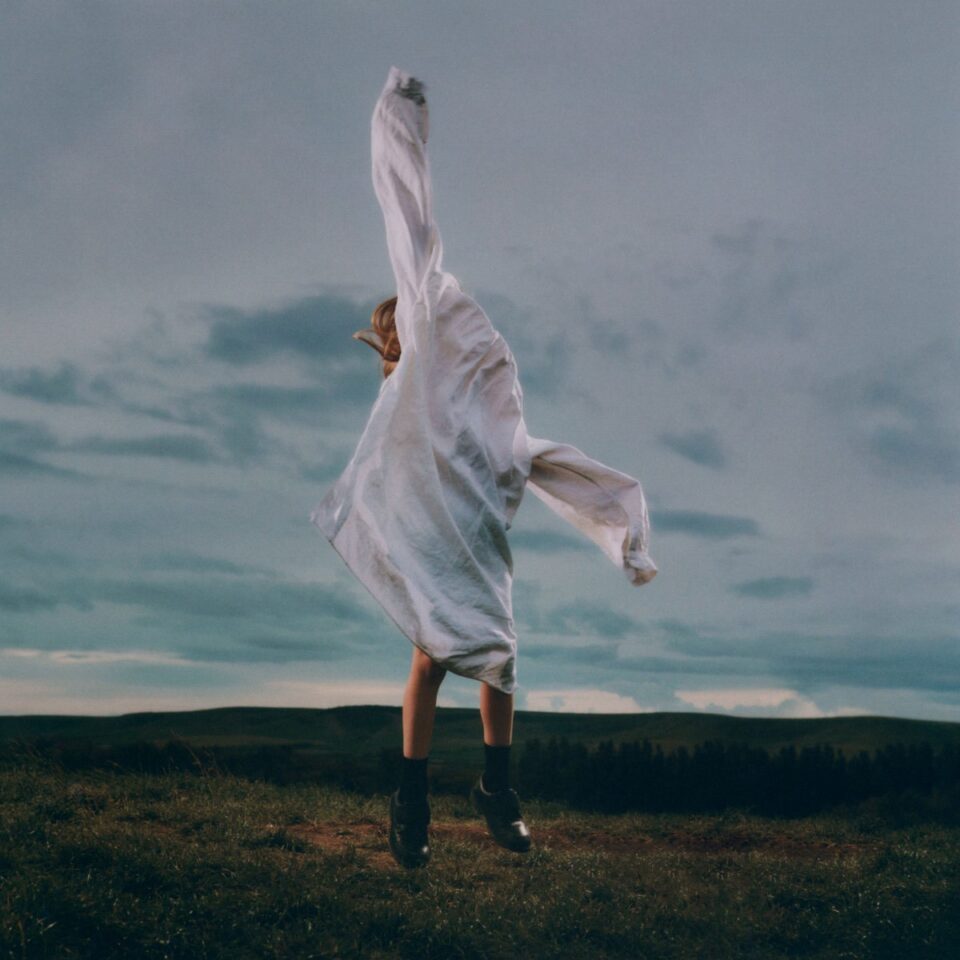
But what does this sound become when stillness is not enough? Marathon mutates the Oakland-based artist’s chokehold hush into something more fluid, at times maintaining the haunting delicacies of acoustic guitar and piano, but just as frequently counterweaving billowing distortion. The record’s opening title track is a prime example of the latter mode, morphing Maria BC’s strengths to arresting extremes; its culmination of an ever-loudening rattle of electric guitar is as chilling as any of the vocalist’s more tender fare. As BC’s resonant voice gets swallowed whole in the din, the song acts as both overture and harbinger for the record as it embodies the atmosphere of a steadily stoked nighttime campfire, occasionally doused with gasoline.
BC’s lyrics have always bared the claw marks of a world thrashed between tranquility and thrum, but Marathon only puts that dichotomy under more blinding spotlight in its greater clamor. Like any stretch of highway, the record is dotted with inescapable markers of a post-industrial landscape—Marathon gas stations, Greyhound buses, incessant hums of floodlights. BC sequences the affair as if escape from these manmade interjections is all but impossible, their softer stylings abruptly contrasted with skittering microhouse instrumentals (as if to underline this thread, one of these songs is even titled “Port Authority”). More searing are the moments where these elements careen into a track that otherwise sedately wanes—on “Rare,” BC’s vocals flicker in tandem with the buzz of a guitar for just long enough to wedge a spike through the veneer.
If Marathon is a rigorous examination of this torn way of life, it inevitably butts up against the open-endedness of the matter. BC is more an observer than holder of answers, and the record’s closer—“Miami,” with its gentle gallop off into the twilight—can feel at first brush like closing the book when so much more can be said. But Maria BC gets to the core of the matter far earlier: the Earth burns as much as it turns, in no small part due to our very presence. It’s an unsettling truth, but there is still power in documenting it.
