
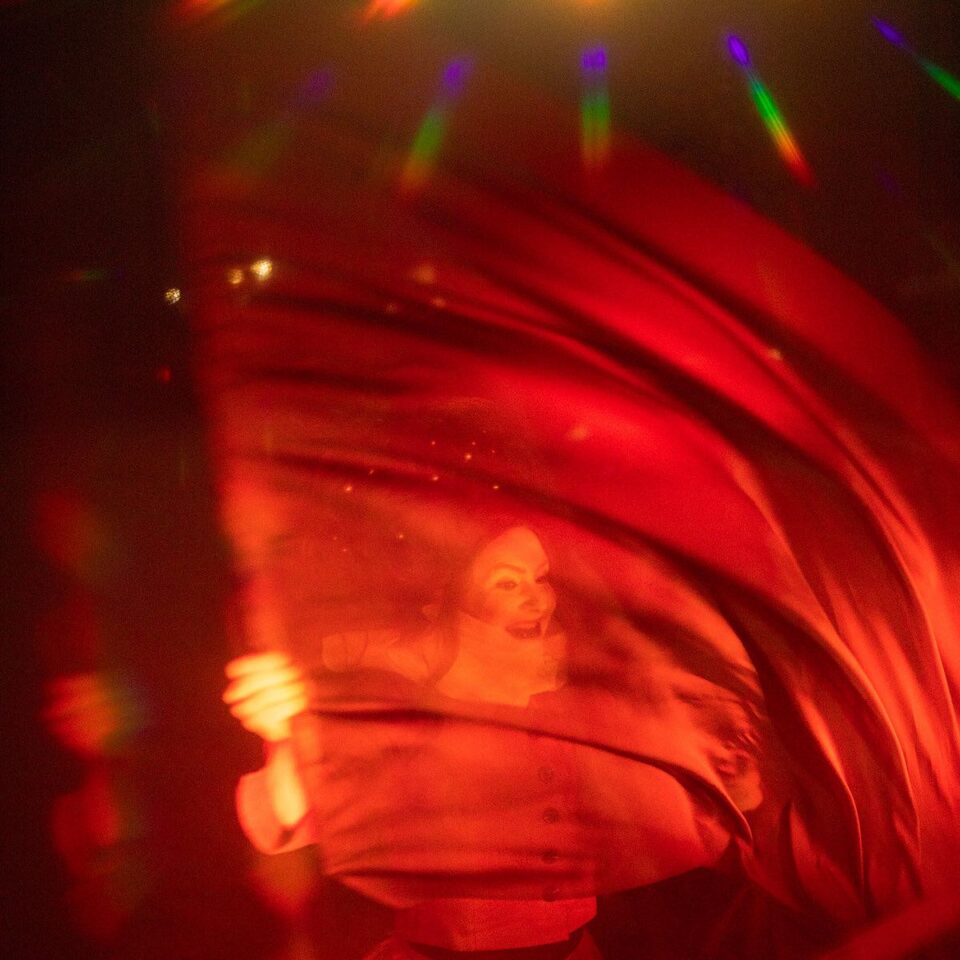
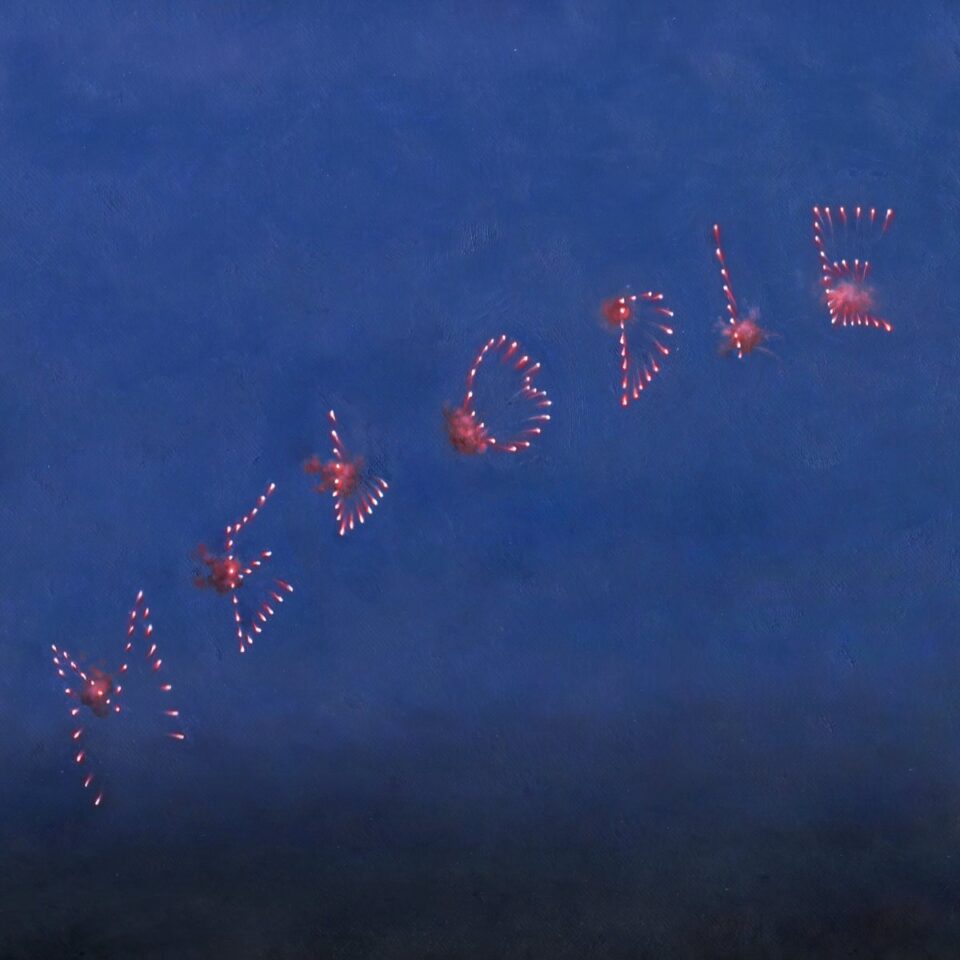
Trauma and grief have taken a considerably more central role in popular music over the past decade, but something as raw and emotive as Touché Amoré’s fourth record Stage Four felt like a bit of a gut punch when it was released in 2016. By that point the West Coast post-hardcore group had already become regarded for their passionate songs about dark subject matter, which had begun to focus more on loss by 2013’s tellingly titled Is Survived By—a significant level-up for the band which got a proper tune-up a few years ago for its 10th anniversary.
And now with Stage Four reaching the same milestone this September, the band went a different route to celebrate an album that’s perhaps best left to rest in peace. Rather than making any adjustments to these songs, Touché Amoré instead invited friends (Wisp, Youth Code, Deafheaven’s Kerry McCoy) to reinterpret the track list with a series of remixes that embellish a second disc of demos and a recent live recording of the album track “Eight Seconds.” As frontman Jeremy Bolm noted in the re-release’s press materials, the album was first and foremost a sort of exorcism for him—and an emotional moment for the rest of the band, as well—making the anniversary a bit complicated to navigate. “Stage Four was a mandatory album for my journey with grief,” he shared, “and the impact it’s had on the band as well as our audience—however heavy or light—feels worth celebrating.”
With the reissue out now via Epitaph, Bolm’s bandmate Nick Steinhardt went into detail on a few of the record’s biggest influences outside of any of the musical inspirations or personal tragedies that largely shaped the direction that this collection took. From cherishing family life to simply lucking out by finding a recording space with windows, check out his blurbs below.

Collage
I was exposed to the work of Anthony Gerace via frequenting a blog that Stephen O’Malley of Sunn O))) used to curate. Collage is such a strong medium because you can juxtapose imagery and form conceptual narratives just via rips and cuts and scribbled gesture. One of Anthony’s signatures, a recurring motif of rearranged squares, quickly spoke to me as an anchor for the album’s aesthetic. I inquired about purchasing a few of his existing pieces for my own collection (one of which would become the “Palm Dreams” single artwork) and then discussed doing a commission for the band. This led to a year-plus long collaboration between myself, photographer Ryan Aylsworth, and Anthony, culminating in 28 original pieces, a deluxe book, and an art show as record-release party in LA. The concept itself was heavily centered around grief and compartmentalization. After our singer’s mother passed, he was subsequently tasked with boxing up a home they’d lived in for 30 years, full of collected objects and memories. Not only did the reorganized images make metaphoric sense, they also tied heavily into this being album number four.

Natural light
Windows seem to be the enemy of the studio. Most of the spaces I’ve written or recorded music in throughout my life have been insulated dungeons of black foam and moving blankets. During the writing of Stage Four, we were evicted from our longtime practice space—with a fire escape skyline view of Los Angeles—in order to make way for a members-only “industry” club. Thus, we were relegated back to a black box even deeper into an industrial wasteland south of downtown. In a last-minute turn of events, we ended up pivoting our recording plans to Brad Wood’s beautiful Valley backyard studio named Seagrass, which brought a bit of welcome optimism and inspiration.
Home and garden
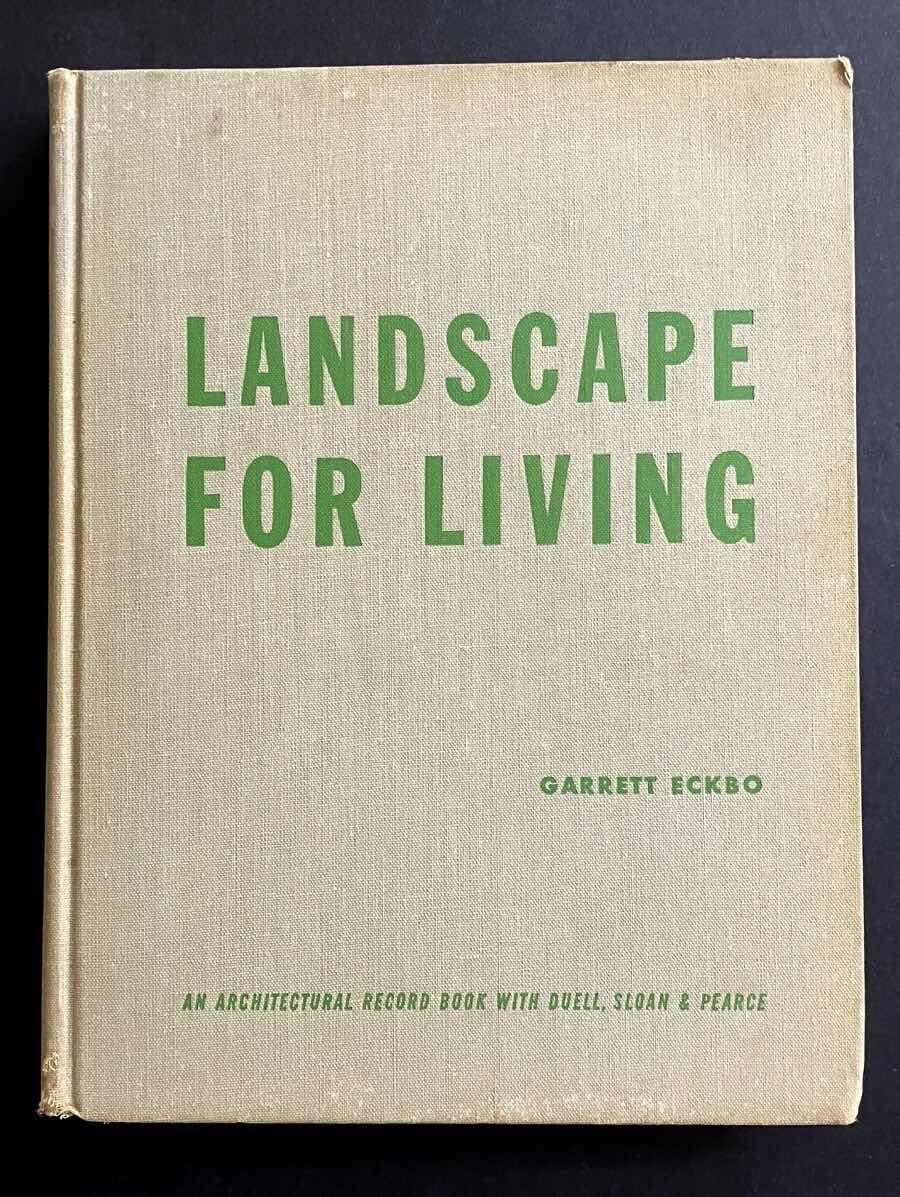
Around the time we were recording and working on the artwork for Stage Four, I was also in the process of buying my first house. In doing so, I was looking at a lot of old property records and city maps, and learning—out of necessity—about plants and landscape design. I remember purchasing a book by Garrett Eckbo and being inspired by the faded mid-century aesthetics, various weights of Franklin Gothic and default lettering from drafting and blueprints. Flowers (as in the title track) would also become an overarching aesthetic theme for the record’s merchandise, in particular.
Family
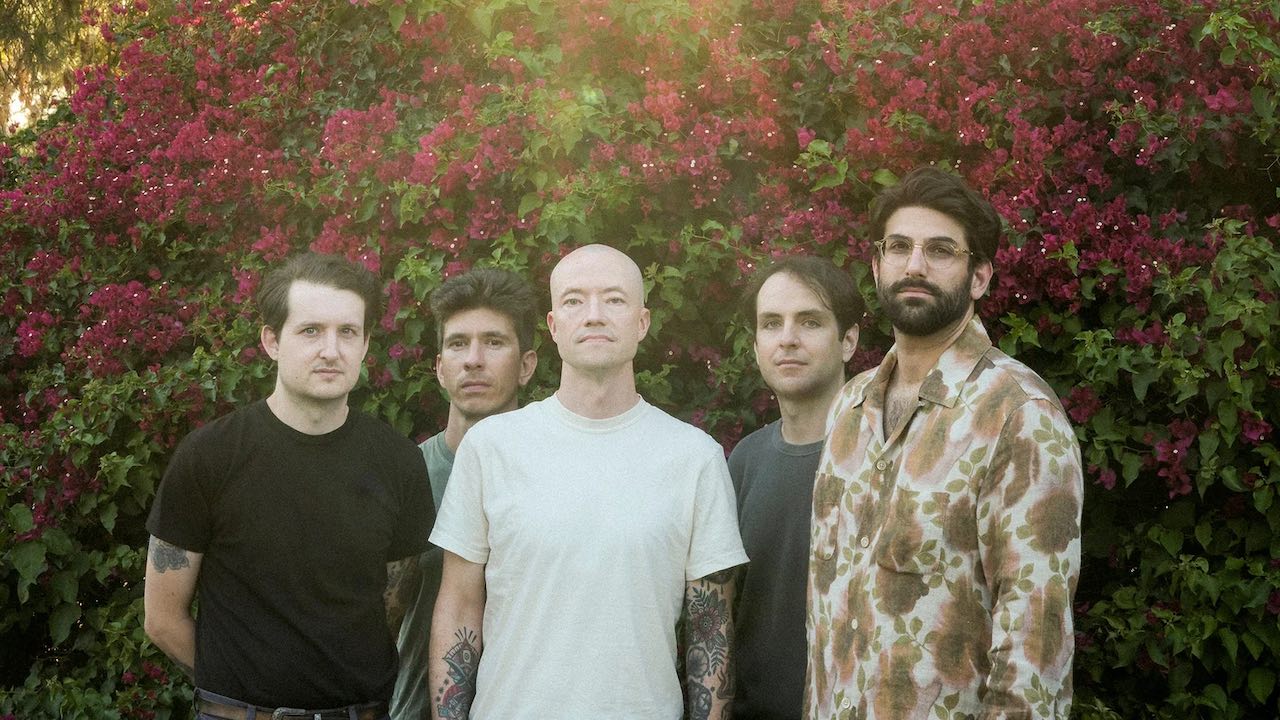
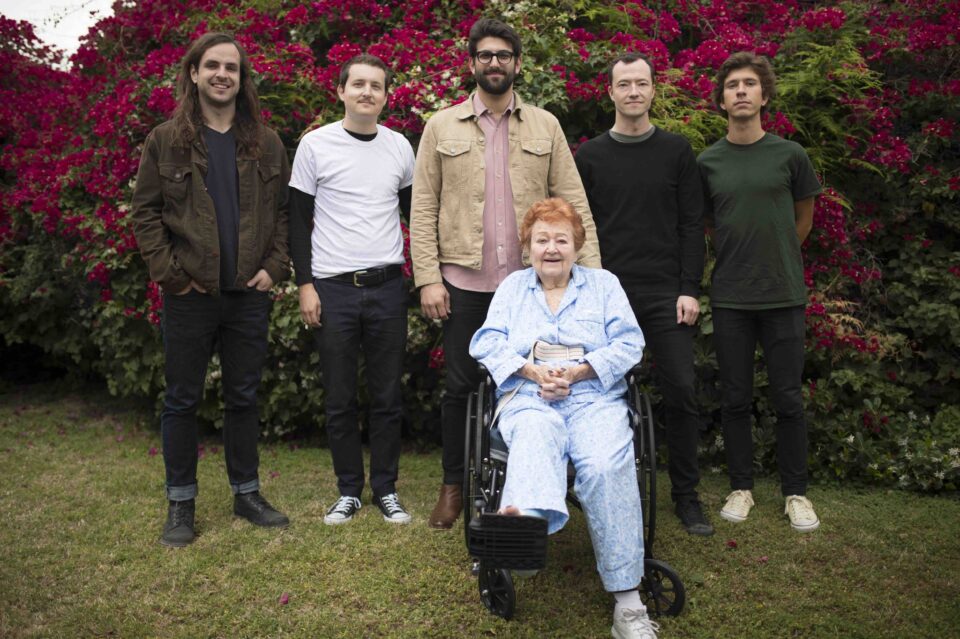
With the heavy theme of loss around this album, I was spending as much time with my own family as I could. The main press photos for this campaign were shot in my grandmother’s North Hills backyard set against a giant magenta wall of trailing bougainvillea. There’s an outtake of her pictured with the whole band that I hold dear to my heart.
