

Kneecap
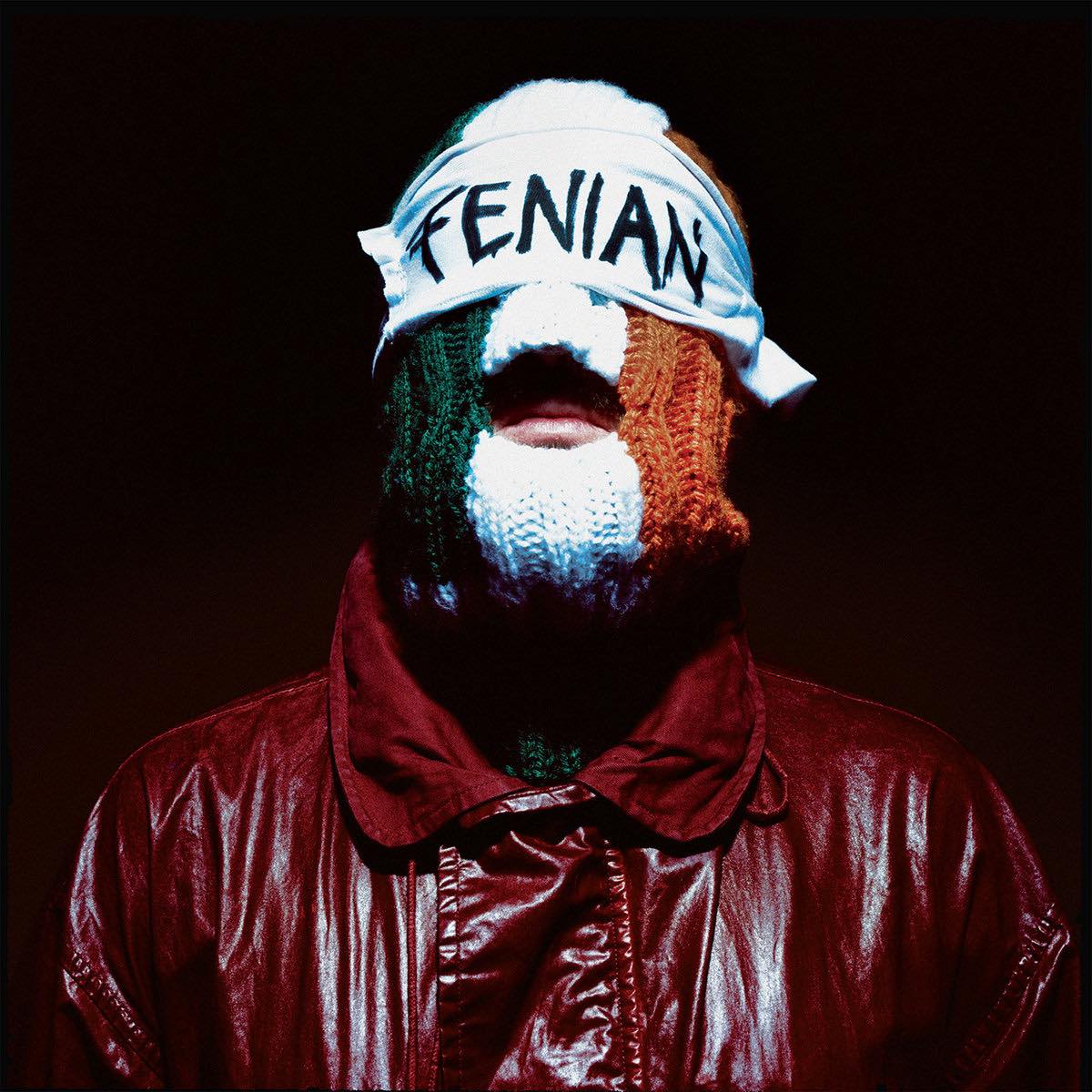
Fenian
HEAVENLY
Considering how loud Belfast’s Mo Chara, Móglaí Bap, and DJ Próvaí—the rap-roll trio Kneecap—have been in defense of Palestine (over Israel), Cuba (over fuel blockades), and the reunification of Ireland (over everything else), introducing Fenian as “a considered response to those that tried to silence us” is one scary proposition. After all, when have Kneecap ever not shared exactly what they were feeling, precisely when they were feeling it? Yet for all of their pointed satirist shouting (no matter where you stand on their politics, Kneecap certainly get their opinions across), there’s a subtlety to be found throughout the rage-rave of Fenian that didn’t exist on their 2024 debut.
Based primarily on Chara’s terrorism-related charges for having waved Hezbollah flags while onstage, Kneecap tell a story of their private selves here just as much as they address their professional provocateurism. Complete with bigger melodies and broader, analog-synth-driven soundscapes (credit the underratedly cinematic Fontaines D.C.’s producer Dan Carey), Fenian could be an early Springsteen work as it tackles old neighborhood characters and their interactions, both joyful and woeful on kaleidoscopic tracks such as “Smugglers & Scholars” and “Carnival.” Two sides of the addict and the addiction stake their claims across the picturesque “Cocaine Hill” and the slum, drum-and-bass-pulsating “Headcase,” while nothing in their catalog to date is as personally poignant and crushing as the album’s ender, “Irish Goodbye,” a moment in time captured in tribute to Móglaí Bap's mom who died by her own hand in 2020 after long-suffering from depression.
No matter how deeply and sadly Kneecap delve into their own heartache, or peer with wordy pride into their own heritage (e.g. “Gael Phonics” and “Éire go Deo”), it’s the larger, more fearful world—both distant and immediate—that fuels their cleverly caustic post-jungle tech-hop output across Fenian, that drives the bus through the bloody-Sunday history lessons of “Occupied 6,” the close to British rule over their homeland in “An Ra,” and the on-the-nose “Palestine.” That Kneecap figured out how to discuss the politics within as well as the politics without with such ferocity and tenderness at the same time is the greatest thrill of all.
