
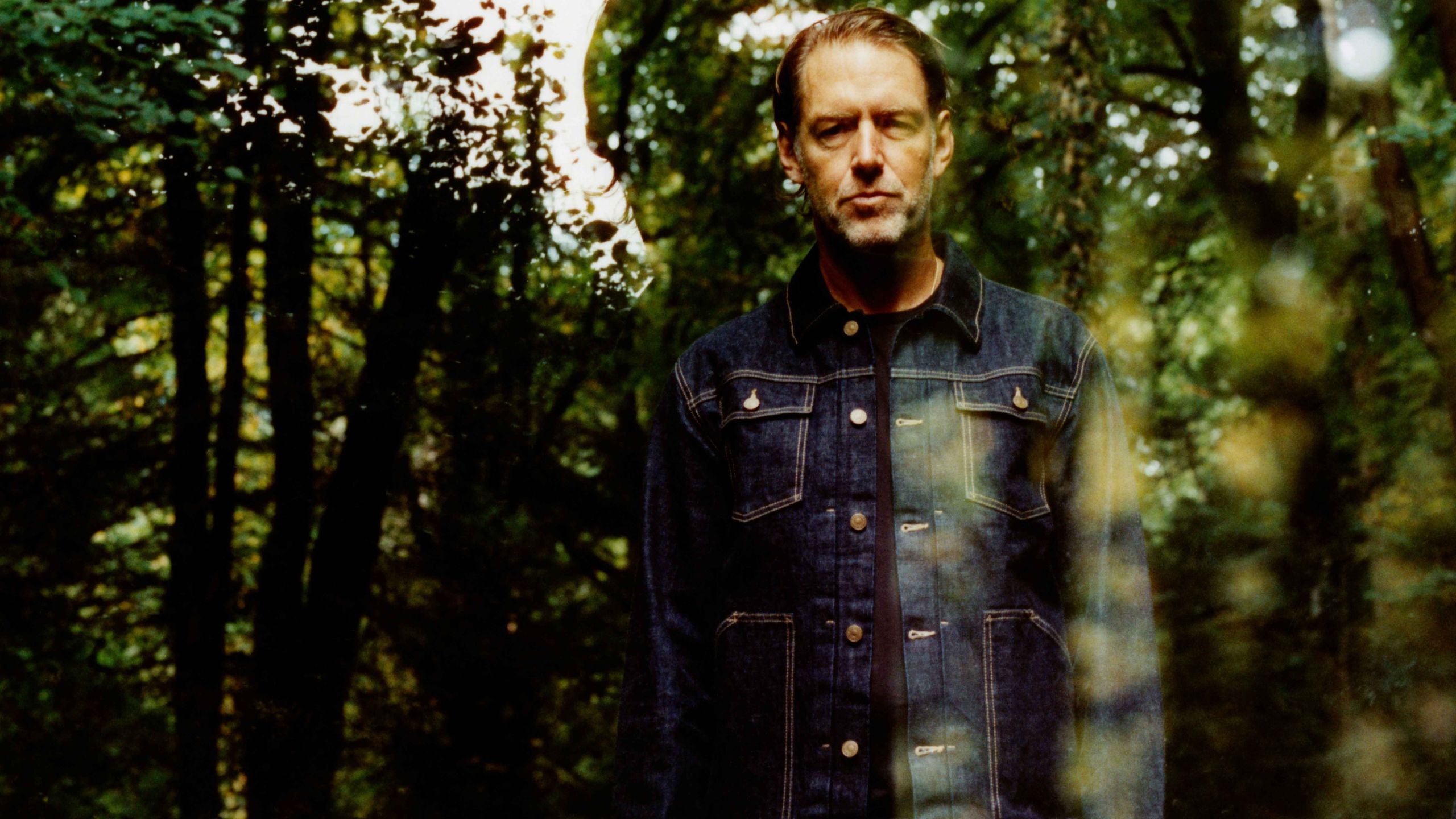

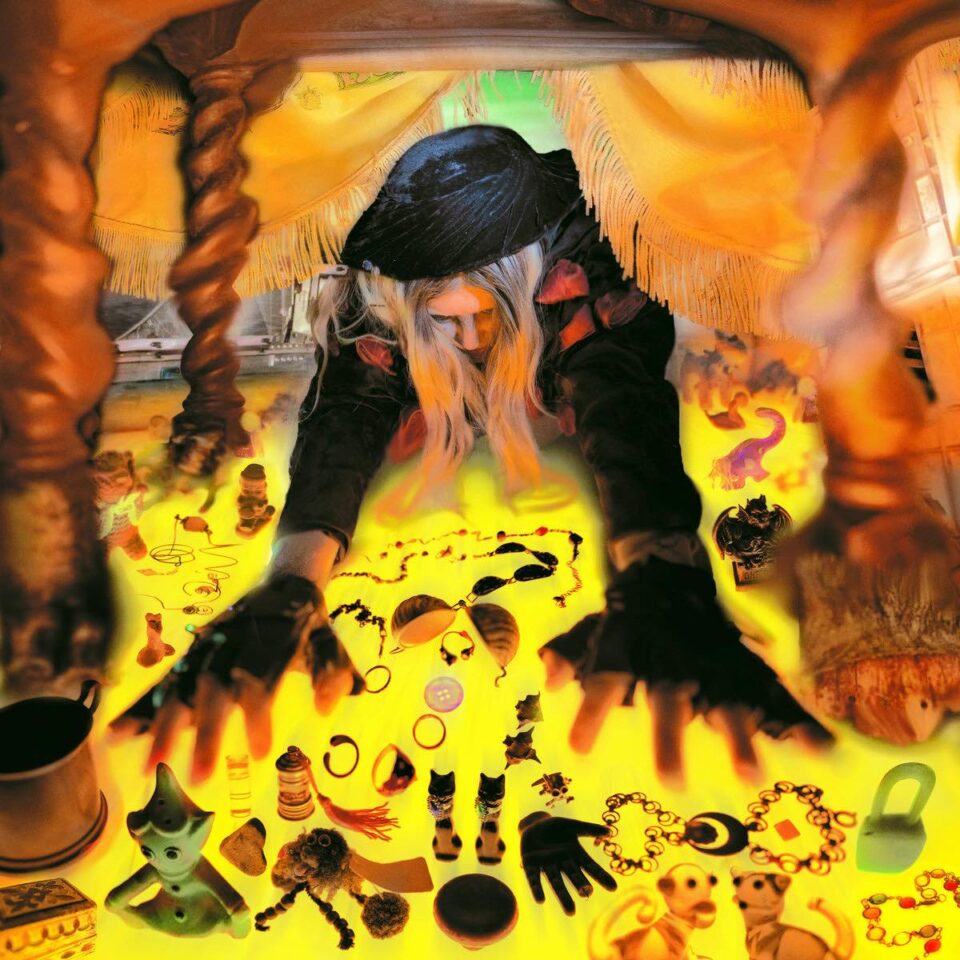
“When we lose our connection to nature, we lose our spirit, our humanity, our sense of self.” That’s one memorable reprimand from Cassandra Jenkins’ 2021 album An Overview on Phenomenal Nature—a musical blueprint for coexisting meaningfully with the natural world—though it could easily be a line from Ed O’Brien’s new short film. Or from our recent interview, which takes place a month after the release of his Blue Morpho album, O’Brien dialing in from the kitchen of his home in rural Wales. The camera drifts through that same kitchen during the first minute of the film, titled Blue Morpho: The Three Act Play. Continuing through the shadowy hallway, the scene settles in the bedroom, where O’Brien is drawn from the deliberately blue bedspread to the window, shunting it open to cut the crescendoing music and let the birdsong pour in. We immediately understand the setting and context for what the Radiohead guitarist has dubbed his dark night of the soul.
You may have heard by now that O’Brien made this new album to lift himself out of a depression, but it’s not quite that simple. The “D” word fails to encapsulate this profound quest of renovating the spirit, processing unaddressed trauma, and—in some ways—learning how to compose music all over again. As O’Brien explains in the accompanying film, he’d spend a few hours each morning playing guitar in a tiny room, absolving himself of aim and expectation. “There was a purity about it, a therapy,” his candid, conversational voiceover tells us. While most of these ideas were “shit,” as he explains in the film, he’d concede to record anything that had even a whiff of promise, eventually extrapolating the goldest nuggets into his second solo record with the help of producer Paul Epworth and the Tallinn Chamber Orchestra. It’s an immersive, curative work that takes the scenic route through winding, half-familiar roads of krautrock, ambient, and post-rock, guided along by field recordings collected from the natural landscape surrounding his house.
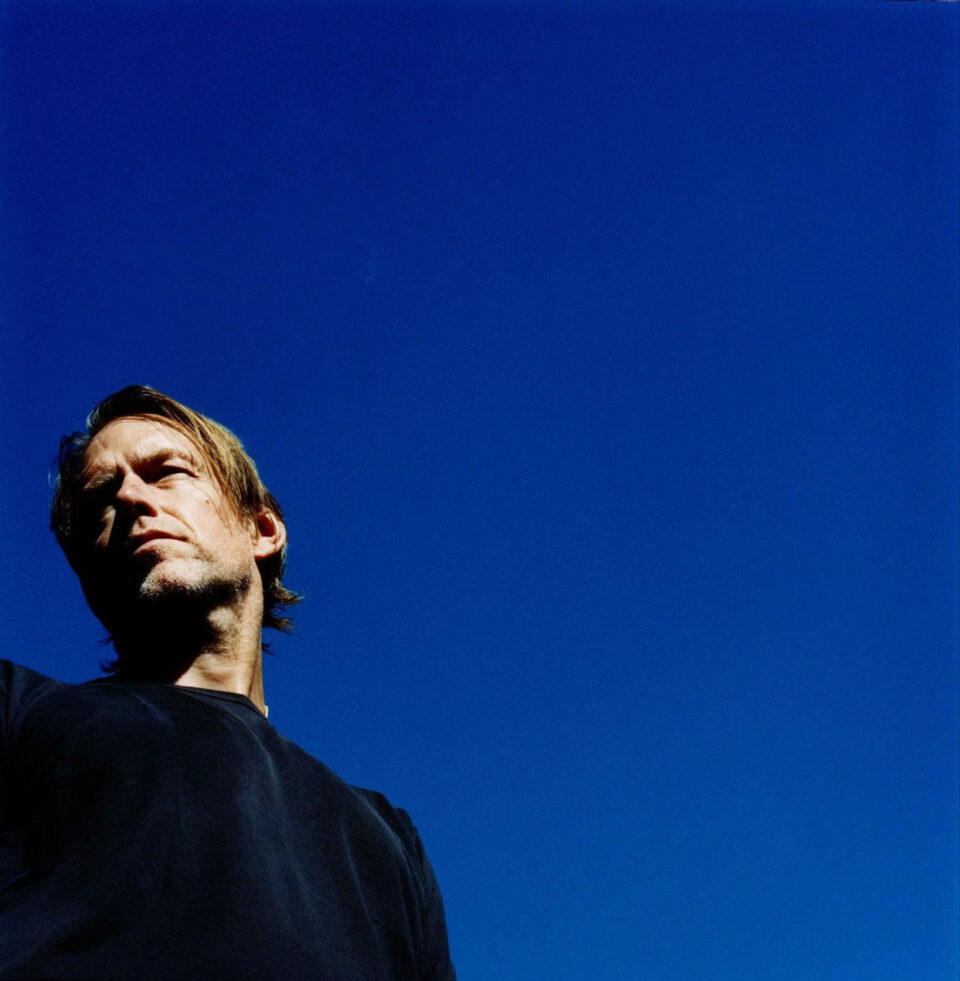
“The longer I do this, I love the process more than the finished result,” O’Brien tells me, reflecting on Blue Morpho. “It’s where you learn, you get challenged. That mystery part—that’s why we do it. It’s the way you get there.” He draws an analogy to childhood staycations with his family, where one travel option was a straight shot down the motorway fast lane and a single hasty bathroom break. But he preferred going in the car with his grandparents, “who’d meander down through Devon and Cornwall and we’d stop off for a nice pub lunch,” he says. “The journey is everything. The moment you get into the car, that’s when the holiday starts. I guess I feel I’ve been on a journey the last 25 years.”
Raised in semi-rural Oxfordshire and riding out Radiohead’s heyday in London, O’Brien moved to the edge of the Brazilian rainforest with his young family back in the early ’10s, in between the band’s eighth and ninth records. “I’d been living in cities, and to be back in the countryside was revelatory for me,” he says. “I remember what it felt like. I realized I was a country boy. I could also see the way our family was thriving in that freedom and being in nature and what it does. This thing that had been dormant for a while came back in full effect: ‘OK, I need to be in the countryside.’”
“The longer I do this, I love the process more than the finished result. It’s where you learn, you get challenged. That mystery part—that’s why we do it. It’s the way you get there.”
Later, back on British soil, he began a slow, deliberate migration to mid-Wales and the least populated county in the entire UK. He hadn’t spent a lot of time there before, but always felt called by the West, Britain’s more modest take on the ubiquitous American idea of personal liberation and endless possibility: rugged Scotland, the glacial lakes of Cumbria, those family holidays in Cornwall—and maybe there’s something in his Irish heritage, too, he wonders. “I’m always trying to join dots—sometimes unnecessarily—but I’m always curious as to why I feel a certain way,” he says. “Maybe there’s this Celtic thing that’s in my DNA. I love the summer, but I really love the winter, that classic Celtic brooding weather, as long as you’ve got a hearth to come back to. It makes me feel alive.”
For an artist, there are few places more inspiring, and it’s not just being removed from the hustle and competition of a big city. “There’s a lot of creativity in mid-Wales,” he says. “There’s a lot of stuff in the land.” I point to younger songwriters such as Ailsa Tully who exemplify this crop of Welsh creatives making the land part of their art—in her case, blurring birdsong, beehives, and other nature sounds into ambient-folk arrangements. O’Brien’s approach on Blue Morpho was similar: the bold song thrush on the lush, hopeful title track duets with his clockwork guitar ostinatos, both recorded in the same outdoor session. The track’s swooping strings are inseparable from the image of a breathtaking starling murmuration. Another favorite, “Solfeggio,” buries half-perceptible birdsong and other crackly field recordings under radio-static distortion and pulsating synths à la Cluster & Eno.
That he’s able to transmit this landscape out to listeners is a gift. Not least because, at the time of writing, the UK is in the thick of its second record-breaking heatwave of the year. “While everybody’s suffering in the city, I’m able to get to a nice, cool mountain river—and yes, it’s hot, but it’s where I find peace,” O’Brien says as temperature records are broken three days in a row. “Can you imagine if the Thames was clean and you in London were able to get in the river? Fundamentally, why is this not happening? There’s a disconnect between human beings and nature,” he says, the last sentence almost directly out of that Cassandra Jenkins song.

“This thing that had been dormant for a while came back in full effect: ‘OK, I need to be in the countryside.’”
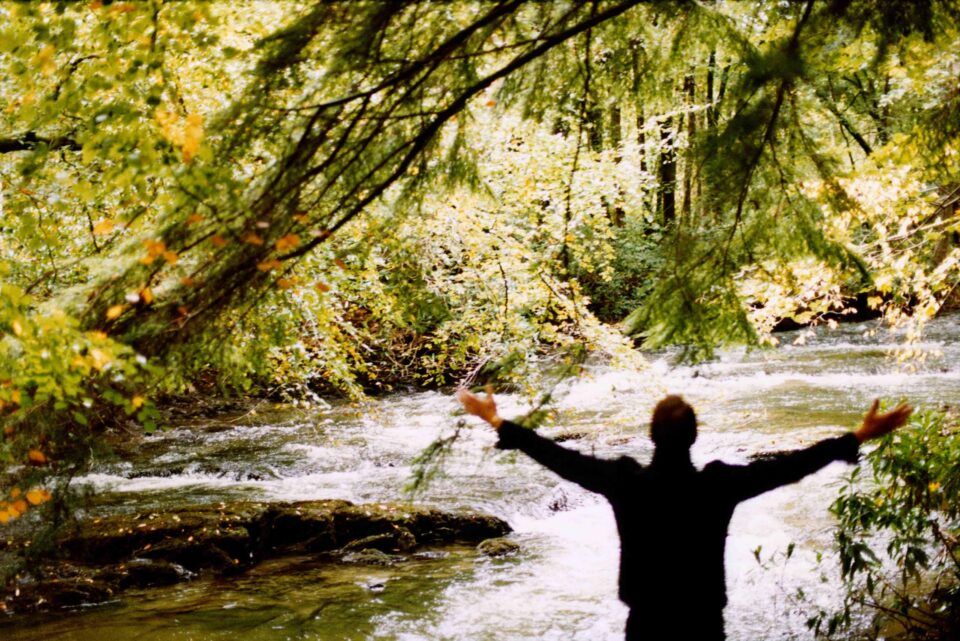
O’Brien has long been an advocate for the environment. Among many other credentials, his debut solo album released under the EOB moniker in 2020 was called Earth, and there’s a fiery indignation in how he speaks about humanity’s approach to climate care. “It’s a luxury now to find fresh natural water that’s clean. It’s crazy. It’s utter madness.” He continues: “The older I get, [the more I wonder], ‘What is our purpose?’ We’ve got this incredible jewel of a home. There’s nothing like it. Let’s look after it. I think that’s our purpose: to be guardians of this place and live sustainably. That’s first and foremost, but we haven’t evolved very far. The whole system is obsessed with money—the worship of money, rather than the worship of our planet.”
He goes on to a sickeningly overlooked point: the Earth’s sentience. “Every indigenous community and population has known this for thousands of years: the planet does have a soul. She’s a living, breathing organism. But we live in an absurd time, and I think people are going to look back in a thousand years (if we make it that far) and go, ‘Jeez, look at how unevolved they were—and they thought they were the most evolved being.’”
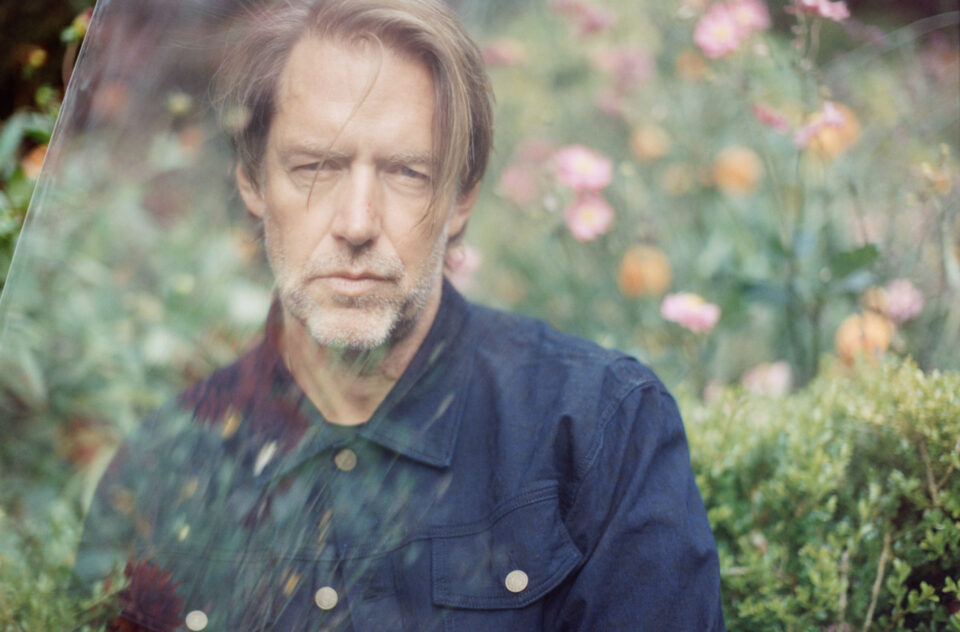
It’s disquieting to live through climate breakdown first-hand without any collective, radical change of approach to meet the moment. We were warned 20 years ago, then 10, then five. Maybe we joined a climate rally, made a sign, got the Greta Thunberg pocketbook for Christmas, gave a one-off donation to Extinction Rebellion. But the problem didn’t go away, and it turns out this is going to be, like, a thing. Forever. For as long as we live. It’s hard to comprehend. How are we meant to synthesize day-to-day life with something so existential? “You have to be a good gatekeeper,” O’Brien says. “It’s that balance of being aware of what’s going on, but also, if it brings you down, how is that going to help the planet? You need your energy.”
“I think people are going to look back in a thousand years and go, ‘Jeez, look at how unevolved they were—and they thought they were the most evolved being.’”
Another tact comes with the third act of the film and the final song on the album: gratitude. “Obrigado,” meaning thank you in Portuguese, is O’Brien expressing thanks that he’s been allowed to live a life on this planet at all. The storms as well as the sunny days. Wild swims in bracing rivers as much as performing sold-out stadium shows. Peace and euphoria, yes, but the dark night of the soul, too. “Thank you for this troubled time,” goes one lyric. Perhaps it’s easier to internalize once you peer over the edge. In the film, as O’Brien’s voiceover outlines the meaning behind the term, on-screen O’Brien abruptly turns his head and looks straight down the camera lens. The music balloons. Reflections from the campfire dance on his face, lit steely and resolved. It jarred me the first time I watched it. It’s almost scary.
But Ed O’Brien knows, now, to look directly at whatever holds you back, whatever you fear. The alternative is that you never hear the birds sing, or morph out of the blue. FL
