
This feature appears in FLOOD 13: The Tenth Anniversary Issue. You can purchase this deluxe, 252-page commemorative edition—a collectible, coffee-table-style volume in a 12" x 12" format—featuring Gorillaz, Magdalena Bay, Mac DeMarco, Lord Huron, Bootsy Collins, Wolf Alice, and much more here.

In some ways, it’s a compliment. If an authoritarian government takes such umbrage with a collection of art that it calls for a review into the establishment housing it, it’s a sign that the artists have touched a nerve. That’s what happened on March 27, 2025, when then-newly inaugurated President Donald Trump issued an executive order titled “Restoring Truth and Sanity to American History,” which directly referenced a number of artists whose works were on display at various Smithsonian institutions, and ordered a review of the Smithsonian content and agenda to seek out works that promoted “improper, divisive, or anti-American” ideologies.
“As we prepare to celebrate the 250th anniversary of our Nation’s founding, it is more important than ever that our national museums reflect the unity, progress, and enduring values that define the American story,” read the letter the White House sent to the Smithsonian, before stating that “[t]his initiative aims to ensure alignment with the President’s directive to celebrate American exceptionalism, remove divisive or partisan narratives, and restore confidence in our shared cultural institutions.”
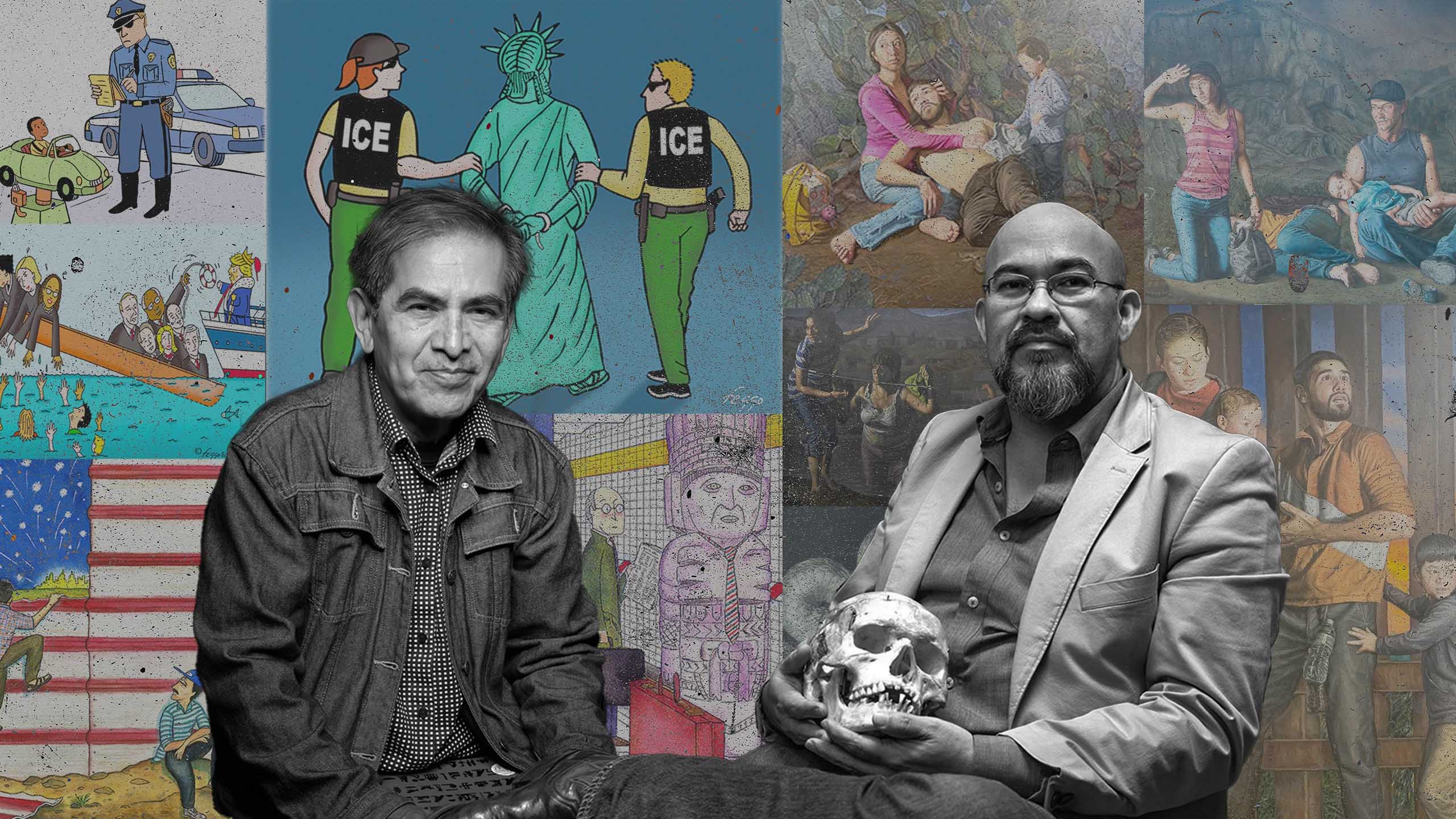
Then, in August, the White House published on its website a newsletter apparently cribbed from an article on the right-wing website The Federalist, which called out some of the Smithsonian’s artworks, exhibitions, and programs that focus on race, slavery, immigration, and sexuality. Among the artworks singled out by the newsletter was Refugees Crossing the Border Wall Into South Texas by Rigoberto A. González. A finalist in the National Portrait Gallery’s 2022 Outwin Boochever Portrait Competition, the painting depicts a modern family making their way into America. Painted in González’s typical Baroque style, the work fuses the contemporary setting with a sense of history, while also reflecting his own personal heritage.
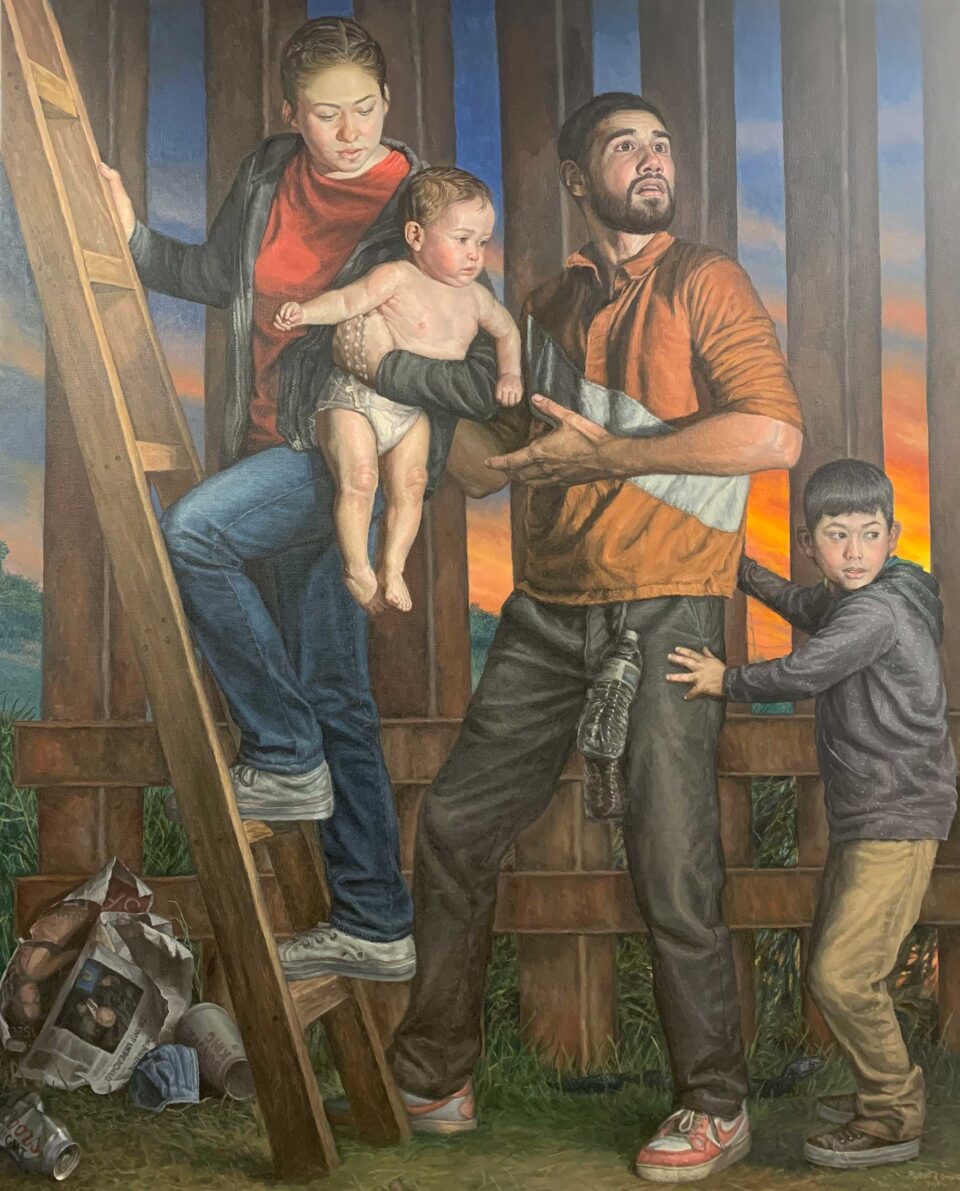
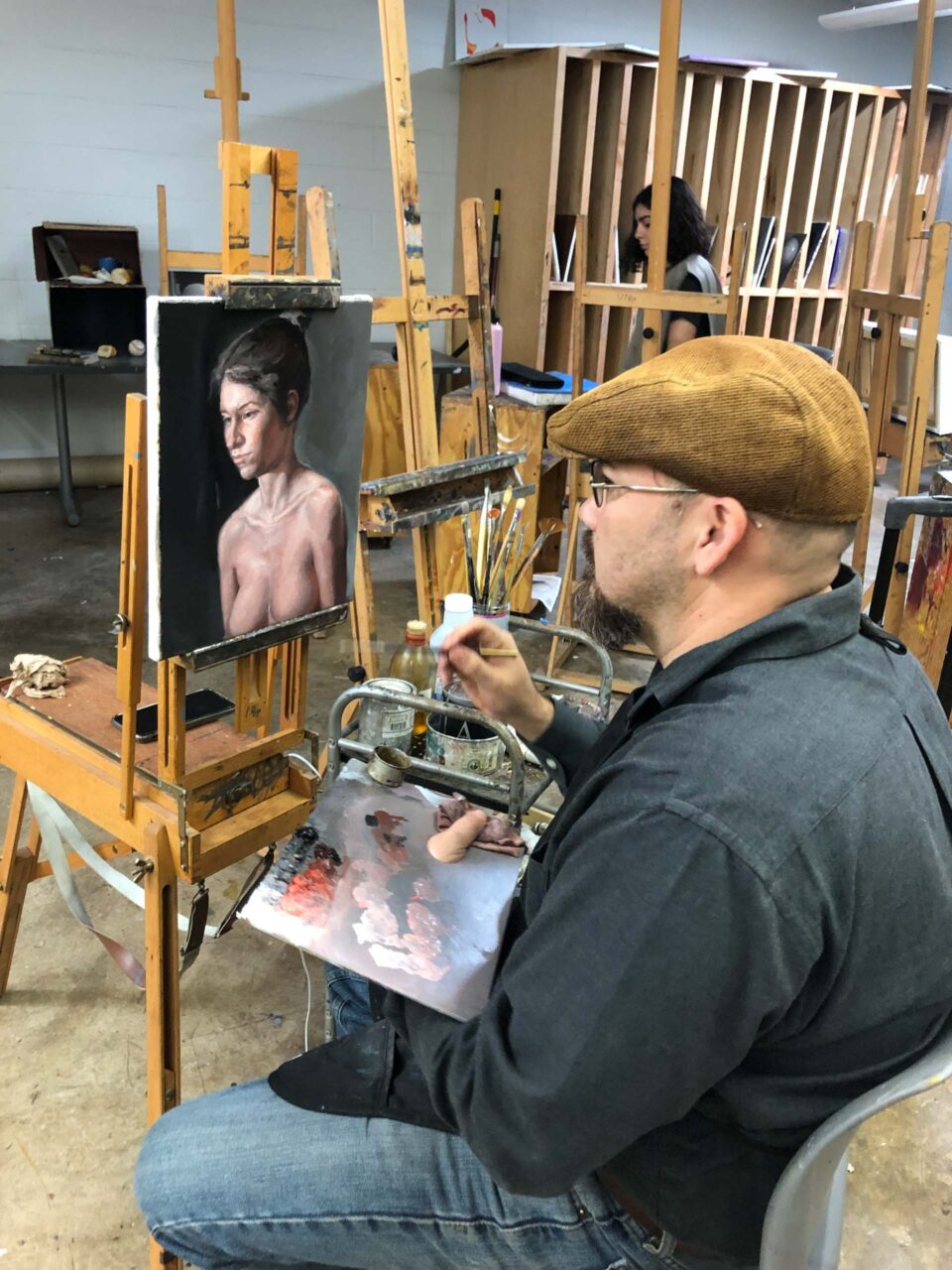
“I think of my paintings as re-enactments, and I look for models to use in the scene so that the immigrants are not further victimized.” — Rigoberto A. González
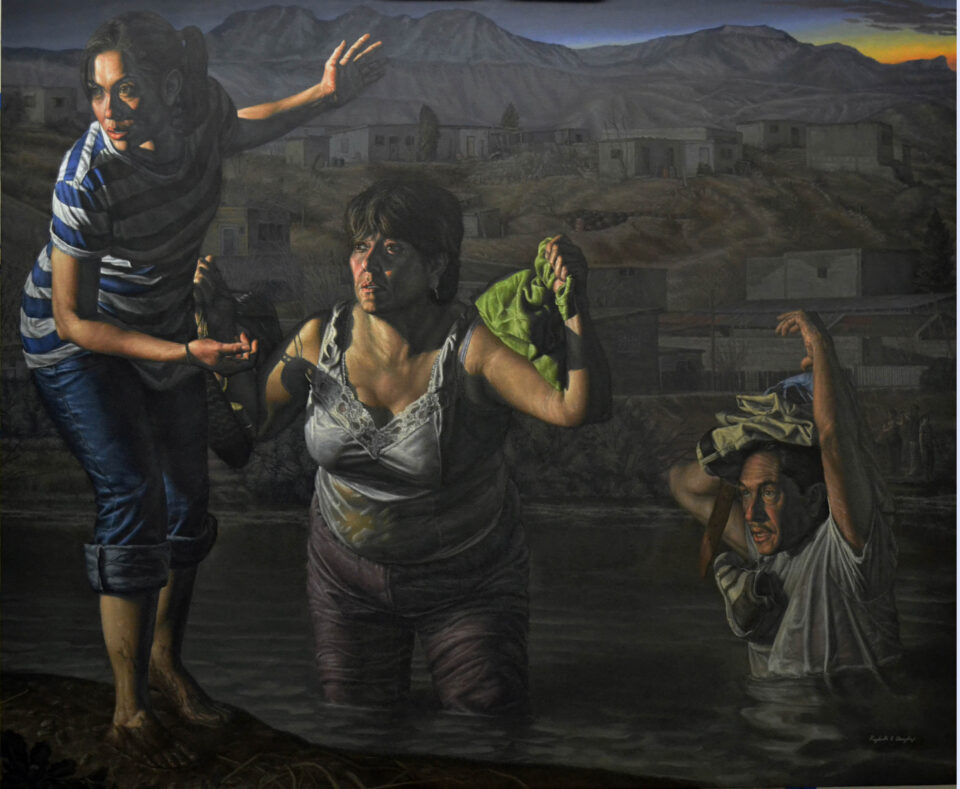
The Guide
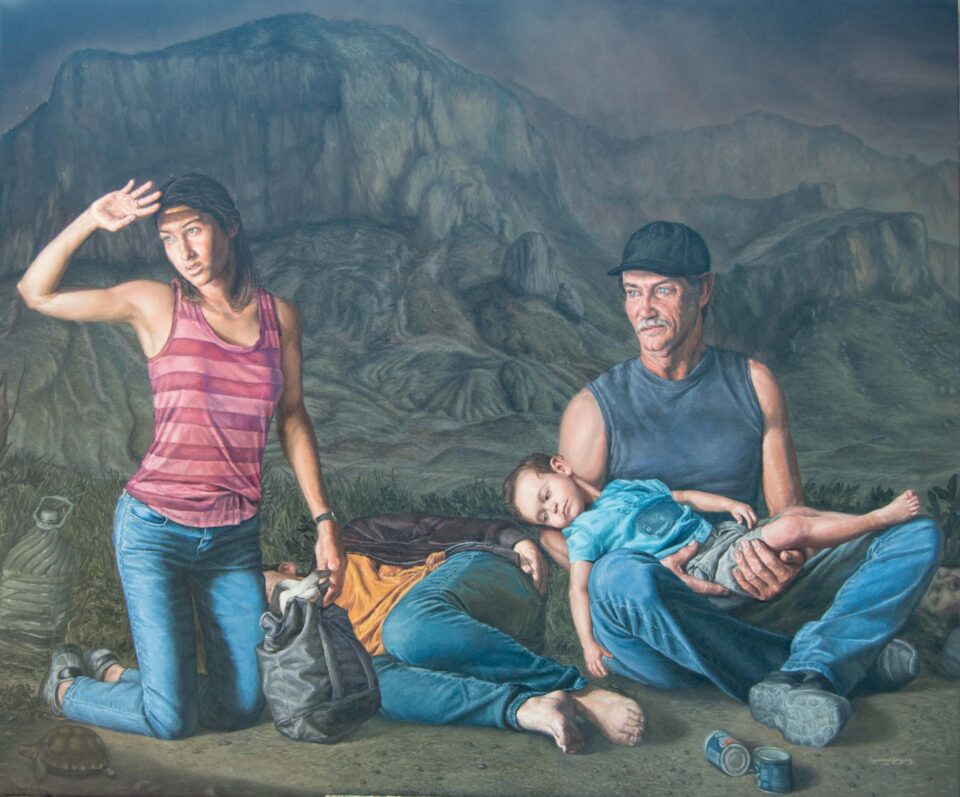
The Rest of the Flight to Egypt
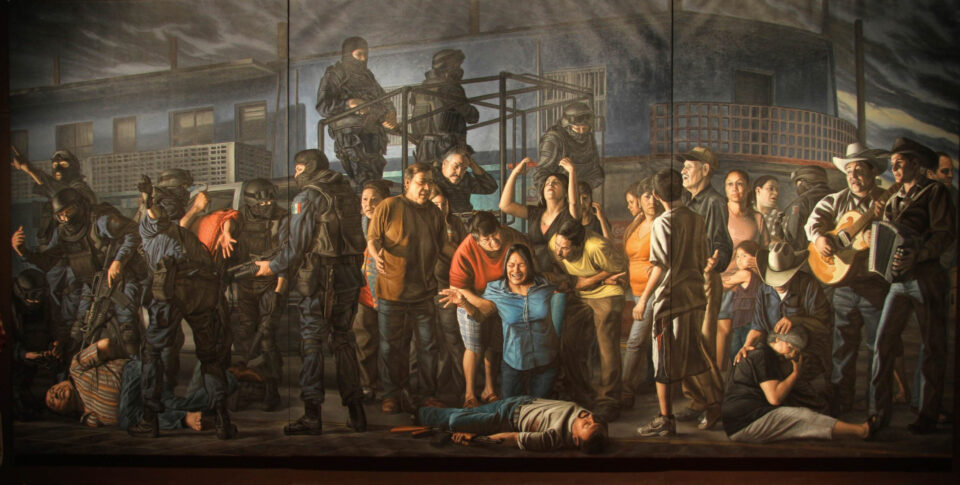
Born in Reynosa, Tamaulipas, Mexico, González grew up in San Juan, Texas, and earned an MFA from the New York Academy of Art in 2004; he now resides in McAllen, Texas and teaches at the University of Texas Rio Grande Valley. Much of his work focuses on the border and those existing within, or passing though, that liminal space. González is keen to point out, however, that the family depicted in the painting in question—or any of his works—aren’t actual immigrants. “I visit centers where they help immigrants,” he says, “but I never use them as models because I think they’ve been victimized, and I don’t want to profit from their victimization. So I think of my paintings as re-enactments, and I look for models to use in the scene so that the immigrants are not further victimized.”
Nevertheless, the painting depicts a very real situation that many immigrants have encountered—though González makes the point that, with the recent increase of ICE agents and abductions, the dynamic has shifted since he first painted it some five years ago. “If they were a real couple in the current situation, they would be hiding,” he continues. “They would maybe not want to go to work, the children would not go to school, and probably the father in the painting is hunted down by ICE and maybe gets captured. So that gives me ideas for more paintings. But that American dream is no longer there—or if it is, it’s quickly vanishing.”
González’s work has long focused on the border, so he was shocked and surprised to find himself specifically targeted by the Trump regime. But he also considers it something of a compliment. “I feel like a rebel,” he smiles. “I’ve always admired rebels, from Che Guevara to Emiliano Zapata, so it’s pretty cool. It’s interesting also because it was a terrible way of trying to censor. They didn’t censor anything. They promoted. I remember reading that in the Soviet Union, when they wanted to censor somebody, they would send you out to Siberia, to the Gulags. It was Noam Chomsky who said that in America, we don’t do that. [Chomsky] hadn’t become more radical, but instead of censoring, the news agencies had become more conservative and they stopped calling out to him for commentary or opinions. So they push you aside and forget about you. But they put me as the second image there on the press release and so it garnered me a lot of attention.”
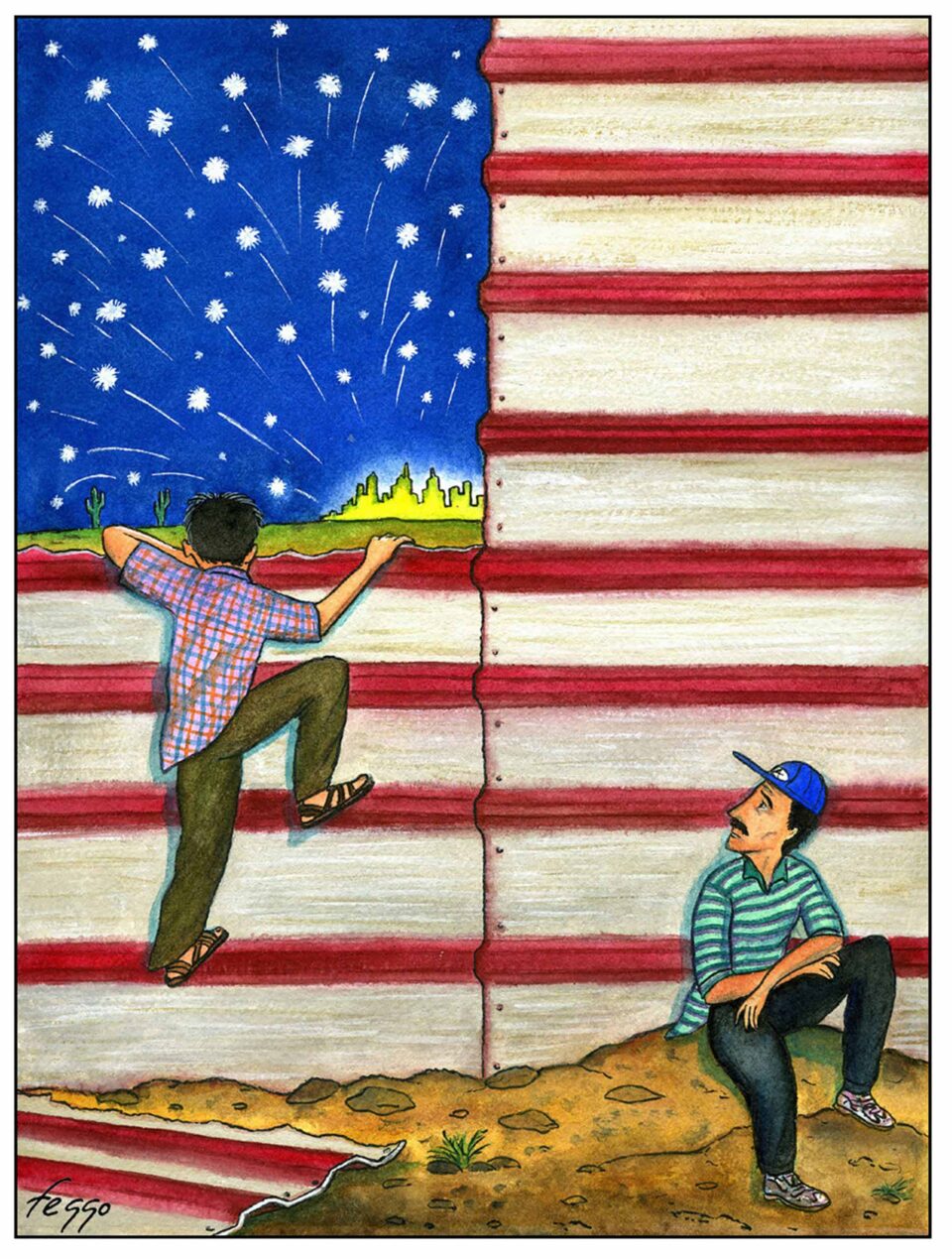
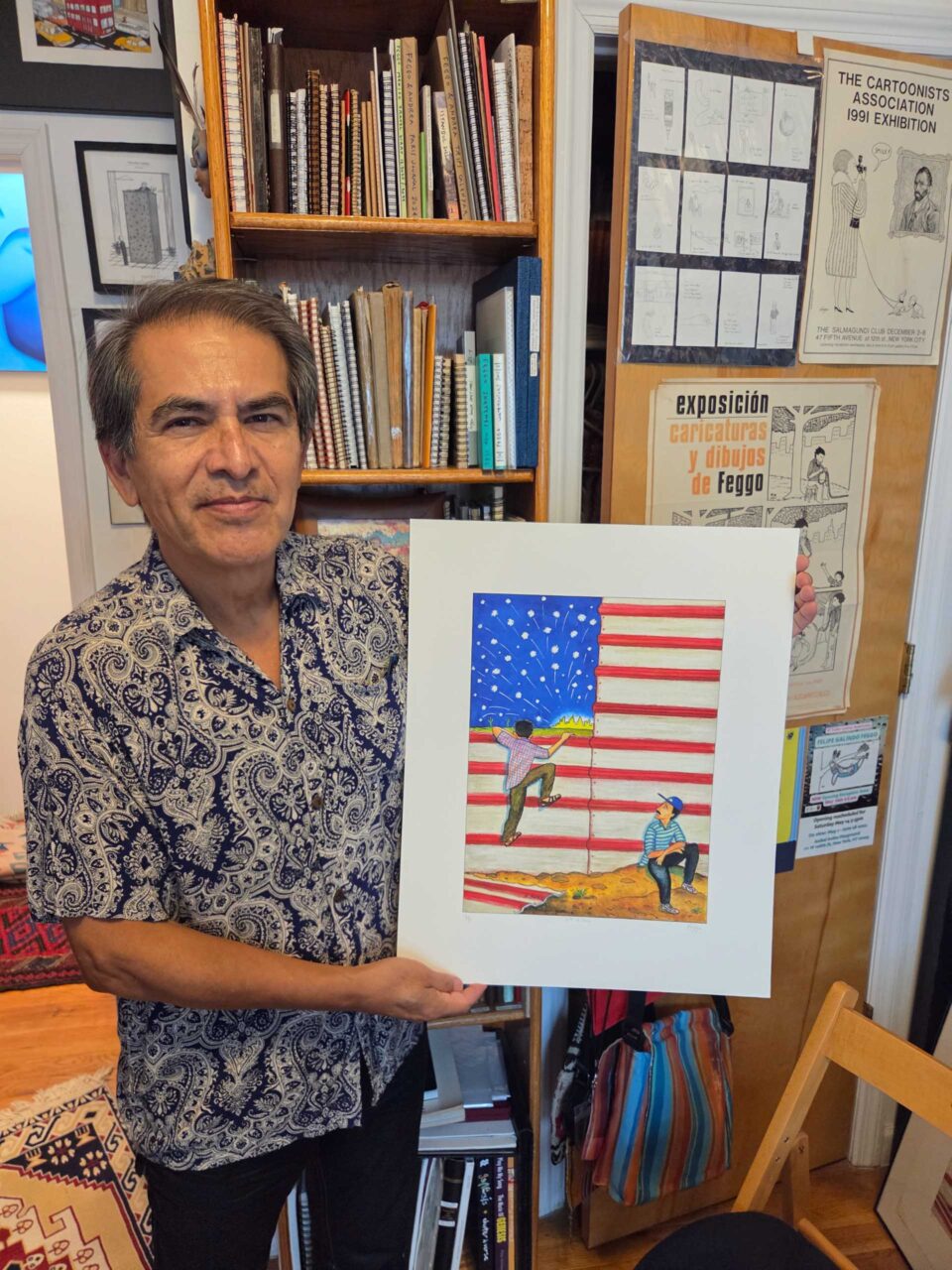
4th of July by Felipe Galindo
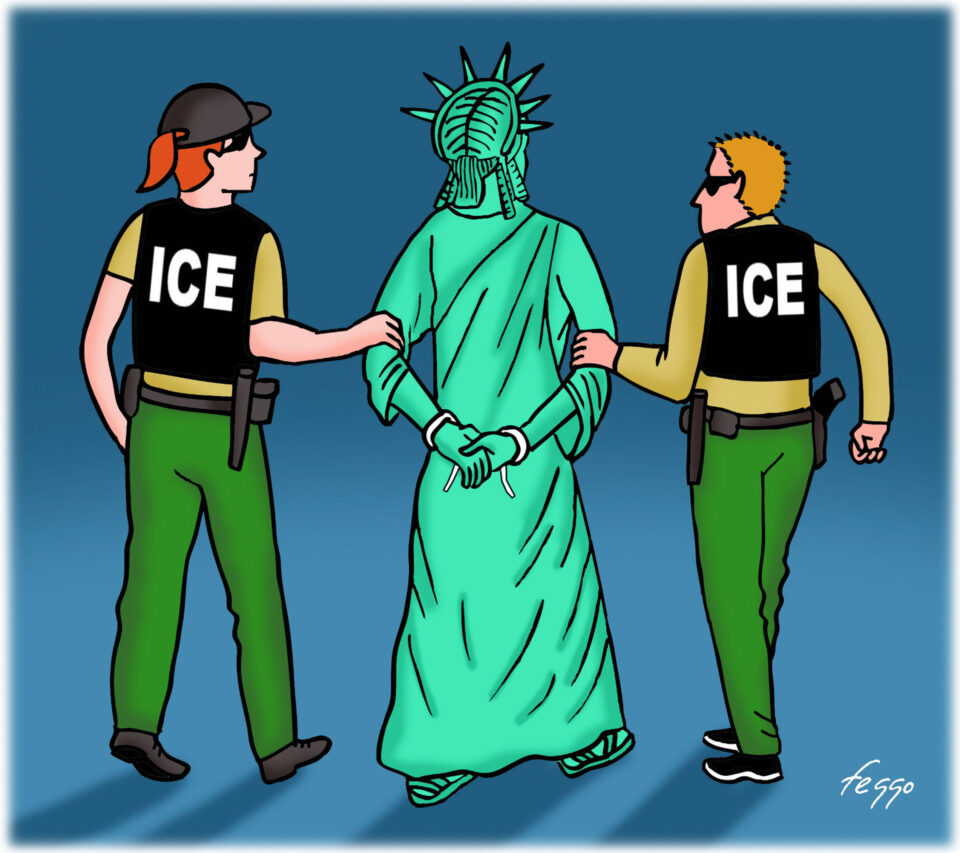
Felipe Galindo—also known as Feggo—was similarly shocked to find himself included on that press release, but his reaction was more of vulnerability than rebelliousness. His piece, 4th of July From the South Border, was made in 1999 and housed at the National Museum of American History’s Molina Family Latino Gallery. Its depiction of two immigrants at the old border wall creates a version of the American flag that’s steeped heavily in metaphor. Part of Manhatitlan, an ongoing series of works that combines Mexican and American culture (Galindo was born in Cuernavaca, Mexico and has lived in New York City since the 1980s), he says the picture is about “a wishful thinking” that many immigrants have (or at least used to have) about the USA. “It’s two guys on the border at the old fence, which used to have that shape and which, by the way, were metal planks that were a surplus from the first Gulf War that they didn’t know what to do with,” he says. “I turned the bars into red and white, and where the missing part is I put fireworks and a shining city. For me, it’s a reference to when the Spaniards invaded the continent and were looking for El Dorado, which is what migrants today are looking for in the US.”
After a friend alerted him to the fact that his piece was included on the White House newsletter, Galindo actually went to Washington to find that the entire exhibition in the Molina Family Latino Gallery had been closed. “I ask around,” he remembers, “and nobody knows anything. Nobody wants to get in trouble or say anything that will jeopardize their jobs. The exhibition was supposed to be open indefinitely, because it represents Latinos in the US. But some journalists found out that because [this] year is the 250th anniversary of the nation, Trump doesn’t want anything that creates controversy. And so he said that the museums have to rewrite or revisit certain parts. I’m offended. I’m upset that this exhibition of our history in the US is erased. It’s gone.”
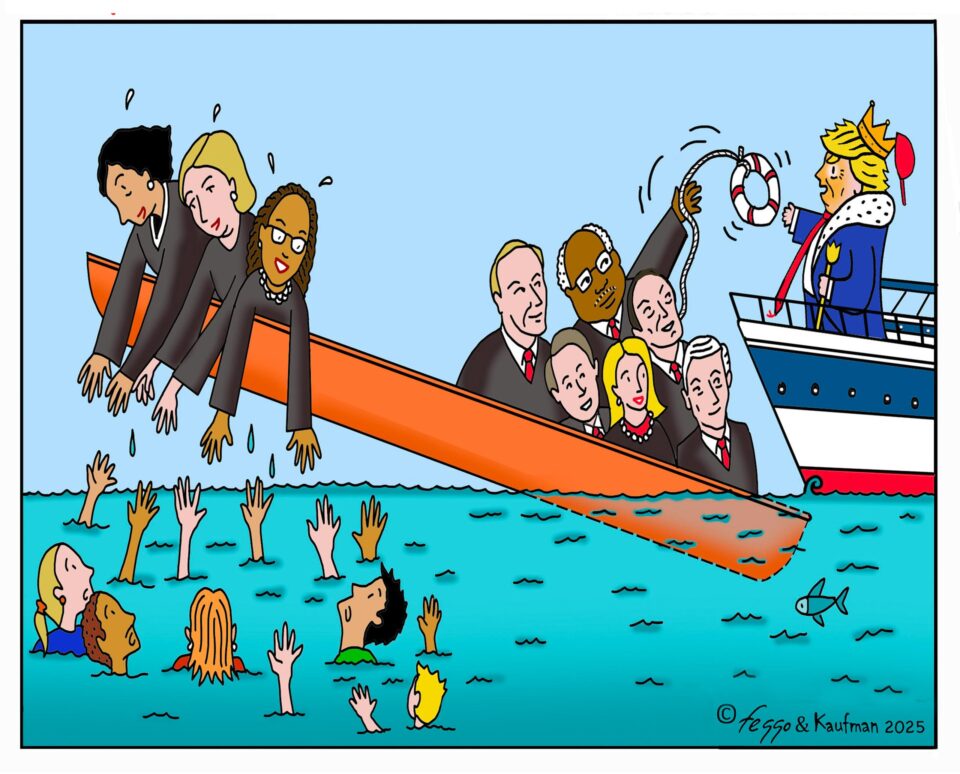
“Trump doesn’t want anything that creates controversy… I’m upset that this exhibition of our history in the US is erased. It’s gone.” — Felipe Galindo
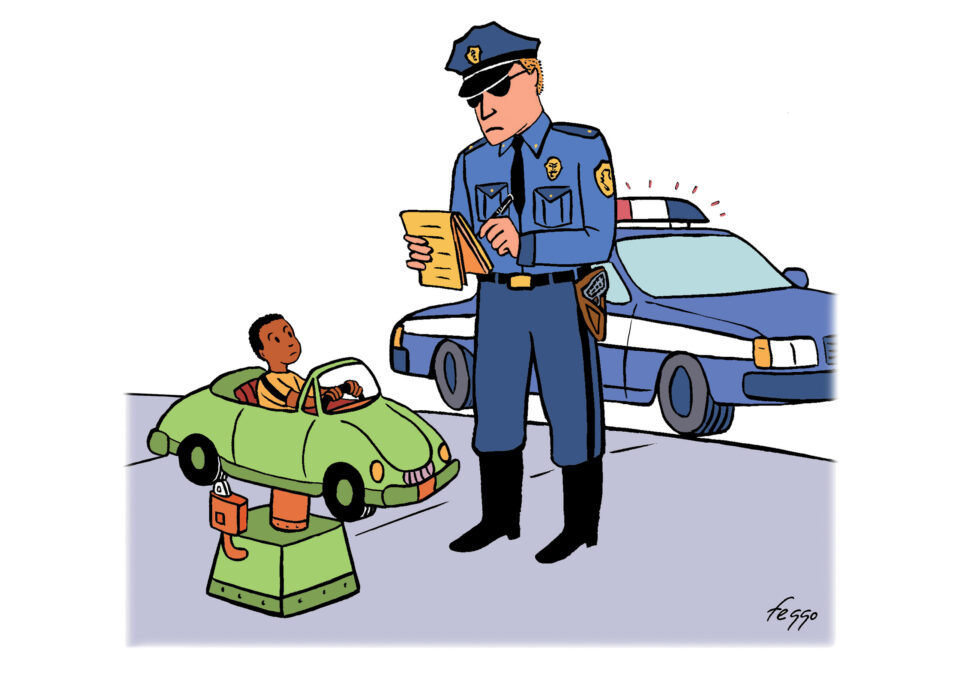
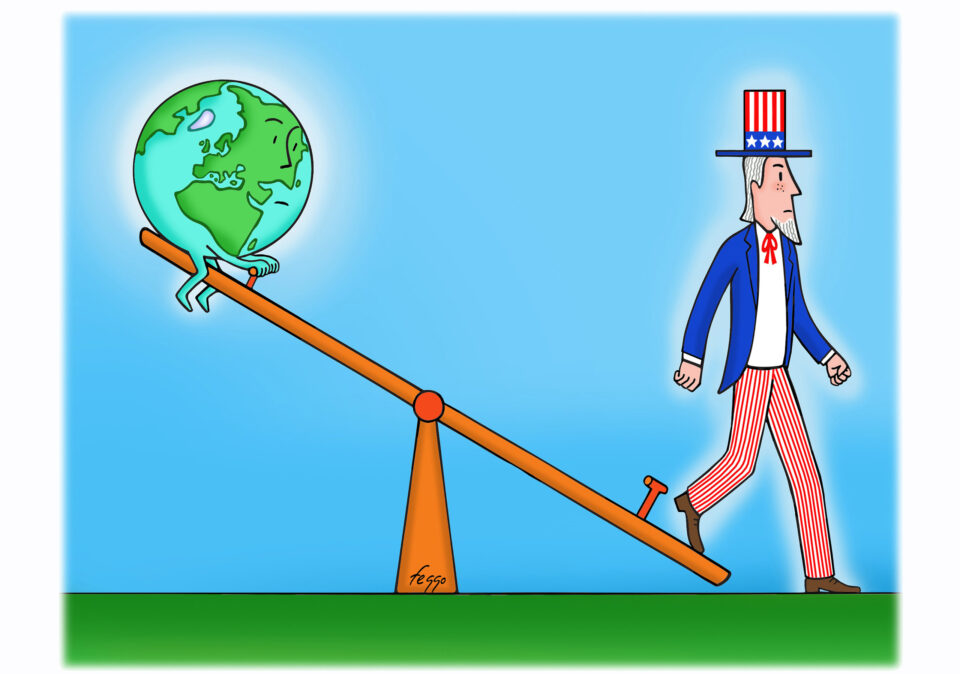
It’s something that Galindo’s wife—artist, activist, and curator Andrea Arroyo—is equally dismayed about. Although she wasn’t targeted this time around, after Trump was elected in 2015, she curated an exhibition called Unnatural Election, which showcased the response of some 400 artists from around the world to Trump’s victory. A TV interview about the project led to Trump’s then-advisor on diversity pronouncing Arroyo “anti-democratic and disrespectful” on national television. “It was pretty impactful,” she remembers. “But this time feels different because the targeting is much more specific. I feel like when I was harassed and that statement was aired, it felt more like an opinion about a person who’s doing something that they didn’t like. This is more about philosophy and a point of view—it feels different because it’s not just an opinion about a person, it’s more about a whole way of thinking.”
As scary—and authoritarian and fascist—as these developments are, they’re also a reminder of the power art holds. Because for all its misguided bluster, the Trump administration feels the need to erase voices that represent an intrinsic part and truth about American history. It also proves, once again, that censorship of art never works. González says that, off the back of the commotion, he saw a significant increase in sales of his work; and Galindo, despite the vulnerability he feels, is inspired to speak out even more through his cartoons than he already was. “I’m going to continue doing it,” he tells me shortly before he and his wife took home awards at 2025’s Saint-Just-le-Martel International cartoon festival, where both artists had exhibitions. “I have to do it, it’s kind of my duty as an illustrator. But sometimes these things scare the muse away.”
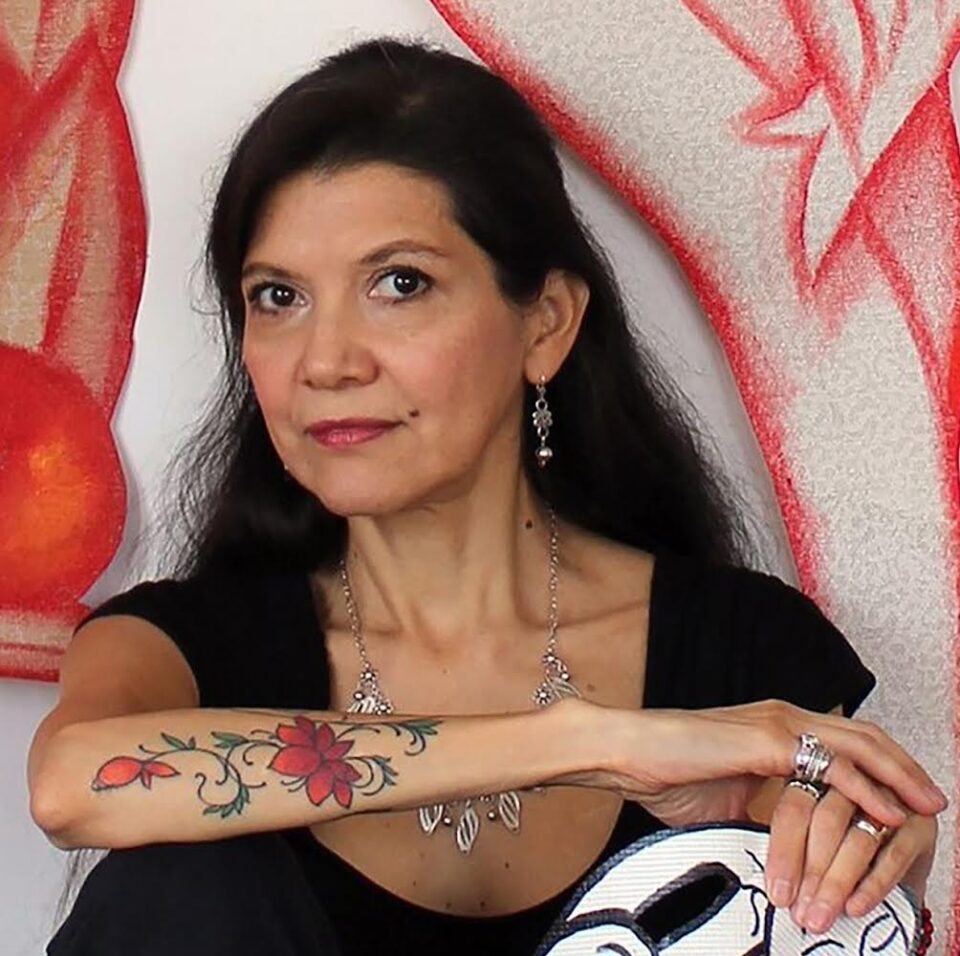
Andrea Arroyo
“It’s not frightening me enough to not keep doing it. It’s more frightening for me to think about people who are even more vulnerable.” — Andrea Arroyo
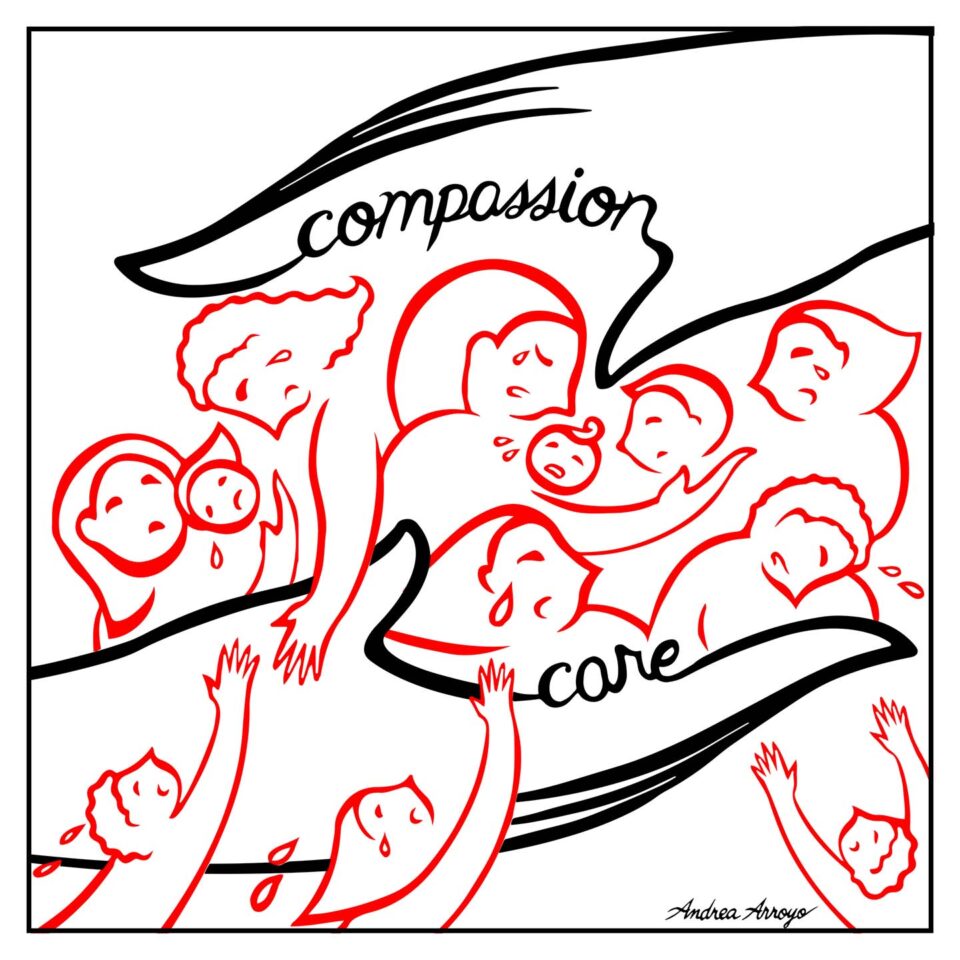
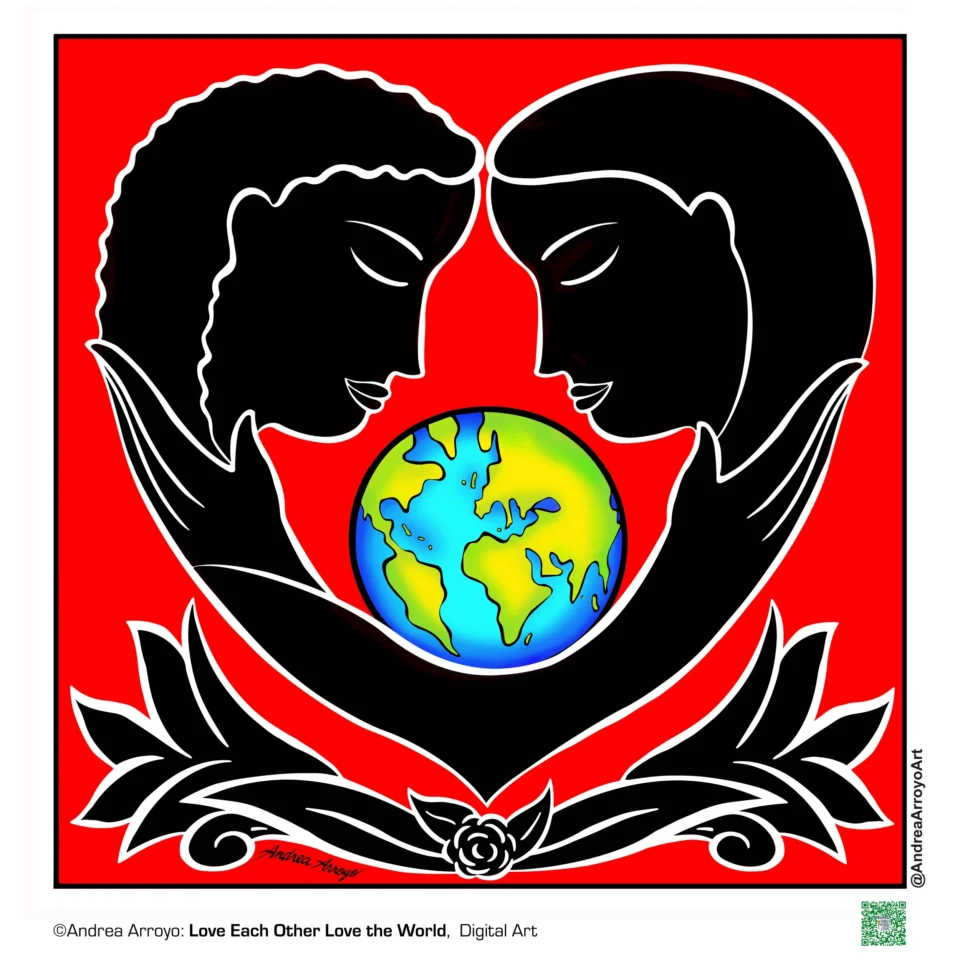
That’s something Arroyo agrees with. “It is frightening,” she agrees, “and I do feel vulnerable, but it’s not frightening me enough to not keep doing it. It’s more frightening for me to think about people who are even more vulnerable. That they’re harassing artists really is a sign of how far this is going. Art is supposed to be universal and it’s supposed to have free expressions, and trying to silence artists is very extreme. It’s a sign of how bad things are and it’s scary—but we need to fight it, because otherwise it’s just going to go too far.” FL
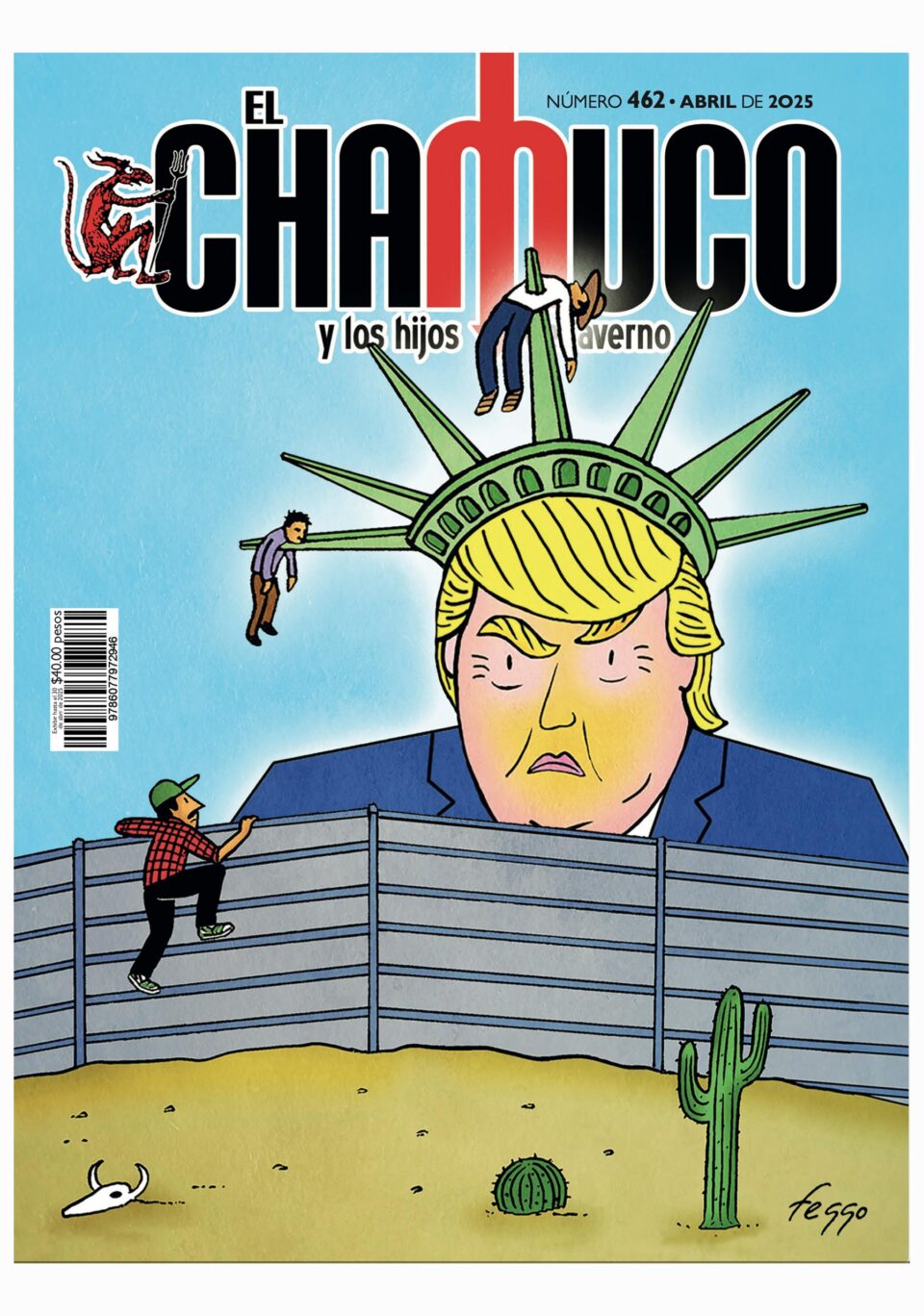
Liberty Trump by Felipe Galindo
