

Suki Waterhouse
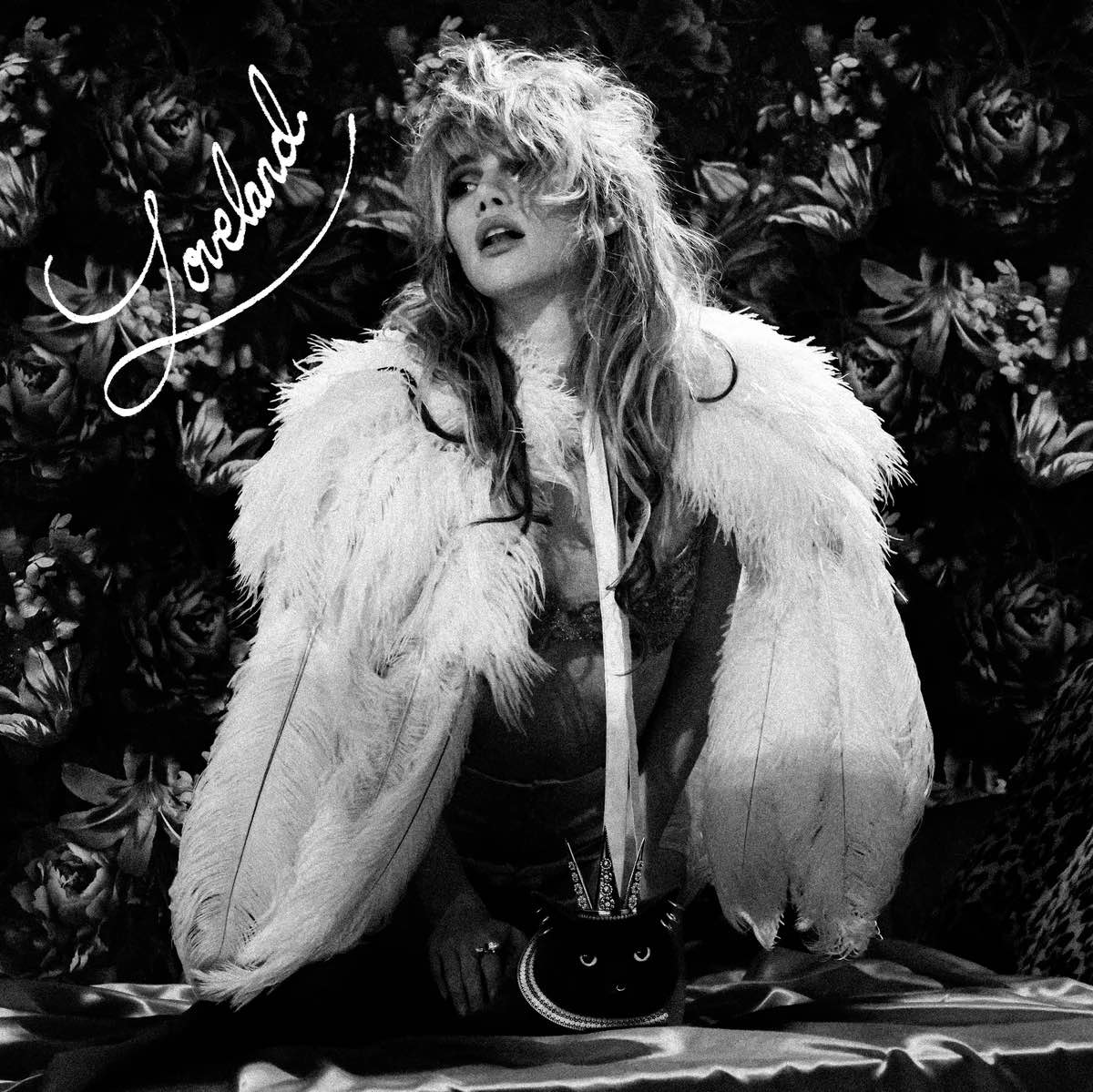
Loveland
ISLAND
In 2024, Suki Waterhouse released her mawkishly titled second album, Memoir of a Sparklemuffin. Largely written while she was pregnant with her daughter, it used the concept of a sparklemuffin spider’s metamorphosis as a metaphor for transformation. Though hardly Kafkaesque, it’s a cute—if somewhat obvious—idea, and one that played off pretty well (it’s still a terrible title, for what it’s worth). Loveland is the British model, actress, and songwriter’s third album, and, as its much more straightforward moniker suggests, it’s a record about the effects of giving your heart to somebody else—not just her partner, actor Robert Pattinson, but also their daughter.
Made with a host of impressively big-named collaborators including Amy Allen, Aaron Dessner, Mick Fleetwood, Joel Little, and Semisonic’s Dan Wilson, as well as longtime co-conspirators Jules Apollinaire and Natalie Findlay, Loveland ironically sounds like an album made by someone whose ideas are still in transition, someone who’s undergoing their own metamorphosis. That’s to say that across its 14 tracks, Waterhouse ultimately struggles to find or settle into her own identity. “Happy with It” is an old-timey ballad that takes this record a few decades back in time before it blossoms into a breezy, more modern-day pop tune. It’s followed by “Notting Hill,” a dreamy, melancholic ode to Waterhouse’s twenties and the part of her hometown she spent them in. It’s a slow-motion blast of euphoric nostalgia, but also just feels a bit vapid.
The same goes for the next two tracks, “Teardrops” and the sultry, seductive “When I Get Drunk (I Want You Boy).” It’s hard to say why the latter doesn’t really work—perhaps it folds underneath its overt sexuality—but rather than hot and steamy, it feels rather disingenuous. The energy and attitude that should’ve carried it is found, however, in the uptempo “Jukebox” and the breathless “Almost,” the latter of which captures longing and lust much more naturally and accurately. Elsewhere, the title track drifts into a smoky haze of dreamy guitars, while string-laden closer “Weirdo” is a trip back in time to early love that feels, even in its awkward mini-rap middle eight, heartfelt and genuine—an extension of pure feeling rather than an artificial creation of it.
It’s also hard to not draw comparisons to both the old-timey aesthetics of Lana Del Rey or the more visceral and heartfelt, intelligent, and mature way Olivia Rodrigo covers the same feelings and themes, even though she’s some 11 years younger. For while Loveland does have its moments, they’re often a little too forced, too obvious, too derivative. Waterhouse, it seems, is still transforming, still finding herself, still unsure of what—and who—her songs are.
