




Lambchop
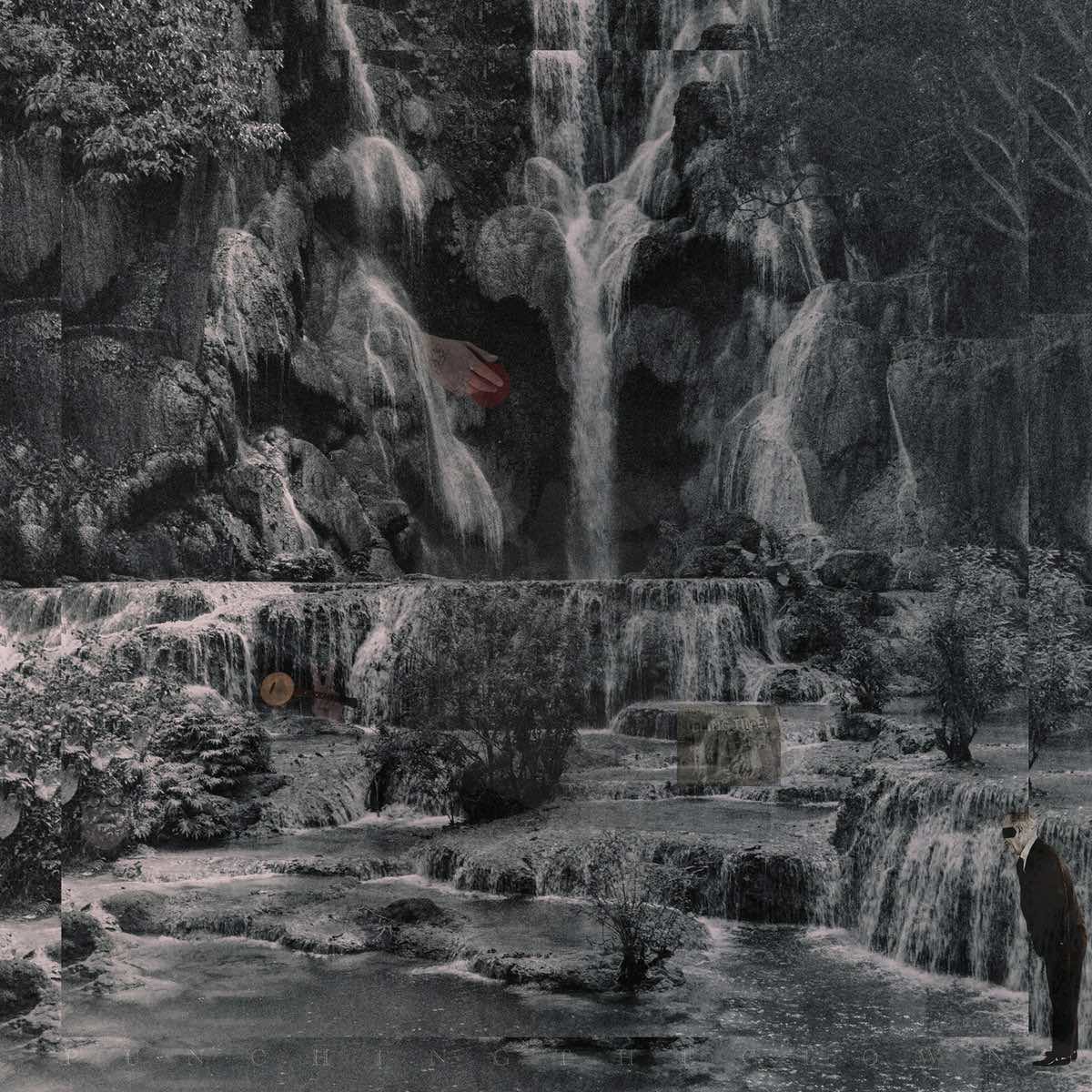
Punching the Clown
MERGE
One night in 2024, Kurt Wagner—the stalwart Nashville songwriter who performs as Lambchop—became fixated on a mysterious song he heard on the radio: “a minimal single chord strummed banjo and a small group of voices,” as he described it, a sound that summoned early country gospel. His feverish search came up empty, but it led him to lined-out singing, an a cappella call-and-response tradition Scottish immigrants carried to Appalachia in the 1800s. Without widespread literacy and formal musical training, a clerk leader would sing each verse alone before the choir surged in, triggering their collective memory to complete the song.
Wagner’s constantly mutating project returns to its most unvarnished form on Punching the Clown, stripping away the thick electronic textures and Auto-Tune that once clouded the stories on 2016’s FLOTUS. His 17th album in over 30 years mourns the ease, slowness, and eerie grace of America’s flyover country through haunting, unadorned arrangements. He wrings everything he can from the analog with the help of the Eau Claire Vocal Sextet, another six-piece choir from London, and banjo courtesy of Justin Vernon (yes, that Justin Vernon). There’s no percussion, only castanets.
“Weakened,” the album’s lead single, distills this esoteric method most clearly. Wagner starts alone, “revealing the raw beauty and power of the human voice with its unique varieties” as he writes. Every flaw—the crack in his voice, the scrape of guitar strings—pushes back against a culture that prizes digital lacquer. AI tools and infinite takes supposedly help artists sand music toward perfection, but Wagner leans into the gravity of his errors. He recorded the entire album—30 tracks whittled down to 12—in just three days in Vernon’s April Base studio. “Let’s just say I tried for simple, restrained vocabulary to get closer to a modest amount of truth through a guise of hyper-naturalism, grief, love, and humor,” he explained in a press statement. Solemn devastation pools in the corners of “The New World Wave” and “Afterburner,” while “Cigar” and “To Do” turn daily rituals into small romances.
That return to understatement makes the shout of “Lampchop, new shit!” on the opener “Just West of Nicollet” land with a thud. At first the voice is distant enough to mistake for ambient noise. But these ruptures recur across the record, tearing small holes in the veil and proving Wagner still has mischief left in him. Throughout his career, he’s largely avoided personal spectacle and industry drama, a reserve that’s given him room to chase unlikely reference points without the weight of expectation. But here, he prioritizes rough edges and plainness while reminding longtime listeners that experimentation still runs the show. Seventeen albums in, Punching the Clown extends Wagner’s lifelong study of the human voice and the power it carries when it’s warped, exposed, or left bare.
