

U2
Carnaval de Luz
ISLAND
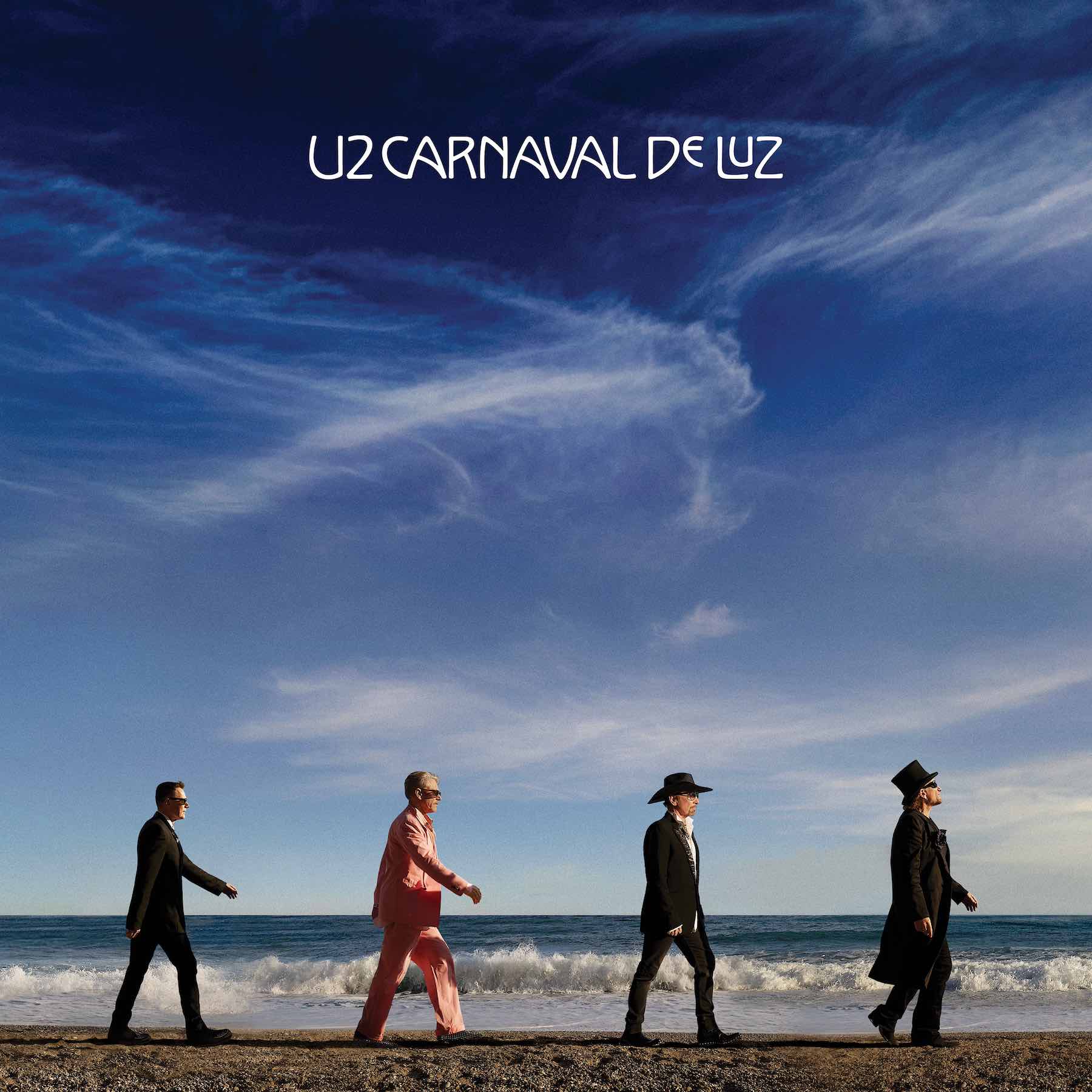
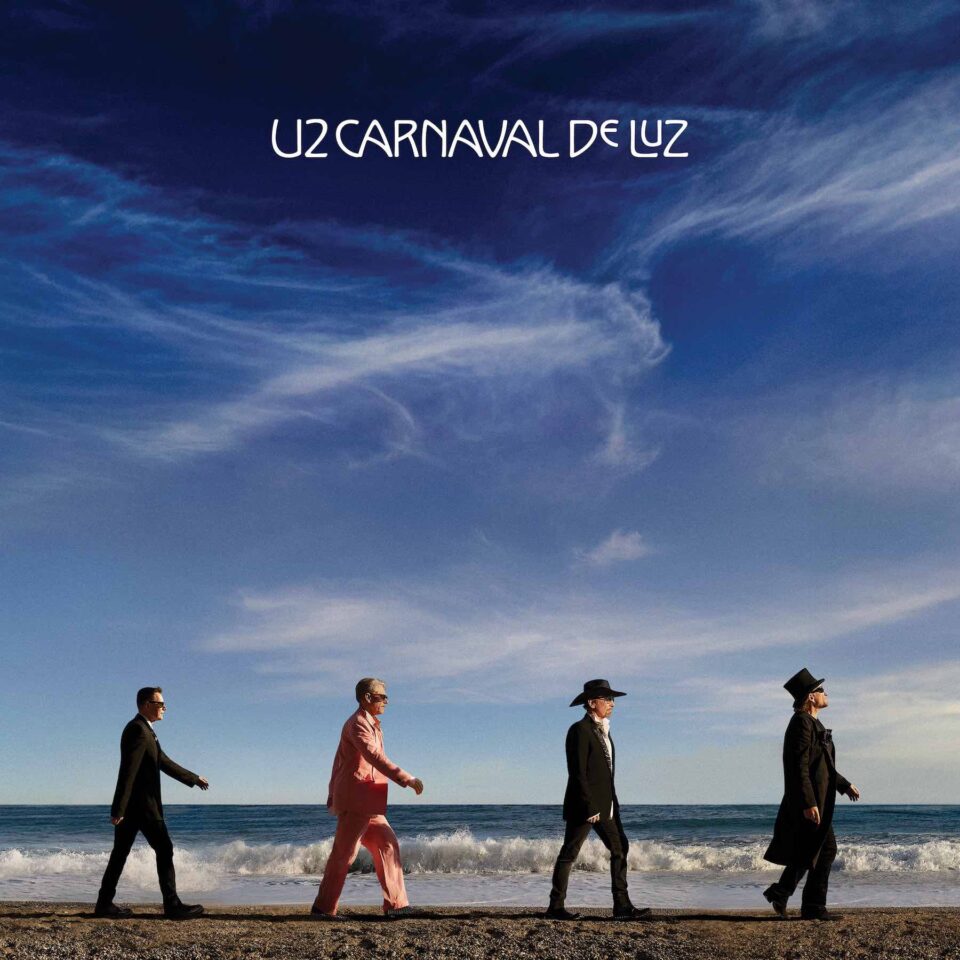
If U2’s last proper full albums—the back-to-back bummer of 2014’s Songs of Innocence and 2017’s Songs of Experience—seemed dully scattered and overly ponderous, Carnaval de Luz is the Irish quartet’s swift-kicking response to the letters to themselves that comprised that dyad. Carnaval is still the thinking man’s U2 with no less rumination than, well, their entire catalog (save for Zooropa), and yet, there’s a bemused-by-it-all lyrical focus and their crispest, most memorable melodies (and production) since How to Dismantle an Atomic Bomb to lift their 16th studio album beyond the rest of their 21st century’s gray pallor.
“Go (Carnaval de Luz)” shows off that U2 still know how to open an album with a song that sets the full disc’s thesis (“The past and me have got to break up,” writes Bono) and enlists one-time producer-collaborator Brian Eno to help find a frayed and frazzled edge to the track’s swelling ambience. To that end, “Torn” is one of U2’s most epic finales, an album-closing story of warring family factions done to the strains of co-writer Dolly Parton’s vintage whine together with pedal steel’s sliding from Daniel Lanois. In between those stark poles, there’s a simpler, sparer sonic parenthesis supplied by producer Jacknife Lee in which a rushing whoosh of The Edge’s acoustic guitars set up “The Mirror Maker (Rosalía)” and its plea for positivity and empowerment-lite, additionally ripping through the rest of the album as loudly as the six-string-slinger’s more electric riffs.
Like The Edge does with his biggest parts, Larry Mullen Jr. and Adam Clayton’s hypotonic rhythms serve U2’s pop-muzik hooks (rather than themselves), whether it’s something buoyantly playful (“La Reina”) or a track unusually (for U2) sensualistic such as “Glorify.” Into the fray, Bono finds a world worth saving (again), but without his chosen senatorial oratory through the falsetto hooks of “Superficiality” and its freedom-is-a-feeling, up-with-people vibe—as well as the rough-voiced “Silencio,” where the vocalist finds his bliss and invocation (along with a righteous Motown shout out) riding the wave of old-school surf-garage rock.
I’d stress the necessity (and eccentricity) of Carnaval’s deluxe edition because it includes their EPs Days of Ash and Easter Lily, released in February and April, respectively, as they set an earthen context of glum-but-good protest song and holy-rolling, funeral-pyre pop through which Carnival crashes like the Kool-Aid Man. Carnaval is bold on its own, but it’s just that much better within this grander package’s re-framing, and makes its main attraction seem less preachy than it actually is.
In its own way, U2’s celebratory Carnaval de Luz feels like something they should’ve done at the start of the century, rather than a quarter of the way through it. Then again, maybe now is when we need an optimistic, poppy U2 most. Better late than never, I say.
