



Immediately before screening Chronovisor, I was fed an Instagram ad for an event at the Chicago Public Library about AI literacy that featured speakers from various city government departments and community organizations alongside delegates from Google, Microsoft, and Nvidia. The post’s replies thoroughly voiced the concerns that immediately came to my mind—CPL’s resignation to the miserable future we’re willingly handing over to an increasingly apocalypse-giddy big tech; the fact that this technology is very literally being built upon the ashes of print literature—but for the next 99 minutes I was forced to reflect on the extent to which these two institutions are at-odds with each other. One serves as a cultural, literary, and historical pillar of our society, the other actively paves over it with misinformation, dubious histories, and a hideous void that’s actively feeding on the humanities.
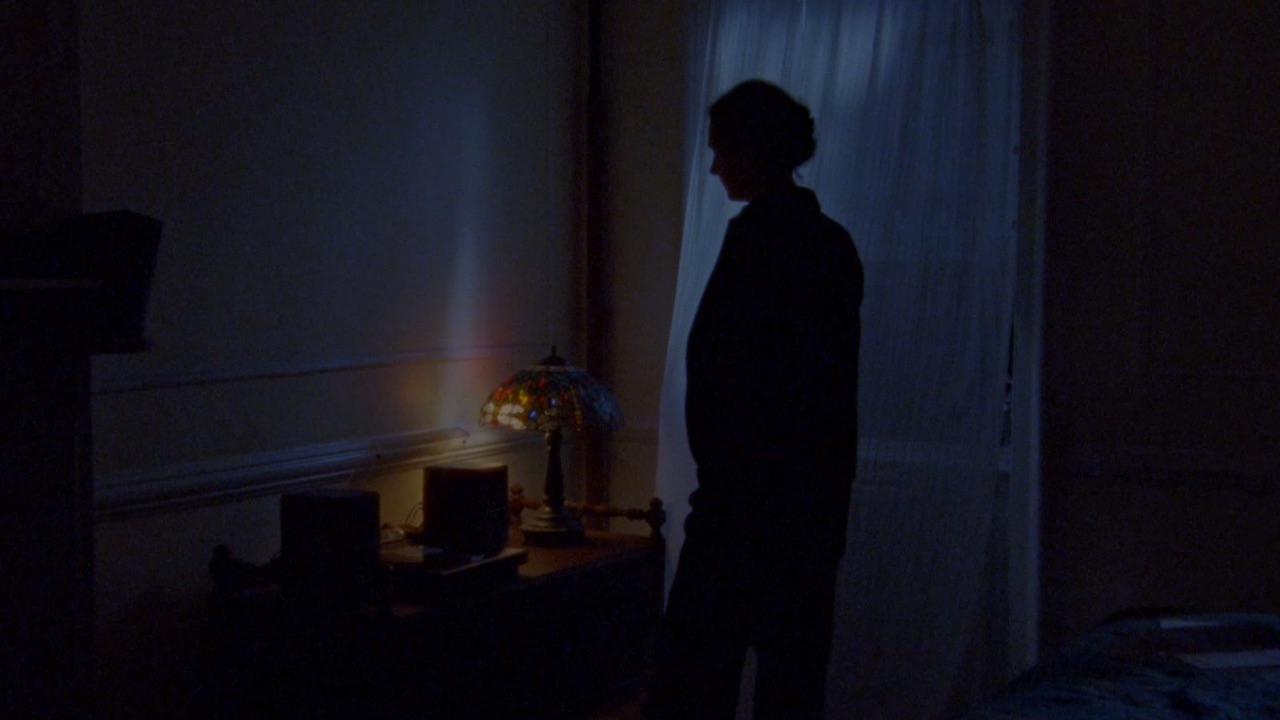
Chronovisor is about an academic named Béatrice Courte who becomes invested in a research subject to the point that she seemingly loses all focus on everything else in her professional and personal life (lecturing students in class and colleagues over wine, respectively). Nearly the entire movie is dedicated to text passages curated (and translated) by her from her POV as she puts together puzzle pieces about the titular time-travel device allegedly constructed by a monk in the mid 20th century—yet which doesn’t even have its own dedicated Wikipedia page, as remarkable as it sounds. It’s a familiar rush for anyone who’s ever spent hours in a library going down similar rabbit holes and likely a pretty dull watch for just about anyone else. With Catholicism at its core, it’s to used-bookstore denizens what The Da Vinci Code was to anyone whose bookshelves were lined with airport purchases.
You get the sense that first-time writer/directors Jack Auen and Kevin Walker were just as enamored by the subject as their character is, with the film’s nearly fetishistic tactility further suggesting their understanding that libraries are generally an olfactory experience just as much as they are information hubs. The film’s vaguely early-’70s-horror marketing materials, analog film style, and classical score (not to mention its fairly cursed smashed VHS tape, which Béatrice competently reassembles by hand) only help to immerse the viewer in the era she finds herself getting lost in. You may forget that the film is based in the present during a scene where she’s listing her bibliography to a librarian in hopes of securing a few interlibrary loans, yet these texts soon lead to her tracking down their authors via cellphone, the same device we’ve become accustomed to using while engaging in similarly intensive research to learn whether the headline we just read on IG was a joke or not.
There’s also a nagging feeling that the Chronovisor already exists. It’s described as structurally resembling a TV, and its function sounds a whole lot like the self-surveilling society we’ve built in the 21st century across various social media channels. The device seems to provide access to every moment of human history rather than just the important ones, less so recalling Bill & Ted than the uncurated online spaces that date at least as far back as the digital photo dumps commonly seen in the early days of Facebook. You can almost picture future Béatrices scrolling through backdated Instagram posts to learn about the development of AI and its ill-advised crossover events, whether it be a utopian future where artificial intelligence was just an annoying trend or a dystopian one where technofascism ushers in a society of subservience to the robots we’re currently laughing off on Reels as they malfunction in the middle of a dance demonstration.
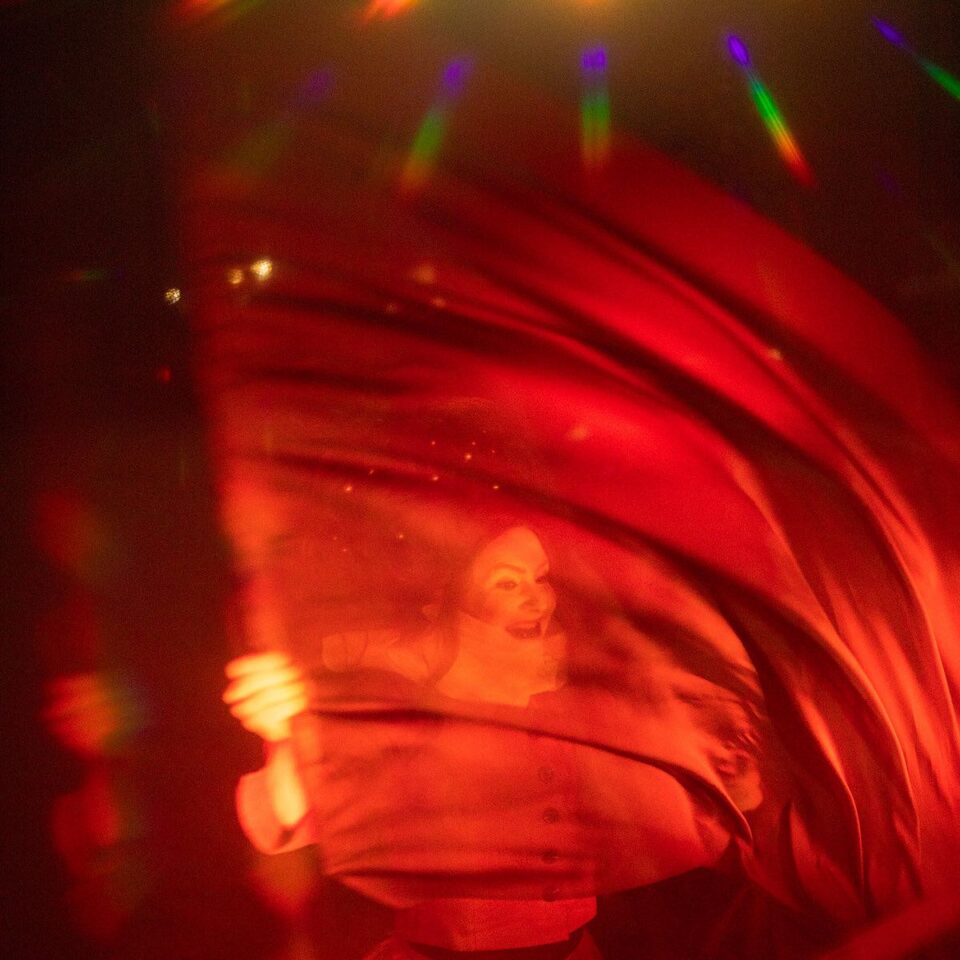
While the video-art spectacle of the final scene does feel a little found-footage-horror, maybe what’s scariest about Chronovisor lies in what the audience brings to the minimalist build-up to that trippy finale. Consider the way Béatrice’s sources note that this technology was immediately buried by the authorities when they learned of its power and the invasion of privacy it would normalize when in reality, television, the internet, Snapchat, and the Apple Watch that surveils our neighbors’ conversations were all launched upon a global population with little more than a handful of academics warning us against the fundamental changes they would bring to our society, let alone our species. Which is all to say that the film was easily the second most unnerving thing I witnessed on a screen during that particular sitting.
