
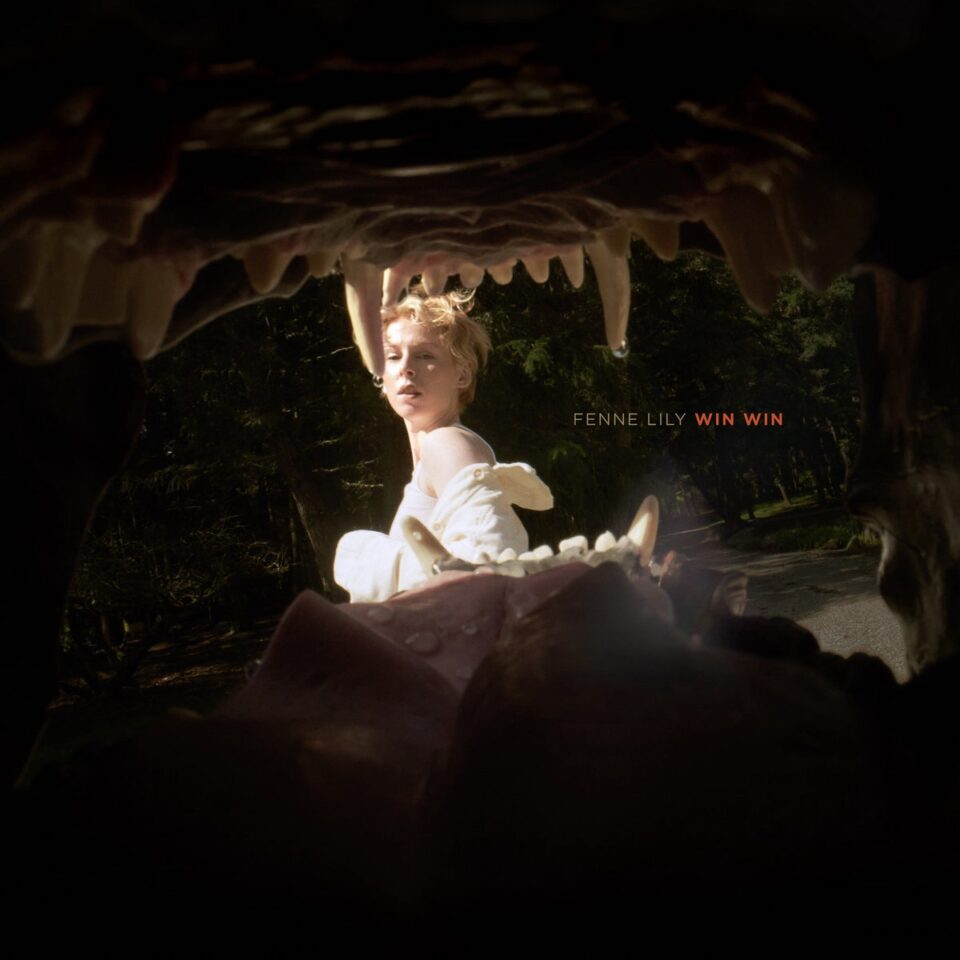
Fenne Lily
Win Win
NETTWERK
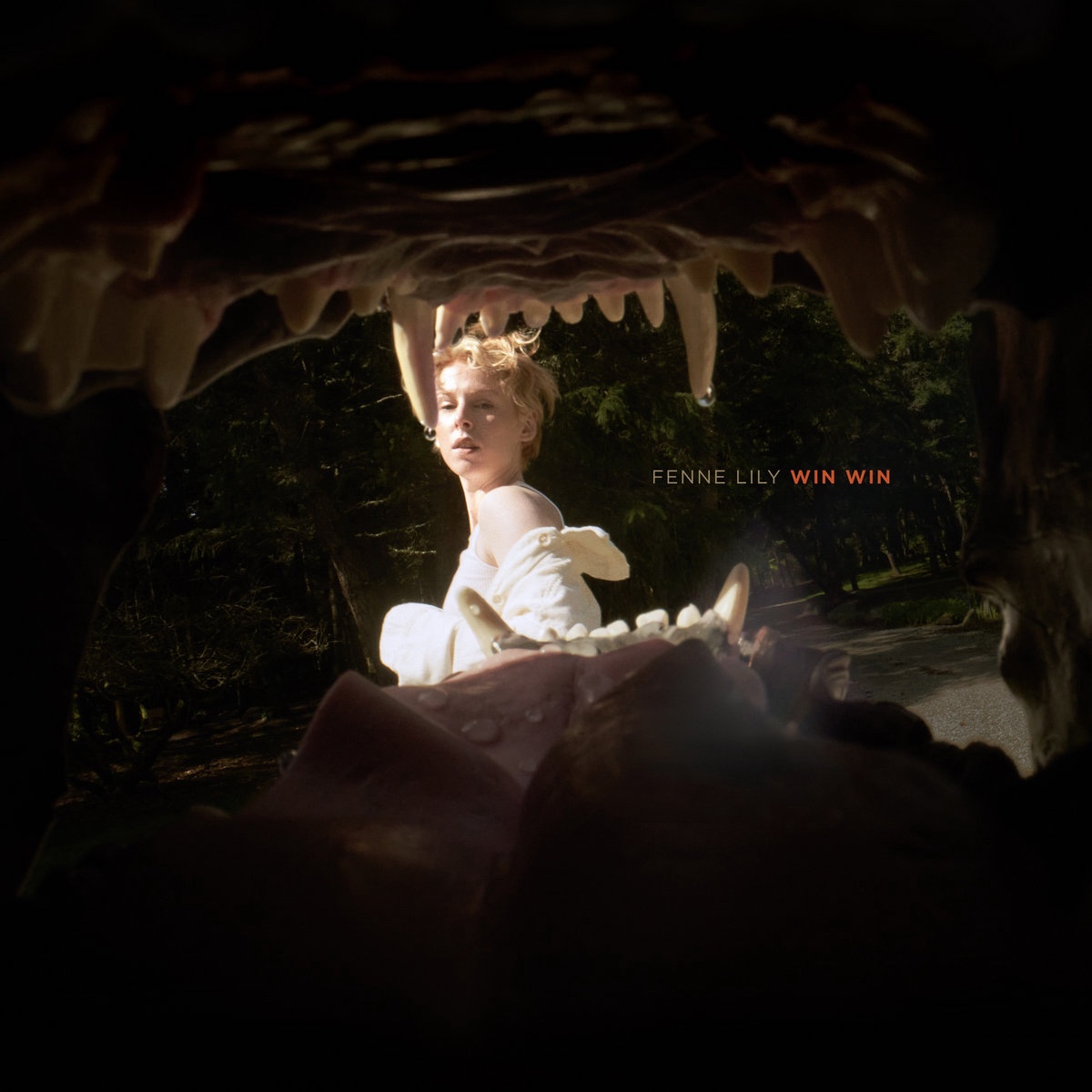
On “Lights Light Up” from Fenne Lily’s 2023 album Big Picture, the songwriter dissects the end of a relationship by crafting an image of kissing in the middle of a busy intersection. In her warm alto, she blithely acknowledges car horns and changing traffic lights in a bouncy rhythm, then points out a sign warning pedestrians to look before they cross. She writes it off with an endearing, self-destructive dismissal: “We don’t do that shit anymore.” A Brooklyn-based musician by way of Dorset, England, Lily has a gift for lush indie-folk songs that hinge on matter-of-fact lines like this one. Her new album Win Win opens with “Uh Huh,” a tuckered-out love song that repeats its title in response to questions like “Does it hurt to talk about it?” and “Do you still want to do this?” It’s as if she’s making a weary promise, but asking at the same time whether that kind of affirmation can be enough.
It may not be. “Uh Huh” opens at the end of a long voyage, and there’s a journeying sense to Win Win that charts a course through post-breakup acceptance and personal renewal. With an assured sense of vulnerability and potent imagery that suggests Laura Marling’s Song for Our Daughter and Adrianne Lenker’s solo work, these songs are comfortable in that journey’s in-betweens. In a way, that voyage is literal: Lily worked with bandmates in both England and New York on the record, often recording songs live. Win Win pairs this embodied sense of travel from place to place with a comfort in emotional limbo. Transit imagery abounds: long drives, bridges, pit stops. “Room to Room” paces, while “Stranger Things” is happy being “a little right, a little wrong.” It’s refreshing for an album so focused on growth to also linger in gray areas so comfortably. In Lily’s considerate, inquisitive hands, this pairing feels natural.
There’s possibility on the other side of grief, a destination at a journey’s end, and Win Win holds that, too. Lily has said of the record that she “wanted to make music that felt like the sun was out.” “Two Ways,” a letting-go ballad toward the end of the album, feels like sun-dappled leaves. Elsewhere, Win Win sounds more like the mellow ease of an autumn sunset—as on “Waterslide,” where the interplay between pedal steel and arpeggiating guitar strings blooms. But her sense of serenity doesn’t try to mask the deep emotional well at this album’s center. Closer “In Life and on Planes” builds inexorably to a breakthrough, with images from a relationship’s decay spilling out: a stop at a childhood home, an argument, the plainspoken comeback “You say you feel stupid? Well, so do I.” In the end, as the wave breaks and the outro begins, even as she confesses to being comfortable alone, she trades “uh huh” for a new kind of affirmation: “I do belong to other people now.”
