
Twenty years ago, Shooter Jennings had me at Electric Rodeo and never let go of that rope. His sophomore album featured an exquisite blend of his Texan-Tennessee country-rocking birthright along with a uniquely cinematic take on Southern heavy metal and a mad dash of swampy blues. Several years later, when he’d add dystopian operatics, hi-NRG disco, and industrial-techno torpor to his audacious C&W menu, it all blended seamlessly—impossible as that sounds.
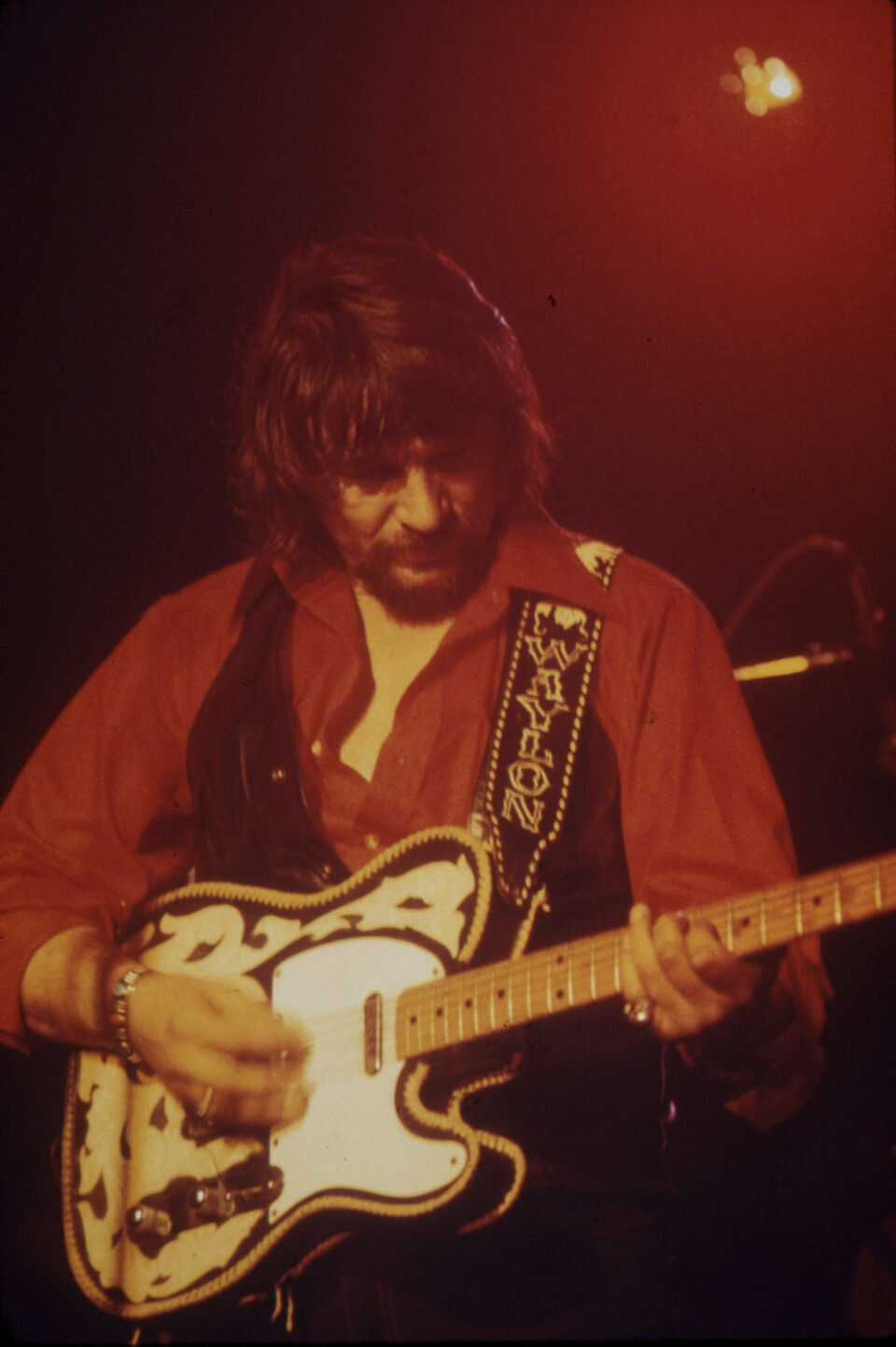
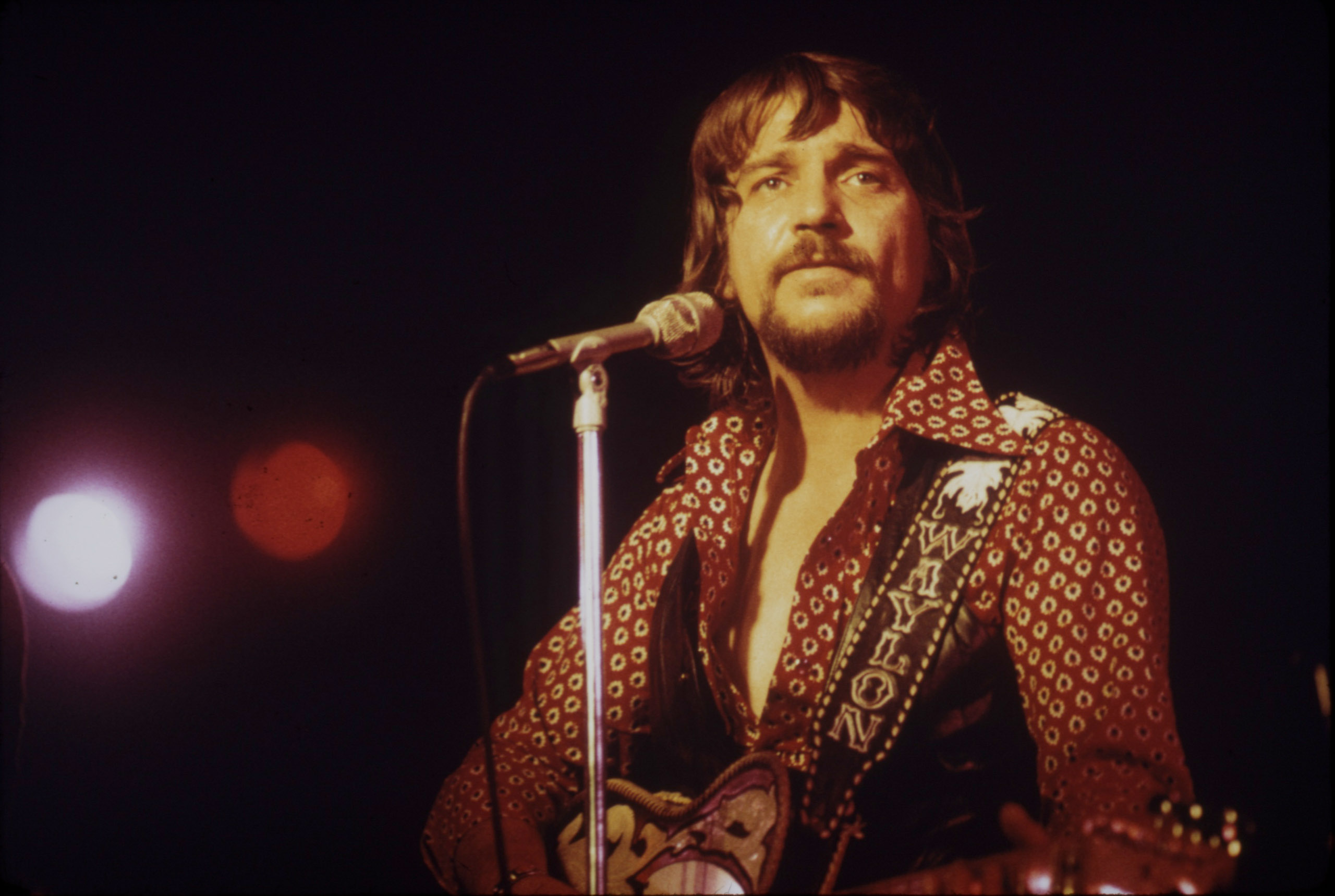
Running alongside Shooter’s insistently motoring aesthetic was a second job as curator and producer, first to the beyond-outlaw legacy of his late father, Waylon Jennings, with 2008’s posthumous Waylon Forever (featuring a teenaged Shooter and his band, The .357’s), then for Brandi Carlile, Tanya Tucker, Twin Temple, Charley Crockett, and many more. With 2025’s Songbird and the newly released Diamonds, Shooter has focused his attention on a trilogy of previously unreleased Waylon recordings between 1973 to 1984—an era where the elder Jennings moved from edgy outlaw-country songcraft to a sound decidedly tech-heavy and smooth to go with Nashville’s image overhaul—with present-day help from his backing band The Waylors (now known as Waymore’s Outlaws) and harmonicist Mickey Raphael.
We caught up with Shooter to discuss diving back into his father’s legacy—as well as perhaps extending this archival duty to the unreleased work of his mother, Jessi Colter.
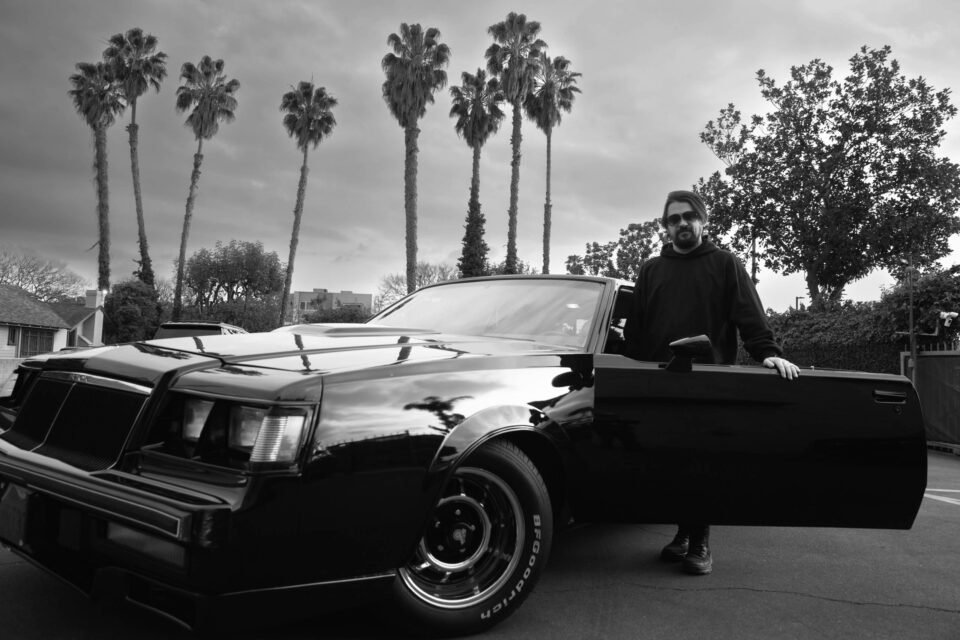
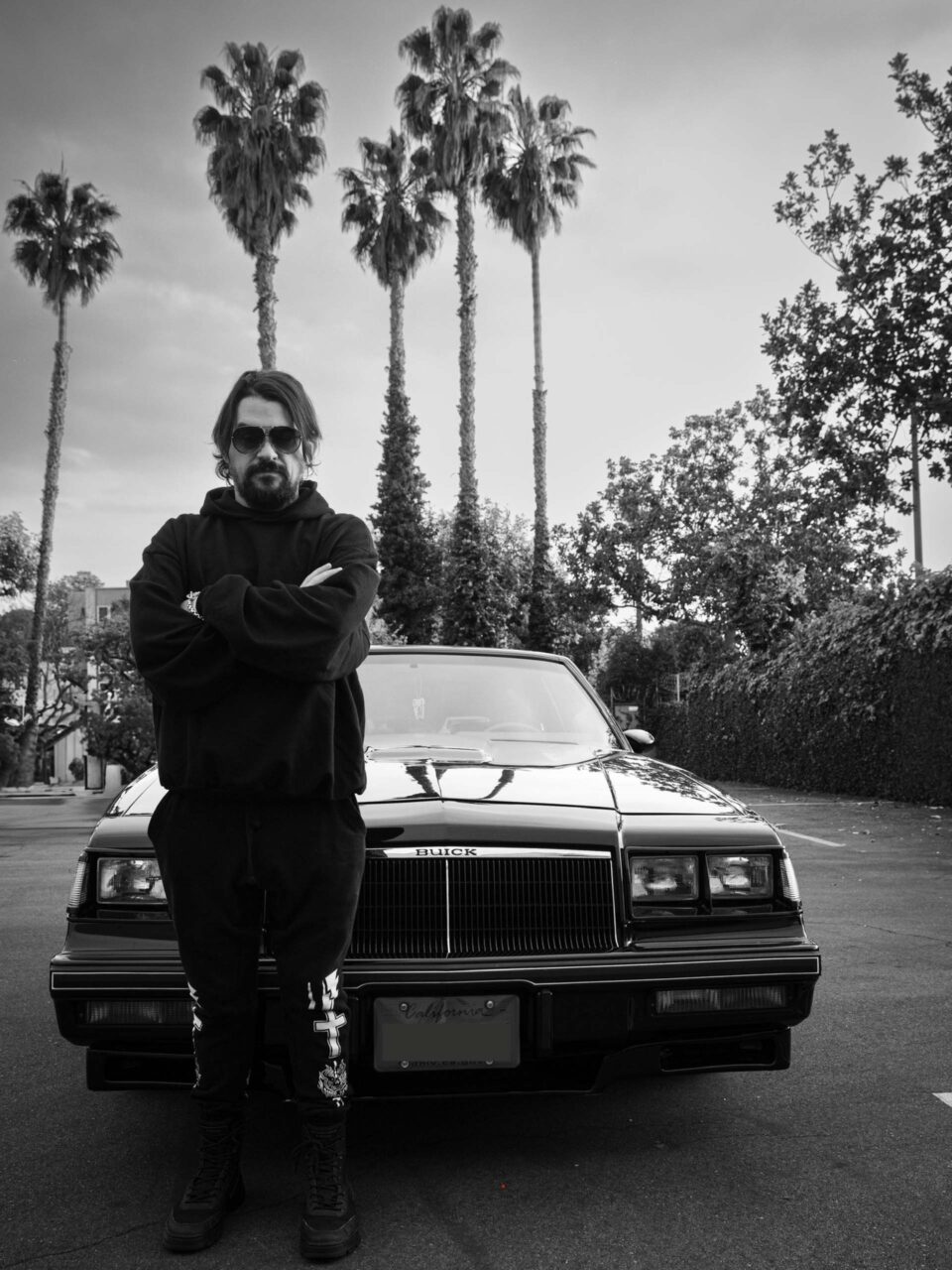
ShooterJennings / photo by Jared Christopher
Lately you’ve really given yourself over to others in the name of producing. Where is the music of Shooter Jennings within all of this?
Making my own music, touring, trying to sell out rooms—doing that for 20-some years can stifle you creatively. I couldn’t do much on the road save for being on the road, because I’d be too pensive regarding the show. When I stopped doing my stuff for a minute, I really needed a break, and I’d gotten this bug by working in the studio. In working with other artists, I just felt that there was a confidence to be gained. I’m working with these guys, seeing how they write, they’re confiding in me. I’m not done making records, but I don’t really have any interest in touring or putting the mechanisms in place where I’m beholden to a band, a crew, to all of that stuff. I do have another new project where I’m writing a lot of the music. I actually got to write a song with Paul Williams. I’m a massive fan.
Do you think that this direction is where you wanted to go from the start?
When I look back at my life, I realize how much I was pointing myself in this direction, but didn’t realize it. When I was young, the first band I was into was Nine Inch Nails. I was a computer nerd who played piano and a little bit of drums who could actually do that—program music. I was really focused on making records in my first explorations of music. It was as if I was using myself to experiment. I always did that throughout my career. Look at [2016’s Countach: (for Giorgio): I was experimenting with all different kinds of sound, but using myself as the artist behind it all. People would look at me cross-eyed for what I did, or tell me that Waylon would be rolling in his grave. All of that stuff was like a sticky substance that I couldn’t pull myself away from. But doing that with different artists, suddenly I don’t feel that way. And people aren’t treating me that way. I’m able now to freely move and be creative.
“I was lucky that my dad supported me doing music. Most people’s parents never believed that music could be an option for their kids.”
Would I be right in guessing that your first studio experience was with Waylon?
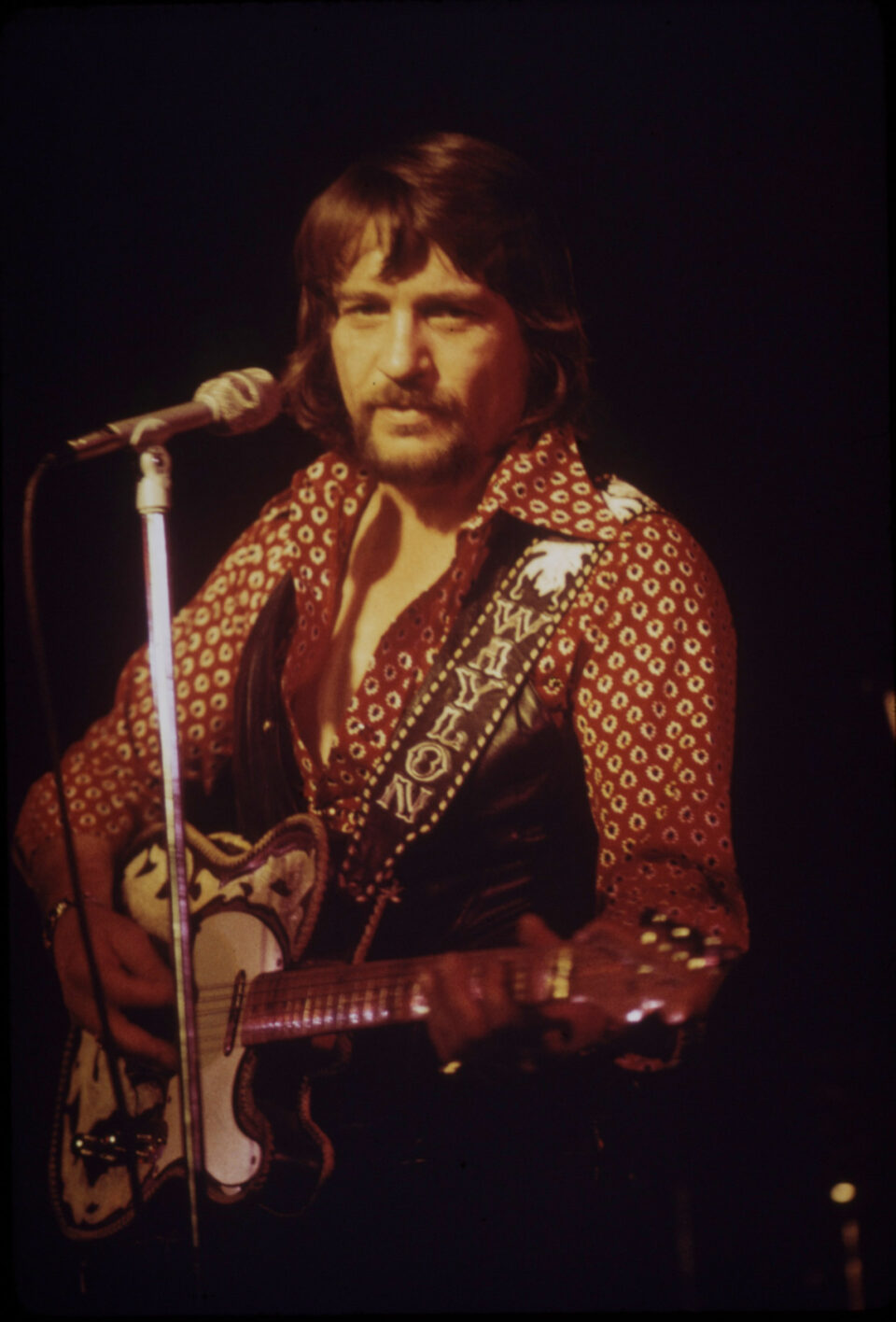
Yes, he would always bring me to the studio. I have memories of Chips Moman’s studio where they were cutting The Highwaymen stuff. This is an early memory, with me being, like, three years old, loving the lights on the [tracking] console. Then later watching those lights move, and how cool that all looked, figuring out what they did. The drum rooms with all of the equipment—I just loved the setup there. Later, I’d go with Waylon to this studio that he’d rented full-time. We cut some stuff in there together, did a little record together. Waylon loved the studio, and I loved going with him. That’s what he did when he was off the road: go into the studio.
Was Waylon into making sure you were in on the process of recording?
Yeah. He wasn’t telling me how that did that and this did this, but he enjoyed bringing me with him. I was always watching people work and was infatuated with understanding what every knob did. [My parents had] set up this college fund for me, and when I got out of high school and didn’t want to go to college—even though I’d gotten into Berklee—I just wanted to go to LA and they were supportive of that. At least enough to buy me a ProTools rig, one of the earliest models that I used in my Nashville studio. I was lucky that my dad supported me doing music. Most people’s parents never believed that music could be an option for their kids.
Was your mom cool with you taking the college fund for a ProTools rig?
I think the only thing they wanted to know was how sure I was in doing all this. But my dad knew that I was really into it. The first time I played in LA was 1999, and we played the Viper Room and we played the Whiskey. Both places I had to stand outside the clubs until the gig started because I was under 21. My dad had a gig the night I played the Viper, but he showed up at the Whiskey. He saw then just how serious I was about it all. Well, two nights ago, I went to LA to see my daughter who’s 19 and plays keyboards in a band called The Pin-Ups play her first show at the Viper Room—that was such a weird, full-circle moment for me. I thought about how my dad thought I was crazy, but he let me do it.
With Songbird and Diamonds, there’s something of a narrative. What demarcates one new Waylon album you’re putting together from the other?
Fenixon and [Waylon Forever] are from those sessions that I cut with my dad early on—albums of songs that he put together at the end of his life. These newer collections, though, were from a very specific period when he got the license to record his own records outside of his deal with RCA, and became hugely successful with it. He did these records mostly with his drummer Richie [Allbright], who’d run the board with an engineer. Richie needed to take a break from the band, and so other producers took the wheel at a time when Nashville’s sound began to change, which made some of Waylon’s self-produced material outdated. But the beginning of this block of time is when all of his biggest records were happening.
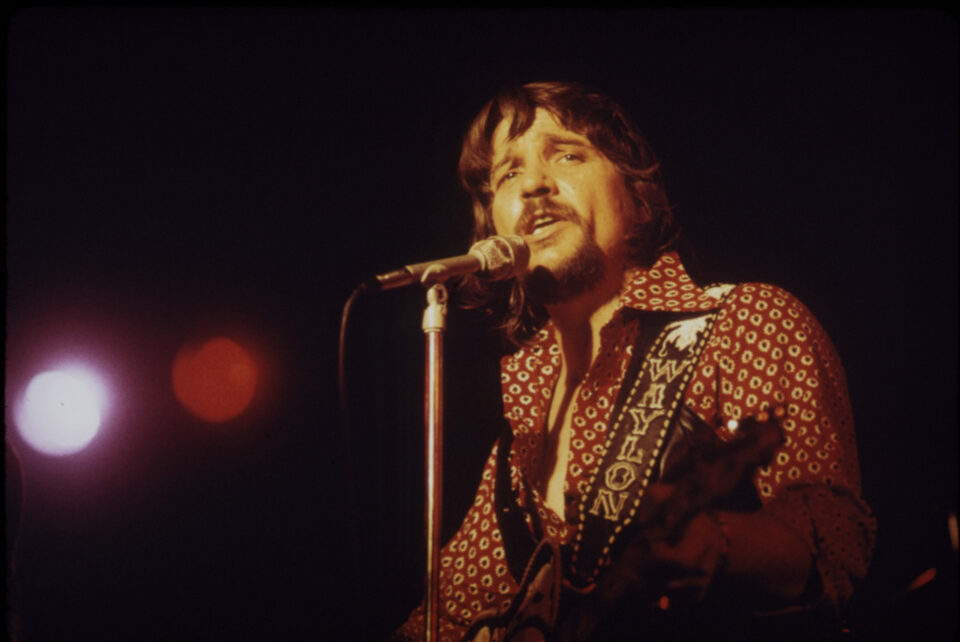
We did this release party in LA [for Songbird], and Richie’s wife brought me this bag with quarter-inch reels and cassettes of my dad and Richie marked “unreleased” that they knew they wanted to do something with. And most of those tracks in the tapes were songs that I’d chosen to release on Songbird and Diamonds, so I did pretty good. There’s actually a lot of cool shit in that bag: a gospel record that my mom did, along with other stuff of hers in the 1980s; stuff of my then-17-year-old sister, Jennifer; a whole album Waylon produced of The Waylors with each of them taking their turn at the mic. I knew what the first two would be, and I know how I want to close out the trilogy, but there’s all of this great ancillary stuff, too, that I want to get out there because I know Waylon wanted to get it out there.
So you know how you want to close the trilogy.
Yeah, but I can’t say [laughs]. The first two albums were the one-two punch of classic Waylon 1970s things and beyond. The third has a different vibe and sound. I want all sides of him to get seen.
“There’s all of this great ancillary stuff, too, that I want to get out there because I know Waylon wanted to get it out there... I want all sides of him to get seen.”
You said something about the transition from the 1970s outlaw sound into that of the 1980s’ pop crossover, something slicker. I’m pretty comfortable in assuming that Waylon didn’t care for that shift.
I don’t think so. I obviously didn’t have that conversation with him, but once Richie was gone, and once the business began to change and they weren’t on top anymore with this new wave of ’80s guys on the rise, all of those guys were left afloat in the ocean. My dad went from independent label to independent label. I watched people come to him, telling him that they could bring him into the new sound. He never had a manager after Neil Reshen in the 1970s, and instead hired someone for his touring business and self-managed.
He loved all the indie records that he did, but I remember that he was particularly excited when he went to LA and recorded Waymore's Blues (Part II). Waylon was over the moon about that album. That’s the album where he got his center again, and had a real partnership with [producer Don Was]. Other than that, that whole period was just a lot of hotshot young producers who didn’t know what working with Waylon meant. I was playing with him during that period, too. There were just so many corny things out around that time. That’s how things were going. All of this corniness led directly to Rascal Flatts [laughs].
“[Waylon] loved all the indie records that he did, but I remember that he was particularly excited when he recorded Waymore’s Blues (Part II)... That’s the album where he got his center again.”
It must mean something to hear your mom and dad come through the speakers for the first time on the duets “Same Old Blues” and “I’m Tired.”
There’s a theme going across the whole of Diamonds—the embattled relationship song—and here are these tracks where it’s “I’m tired of your shit” on her side, then “no, I’m tired of your shit” on his side. This all introduces the fact that there’s some never-before-heard Jessi stuff in the mix.
And it doesn’t sound like Jessi Colter at all.
I had to keep telling Jessi that that was her. She didn’t recall the recording and in no way did she think that she ever sounded like that. Then I soloed her voice and sent her a voice memo, and she loved it. Tony Joe White said that Jessi was using her “rock and roll voice” on that song, and told her to whisper it like J.J. Cale [the writer of “Same Old Blues”]. This fortifies the fact that she had a sound, he had a sound, they had a sound. It was all his band, The Waylors, through all of his records. It all came from one place. This stuff is all very exciting to me, and definitely is exciting to all the people who love them, so let’s find the most exciting ways to release it all. FL