
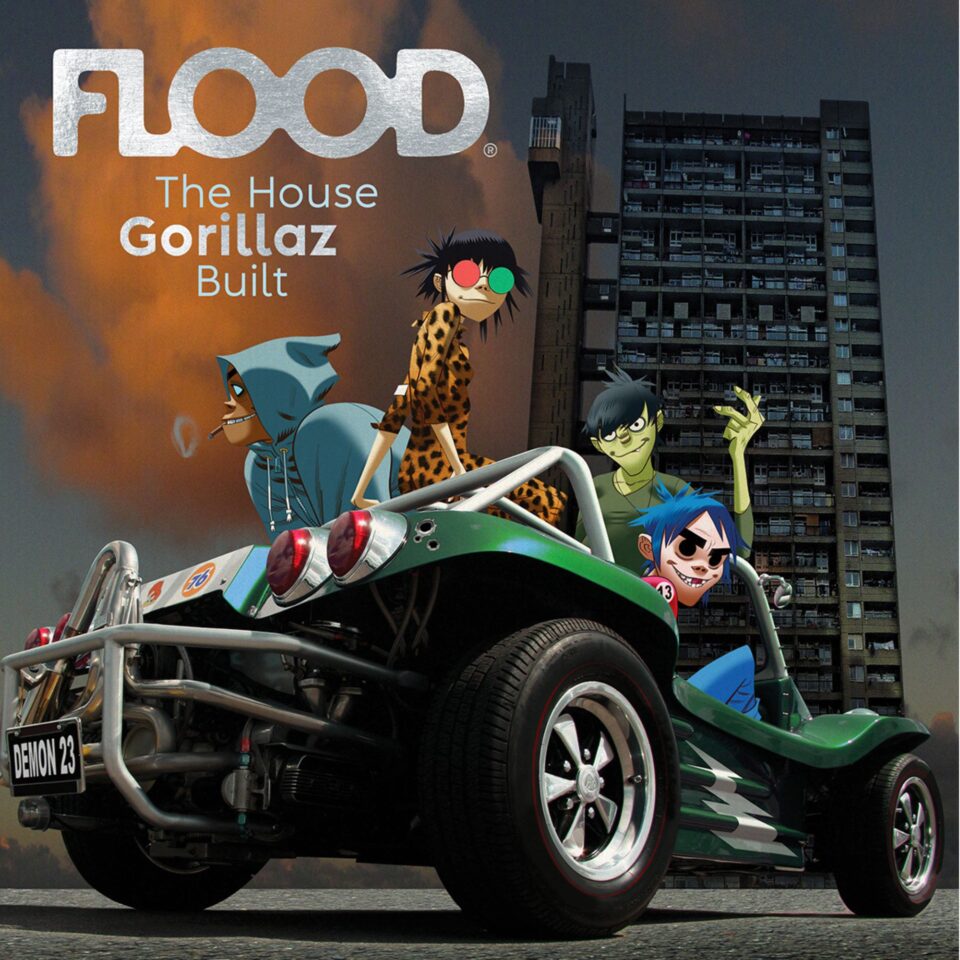
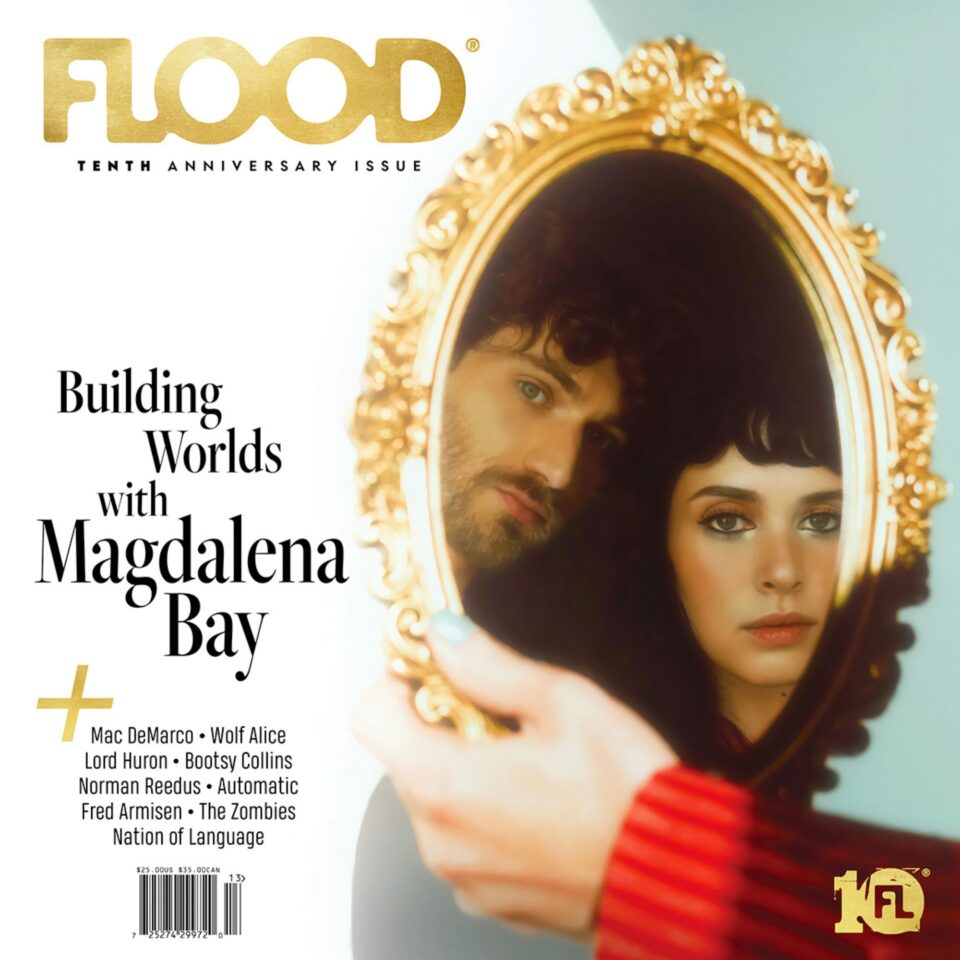
Celebrate our tenth anniversary with the biggest issue we’ve ever made. FLOOD 13 is deluxe, 252-page commemorative edition—a collectible, coffee-table-style volume in a 12″ x 12″ format—packed with dynamic graphic design, stunning photography and artwork, and dozens of amazing artists representing the past, present, and future of FLOOD’s editorial spectrum, while also looking back at key moments and events in our history. Inside, you’ll find in-depth cover stories on Gorillaz and Magdalena Bay, plus interviews with Mac DeMarco, Lord Huron, Wolf Alice, Norman Reedus, The Zombies, Nation of Language, Bootsy Collins, Fred Armisen, Jazz Is Dead, Automatic, Rocket, and many more.
Reviews
See All 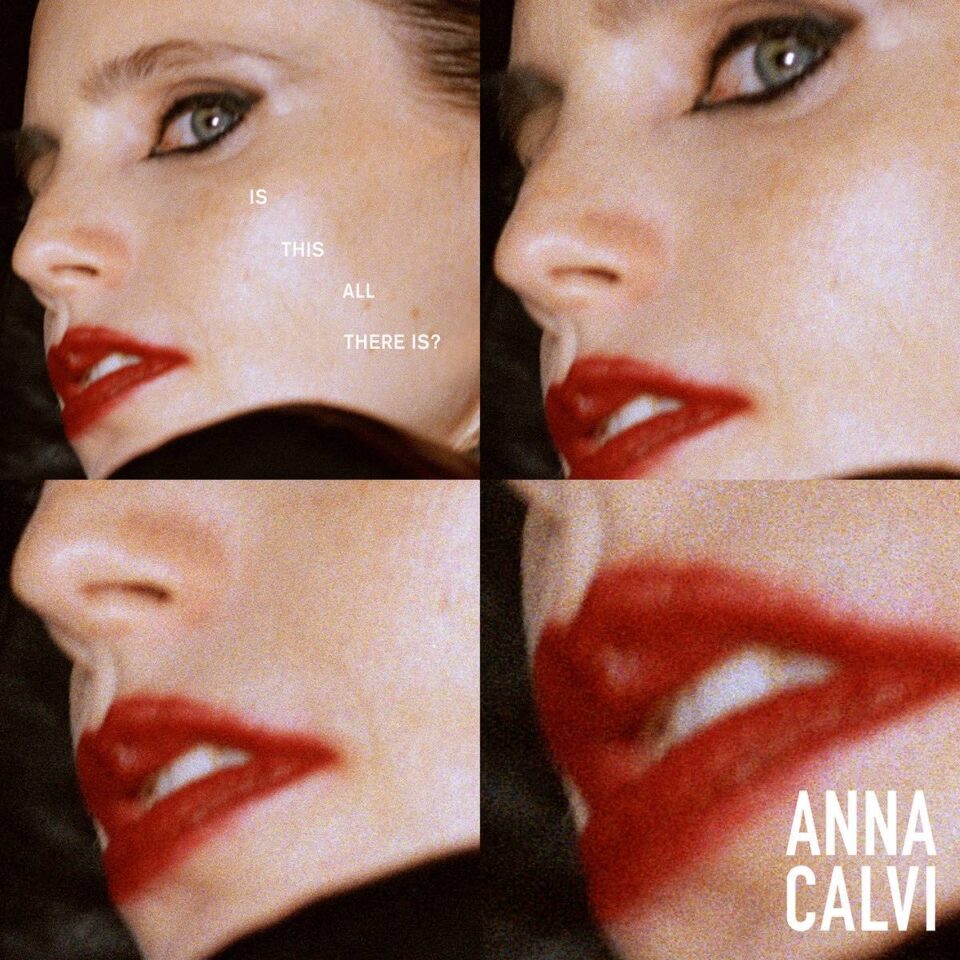
Anna Calvi, Is This All There Is?
The British songwriter returns with a four-song EP defined by theatrical arrangements and an actorish guest list featuring Iggy Pop, Laurie Anderson, Perfume Genius, and Matt Berninger.
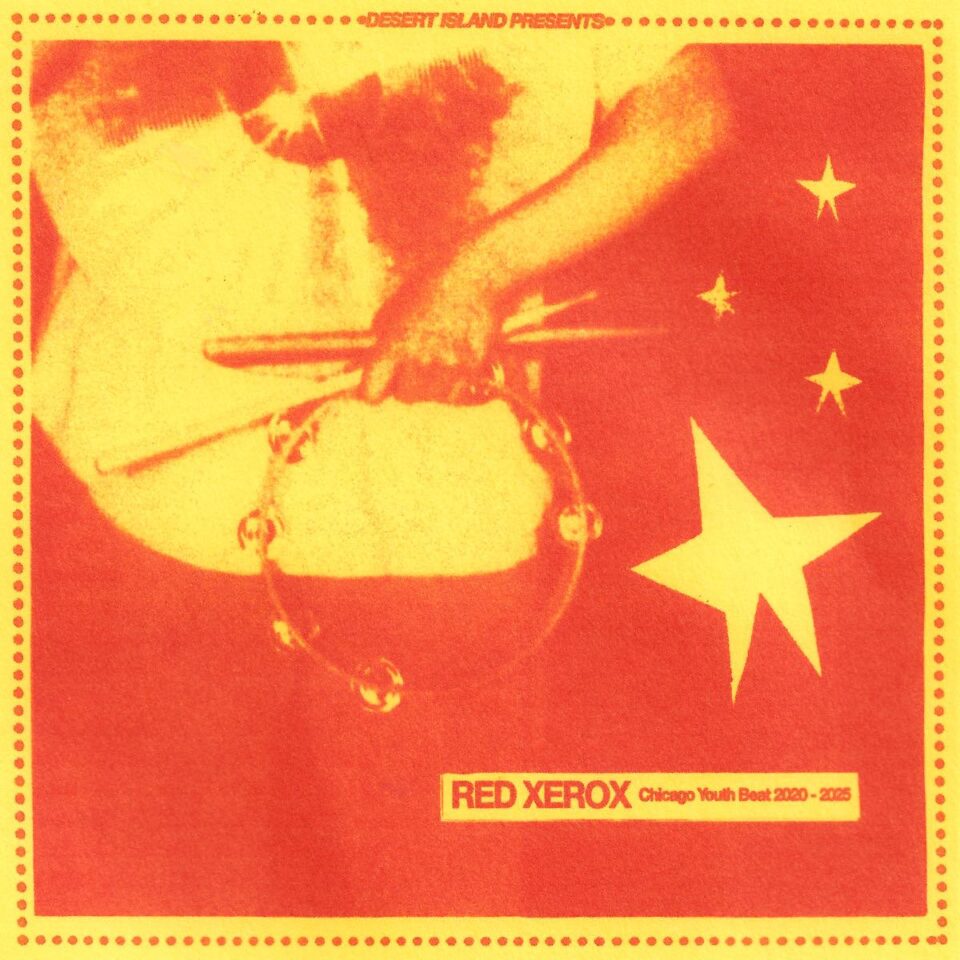
Various artists, Red Xerox: Chicago Youth Beat 2020-2025
Spotlighting the diversity of Chicago’s underground scene, this comp is as much a symposium for genre-defying trailblazers as it is a no-skips playlists capturing the city’s budding youth-beat movement.
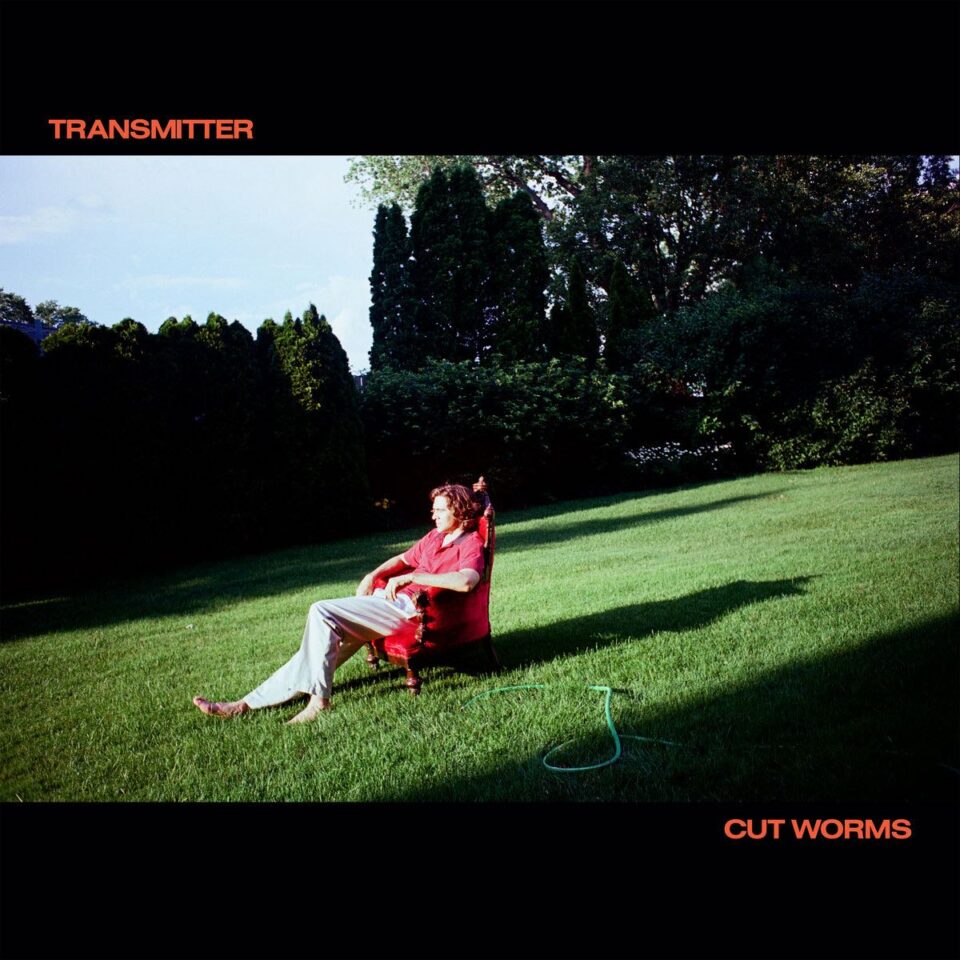
Cut Worms, Transmitter
Produced by Jeff Tweedy, Max Clarke’s fourth album tampers down the luster of past records, grounding aspects of the indie-folk songwriter’s music that once seemed impossibly pristine.
Matty Pywell
Articles
See All 








Load More
Cardinals’ Emotional Journey Through Cork and Beyond
Euan Manning shares how the Irish rockers balanced vulnerable autobiography and total fiction on their debut album Masquerade.
February 09, 2026
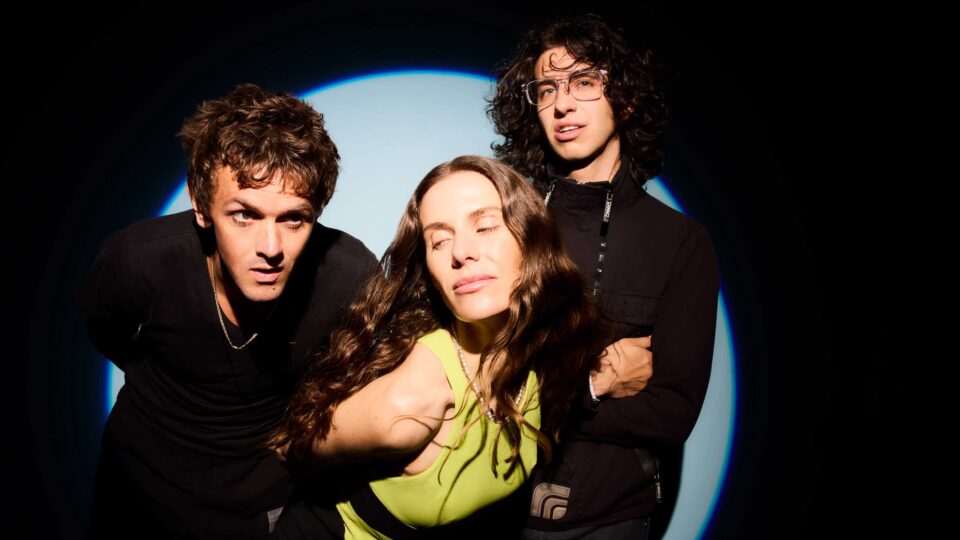
bar italia Are Finding Their Comfort Zone
The London trio talks stepping out of the shadows on their confident fifth record Some Like It Hot, which was inspired by dreaming, nightlife in their hometown, and a newfound sense of belonging.
October 21, 2025
Reviews
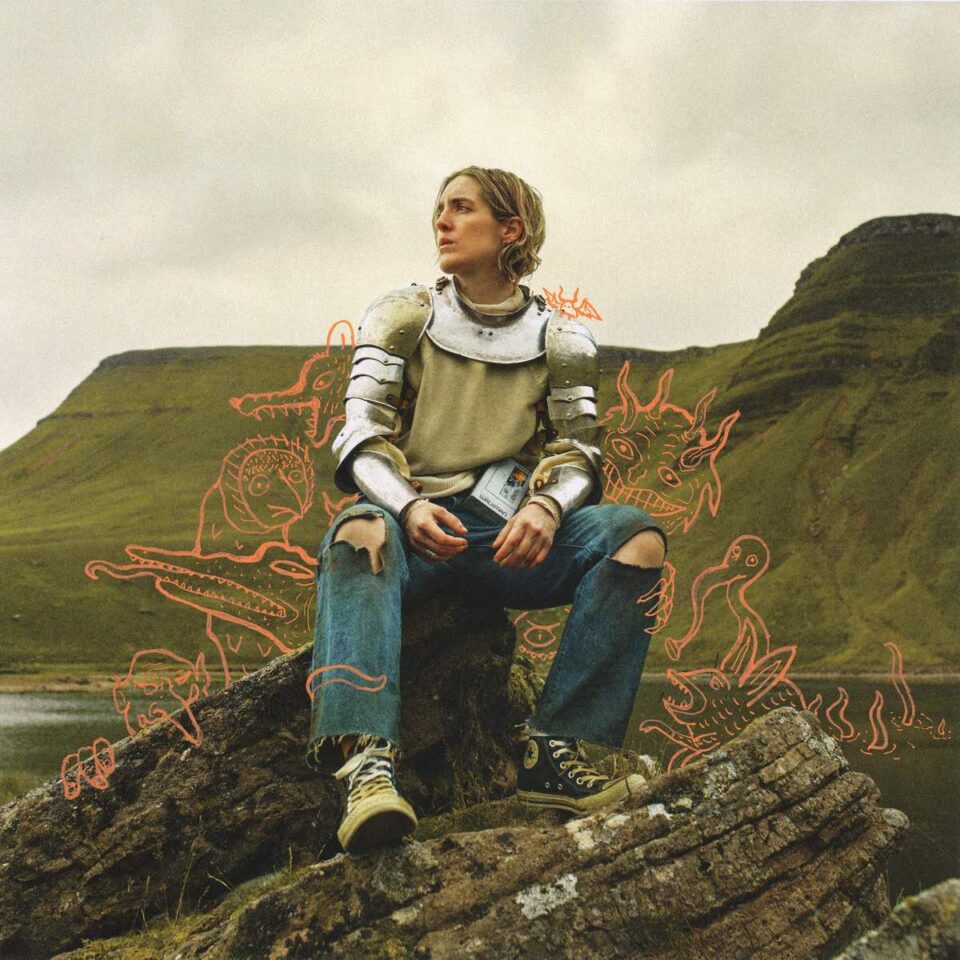
Shura, “I Got Too Sad for My Friends”
Electro-pop and dreamy grooves are largely replaced with rich ’60s-style folk-pop on the artist’s isolation-inspired third album, wherein self-doubt feels like a secondary character.
June 09, 2025
Reviews
Model/Actriz, “Pirouette”
The NYC-based project’s second album delights in its confident sense of chaos, with vocalist Cole Haden knowing full well there’s no way we’re going to avert our gaze for a single moment.
May 02, 2025
Bartees Strange on Exorcising His Demons with “Horror”
The songwriter shares how everyone from Kendrick Lamar to Burial helped inform his sound on his therapeutic third full-length.
February 26, 2025
Reviews
Fazerdaze, “Soft Power”
Dream-pop songwriter Amelia Murray returns seven years after her debut with a newfound confidence and a conscious effort to loudly reclaim her best years.
November 14, 2024
Reviews
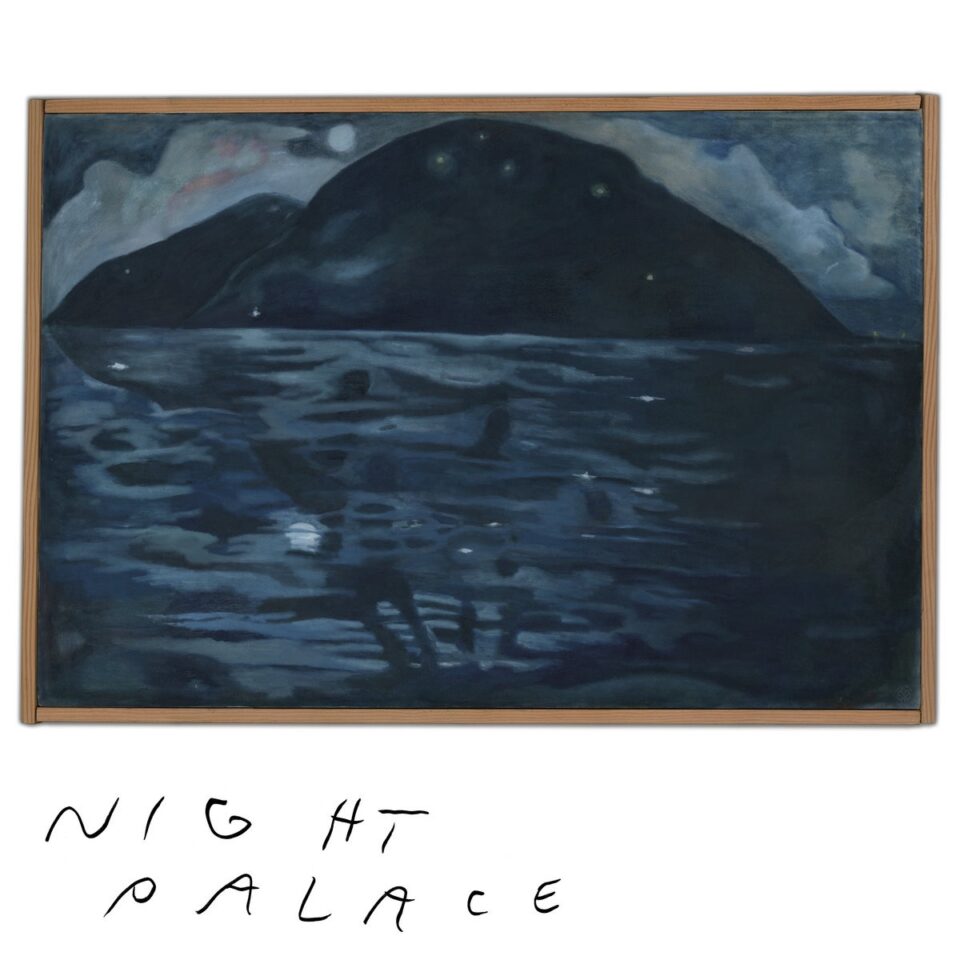
Mount Eerie, “Night Palace”
Phil Elverum decries genocide and gentrification while exploring more personal themes that once again unify his distorted lo-fi recordings as a cohesive testament to feeling insignificant.
October 31, 2024
Reviews
Jamie xx, “In Waves”
Nearly a decade after his solo debut, the xx producer curates a host of guest vocalists and lucid messages regarding the communal power of raving until the early morning.
September 19, 2024
Reviews
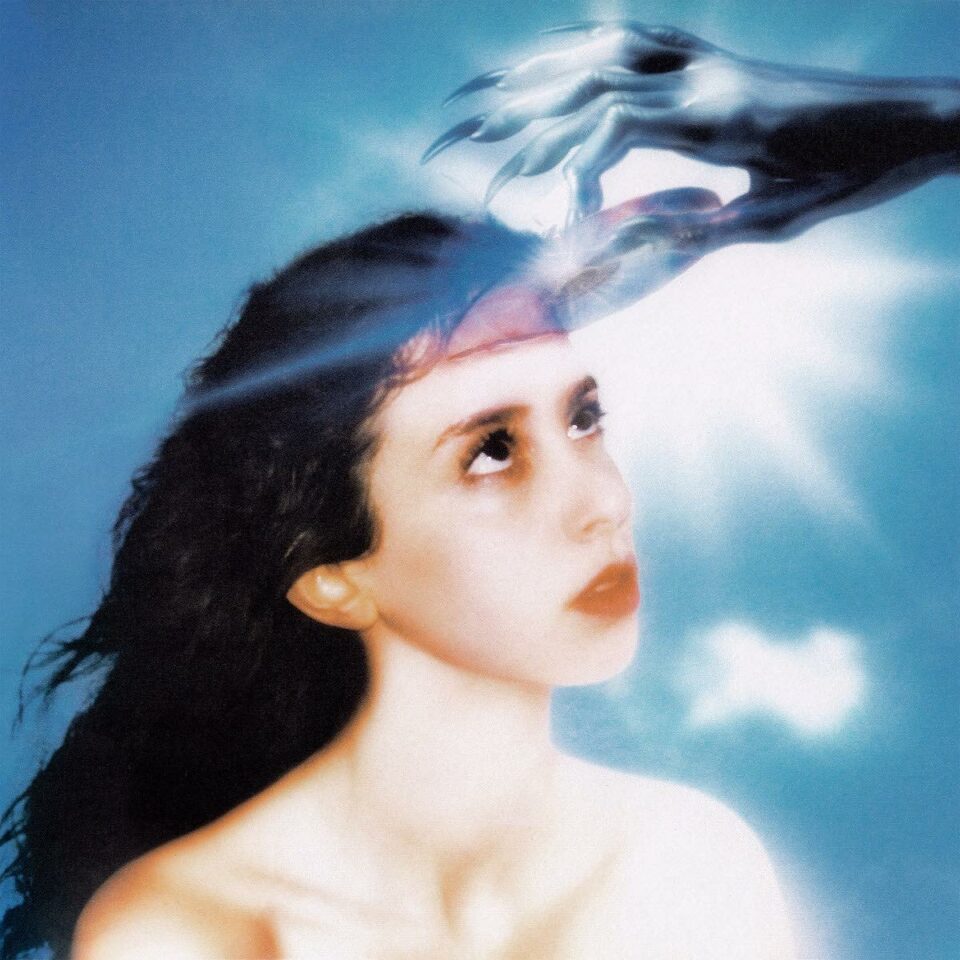
Magdalena Bay, “Imaginal Disk”
On their second LP, Mica Tenenbaum and Matthew Lewin get lost in an overly conceptual sci-fi cinematic narrative before ultimately revealing the project’s beating heart.
August 22, 2024
Breaking
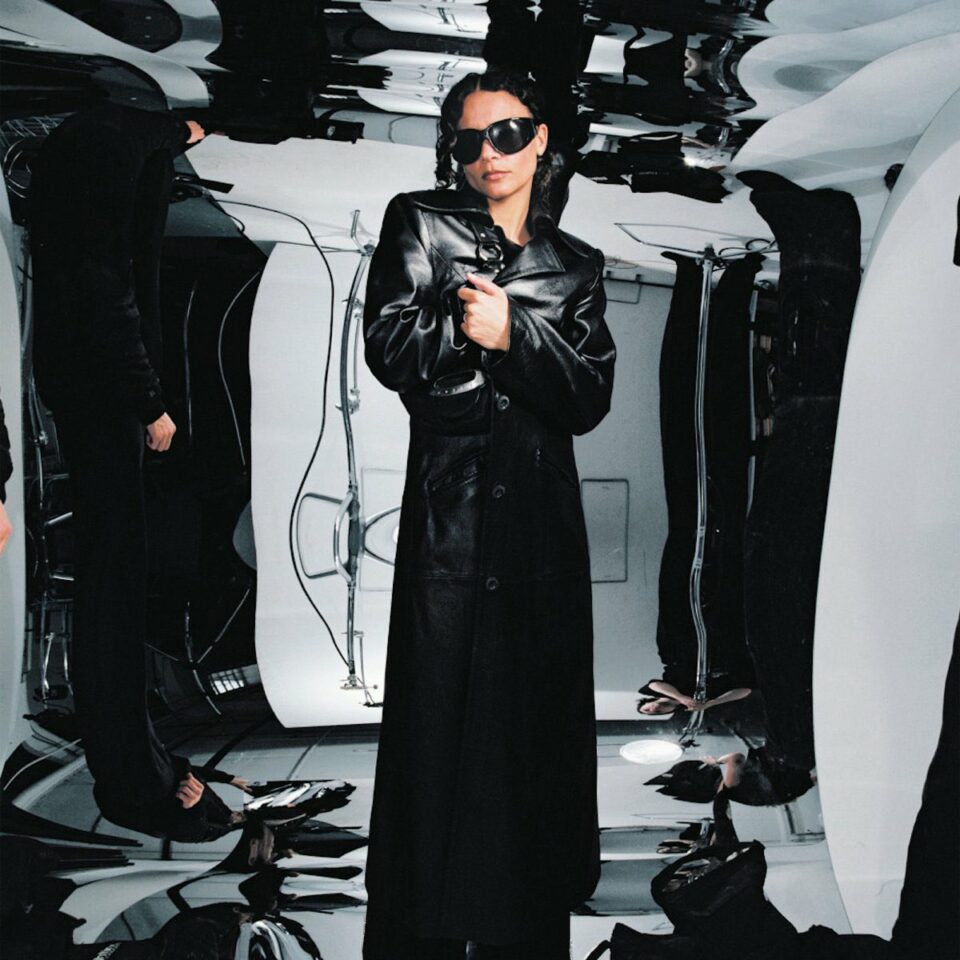
Wishy Are Gambling It All on “Triple Seven”
Kevin Krauter and Nina Pitchkites discuss how happenstance informed their debut album of boundaryless indie-pop.
August 16, 2024
Reviews
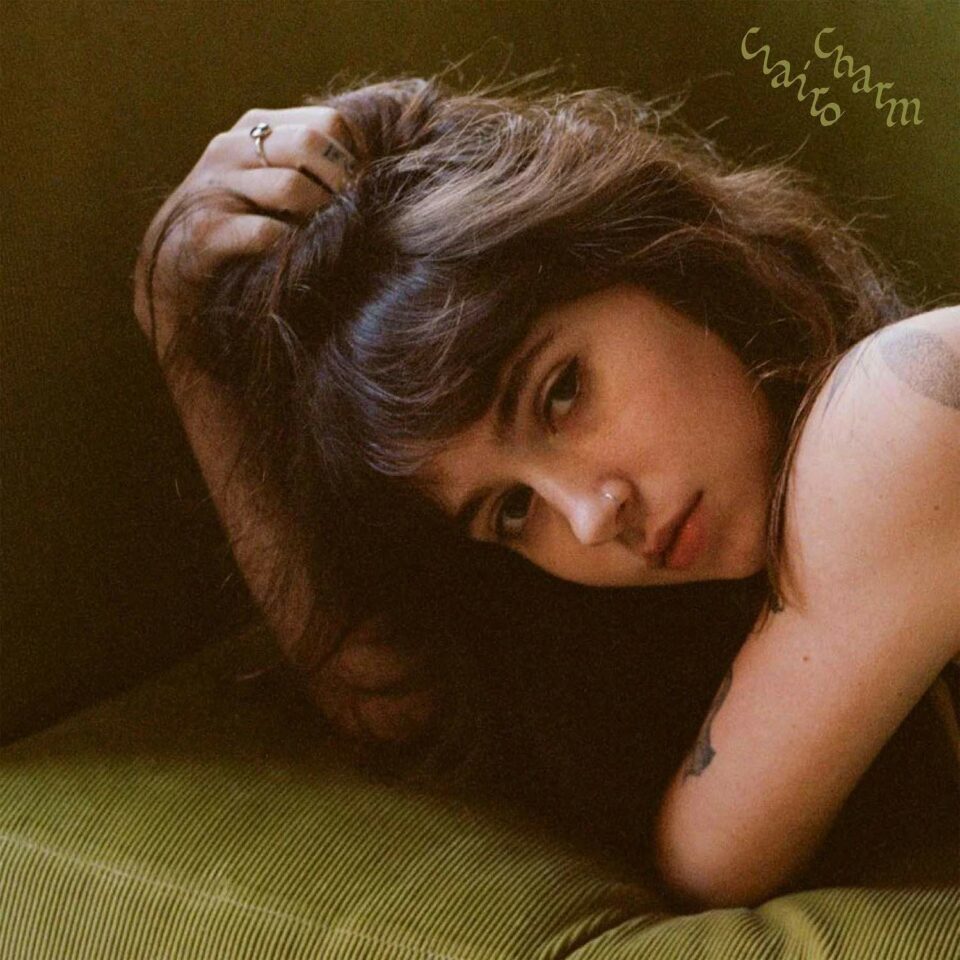
Clairo, “Charm”
Claire Cottrill goes all in on love on her third album, with slick, sophisticated, and richly detailed modern production fortifying the confidence and intimacy of her storytelling.
July 10, 2024
Art & Culture
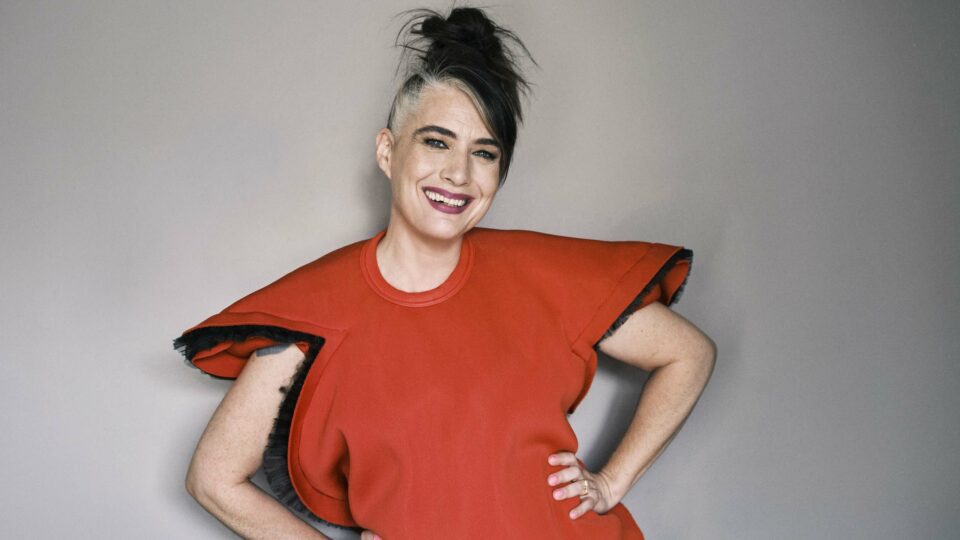
Kathleen Hanna on the Enduring Legacy of Riot Grrrl
The Bikini Kill/Le Tigre vocalist discusses her new autobiography Rebel Girl and the feminist-punk movement’s lasting impact on mainstream pop.
May 14, 2024
Playlist
Nisa’s “Shapeshifting” Influences Playlist
The NYC-based songwriter shares 10 tracks that helped shape her debut album, which arrives this week via Tender Loving Empire.
April 24, 2024
Reviews
Erika de Casier, “Still”
Touching upon all the highs and lows of a relationship, the cult alt-R&B figure’s third record sees her leaning into directness, collaboration, and desire.
February 21, 2024
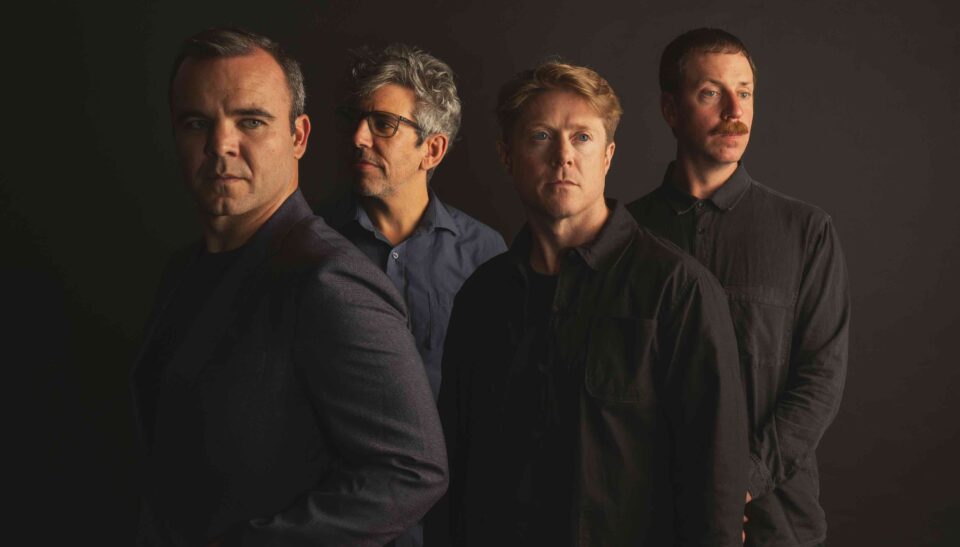
Future Islands Are Learning to Live with the Pain
Samuel T. Herring discusses processing grief through songwriting on the group’s seventh LP People Who Aren’t There Anymore.
January 25, 2024
Reviews
A. Savage, “Several Songs About Fire”
The Parquet Courts vocalist takes a back-to-basics approach on his second solo album while provoking the listener into deep thinking rather than laying down absolutes.
October 09, 2023
Reviews
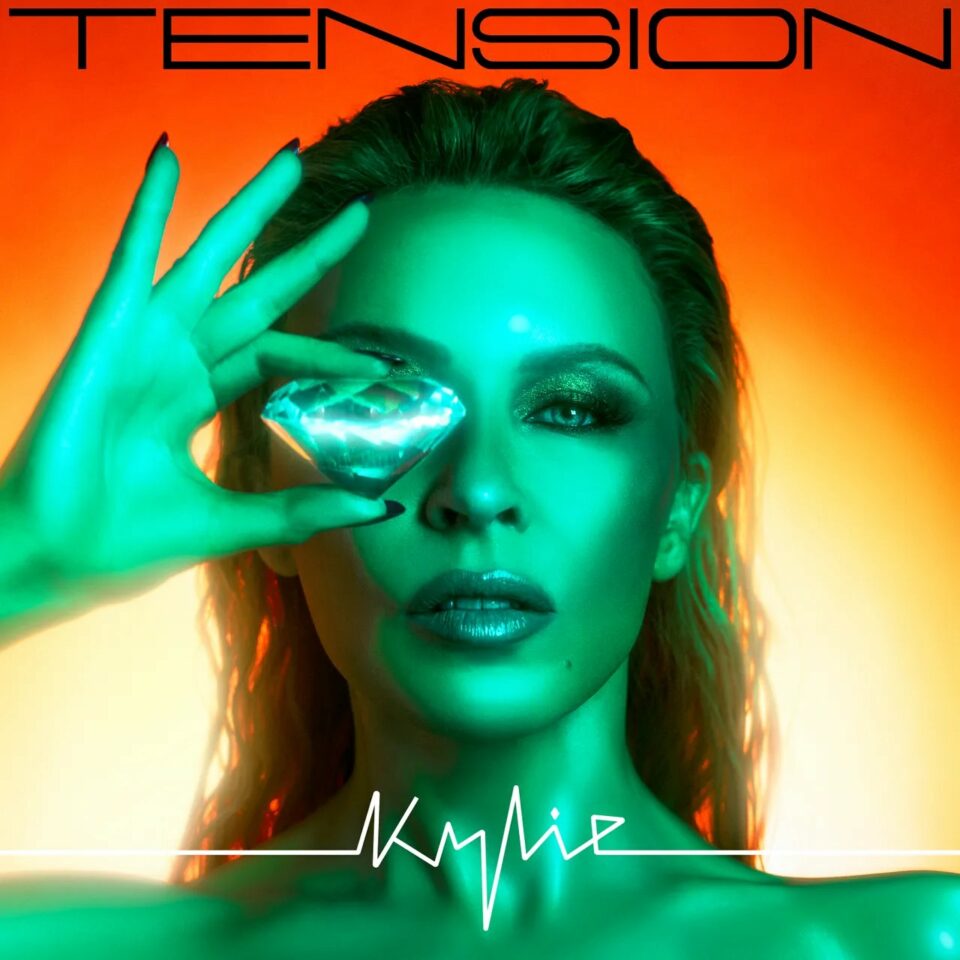
Kylie Minogue, “Tension”
The electropop trailblazer’s 16th LP reignites her commitment to small reinventions in order to suit the modern pop landscape.
September 21, 2023
Reviews
Romy, “Mid Air”
Inspired by experiences finding acceptance in London’s queer clubbing culture, the debut album from The xx’s co-vocalist is an expression of boundless joy.
September 07, 2023
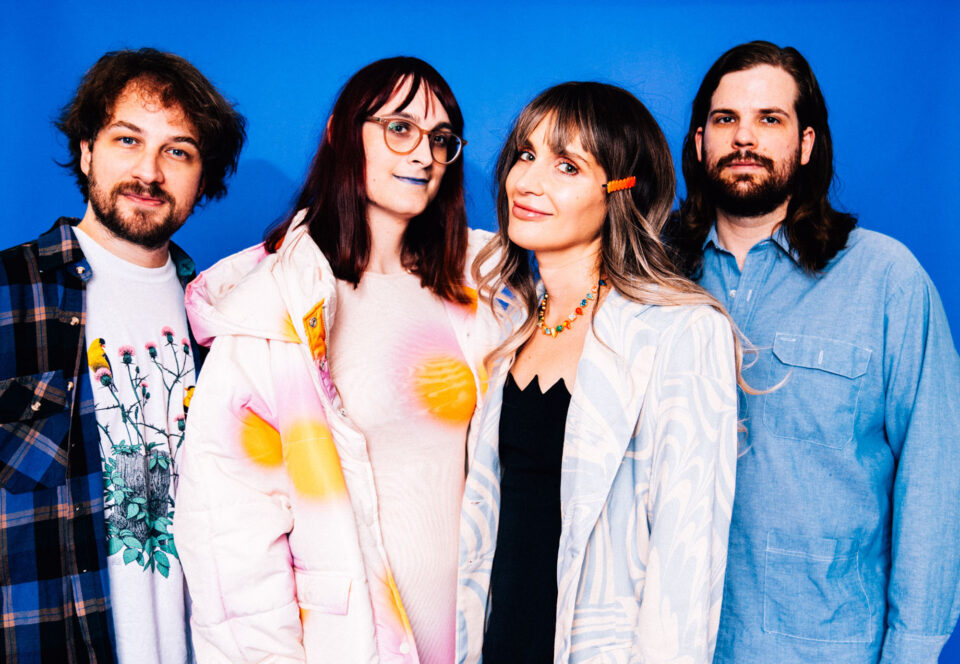
Speedy Ortiz Believe in the Possibility of a Better World
Sadie Dupuis and Audrey Zee Whitesides share how Rabbit Rabbit, the band’s first record in five years, is grounded in community and dedicated to progress.
September 01, 2023
Reviews
Alaska Reid, “Disenchanter”
The LA-based songwriter’s debut album chronicles a search for a sense of place as Reid’s self-coined “mountain pop” gets ramped up to its most euphoric potential.
July 13, 2023
