

Gorillaz
The Mountain
KONG
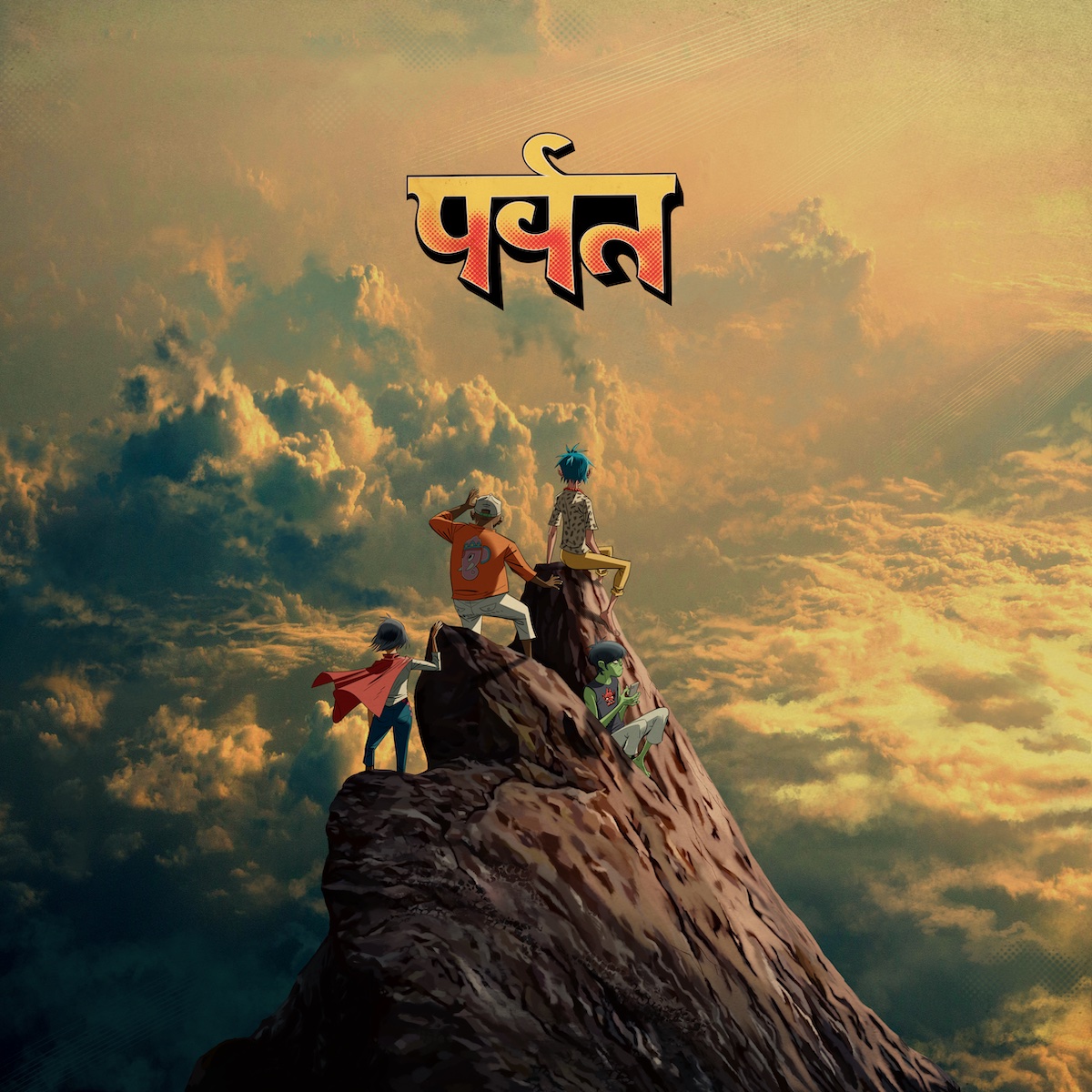
What could be more rock-and-roll than a spiritual pilgrimage to India? If it was good enough for The Beatles, then it’s certainly good enough for Damon Albarn, Jamie Hewlett, and their cartoon recording project Gorillaz. Their ninth album is called The Mountain, and it’s born of just such a quest: Before they wrote these songs, both Albarn and Hewlett experienced the death of loved ones, grief they tried to process via Indian retreat. From the transcendent album cover to the opening title song (a five-minute instrumental prelude played on traditional Indian instruments), it’s clear that this is a different kind of Gorillaz album—frequently interior, occasionally existential, surprisingly heartfelt.
Not for nothing, it’s also one of their best, as ambitious and absorbing as anything they’ve done since 2010’s Plastic Beach. Make no mistake that this remains a Gorillaz album through and through, full of electro-pop bangers hardwired to the thump and clatter of old-school hip-hop. But there are also sitars and other Indian instruments, played by some of the country’s most acclaimed musicians, that float in and out of these songs, providing some local color and spiritual flair. There are also lyrics, melodies, motifs, even individual voices that spill over from one track into the next, giving the entire piece a sense of cohesion. Albarn provides the connective tissue with his signature bleeps and bloops, his sadsack croon, and his earworn melodies, conveying fragile beauty and abiding melancholy.
Gorillaz albums are increasingly like Wes Anderson’s films in their star-studded appeal; they provide a chance for A-listers to show up for just a few minutes, try on some dress-up clothes, and make memorable impressions with just a few short lines. In the case of The Mountain, Albarn’s guest list carries extra thematic heft: it’s an album about death, about how hard it is saying goodbye to people we love, and about how we continue to live with the legacies of our ancestors. Thus, there’s an added emotional undercurrent to hear Albarn conjure so many voices from beyond the grave, including veterans (and long-time Gorillaz associates) like Bobby Womack and Tony Allen. A troupe of British rock lifers, including members of The Clash and The Smiths, bring the weight of experience, as do the bars spit by grizzled emcees. The best addition to the Gorillaz universe is Black Thought, who brings B-boy energy and verbal dexterity to several songs, his iconic rasp lending real grit to this cartoon concoction.
Even with its crowded guest list and structural sprawl, The Mountain never deviates too far from its emotional palette, a punchy combination of grief and sanguinity, spiritual questing and emotional release, all of it electrified by Albarn’s sparkling tunes. It’s an album that abides deep mystery about death and what comes after, often conjured through evocative symbolism; how else to describe “The Moon Cave,” a strange metaphysical locale that Albarn visits in hope to hear the voices of the lost? Other moments are disarming in their vulnerability: Gorillaz have seldom been as emotionally direct as they are on “Orange County,” a song that grapples with filling the shoes of deceased parents and ancestors. Albarn outdoes himself in earnestness just a few songs later: “The Sweet Prince” splits the difference between sitar drone and Sgt. Pepper–era music hall as the singer croons a sweet eulogy for his father. There are moments of rapture, as well; on “Damascus,” Yasiin Bey and Omar Souleyman ride a bumping disco beat, trading bars about pilgrimage and renewal.
The emphasis on inner journeys doesn’t mean the outside world is shut out. One album highlight is “The Happy Dictator,” an uproarious satire where Albarn teams with Sparks to savage the global creep of autocracy. “No more bad news!” proclaims the titular tyrant, yet the simple message of The Mountain is that death comes for us all. On this exuberant album, Gorillaz try to make something of it.
