
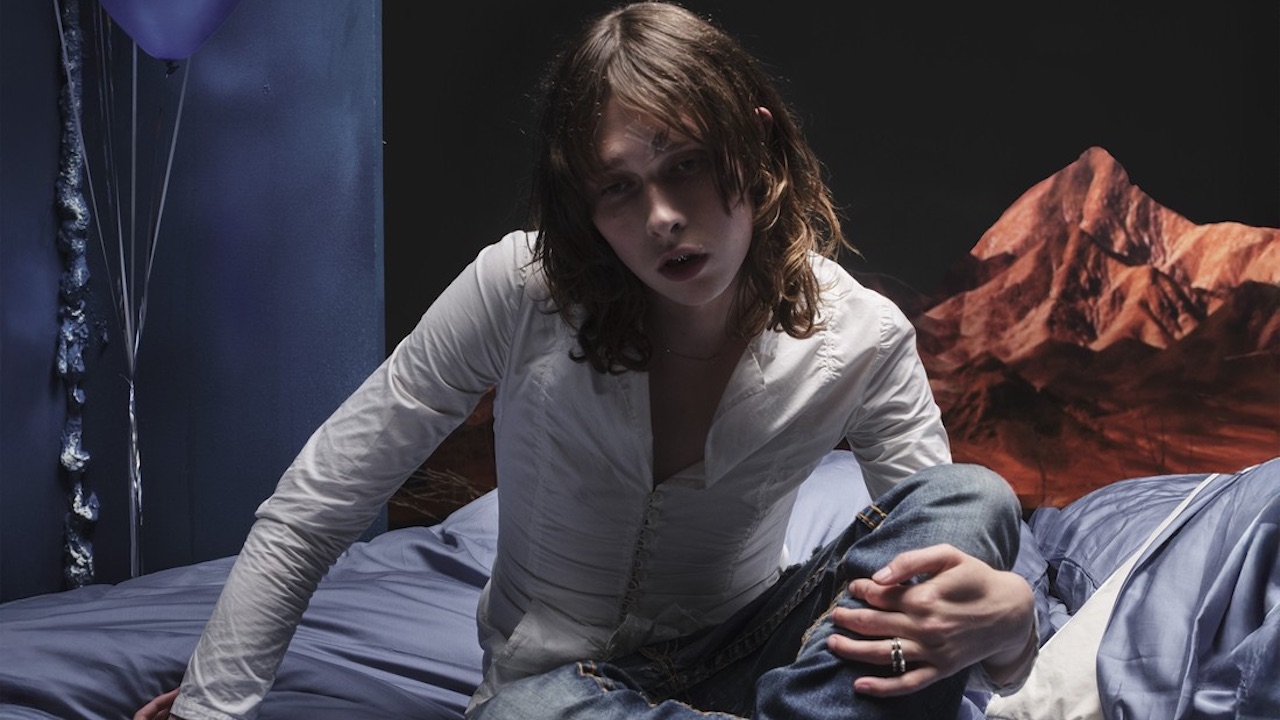
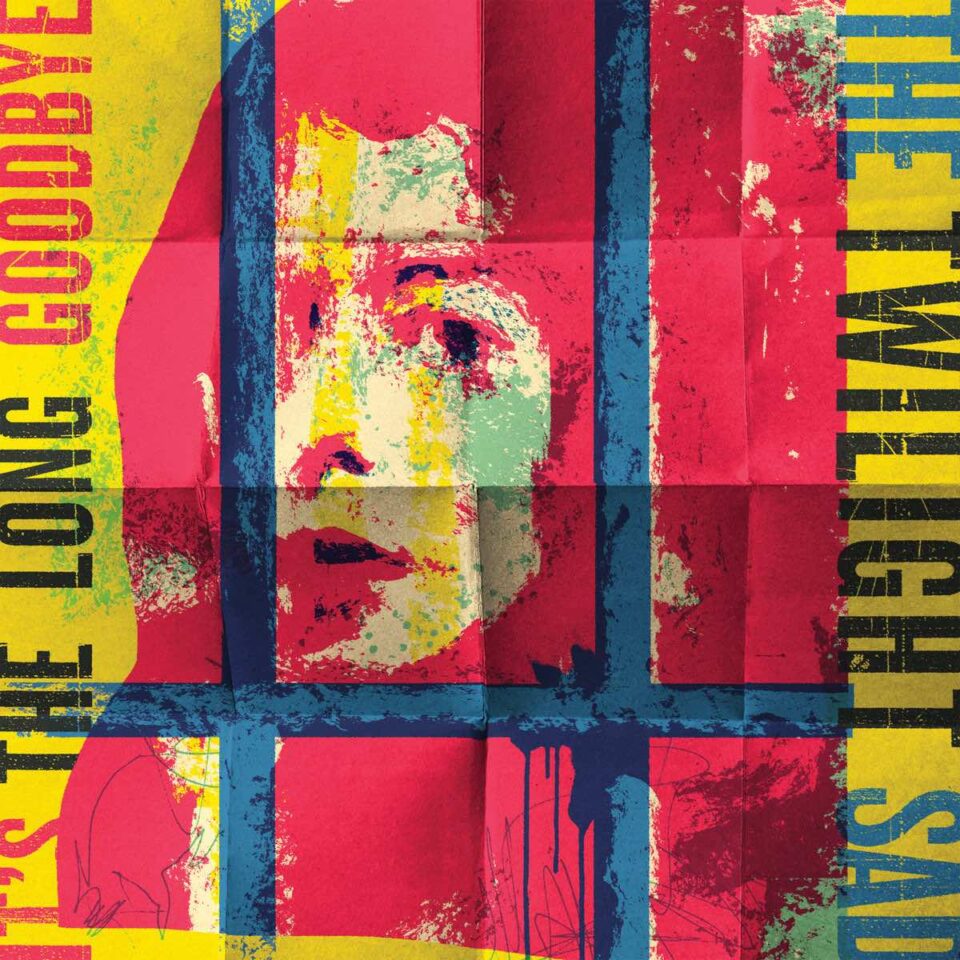
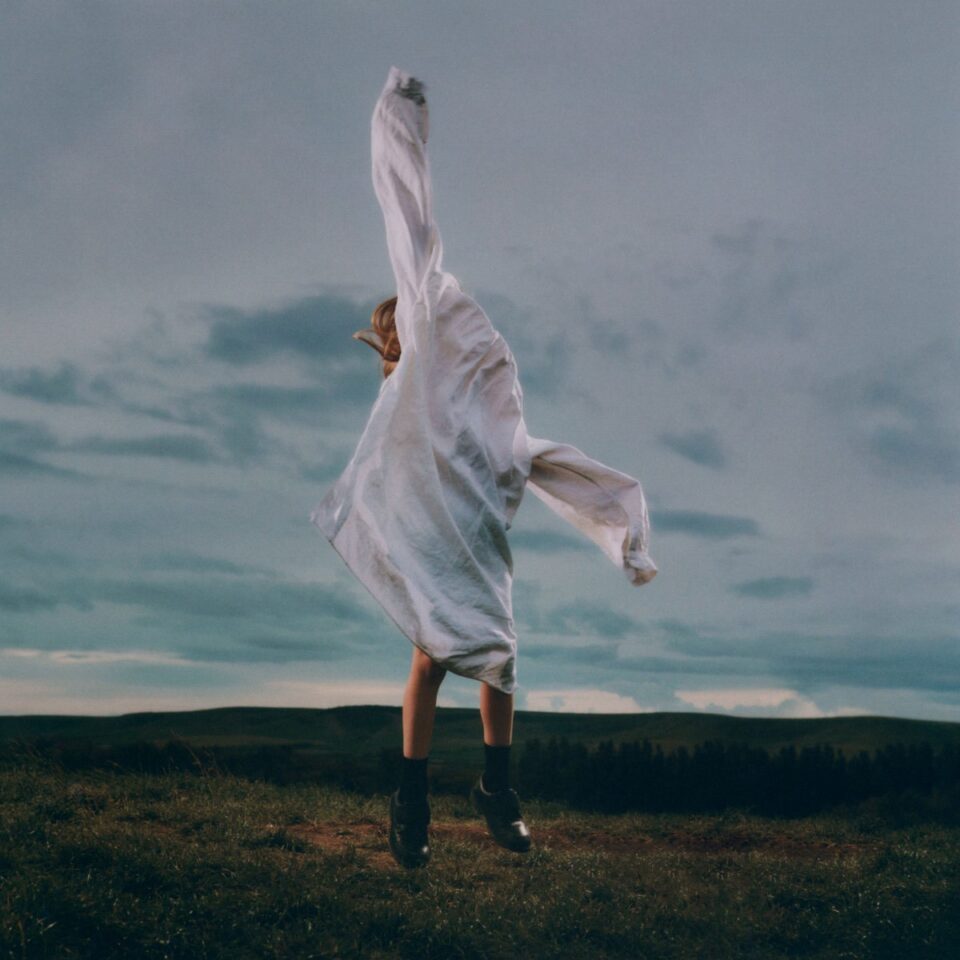
Remember when we spent roughly two years doing nothing but making sourdough starter kits, struggling to sync our movies during virtual screenings with friends, and remembering every single thing that’s ever happened to us? This all took place just a few years ago, and most of us are understandably already beginning to memory-hole a lot of this stuff, with vaguely familiar terms like “Tiger King” forever being reduced to shorthand for the darkest days of COVID. Yet for London-based songwriter Lauren Auder, 2021 was a fertile—if also bumpy—creative period far beyond what went down in her kitchen. The downtime afforded by the pandemic directed her toward several of the key ideas that would inform her newly released second album, Whole World as a Vigil.
Rather than being just another pandemic album, though, the artist mined the era for the “spiritually messed up” way she felt throughout much of it—“everything was almost too HD,” she explains to us, “both ups and downs were so heightened.” That expanded emotional palette naturally gave way to a record that pushes beyond the heights and depths of 2023’s The Infinite Spine with its art-pop swells, noise-pop squeals, and futuristic take on dance music. Throughout it all, Auder’s cool vocals explore themes of pain and ecstasy as inspired by the films of Andrei Tarkovsky and the poetry of Paul Célan. Also: the “bubbling slime” of those sourdough kits that provided their own source of pain and ecstasy.
With Vigil out now via untitled (recs), you can find Auder’s explanations for her five biggest non-musical influences on the album below.
“Corona” by Paul Célan
I started conceptualizing this record in the start of 2021, during the long fallout from the coronavirus and as the romantic relationship at the center of the record was secretly blooming. I found this poem then, tirelessly looking for words to describe what I was feeling. It’s magnificent—maybe one of my favorites ever—and it captures the mood and meaning behind the album almost perfectly. It has the backdrop of tragedy, trauma, and pain, but is always undercut by the beauty and potential to be found in intimacy and the world at large. Those last lines, simple as they may be, feel like I’m ripping out of a chrysalis as I read them.
Solaris (1972)
It’s a classic for a reason. I’d enjoyed it the first time I watched it, but I only saw it in the cinema as I recorded Vigil. I left feeling unconsolably sad and pained by the ending, but also completely understood—that the desire to feel mirrored and loved is human, but that the world can’t be built on memory, nostalgia, and illusion. One of the greats.

The paintings of Charles E. Burchfield
I was shown these paintings back in the previously mentioned emotionally potent ’21 times. These watercolors inject the psychedelic and symbolic back into the natural world. I think that same desire was driving a lot of my songs this time round—seeing the magic that’s always been present in the natural world, and our surroundings more broadly. The peculiar palette he uses, the clashing of vivid colors and the colder greys and browns, felt like a perfect companion to my own musical approach.
Baking bread
I love to cook, but had always had an aversion to the patience and precision required to bake. During a fat chunk of my writing process I was feeling, well, spiritually messed up—like I’d pierced through the veil and everything was almost too HD, both ups and downs were so heightened. I found it difficult to get through the day without crashing. I was waking up around 5 a.m. every day, jolted up by a confusing sense of urgency. I needed something to channel this energy and found an amazing amount of release and pleasure in tending to a variety of bubbling slime from sourdough starters and rising dough. I feel very nostalgic for this time, listening to demos and writing lyrics as I kneaded. I was pretty good at it for a while.
The writings of Lionel Snell
I was (and am, to an extent) obsessed with the idea that certain emotional experiences completely alter your world, that it’s possible to truly feel that change, and that dismissing it under the guise of what is really there was not only sad, but actually quite unrealistic. This line of thinking led me to the writings of modern magician Lionel Snell, his key idea being using thoughts and beliefs as technology to change how reality is perceived: What happens when we adopt different belief systems playfully and experimentally? What insight do we gain? Etc. I love his writing and his humorous but endlessly curious and hopeful tone. Well worth a read.
