

White Denim slinked into existence in the mid-2000s in Austin while swapping band members and even the capacity of the garage-psych-dub-soul-jazz-prog band’s configuration. It took a couple of years for the project to coagulate, but once it did, listeners sick of genre-pigeonholing gravitated toward the hard-to-categorize band and other groups equally adept at cross-pollination that they may have inspired. In short, White Denim piqued the interest of erudite indie-rock lovers because they wanted to see what frontman James Petralli would come up with next.
Now in their 20th year, demand for White Denim is higher than ever. The project’s newest album, 13, has already delivered several singles—“(God Created) Lock and Key,” “Hired Hand #2,” “Ruby”—ahead of its release this Friday via Bella Union. With anticipation continuing to build for the record, particularly over the other 10 album tracks we haven’t heard yet, we touched base with the now LA-based Petralli, who answered our five questions about the new record, the project’s two-decade anniversary, and his ability to maintain a sense of optimism through it all.
Congrats on hitting the 20-year mark as a band. How did you celebrate?
Thank you! Technically, the group is more of a collective than a traditional rock-band setup in year 20. I have a core group that’s spread across the country in various cities, and we get together to rehearse and tour and sometimes record together. I have a nice collection of equipment in a studio in my backyard in Los Angeles, so I make the records mostly there with little personnel or time constraints. I call neighbors to come play if needed or contract remote overdubs, but mostly I just chip away at parts myself. I haven’t seen my stage band since the last tour. I’m looking forward to hanging with them soon.
A few weeks ago, I quietly celebrated the 20th anniversary with the two old guys that started the band together with me [bassist Steve Terebecki and drummer Josh Block] by spending a week recording punk songs in my shed. It was great to be together again. We picked up right where we left off in 2009. Hopefully I’ll find time to finish that work and get it out for folks to enjoy sooner than later.
Who came up with the idea to include 13 songs on your 13th album and also name it 13? (And yes, I’m aware you took the same approach 12.) Be frank: Are you guys OCD, neat freaks, etc.? Did you pare down the list of songs for possible inclusion on the record, or did you find yourselves with 10 or so solid songs but feel obligated to toss in a few more for the sake of symmetry?
I delivered a 20-song collection called Rejoice to my label about three years ago, and they dissected it. They felt that the 12 songs that were eventually the album 12 were the strongest of the bunch. I needed to get the band back to work, so I humbly accepted this and went on the road. [For 13,] I cut five new tunes in between tours and then delivered them together with the eight bastard songs from Rejoice about a year ago. Thankfully, they decided to release them after long and careful consideration. Now, I think that the right story has been told with these two collections. I wasn’t initially happy about having to rework another double album, but the numbers 12 and 13 are extremely significant to me, and over the years I’ve gotten pretty good at pivoting.
It hasn’t been an easy road for my group. I honestly believe that the weakest of my records are a cut above most of what’s out there. To me, what makes my work good is my dedication to the process of creating it: my curiosity and persistence. The marketplace no longer impacts my perception of its value. In fact, the marketplace can go suck an egg. The marketplace put a demon in the Oval Office, and subjugates and deforms all of us. I suffer from OCD, depression, and anxiety. I’m lucky that I have a supportive family, a spiritual life, and music. All of that impacts everything I do.
While preparing these questions, I personally financed and conducted a straw poll among your fans. The results showed that most listeners familiar with 12 believed its central theme was that the power of positive thinking can help people—including Mr. Petralli—overcome or at least cope with horrors such as Trump’s reelection, which occurred the month before 12 can out. Almost 18 months later, has that attitude/outlook of yours remained exactly the same, or have you made adjustments to it now that—pardon the weak metaphor—Charon is steering us down the River Styx at light speed?
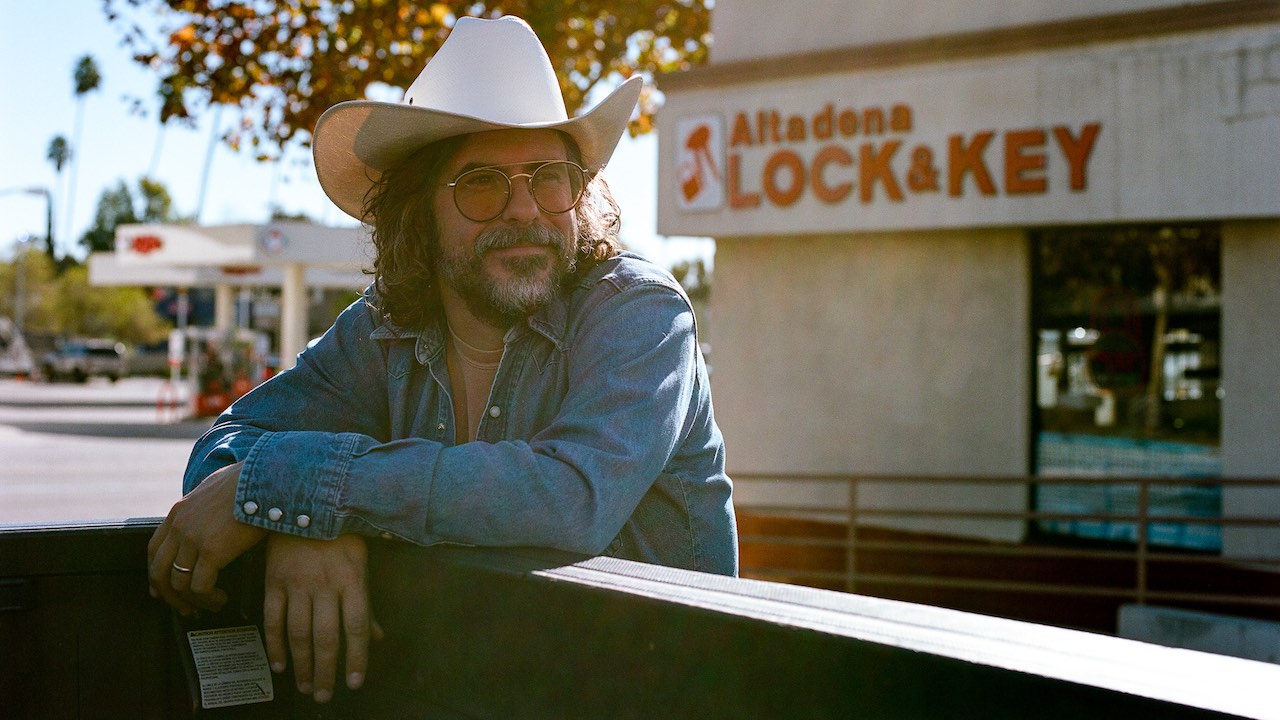
I still aspire to have a positive outlook. Hopefully I always will. Depending on how much news and social media I consume, I can still maintain it at least somewhat. I find that trying to be useful within my immediate community is the best way to keep the shadows at bay. I like Altadena. My house, thankfully, didn’t burn in the Eaton Fire. The fact that we were so close to the fire line, and that so many of my neighbors lost everything, has given me much to grieve and also much to be thankful for. I keep a garden here and have a nice view of a mountain from my yard. I coach baseball for my son and work on art projects with my daughter nearly every day. I tour far less than I used to. I really try to stay busy with things that fill my cup, so to speak.
If someone proposed the idea that another musician re-record 13 in its entirety, with zero participation from you—even though it’d be flattering—which artists would you most want to be involved in such an endeavor?
These are folks that I’ve either worked with or would be really excited to hear on the music. None of them are on 13. I’d like for Eric Slick to be the drummer, Steve Terebecki to play bass, Macie [Stewart] and Sima [Cunningham] from Finom to sing and play whatever they hear, Zack Tenorio and John Medeski to play keys, Marc Ribot and Nels Cline on guitars, Sam Gendel on wind instruments, and Dave Longstreth producing with Jim Vollentine engineering at Real World Studios in Bath.
You’ve changed labels many times during White Denim’s duration. Is it fair to say that musicians have more creative freedom, bargaining power, and say-so in a greater number of decisions than ever before?
I don’t know. I can only speak for myself, and my experience has been the opposite. In retrospect, I sometimes wish I would’ve tried to stay with a major label when I made the jump back to the indie side after Stiff. We had an advance held and a record called D shelved for a year way back in the day. I thought that was difficult and an experience unique to major labels. Now, that has more or less happened to us with two records on separate indies. To be fair, we’ve never sold a ton of records. But many people inside [the music industry] have had the potential to do so. I completely understand why investors would meddle.
When Steve [Terebecki] and I started our own label [Radio Milk Records], we had creative freedom and access to people through our distributor. But we were financially exposed in a new way; we ended up in a frivolous lawsuit filed by a young drummer that destroyed our business for a time. They dropped the suit after litigation upon my request of third-party mediation. I think that streaming and social media are such a huge drag on our culture. With less money going to labels and artists and more going to the tech dorks in the middle, there appears to be significantly more pressure on the smaller artists and labels to really make dollars count. The music business is the pits. It’s always been hard, it is still incredibly difficult, and I mostly hate it. However, I Iove music and find it easy to fall in love with others who do, as well. Music has given me a place and purpose in life, and I will try to give it everything I can for as long as I can, regardless of what is happening on the dark side.
