
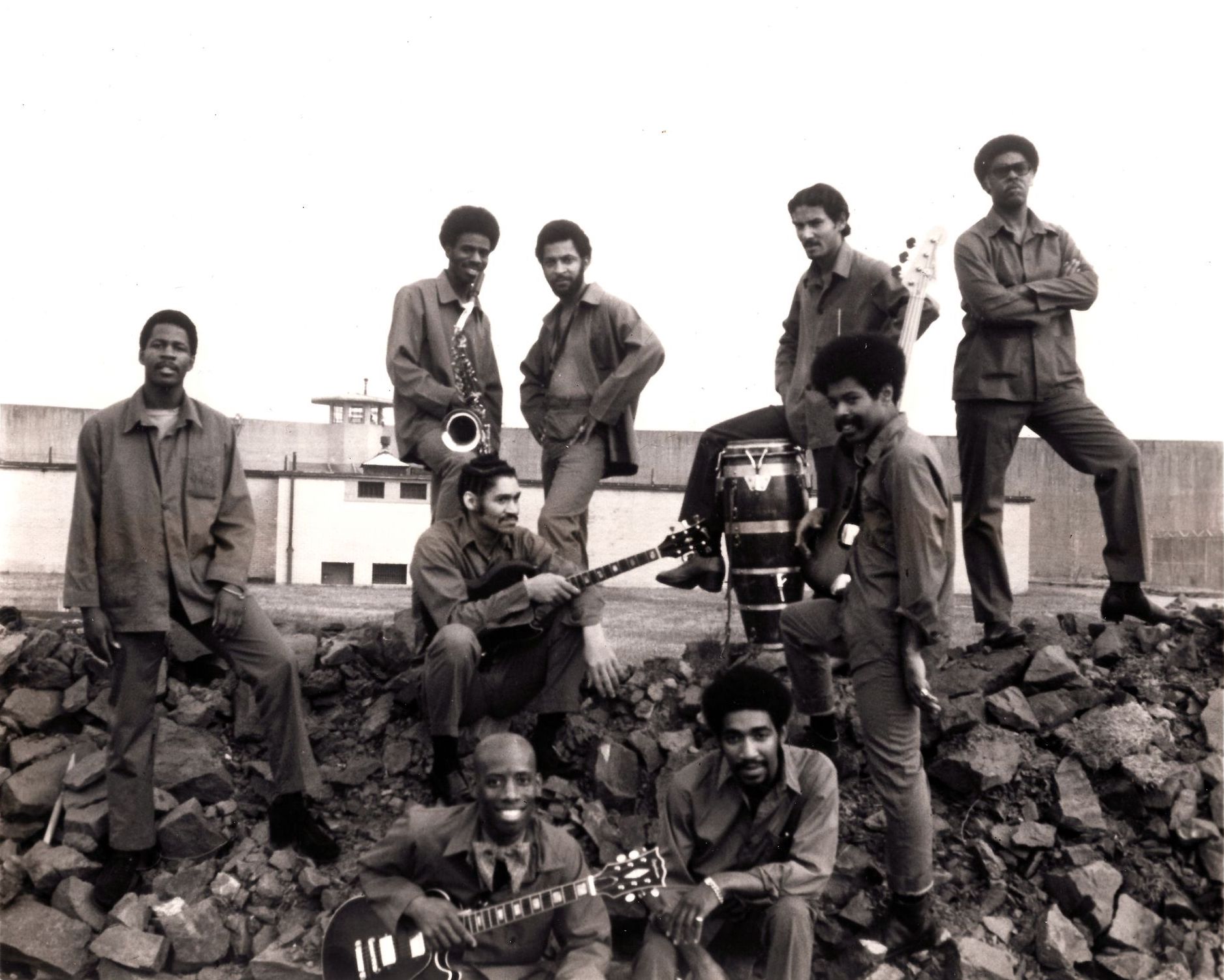


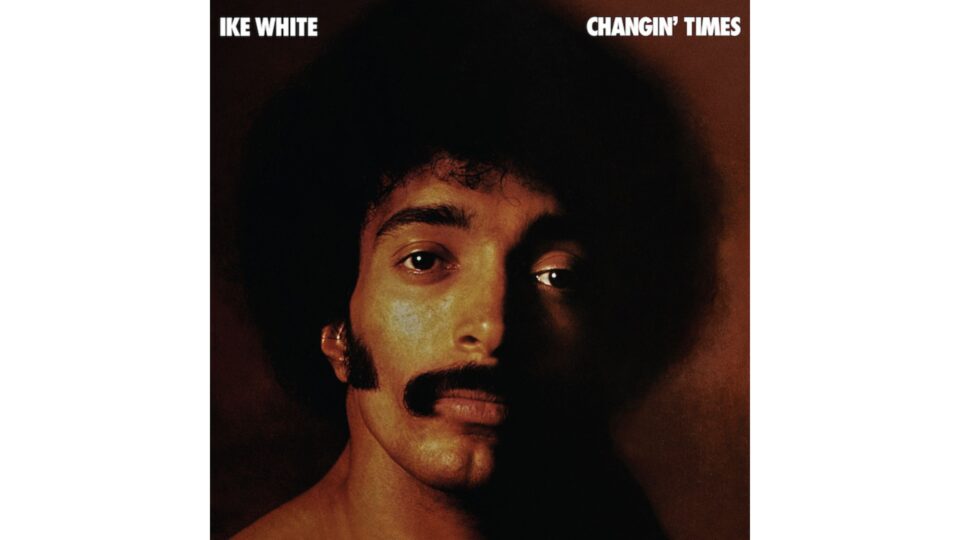
Of the nearly 400 records released for the April 2026 installment of Record Store Day, only one was recorded inside a prison: Changin’ Times, an obscure 1976 funk album by songwriter and multi-instrumentalist Ike White, who cut the record at Tehachapi State Prison while serving a life sentence on a charge of first-degree murder. Discovered by War/Sly & the Family Stone producer Jerry Goldstein and his partner Steve Gold, White made the record with help from Santana bassist Doug Rauch and former Family Stone drummer Greg Errico, the latter of whom also co-produced the album. They recorded all six tracks in a vacant building at the California correctional institution, using a mobile recording unit provided by Goldstein and Gold, who released Changin’ Times on their LAX label. Though Changin’ Times didn’t achieve much in the way of commercial success, it unquestionably changed the course of White’s life. Impressed by the record and its unlikely origins, Stevie Wonder arranged for White—who’d maintained that the 1964 shooting had been the accidental outcome of a bungled burglary attempt—to get a new lawyer, who in turn enabled White to win his release from prison in 1978.
While the record still holds up today from a musical perspective, Maurice Chammah—a staff writer and reporter for The Marshall Project, a nonprofit news organization which covers the American criminal justice system—also sees the album as an artifact of what he calls “the golden age of prison music,” a period in which artists like Johnny Cash, B.B. King, and Eddie Palmieri were recording live albums in front of incarcerated audiences, and it wasn’t uncommon for American penitentiaries to have bands made up of inmates, some of whom made records of their own. “Changin’ Times, and the fact that these outside musicians were allowed into the prison to rehearse and record with a man serving time, encapsulates how many American prisons used to have a more hopeful, rehabilitative approach,” says Chammah. “The message was: Someone can be punished and serve his time while also retaining some opportunity to develop his voice and let the world see him as an artist.”
Since March, Chammah has been publishing a weekly newsletter via the Marshall Project website called Redemption Songs: The Music of Mass Incarceration, which explores 100 years of prison music; each week sees Chammah unveiling a different prison-recorded track and diving deep into the story behind it. Artists showcased so far have included contemporary rapper B. Alexis (whose 9th & Gasoline might be the first-ever album made by a woman behind bars), 1970s funk band Power of Attorney (who were championed by James Brown and often performed guard-supervised concerts in the outside world), and 1930s blues singer Hattie Ellis, who was a regular fixture on the weekly Texas radio show Thirty Minutes Behind the Walls. “‘Before the advent of radio, prisoners were exiled; citizens outside paid little attention to them,’” Chammah quotes Texas Governor Wilbert Lee “Pappy” O’Daniel as saying during a 1939 appearance on that same radio show. “‘But now you hear them talk; you hear them sing; you find out they are sons and daughters of good mothers. You find out they made mistakes, thus proving that they are human.’”
“The goal with Redemption Songs is to take at face value the idea that people in prison are artists as much as anyone else can be artists.”
Chammah hopes his newsletter will humanize the incarcerated in a similar fashion. “The goal with Redemption Songs is to take at face value the idea that people in prison are artists as much as anyone else can be artists,” he explains. “By listening to this music and celebrating it, we not only help them with whatever rehabilitative goals they may have, but also we kind of prepare our own selves to welcome people back a little more to society, and to see that prisons are not just where we throw monsters away and never think about them again. Some of the people in prison are going to eventually get out, and they can either be helped to work through their problems and come back to society, or we can make it really hard for them—and when we make it really hard, it increases the chances that they're just going to go back to crime and victimize people again.
“I think America has always had these kinds of warring impulses between punitiveness and redemption,” Chammah continues. “You can think of it a little bit as Old Testament versus New Testament—like, ‘A sinner needs to be banished and sent to hell,’ or ‘A sinner can be redeemed.’ And when you’re listening to a lot of this prison music, even when the music and the songwriting isn’t explicitly religious, there’s a sense of, ‘I am encountering this person as they seek to come back from some mistakes or sins they’ve committed, and they are seeking redemption—both in the eyes of themselves and their peers and their god, if they have one, but also asking us to help them work through their issues and come back to society and rejoin the community.’”
“Not everyone wants to read long, extremely dark articles about how brutally violent prisons are... I think we need a variety of entry points into this conversation.”
An Austin-based musician and journalist who’s been working for The Marshall Project since 2014, Chammah also sees the newsletter as a gentler way of introducing issues surrounding mass incarceration to readers who might generally shy away from the subject. “Prisons affect all of us much more than we might want to think about,” he says. “Not everyone wants to read long, extremely dark articles about how brutally violent prisons are; that approach has its place and is really important in driving change, but I think we need a variety of entry points into this conversation. And music is a much easier entry point. I think a major message of this project and this music is that it follows a policy shift around the criminal justice system that we as a society have chosen over the last 50 to 60 years. In the ’60s and ‘70s, there were a lot more rehabilitative programs in prisons. And there were countless examples of prison bands being developed and allowed to perform for the public and release their music in ways that I think are pretty astonishing today.”

Hattie Ellis / photo courtesy of the Texas Prison Museum
Chammah first started going down the “prison music” rabbit hole about a decade ago after finding an eBay listing for an album of jazz and country music made by Texas prisoners in the early 1970s. “I thought, ‘Oh, that’s interesting,’ and I bought it for, like, 20 bucks. It turned out that this was a record that they sold at an annual prison rodeo. I tracked down the drummer on that record and he told me, ‘My prison was essentially like a conservatory.’ He was a jazz drummer who had already played with Sonny Stitt and all these other famous jazz musicians, and he said, ‘I went into prison for drugs, and I just practiced all day and played with all these bands.’
“Most of my work for The Marshall Project is investigative-style reporting about dysfunction in prisons,” he continues, “and a couple of years ago I had this feeling of what I would call hopelessness—the world felt like it was getting darker and meaner, and I also felt like I’d watched the idea of making prisons more humane or rehabilitative get some ground and then sputter and sort of struggle. And so I was just like, ‘Is there some other approach, other than just calling out problems in prisons, to advocating for a more humane system?’ And then I went back to that record, and I was like, ‘Oh, this is what happens when you let incarcerated people make art, and let them put it out in the world and celebrate it in some way. Maybe there’s some lessons in that history.’”
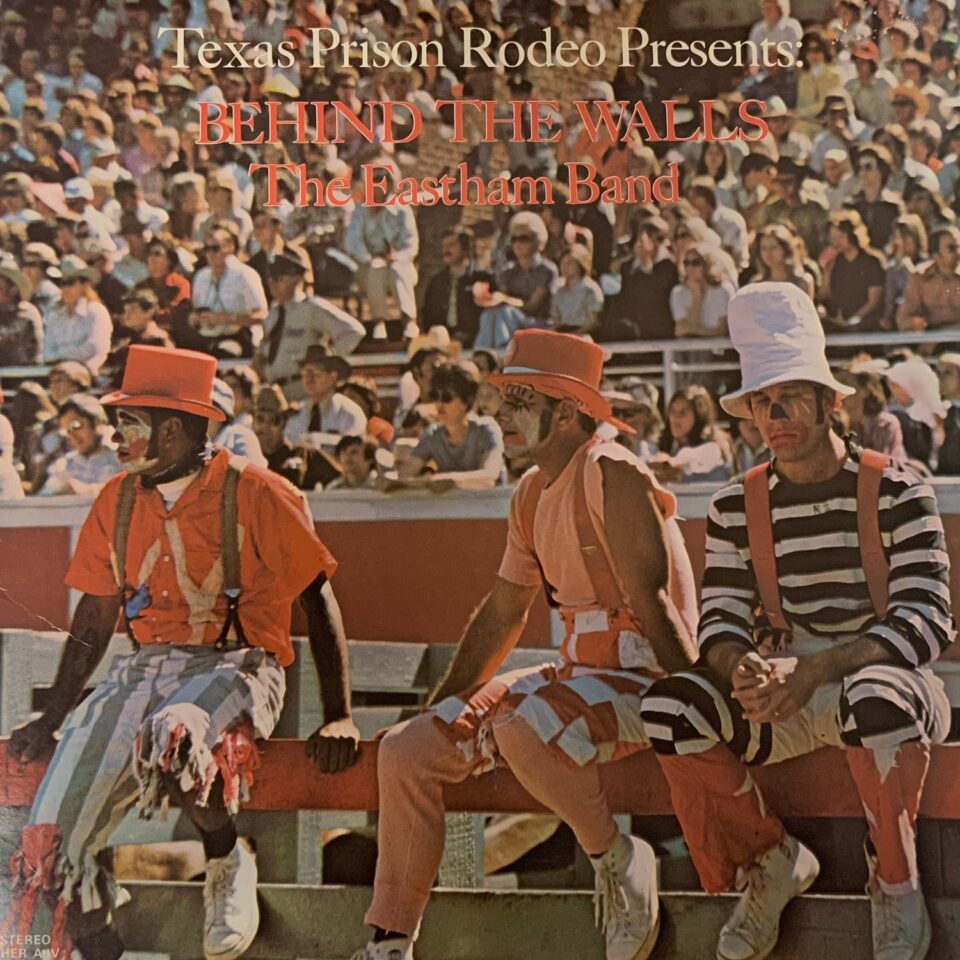
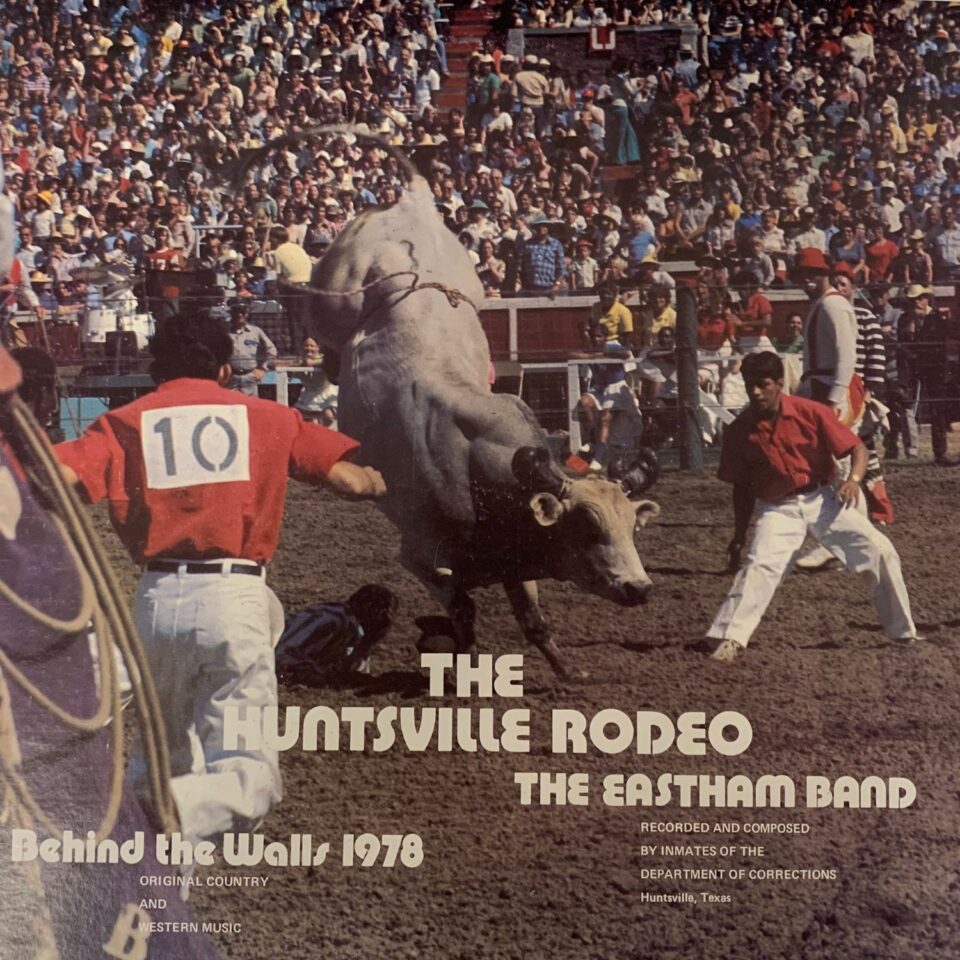
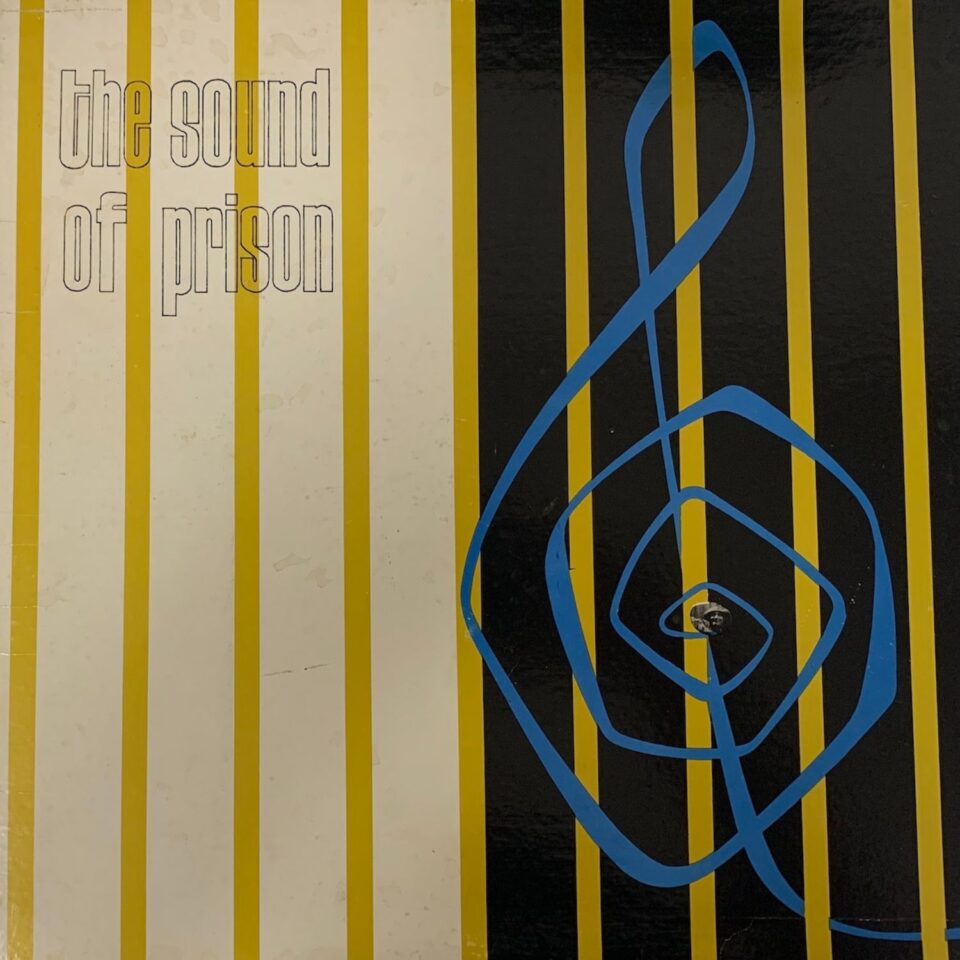
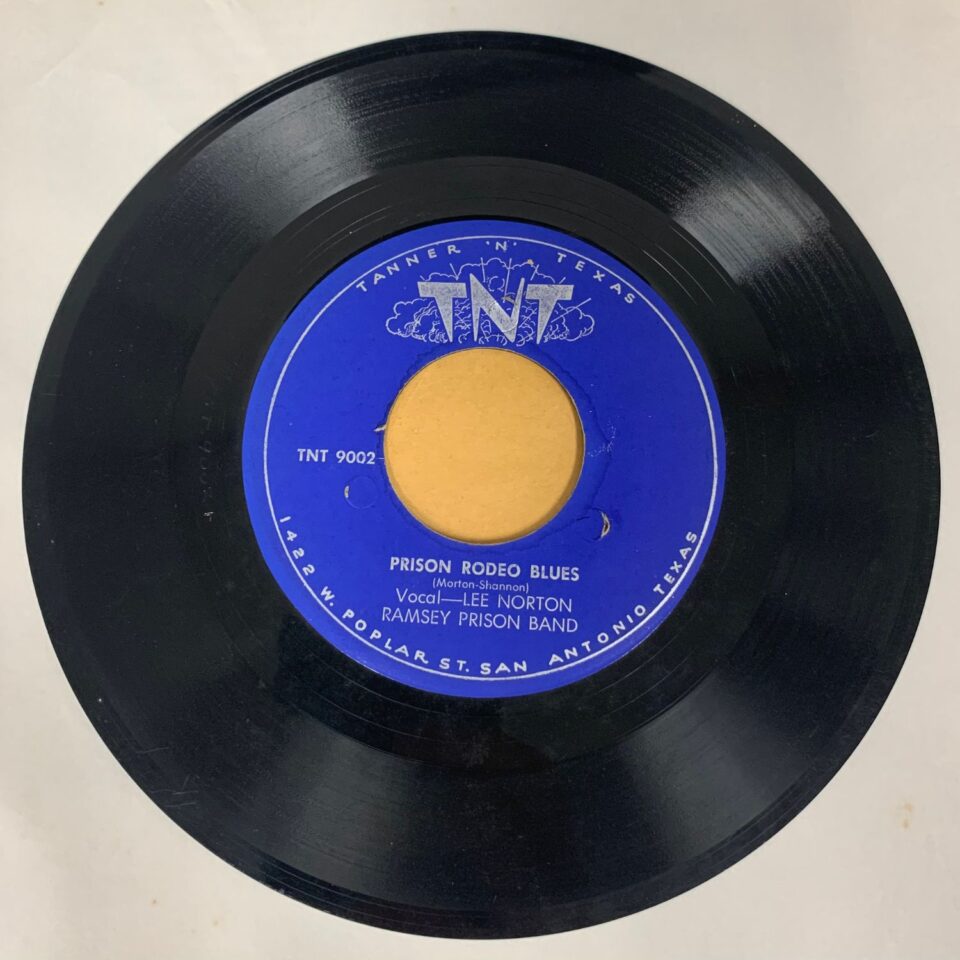
Though the prison music well is a deep one, Chammah says he currently intends to cap Redemption Songs at 25 entries. “I feel like there’s a nearly infinite number of songs one could feature here, but I do want people to feel like there’s a digestible archive. We thought that a six-month experience would be enough time to give you the scope of the history of mass incarceration, with 25 songs representing each of these periods, along with a good mix of geography and musical styles. And then if people want more, there’s a whole universe out there that they can explore through the albums and related artists we link out to.”
While Chammah says he thinks of these 25 songs as “a little like a double album—a solid, meaty artifact,” he sees little hope for compiling an actual CD or vinyl compilation of prison music for commercial release. “It’s a licensing nightmare,” he laughs. “Some of these recordings are owned by major labels who have been acquired a million times by other labels since the ’70s, and it would be a full-time project for someone to track down who actually owns them at this point. But a lot of this music is on Spotify and Apple Music, so toward the end of the project I’ll be putting straight-up playlists on the streaming services as another way for people to enjoy the music. And with some of the music that’s a little more obscure and not on major labels, we at The Marshall Project are making an effort to digitize and put them out, at least on YouTube. I’ve found about 100 songs that were recorded in Texas prisons in the ’70s and ’80s on these vinyl records that were sold at public rodeos, and we’ve digitized them and put them on YouTube. But, of course, I’d love for someone to remaster them.
“Or, to me,” he concludes, “the even more pie-in-the-sky thing would be to have contemporary artists cover some of these old Texas prison songs and modernize them in various ways. There’s definitely a lot of opportunities to give some of this older music a second and third life.” FL
