
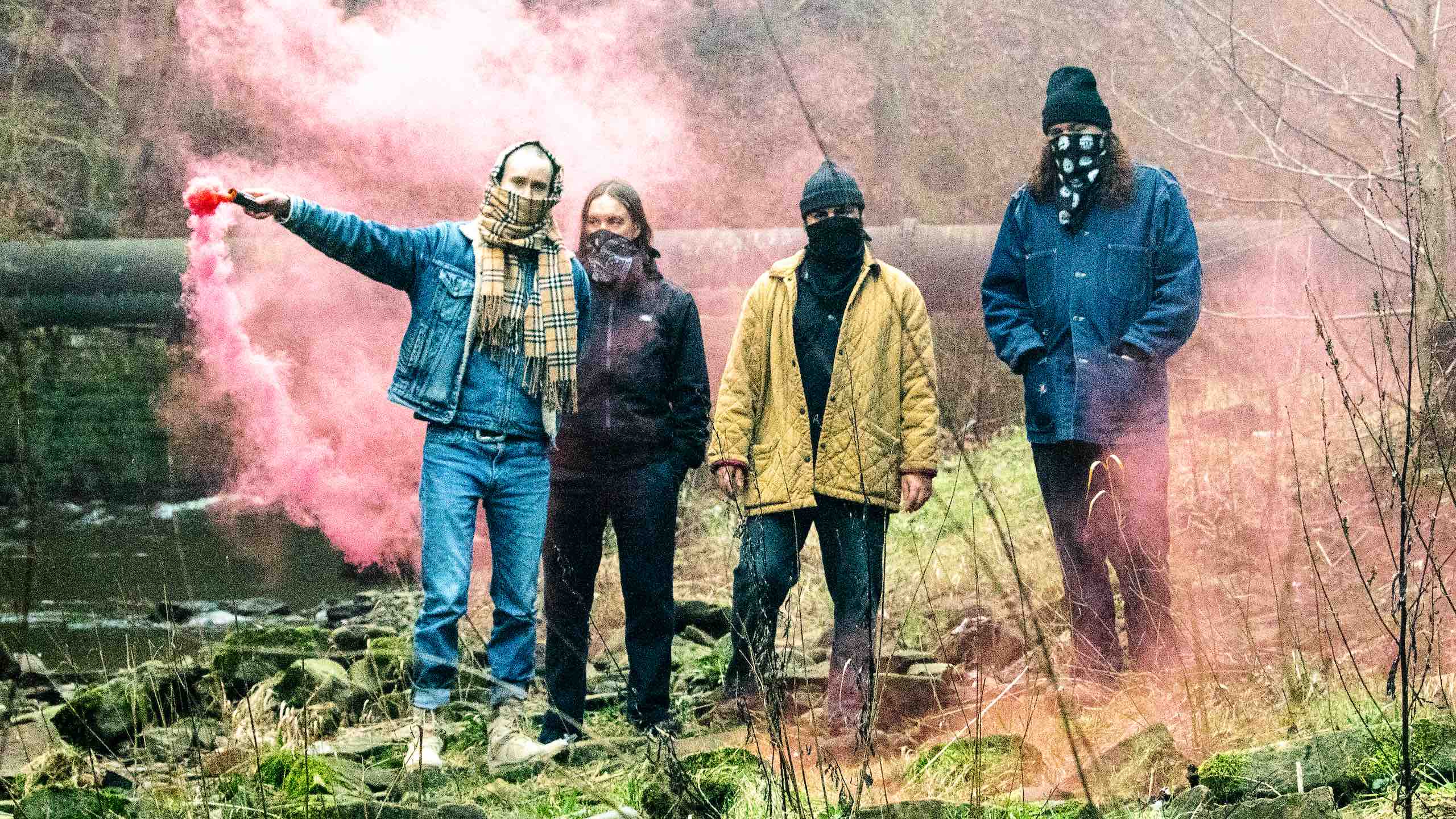
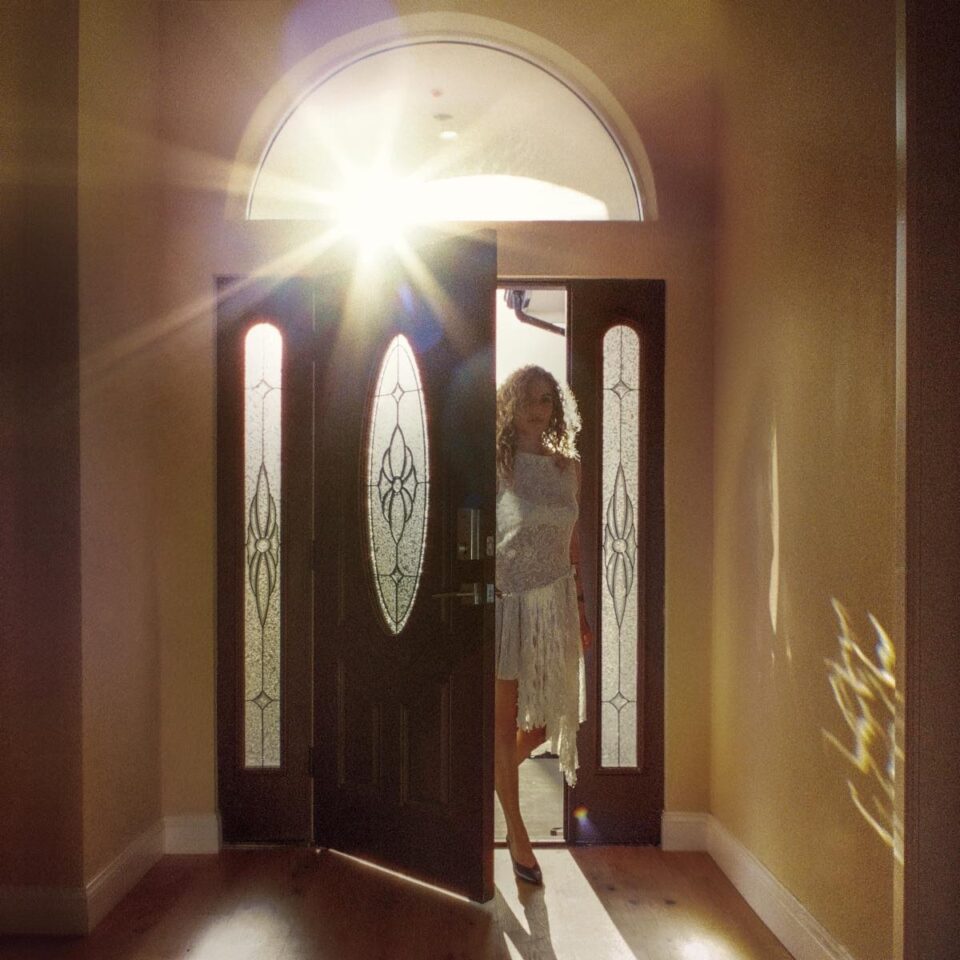
WU LYF seem to exist in direct opposition to most of their alt-rock peers who had a brief moment of cult success at the beginning of the 2010s. Rather than re-materializing 15 years later after a TikTok trend or TV sync made the endeavor seem lucrative, the recent release of their follow-up to 2011’s cryptic Go Tell Fire to the Mountain was entirely on their own terms; there was no major label (or any label at all) goading them on to milk a moment of virality. In fact, you won’t even stumble upon A Wave That Will Never Break on any trendy Spotify playlists, given that the release only exists within the digital realm uploaded to Bandcamp.
Needless to say, the record manages to eschew trends on each of its seven densely packed songs, too, as the collective further explores the furthest reaches of post-punk, dream pop, and arty piano rock on a project that still feels rooted in the burst of creativity their debut was born within—albeit with a decade and a half’s worth of new influences to pull from. It’s these reference points that the band wanted to outline with their “Influences” playlist for the new LP, compiling what they refer to as a “compendium of inspirations, both personal and collective, bridging the 15 years span between the albums and beyond.” From an emotional early Sébastian Tellier single to cuts by The Band and Van Morrison, check out their unique playlist below.
Sébastian Tellier, “La Ritournelle”
I can’t remember who said it, where I heard it, or when. While driving late at night on a highway, “La Ritournelle” came on the radio and into the driver’s ears for the first time. The pull was so intense they had to stop by the side of the road to give it their full attention, then the tears came. It’s less a song than an emotional juggernaut delivered with impeccable sophistication and class. The vocals never come in as the tides of strings wash and develop around Tony Allen’s skeletal beat. When they do, they break your heart with those few lines and then go away again. Although we do emotional intensity very differently, there is a through line there that aims at truth by fire.
Fugazi, “The Kill”
One of the best songs ever written about liberty—the call to arms both mental and on the field of battle—on one of the most illuminating albums of our troubled era. Destroy the self rather than endlessly defining it, question assimilation rather than buckling under the expected modes of behavior presented by a state hellbent on committing the perfect crime. On the musical plane, Fugazi loosen things up on their last document, creating open spaces by internalizing their rage and letting it collapse at the right moments. “The Kill” teases, then fully indulges in, a downtempo ritual with sublime low-end bass rooting the interweaving guitar atmospherics. Joe Lally’s vocals breaking up the MacKaye/Picciotto hegemony, beautifully detached and alienated. Who wants to be a citizen, anyway? It’s just murder on the veins.
Aerial M, “Vivea”
A revelatory experience upon hearing this exceptional live set for the first time after being salvaged by Drag City a couple of years ago. I usually prefer frayed around the edges, but the clarity of this recording is too pure to argue with. The balance and separation, the clean presence of the guitars, the rotational groove of the bass and snap of the drums. Recorded at Maida Vale for the great John Peel in 1998 by Dave Pajo & co. after a few weeks touring around Europe. Still in his instrumental phase before finding his singing voice and releasing his masterpiece Whatever, Mortal at the start of the new century. Some influences end up staying past the seasons of incubation, shaping and redefining themselves throughout the years.
Van Morrison, “Astral Weeks”
I remember our friend (and now manager) Ryan playing “Caledonia Soul Music” (an outtake from His Band and the Street Choir) at one of our get-togethers at Bound & Infinity. The mood was light and the future unknown, the song matching the atmosphere unfolding in that moment of reconnection. I revisited Astral Weeks’s elusive beauty during this period, too, after many years of absence, my dad having first introduced it to me as a teenager. I was pleased to learn about the unplanned nature of the album, recorded in only three days and Van’s prodigious bad moods during the sessions. The title track always hit the hardest, between the wails and yelps, the most beautiful words that helped link the past to the most improbable present, in another time, in another place…to be born again.
Talk Talk, “New Grass”
Sometimes it gets so much you have to press mute. Sometimes you loop an irregular jazz beat through the whole song and build everything around it. Sometimes two organs are better than one. Easily the most beautiful and ambitious post-rock record ever laid to tape that lives in its own cosmos. An extraordinary document of human frailty, compassion, rage, and hard-earned peace, made even better by Mark Hollis’ near-final retreat from an industry which he hated. It followed me across the 10,000 miles travelled before becoming a man and guided us at various stages of our reconnaissance. Some music sounds better with the passing of time, itself carrying a weight and meaning usually misplaced on youth. Memories meant to wash against us like a sea into a pier.
Lou Reed, “Coney Island Baby”
Way back in high school I just wanted to play football for the coach. Before rock and roll dreams started to displace the athletic life, man, I just wanted to play football for the coach. A tale of adolescence and nostalgia, the sweetness of youth looked at from a distance that only time can give, hanging by a thread amid the dangers of the adult world. First love in the rearview mirror, the city morphing from malleable playground into a circus or a sewer. Two bit friends talking behind your back—who’s a real human being in this place, anyway? But as is natural from the prince of ambivalence, the flip-around surely comes and the glory of love is declared. Jamming past all the regrets and missed opportunities, it might just see us through.
The Band, “Tears of Rage”
Finding their sound after calling time on The Hawks, as a decade of the backing band life ended with Dylan on his infamous electric tour of ’65-’66. Levon Helm quit to work on the oil rigs after figuring he didn’t care much for all the booing they were met with on that first month on the road. Luckily he came back to complete the dream lineup shortly after the informal sessions for The Basement Tapes wrapped up. The ultimate band of brothers holed up at Big Pink, getting high, crashing cars, and making otherworldly roots music. Carrying each other and breaking new ground by reshaping old water. The symbiosis palpable with every note, played by the band like it was the only thing that mattered. Life is brief, but thankfully there are some ties that bind.
