

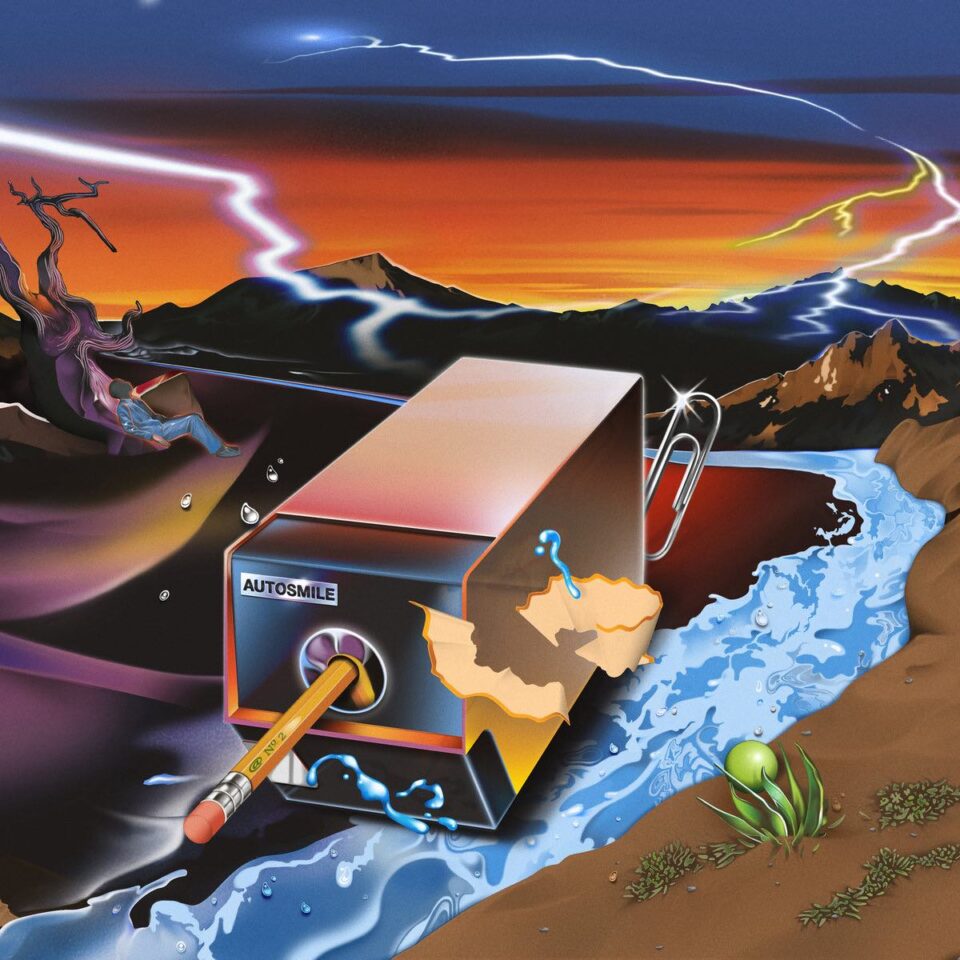
Public Opinion
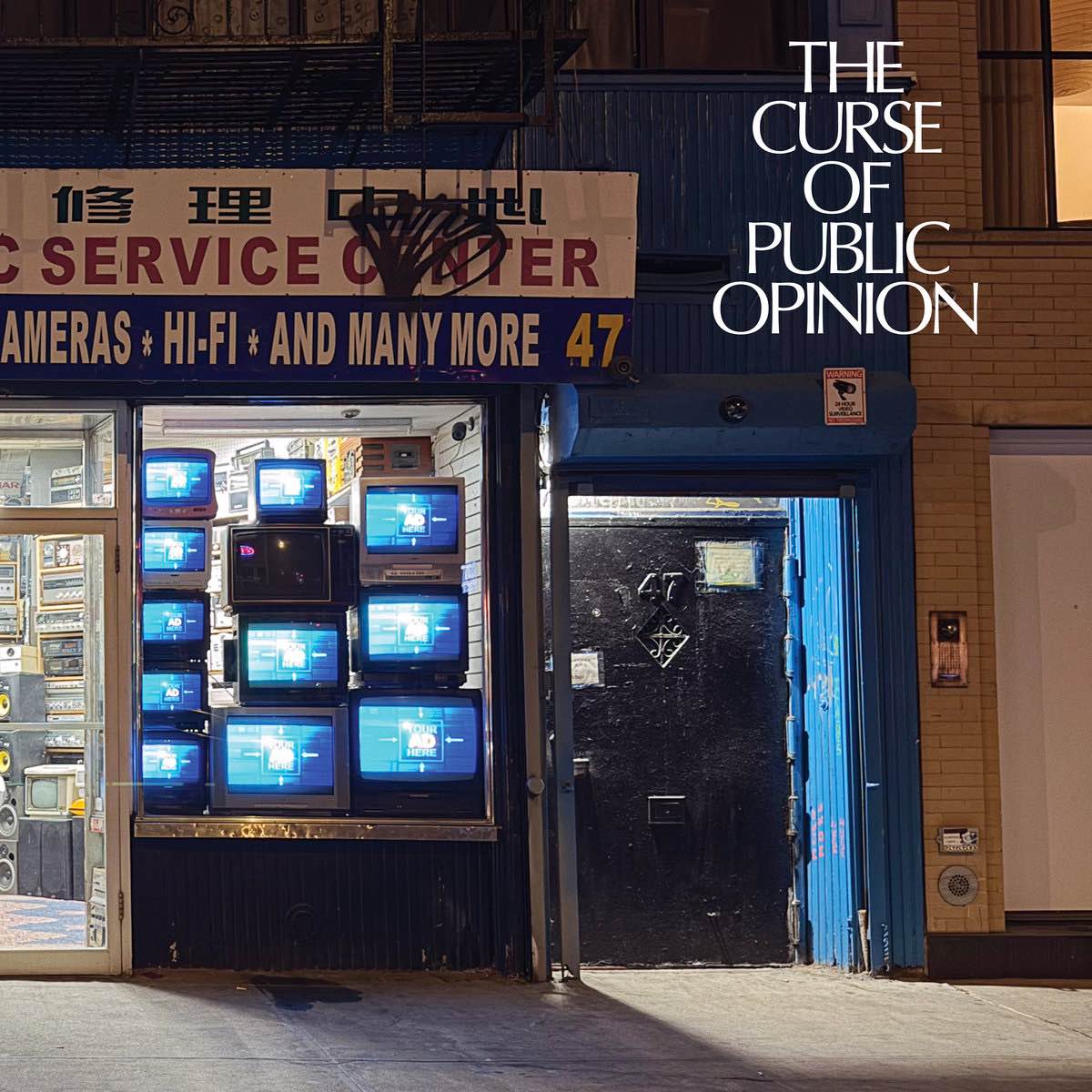
The Curse of Public Opinion
SIDEONEDUMMY
Punk music comes in different forms, but the best examples of the genre all have one thing in common: they energize. That’s something this second album from Colorado’s Public Opinion does in spades. From the moment that opener “Balloon Man Running” kicks off the proceedings through to the title track that rounds it out, The Curse of Public Opinion is a cold shower of a record that makes you feel fully alive—a chilling blood rush that runs through your veins and jolts and jerks you into a full awareness of your existence.
Across the record, blistering choruses mix with dirty, raucous guitar lines that hit on both a cognitive and visceral level. “I Pay Everyone I Still Talk To” is a jagged analysis of too much self-analysis and time spent inside your own head, while “When Kevin Gets Free”—presumably a reference to vocalist Kevin Hart (not that Kevin Hart)—embraces the inner turmoil inhabiting the frontman’s mind that served as inspiration for most of these songs. The result is an album that, while polished thanks to stellar production from Brett Romnes, doesn’t hide behind its facade.
Elsewhere, “Enhancement Talent” is a catchy, souped-up dose of existential anguish that feels whole and broken at the same, while the ensuing “Epitaph” is, true to its title, essentially a suicide note more concerned with the effects of what will happen to everybody else after the act transpires. The slowest, saddest song on the record, it’s touching and tragic as it exposes the vulnerability driving the whole album. That bleeds directly into the forthright punk of “Modern Convenience,” a coruscating swirl of self-violence featuring Vinnie Caruana from I Am the Avalanche that essentially sees through the suicidal ideation of the previous track.
Suffice to say, then, that despite the jaunty melodies and catchy choruses—despite the energy they infuse into the listener—this is a deceptively heavy record, one struggling with the weight of the human condition and the trials and tribulations that come with existing. But it also serves as a boisterous middle finger to all of it—an album that exists despite it all, that thrives despite it all, that lives to see another day despite it all. “I’m becoming calcified / Not wrong, but not quite right, unhappy, but not surprised,” declares Hart on the final track. That might come off like indifference on paper, but when you listen to the way those words surge out of the band, you realize that even if it is indifference, that’s a much better response than the alternative.
