
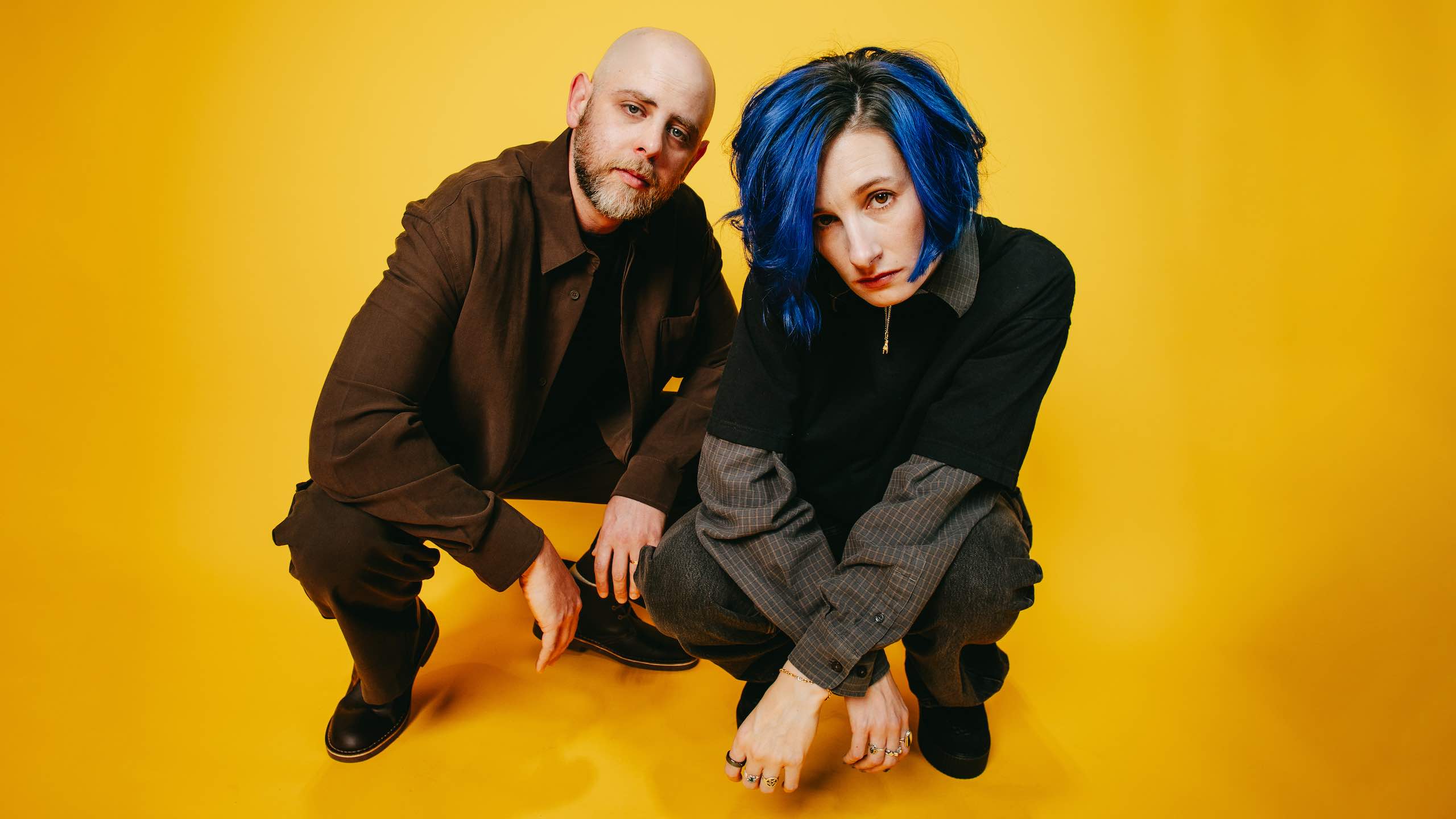



For all the buzz that began surrounding Slothrust a few years ago, it’s hard to believe the LA-based band actually formed all the way back in 2010. Vocalist/guitarist Leah Wellbaum and drummer Will Gorin have anchored the alt-rock group since their origins on the East Coast, even as their upcoming tour in support of their sixth and latest album What They Grow In The Garden will see the band expand into a four-piece (James Downes will play bass, joined by Lilah Larson, who also tours with Bambara).
In between the five answers she delivered to our five questions, Wellbaum spilled many more details that even the most ardent Slothrust fans may not know. She highly recommends the book Milk Fed by Melissa Broder, for example, and she loved the recent hit horror movie Teenage Sex and Death at Camp Miasma. Also, well, let’s just get on with the Q&A, shall we?
What would you potentially be doing for work if you weren’t a successful musician?
I’m from a line of classical musicians and music teachers, and I intuitively started teaching music when I was 18. Then the band started touring so much that I didn’t have time to teach anymore. When COVID began, I did some tutorials for Fender. Once I released those, people came knocking for lessons again. I really like to be of service, whether it be performing for an audience or teaching—one is a self-directed practice and the other is a pure way of building connection with somebody who’s a stranger. I also did a lot of music journalism when I was in high school, growing up in Boston. I got in with a couple of publications and would get free show tickets to do live reviews. It used to pay. I was probably 16 or 17, but they thought I was older. I interviewed Lady Saw and the bassist from The Used.
Did you have a specific vision for What They Grow In The Garden?
We [essentially made] two albums of material: One of them has the more traditional Slothrust sound—a little more minimal, more about my personal psychology. This album is the other side. I intentionally approached the material from the perspective of the collective and considered the role of power in that. The “us” is meant to invite those of us who want to stay in touch with the tactile, who feel disoriented by rapidly emerging technology and the way that our agency has been so sneakily taken away. Like, to go see a movie or a concert these days, you have to have an app downloaded on your phone. So the direction we decided to go with this album is the more maximalist, theatrical, collaborative direction, as opposed to the other side that we have. [The other material] we’ll be sitting on, and it easily could be the next album. Time will tell.
What are the benefits of being a duo?
Will and I have a really incredible connection. We’ve had such different lives, but we get along famously and have really similar preferences and perspectives on things that make our workflow very fluid. He’s such a dedicated player and a wholesome person who I trust more than I thought it was possible to trust someone that you do business with. That’s truly a blessing, and I think that we owe the longevity of the band to the honesty and that partnership and the fact that we really want the other person to feel seen, heard, and happy. He played bass on this record, and it’s been really fun seeing him step into other instrumental roles. Because we both play all the instruments, it’s fun to be able to explore as a two-piece in that way. That being said, it’s really nice to be able to perform with more people on tour.
One of the themes in What They Grow In The Garden is sleep paralysis. Is it you or Will who is afflicted with it?
It’s me. I’ve been lucid-dreaming my entire life. I’ve had many times when I’ve been able to tell that I was asleep and had varying degrees of agency in my dreams. Sometimes I’m able to manipulate the setting and the circumstance, but there’s also times that I’m aware I’m dreaming but I don’t have control—and that’s always very interesting, playing with that edge and trying to understand where we have agency and where we don’t. I’ve also always experienced great healing and great disturbance from my dreams. I’ve woken up from dreams and felt healed from things that had plagued me for years. By that same token, I’ve woken up and felt destroyed for the day because of what I dreamt. Sleep paralysis is fairly new to me. It didn’t happen to me until I started touring. I think it comes from being really exhausted and then sleeping. It usually happens if I take a nap in the middle of the day or if I haven’t slept in a long time.
OK, so what do they grow in the garden?
The album title is based on a lyric from, “Burn the Deck”:
Do you like when they say, “Count your blessings?”
Do you eat what they grow in the garden?
What about when the fruit’s full of poison?
Couldn’t you love the sting when you swallow?
It’s a comment on how we’ve been forced to consume something that makes us sick and fed this narrative that we should be so lucky to have it in the first place—which, to some degree, we should, because we have Western privileges like technology. But there’s another song on the album called “Keep Us Thirsty,” and the sentiment behind that song is that capitalism essentially functions as a drink designed to keep us thirsty. That’s what a lot of emerging technology has done. We’re keeping ourselves sick now. This album encourages people to see that and start being a little more intentional about what they consume and where it comes from on both the physical and metaphysical level, and to start to challenge when they’re making a choice and if they’re making a choice at all. It’s a message that needs to be spread.
