
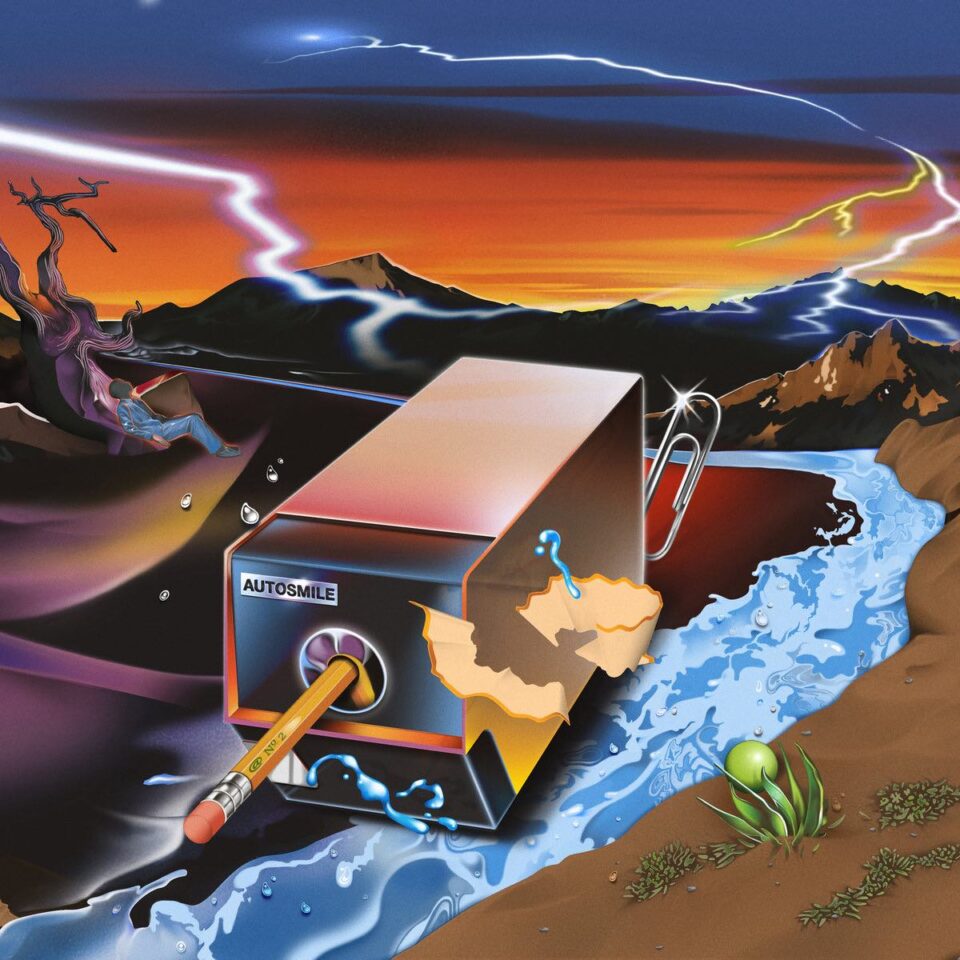
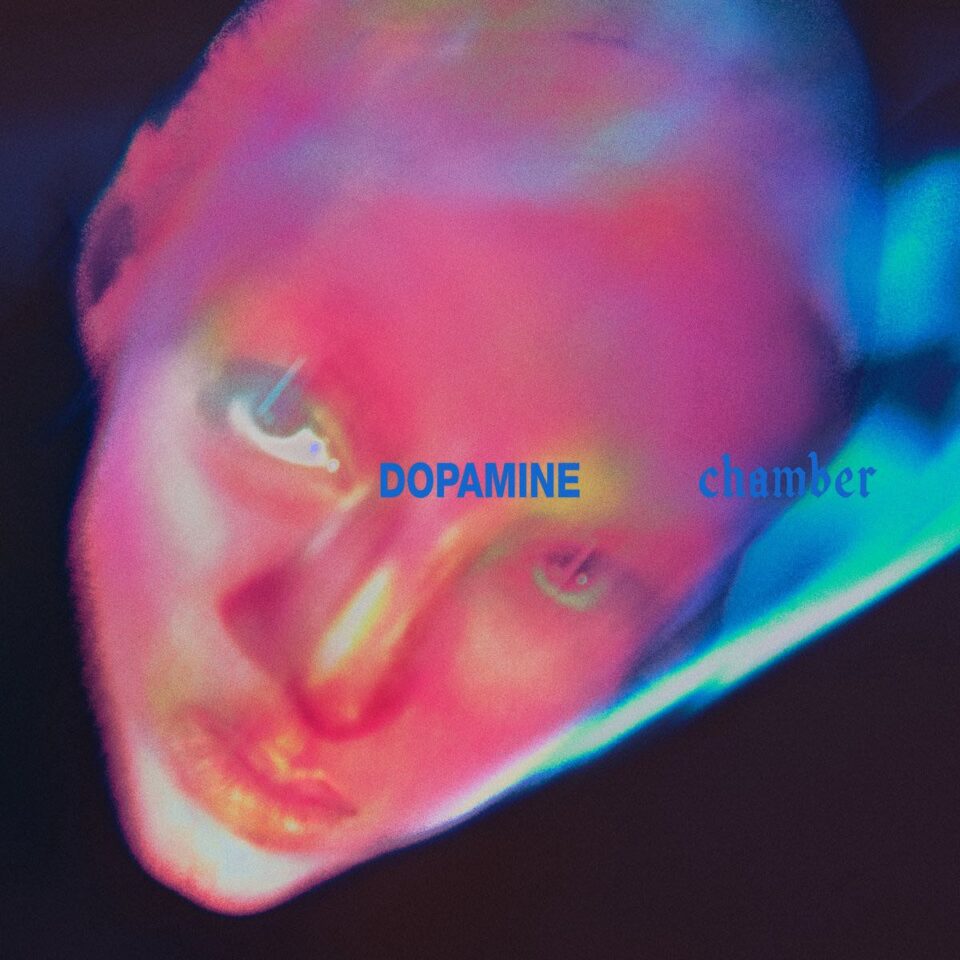
Yes, Eight Ring Revival is the album that saw a nu-jazz artist compose music with his feet, but it’s also so much more. The result of a recent EDS diagnosis (that’s Ehlers-Danlos Syndrome: a connective tissue disorder that, among other things, can make playing piano very difficult), Telemakus’ latest record is a creative workaround for what could have very easily been career-ending news. Instead, the producer brought in an impressive list of peers to help him out, either as guest artists or simply to perform the music he’d written. Among others, Flying Lotus, Sparklemami, both members of GENA (Kariem Riggins and Liv.e), Miguel Atwood-Ferguson, Swarvy, Tallulah Rose, and Nicole McCabe immediately stand out on the track list.
Throughout the recording process, Telemakus took inspiration from new-age jazz greats including Alice Coltrane—as well as funkier figures within the genre’s history, like Herbie Hancock—to create a distinctly modern record that factors in the hip-hop legacy of J Dilla. The results manage to span space just as much as they do time, with contributions from several artists outside of the artist’s local West Coast jazz scene, not to mention the cosmic-jazz factor most of his collaborators experiment with occasionally lifting the proceedings off of the terrestrial plane entirely.
With the record out today via Good Problem Studios, stream Eight Ring Revival below and read on for Telemakus’ breakdown of each song—including his collaborative process with several of the album’s contributors, feedback from one of said contributors, and a brief backstory on the album title’s meaning.
1. “Everyone in the Sky”
“Everyone in the Sky” starts the album with a palindrome. I discovered a harmonic trick of writing passages that work going forward and in reverse, depicting my healing journey, and the far reach of the future and past tying together the present on the record. Chino Corvalán is my musical soulmate on fretless bass, stitching together my story bit by bit. It sets the tone of what’s to come, acting as a table of contents for the record. This track is a collage of different points of my recovery, time traveling across my journey over the past few years. I’d lend my hand out to different parts of myself during my healing—one that couldn’t play, one that could one-handed, or one that only played with feet. Chino was with me through it all, his bass always cutting through my songs in an effortless, encouraging way. This one to me feels like an ode to Madlib: How do I sample myself over and over until it shows how harmony can?
2. “Five Hands Pt.1”
I initially wrote "Five Hands Pt. 2” and asked Swarvy to write a prequel piece to it when I was only able to play about a minute at a time after years of not playing due to my condition, EDS. As a friend and creative inspiration, he really showed up for me—as he has for so many amazing artists over the years, being such a pillar of the LA scene. He magically created a part-one that completed the sentence and inspired the entire album and production deeply, while I added onto it infusing my pain into notes and limited solos. It was really a mystical experience seeing this song be made, and witnessing his bass, drums, vocal, and Wurlitzer performance. It made me think, how can I continue to make melodies cry on this music?
3. “Electric Lady”
“Electric Lady” is a cosmic one; it’s the song I dreamed of being able to make when I grew up listening to jazz fusion records. I love chanting melodies, and that feeling informed the communal sound of this track when all of my friends were over during one of my first sessions in LA. Rouhangeze, Curran, and Kace featured on it, with my brother Khushal on alto sax and Stratøs on tenor. I wrote the track in 10 minutes that day, like I was struck by lightning. This song later made me realize I’m the only one who can mix the whole album with the sound I had in my mind. It also was made during one of the last days before my body hit a tipping point. It gives me strength.
4. “Toes and Rings”
“Toes and Rings” was one of the only songs that started in the room together with my best friends in the LA scene, Takoda, Curran, and Kace. The combination of my toes and rings—the surprise, humor, and feelings of staring at my eight rings that were healing my fingers as I learned how to play with my toes. It was a point in time that shifted what I wanted to say with my music. After helping make “Readymade” for GENA’s album earlier this year, it was amazing to team up again with Liv.e for this one. It’s the first song I’ve ever made with me singing lead vocals after she encouraged me to cherish the shyness in my voice.
5. “Hands Rejoice”
“Hands Rejoice” is almost a pop song to me, except it’s highly specific to my personal journey and fused with my inspiration of Herbie’s Sunlight era. I like to lean into humor because of how absurd my experience was. I want to make music that’s surprising and fun to listen to, and real to life. I’d later fuse new parts of my toes and overdub to replace certain melodies. Something about playing with my toes usually led to more intentional, heartfelt melodies. My hands playing are also speaking with my feet playing on the song; I wanted them to have a conversation.
6. “By Any Feet Necessary”
“By Any Feet Necessary” was truly a “feet” song, given the title. At this point in time—around mid-2022—using a laptop was too painful, so I used my feet during the peak of how bad my body was feeling. I composed the initial chord idea, added the drums, and tracked the bass all with my feet, and realized if I held a cluster chord, I could just arpeggiate it to broaden the scope of the feet notes. In listening back, Karriem appearing on this song feels like I’m sending a hopeful message to my past-self, lifting him up through the distress.
7. “2054”
After Miguel and I started working more, he invited me to the Camp Flog Gnaw Madlib Orchestral show honoring MF DOOM. Backstage, he introduced me to Karriem, who reached out months later to collaborate. I couldn’t believe it, so I sent him way too many ideas. He liked a bunch, and we started exchanging music. I’d write to his drums in different ways, but this one was special. It was always titled “HerbieRiem.” “2054” imagines Herbie and Dilla meeting: raw drums and pocket tones alongside the kind of samples Dilla would flip. I’m always imagining that fusion—Herbie growing up in the future on Dilla and A Tribe Called Quest—and trying to make the music I hear in my head. When we played it together in NYC in July 2024, we knew it was special. It felt like an explosion of ancestors and celebration onstage. I want to keep reimagining this track across my albums and ours, treating the parts my friends send me as prasad—a Hindi word for a spiritual offering.
8. “Holy Matrimony”
“Holy Matrimony” was written years ago after my weekly EDS doctor visits in the Bay Area commuting from UC Davis. They were really intense medical processes, and I would stay at my best friend and bassist Amarinder’s home in Berkeley afterward. I could only play for two to four minutes around that time, per doctor’s orders and ongoing treatment. Vooo and I quickly composed the song chord-by-chord over some drums my friend Raghav had sent me (which were recorded by a single iPhone!). I met the great Scottish singer Tallulah Rose, whose vocals are featured on the song, years later in LA. She had a talent of capturing the feeling and lyrics floating in the room, and I knew she could do that even if we were across the world from each other. As soon as she finished her first take on a bus on tour in Europe, her mic exploded. I took that as a sign that what we made is special.
9. “June’s Peace”
“June’s Peace” is a song I wrote a long time ago, which became a self-healing anthem that I rediscovered later as I went through my vault. I wish peace for everyone, and Ari and I tried to fuse our spirit and stories into one for this track while flipping the perception of jazz on its head. I sampled drums and chopped them in the way I would on my MPC growing up. I’m trying to make everyone sound as good as possible as a producer. Shout out Eddie Burns, Raghav on drums, Amina Scott on bass, and Ted Taforo on the horns.
10. “Last Divine Phoenix”
This song was something I initially composed for Nicole McCabe and Miguel Atwood-Ferguson. Nicole is a powerhouse in the LA scene and played her parts beautifully. I then got Miguel to track viola over it and he built his own emotions around the melody, and soon I realized the song’s potential for Sparkl’s voice. I’ve been deep in Alice Coltrane’s music and studying her life for a while after moving to LA. I’m proud of this one; it’s truly dedicated to Turiya and the divinity and ancestors above us. Despite us writing over Zoom, the music is still so profound to me and such a symbiotic song between Sparkl and myself.
Sparklmami: When Tele and I first met we were doing mostly virtual sessions, since I was in Chicago and he was in LA. I hadn’t really done that before, and working with him on these songs reminded me to always trust spirit, even if it means you aren’t able to physically share space. Tele is a testament that: Despite the barriers and obstacles, spirit will always transcend through our instrument.
11. “Revival”
I wrote this one with my hero Mndsgn after the great producer and bestie Omari Jazz brought Ringgo over to my home in LA. I named this one “Coyote” for a while, after the one that lives in my backyard. The coyote scared my friends when he would keep howling, inspiring the synth lines we’d play. “Revival” also marks the first of three songs on the album that Karreim and I made together, a collaboration that means so much to me dating back to when we made “Readymade.”
12. “The Center Eye”
“The Center Eye” is a dream come true. FlyLo and Miguel are my heroes, and I owe so much of my artistry and inspiration to them. There’s a third central eye beating into the drums of my child self’s heart, and I think I capture that jubilant feeling in this song. I’m lucky to have it as the ultimate finale for a project that features so many talented artists.
