
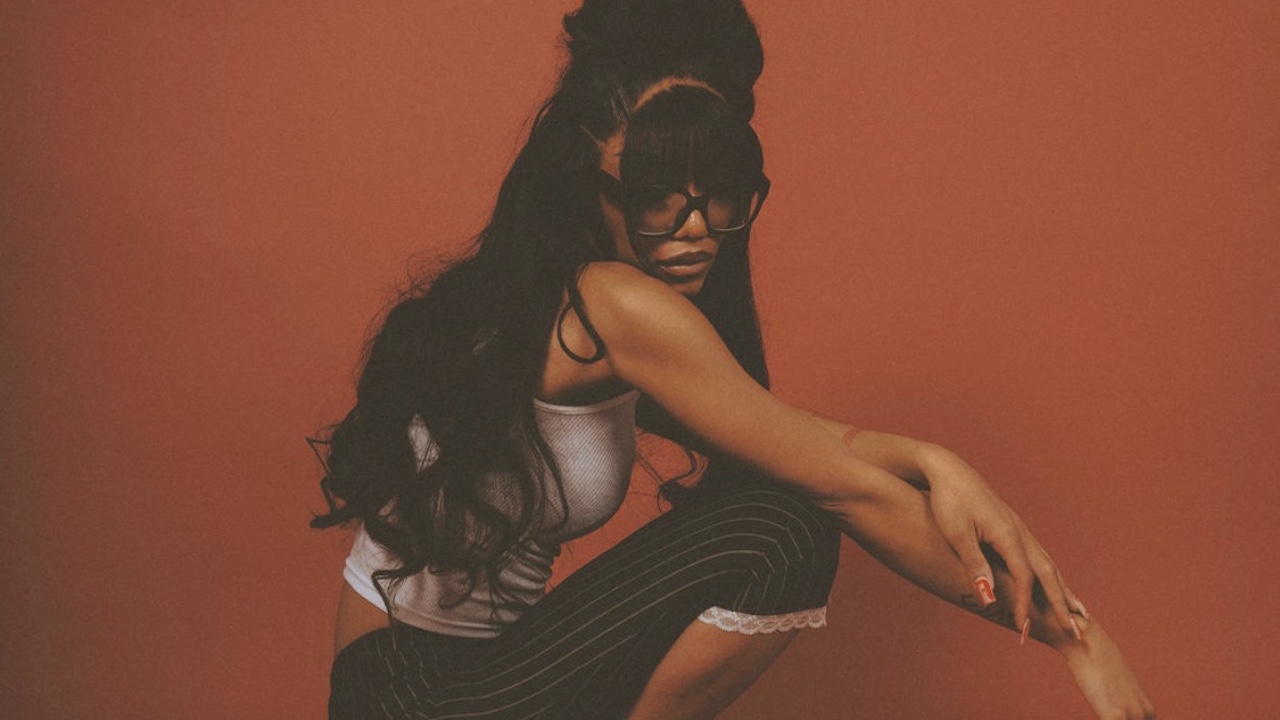
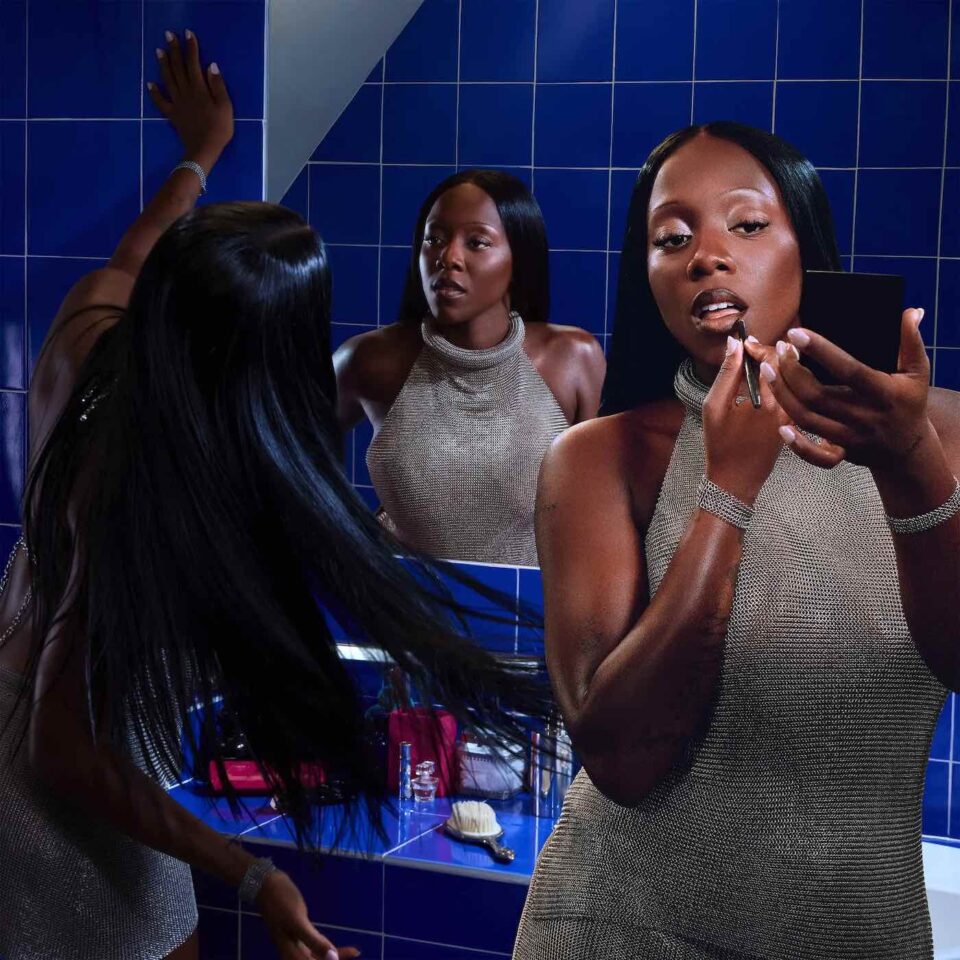
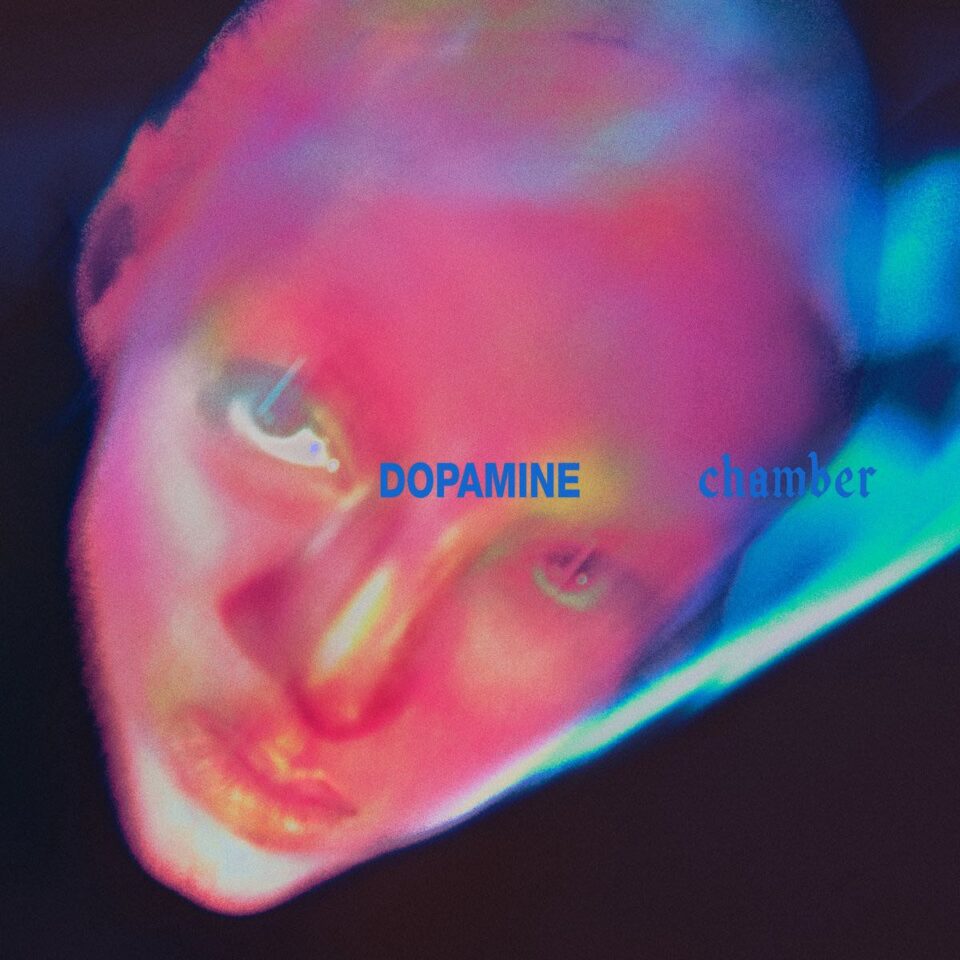
In anticipation of her new album Pink Gun, R&B vocalist MIRIAH dropped a moodboard on Instagram to get the good vibes rolling early. My personal favorite slide is the Brat-stylized “swag ain’t your fit, its your soul” meme for “Jesus Piece,” but the whole thing will crack you up and put you in the mood for some great R&B. A heart-wrenching 12 tracks (and correlative moodboard entries) long, Pink Gun is the first full-length release of MIRIAH’s bubbling career. Raised on the South Side of Chicago, the artist has been steadily growing her audience since 2025, flipping a smattering of singles and striking vertical visuals into support roles for the likes of Trevor Jackson and Kaash Paige.
A moody foray into the depths of grief, relationship strife, and, ultimately, self-healing, Pink Gun will have tears streaming down your cheek as your nose crinkles and head starts to rock to the 808s. The album takes its primary inspiration from the Chicagoan’s own journey with love and connection, ranging from romantic to religious. “Every type of relationship I’ve experienced is covered on the surface,” she tells me. “I use those stories as avenues for introspection, reflecting on the state of society as I know it, and uncovering my relationship with God.”
We caught up with MIRIAH ahead of the release of Pink Gun to talk sonic inspirations, her approach to creating her debut, and heartbreak as a vessel for exploring emotions. Catch our conversation below, and stream Pink Gun—out now via No More Heroes and Santa Anna Records.
Tell me a bit about how Pink Gun came together. What did your approach look like?
A lot of this project started as notes I wrote in my phone. Then I would freestyle the melody on a beat I found on YouTube, or a beat from a producer friend I had, and I would really twist and turn each song until I made it sound how I heard it in my head—whether it was reworking words or production. But the groups of songs changed up until a month before I decided I had to finally be done, because I told the story I needed to tell. Ultimately, creating for me isn’t calculated; it starts really free, and then I focus on how to execute the best version of what I want to hear with the resources I have.
Who were some of your core sonic inspirations for the record?
I really pulled from everything I love, and the more I listen, I realize I went back to my roots. When I was around my father, he blasted rap music—it’s my favorite genre, I always wanted to be a rapper—so you hear the 808s and aggression on some [songs] and some rap cadences. Simultaneously, my mom and I love ’80s music, so a lot of the synths and snares with gated reverb are there. But I also grew up in church, and I love worship music, so you hear that, too, in some of the content, specifically in “Jesus Piece” and “4 Wheels” and the end of “Purity.” Then there’s the alternative-rock influence I had from music I listened to in high school. Specific artists I’m inspired by are Jhené Aiko, Rihanna, King Krule, Lykke Li, Bibi Bourelly, and SZA.
The project has this really nice balance between sonic playfulness and extremely emotional and personal concepts. How do you approach the balance between the two?
I honestly just love music that makes me feel something, and I love a juxtaposition. It’s always more interesting and a fun challenge for me to say something of substance on production that may not “fit.” The quirky and off-kilter sounds that make you go “what’s this?” are what inspire me, oftentimes.
What about heartbreak makes it so rich of a vessel for exploring emotions for you?
For me, heartbreak isn’t limited to romantic relationships, and these songs speak to the grief of various people and moments in time, whether the people are still here physically or not. It’s also such an ever-present part of the human experience, and specifically for me that type of grief has always broken me open. Pain forces you to go deeper and really face yourself. It makes you question who you are, the world around you, and the point of it all, which ultimately helps you evolve into a more authentic version of yourself. So heartbreak has been an incredible teacher for me in that way, and I think as I’ve processed different types of heartbreak on this project, I started to better understand why God allows that level of pain. Now, I’m less afraid of it and more grateful for my ability to still feel, no matter what the feeling is.
“Purity” feels like this big cleanse within the project with its big electric guitar build and breakdown. What does that track mean to you and to Pink Gun?
It kind of is a cleanse. It’s the moment where I kind of step back and go beyond realizing why we all hurt each other, and I kind of figure out the solution. It’s kind of like, “Ohh, I don’t have to continue to perpetuate harm to make myself feel safe. If I chase healing instead, and purity instead, I’m one less person causing harm. And what if we all chose that route?”
