
Jane Schoenbrun quickly emerged as an important queer voice in horror with their feature-film directorial debut We’re All Going to the World’s Fair in 2021. They confronted loneliness, finding companionship online, and how the internet remains an essential foundation for the LGBTQ+ community. Their vision crashed the heteronormative structures that long suppressed queer narratives—that buried the gays, so to speak. Over the last five to 10 years, Schoenbrun has stormed the genre like a foamy tsunami alongside other crucial queer indie storytellers, such as Adrian Chiarella (Leviticus), Carter Smith (Swallowed), Jem Garrard (Slay), Robbie Banfitch (The Outwaters), and Alice Maio Mackay (T Blockers), along with distributors like The Horror Collective (Summoning Sylvia) and filmmaking teams such as Monster Makeup (Death Drop Gorgeous, Saint Drogo).
At the same time, many Black, brown, and other POC filmmakers have made the projects they want to make, decimating considerable roadblocks cemented by the industry’s white gatekeepers. As the 2019 Shudder documentary Horror Noire: A History of Black Horror detailed, Black audiences love horror—but “horror hasn’t always loved us,” author Tananarive Due remarks in the film. The doc also features Jordan Peele, the filmmaker who forged a remarkable new path for mainstream and independent horror nearly a decade ago. Previously known as a comedic actor, he blasted onto the horror scene in 2017 with Get Out, empowering other Black writers and directors to create wonderfully monstrous—and equally allegorical—creations of their very own.
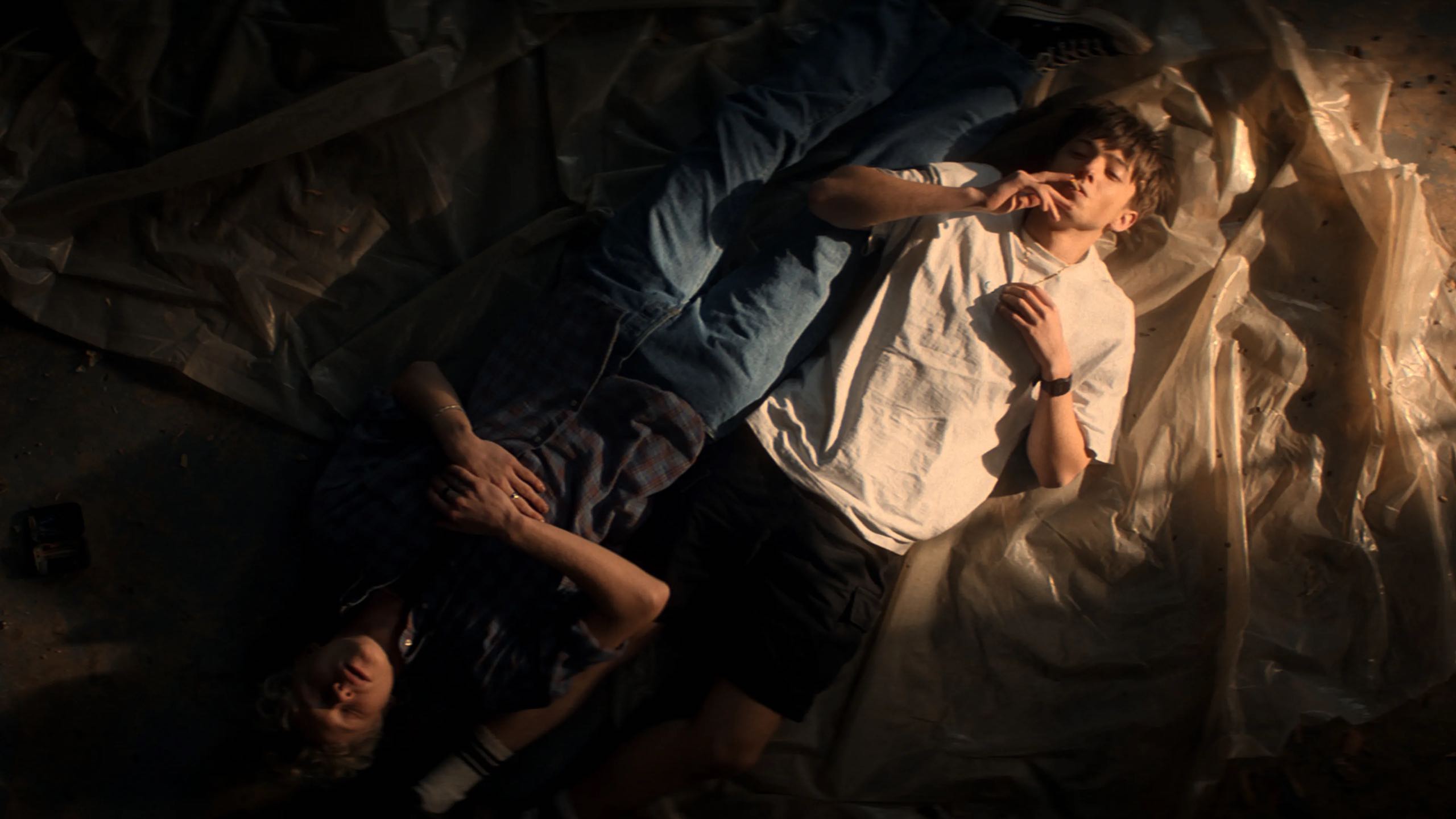
Together, the queer and POC communities have taken charge and caused an avalanche of indie horror that tears straightness and whiteness limb from limb. Schoenbrun delivered a remarkable follow-up to I Saw the TV Glow earlier this year with Teenage Sex and Death at Camp Miasma, which uses the divisive Sleepaway Camp as a reference point to discuss queer sexuality through the lens of typically straight slashers. While they aren’t necessarily working to “right the wrongs” when it comes to the latent transphobia of many ‘80s films, Schoenbrun instead eyes what it means to remake one of those problematic stories—“to not just give it a more woke backstory and keep making money for the studio, but to really remake and reimagine and recontextualize these very powerful, almost libidinal, tropes that have just been with us,” they told IndieWire in August.
They quickly added, “At the same time, I love those movies. It’s a complicated relationship, and I think, especially growing up queer and repressed, I’m not watching Silence of the Lambs and being like, ‘Look, it’s me!,’ when Buffalo Bill is dancing.” Consequently, the writer/director presents a slice of the shared queer experience in a profound way. Sure, Sleepaway Camp becomes a common footnote to the film, but Schoenbrun expands the ideas of sexuality and identity to tell an impressively stylistic story that fuses classic filmmaking style (e.g. the bright pink blood often seen in the ’80s) with contemporary aesthetics and symbolism (such as hand-painted glass backdrops to evoke the euphoria of carnal pleasure).
In 2026, it’s easy to see why indie horror leans hard and unapologetically into processing pain, exploring identity, celebrating the body and natural impulses, and studying the dynamics between queer people.
Monster Makeup—the visionary collective of Michael Ahern, Brandon Perras-Sanchez, and Ryan Miller—among several others have helped to turn the genre on its head lately, as well, through exploring aging in the drag circuit with Death Drop Gorgeous and fractured gay romance through a haunting folk-horror lens with Saint Drogo. In the latter, a couple heads to Provincetown, Massachusetts for a much-needed getaway to reconnect after a conflict only to step into a twisted tale of darkness. In utilizing horror tradition, the filmmaking team examines the continued ostracization of queerness and modern progressive performance. A spiritual cousin to their work, Adrian Chiarella addresses conversion therapy and Christian extremism in his newly released Leviticus, a tragic and intricately written story about a young boy caught between his faith and who he is. Identity becomes the crux of the unraveling.
With 2022’s Hypochondriac, writer/director Addison Heimann peeled back the layers of the protagonist’s childhood trauma, mental illness, and an estranged relationship with the character’s mother—all of which is explored through the queer lens in a way that makes it feels ripped from real life. In May, The Trevor Project shared the findings of the US National Survey on the Mental Health of LGBTQ+ Young People which concluded that “young people are too often placed at higher risk for suicide not because of who they are, but as a result of how they are mistreated and stigmatized.” One in 10 LGBTQ+ young people attempted suicide in 2025, a staggering statistic. Hypochondriac captures the suffocation of being queer and untreated mental illness that sends someone on a dark, winding path. Heimann’s follow-up, Touch Me, leaned into sexual liberation, fluidity, and the freedom of bodily autonomy as it bent its characters’ hunger for each other into something more otherworldly: the seductive and tantalizing nature of alien life forms and the true pleasure that comes from the unknown.
Filmmaker Stewart Thorndike mines infidelity, deception, and the chaos that erupts from confronting the truth in 2023’s Bad Things, whereas Parker Brennon collects various scary stories about finding one’s trans identity and other cutting themes in the anthology film Hauntology. Michael Varrati’s There’s a Zombie Outside tackles the intertwining of art and identity; Ed Aldridge, altSHIFT, and Sam Lidbetter’s Blowie delivers sex positivity and shines a glorious spotlight on sex work as a medium of sex expression; and Cassie Keet’s Abigail Before Beatrice analyzes brainwashing and long-buried trauma.
In 2026, it’s easy to see why indie horror, in particular, leans hard and unapologetically into processing pain, exploring identity, celebrating the body and natural impulses, and studying the dynamics between queer people. This trend mirrors that of mainstream fare that’s approached similar themes in both sexuality and race, such as Heated Rivalry (a.k.a. the gay hockey show), Sinners, Knock at the Cabin, The Parenting, Bodies Bodies Bodies, 2022’s Hellraiser, Huesera: The Bone Woman, and The Perfection.
Perhaps there isn’t a correlation between this growing trend and the current sociopolitical climate in the US, as horror has always been political and frequently responds to what’s going on in the world. Night of the Living Dead starred a strong, capable Black man as the protagonist, which was unheard of in 1968 despite the progress of the civil rights movement; The Texas Chain Saw Massacre dealt with the Vietnam War’s impact on youth culture; and the “torture porn” era of the 2000s sifted through the emotional ruin of a post-9/11 world. But we’re currently seeing a considerable increase in queer and POC filmmakers writing horror stories that push against the depressing news cycle. If you have a voice, now is the time to use it.
