
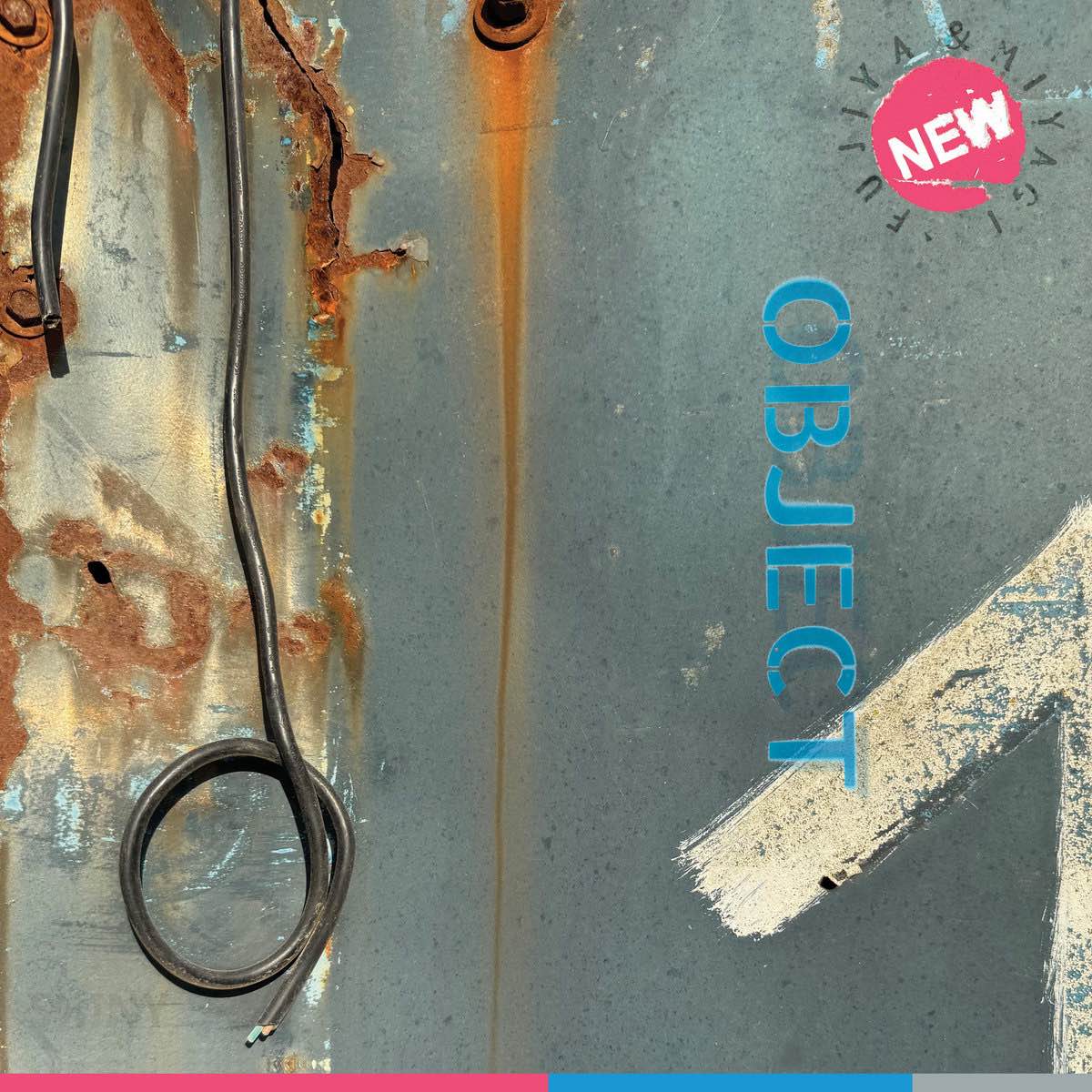

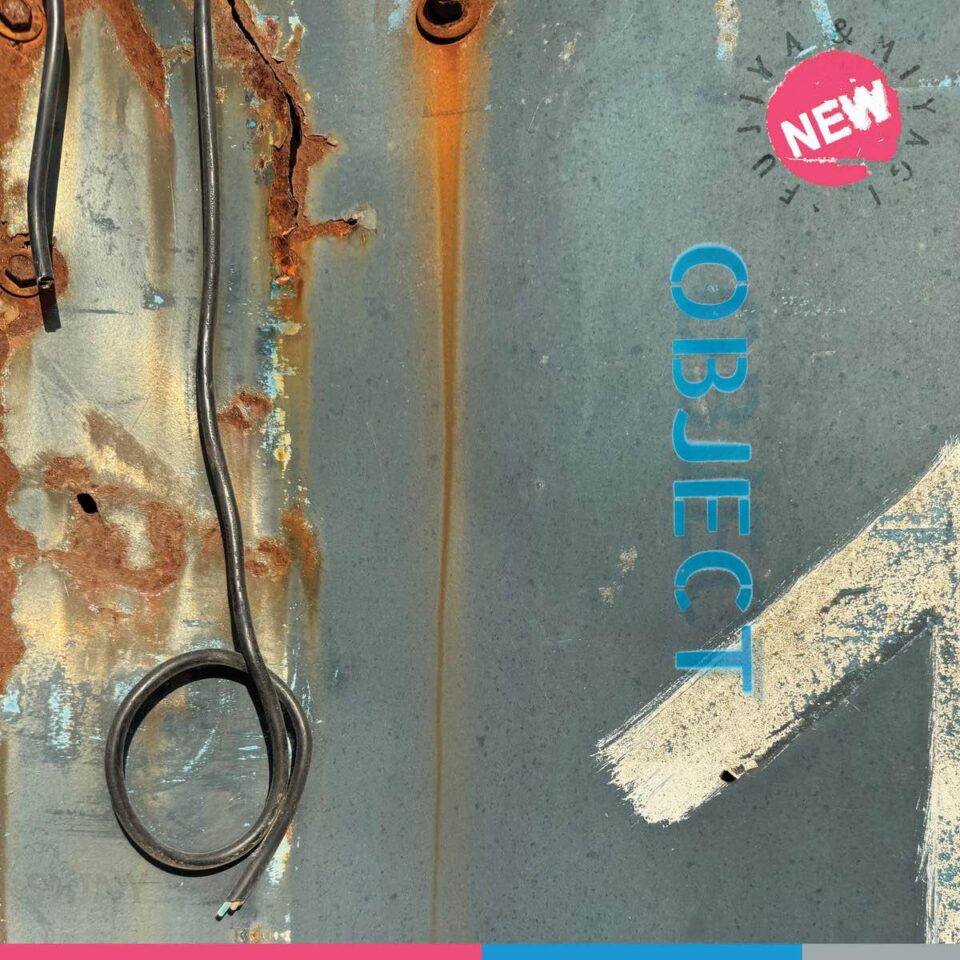


Fujiya & Miyagi
New Shiny Objects
IMPOSSIBLE OBJECTS OF DESIRE
Brighton’s Fujiya & Miyagi have been making tongue-in-cheek yet seriously silken dance-punk with a kraut-rocking rhythmic bent since the top of the 21st century, with each record following 2002’s Electro Karaoke in the Negative Style burrowing deeper into dancefloor grooves in sexy, silly fashion. What’s shifted to the left on New Shiny Objects, however, is what co-founders David Best and Steve Lewis—with longtime bandmates Ed Chivers and Ben Adamo—are willing to experiment with in order to hit the dancefloor running, taking on all manner of rhythm, manipulated or otherwise, to get and stay there.
Take for example “Lowest Common Denominator” and “No Green Light,” two very different songs within the album’s materialistic continuum. In a very British hush and clip, Best appropriates the hiss and whisper of Pet Shop Boys’ Neil Tennant, and in his most buttoned-up lyrical manner (“So I try to ignore these feelings that I store / To prevent an explosion”) rides a thick, grimy, ESG-like bass line. That’s some mash-up, but not a better one than the busy, blinking “No Green Light” and its merging of icy, Kraftwerkian melody to the surging analog industrialism of Yello’s Boris Blank. “Point 33 Recurring,” meanwhile, is essentially all of Talking Heads’ More Songs About Buildings and Food compressed into one flinty, refreshingly minted moment; “158” is an old copy of Wire’s 154 if the vinyl got warm and warped in storage; and “Elasticated Waste” is one of Depeche Mode’s discarded remixes for “Never Let Me Down Again.”
Before you think that I’m just name-dropping disparate acts from the 1980s as a knock against Fujiya & Miyagi, there’s really nothing pastiche-y or cloyingly copy-catted across the entirety of the group’s 10th album. Instead, the quartet have made something boldly fresh out of existing structures and familiar tropes, cross-cutting their influences into something entirely new (or perhaps NEU!). Rather than sample, Fujiya & Miyagi simply stitch the past’s proceedings into a cool, coherent whole, and get Best to spray attitude-laden lyrics and lists of grievances across their contagious melodies and cutting rhythms.
