

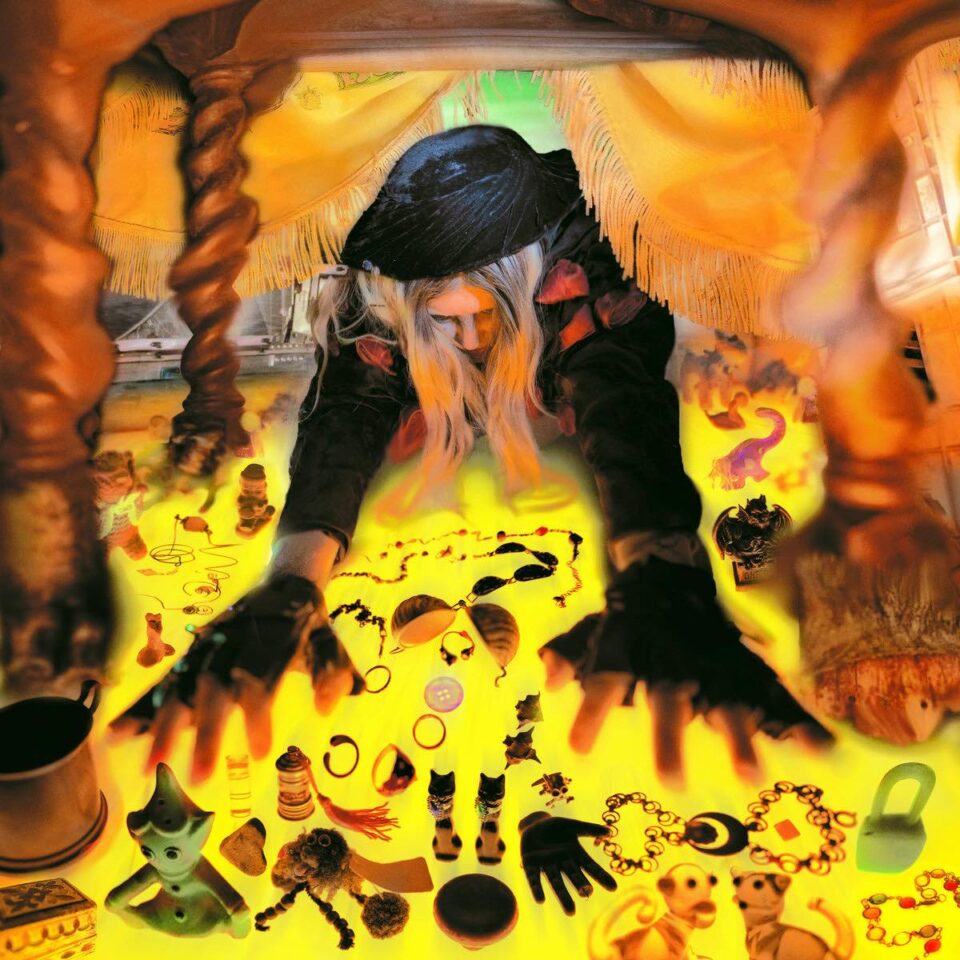
Kacey Musgraves
Middle of Nowhere
LOST HIGHWAY
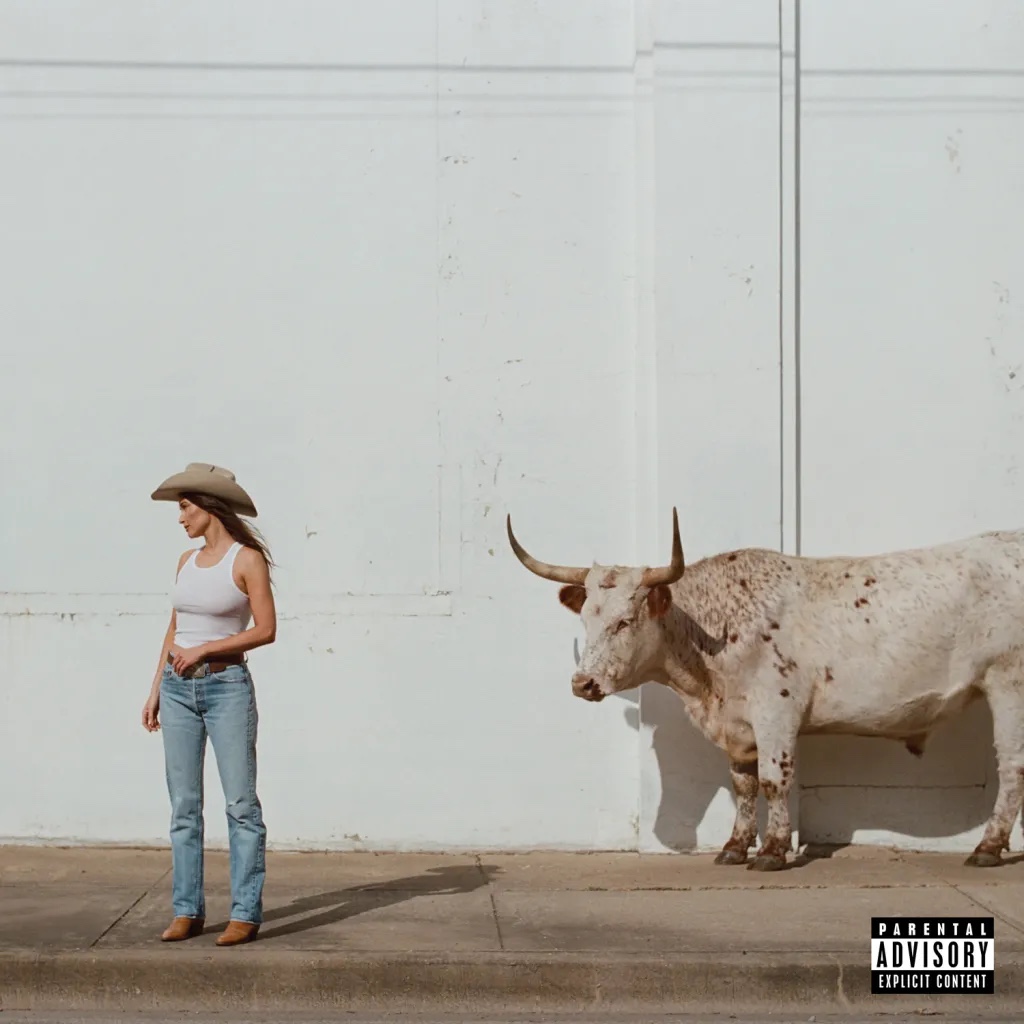
When a country singer puts out a record called Middle of Nowhere, you’re forgiven for assuming that it’s a missive from “flyover” country, a diorama of rural American life. Kacey Musgraves has never exactly been a conventional country singer, with her songwriting often taking a more cosmic or philosophical route—and besides, she already nailed the small-town Americana thing on Same Trailer Different Park over a decade ago. Her seventh album was inspired by the notion of liminal states, and specifically the solitary no man’s land that exists between the ending of one relationship and the beginning of another. Musgraves wrote these songs during a prolonged season of singleness, and they meditate on the lessons she learned from being alone.
The main lesson? It’s not good to be alone. She opens the album with the title cut, a prologue that introduces the album’s themes and affirms the singer’s enoughness: “It’s just me and me, and that’s all I need.” But then, like a season of fasting in the desert, solitude narrows her hunger to the things that matter most: intimacy, fidelity, love, reconciliation. Middle of Nowhere is the first album Musgraves has made since signing with Lost Highway, the Americana label that’s also put out records by the likes of Lucinda Williams and Lyle Lovett, and the transition proves to be more than a mere business transaction. This is the most “country” album she’s ever made, absolutely awash in twang and thick pedal steel. The songs all boast the crisp, propulsive beats that have characterized her more pop-oriented material, but there’s also the occasional clip-clop of Western-themed percussion.
And on an album that’s all about living in in-between spaces, it’s appropriate that Musgraves finds inspiration in border towns: tejano and mariachi touchpoints abound, not least in the lonesome accordion that runs through “Horses and Divorces,” a riotous team-up with Miranda Lambert that addresses their tabloid friction with grace and understanding. Musgraves is once again also working with Ian Fitchuk and Daniel Tashian, the production team that brought psychedelic swirl to her landmark 2018 album Golden Hour. The sound here couldn’t be more different: dusty and dry and clipped to the bone. It’s an arid sonic palette that serves thematic purpose, whether to connect Musgraves back to the outlaw-country heyday (“Everybody Wants to Be a Cowboy,” which subverts clichés about finding freedom in solitude) or simply to underscore her very good jokes (in “Dry Spell” she’s “lonely with a capital H,” embracing the proud country tradition of innuendos delivered with cornpone yucks, the parched soundscape reinforcing every punchline).
There are laugh-out-loud lines across the album, but also moments of startling clarity. Of course, the two things are not mutually exclusive: “Back on the Wagon,” about a woman who provides endless second chances to a dubious dude, is cheerfully self-effacing but also has deep rivers of melancholy winding through it. The most aching song of all is “Loneliest Girl,” which boasts about the advantages of singleness, but would trade them all for a shoulder to cry on.
Musgraves’ most beloved album is still Golden Hour, the one she made to chronicle the heady rush of new love. When her marriage ended, she put out a couple of albums (star-crossed, Deeper Well) that both sought, in different ways, to pick up the pieces. Part of what makes Middle of Nowhere such a balm is that it feels like the wisest and healthiest reckoning yet with the breakup, finding room for levity as well as hard-won wisdom. And yet the scars remain: “Hell on Me,” which closes the album, is one of Musgraves’ most withering laments. There’s also a song here called “Coyote,” which uses the animal as a metaphor for a shifty, faithless lover. It’s the same metaphor Joni Mitchell employed so evocatively on Hejira, an important spiritual touchpoint for Middle of Nowhere. Mitchell’s album took to the “refuge of the road,” reveling in freedom while also counting its costs. Likewise, Musgraves sounds genuinely happy for a season not defined by disappointing lovers. And yet, there’s precious recognition throughout: Nobody wants to stay in the liminal space forever.
