



Fontaines D.C.
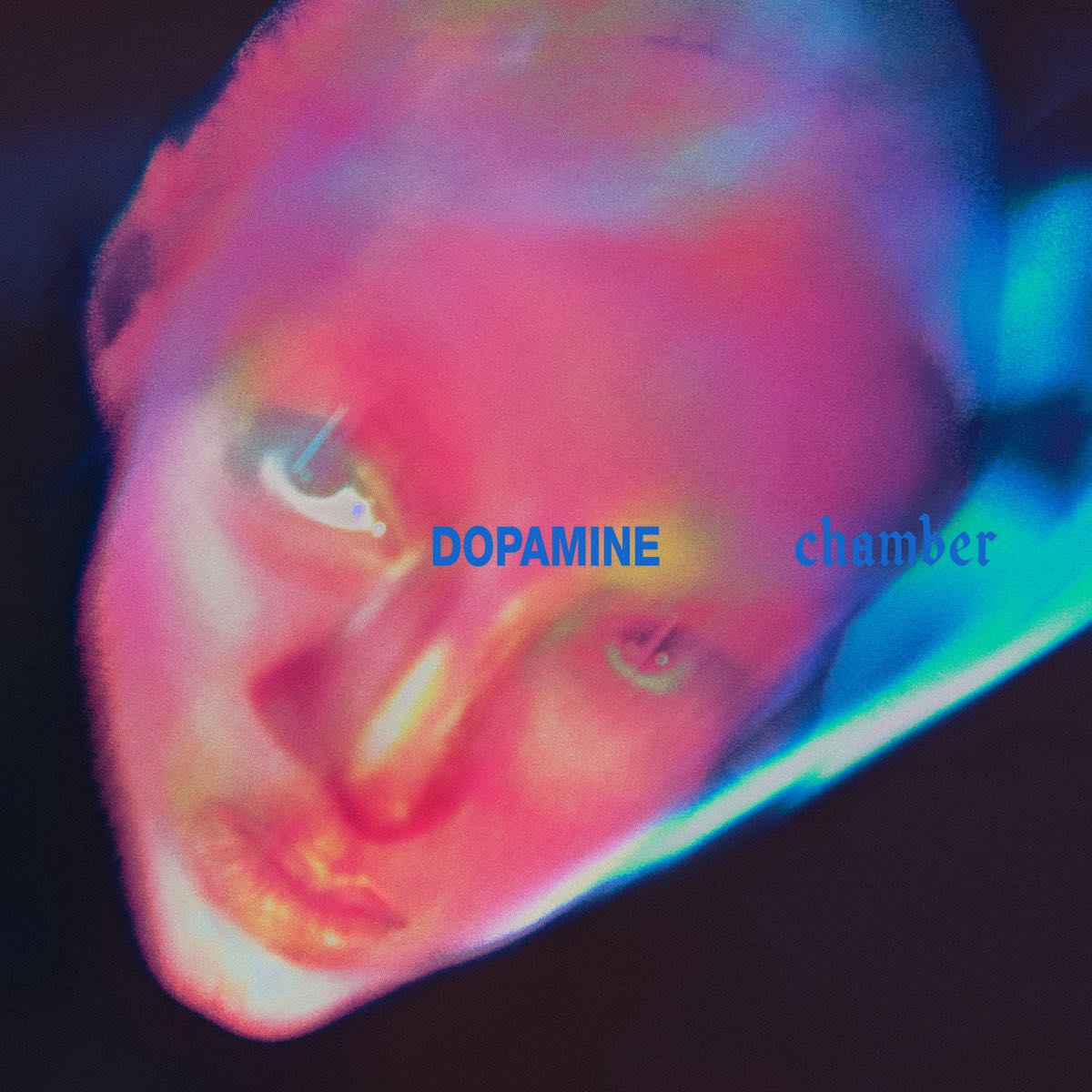
Dopamine Chamber
XL
If Romance was a live broadcast from the ecstatic acid-trip of desire, its follow-up Dopamine Chamber is the deafening echo of post-limerence’s cold, sardonic come-down. Opting for a synthetic architecture over the driving guitar language of earlier records, Fontaines D.C. shatter their sonic frontier with industrial-darkwave synthesizers and Soviet-era drum-machines to reveal a grimly fluorescent catechism for hyper-processed and hand-fed hedonism. Elegant, vitreous, and coolly enraging, Dopamine Chamber flashes floodlights onto our fraught dependence upon unstable and unhealthy doses of pleasure that prevent us from becoming something remarkable and new.
Sifting through 40 tracks written by each member of the Dublin five-piece, producer James Ford led the early stages of the record’s composition in the English countryside, navigating through complex material and experiments novel to the band. Older and grizzled by the mammoth tour cycle of Romance, Fontaines returned to the familiar hand of Ford as though reformed and ready to jump in from where they last left off. Tackling more risk than ever before, 40 tracks were synthesized into the 11 polyphagous anthems of Dopamine Chamber and its examination of consumed consciousness.
Much like the opening tracks of their last three albums, “Six Shot Morning” sets the temperature for Fontaines’ new direction by wrapping the track list in shimmering, apocalyptic bass textures and chromatic tape triggers. Conor Deegan’s heavy bass bleeds into “Marianne,” which perfectly balances mechanical rigidity with lush pop structures while creating a misty backdrop for vocalist Grian Chatten to unify his new-age baritone sound. “Demolition” takes us through the isolated superbloom of emotional and loudly orchestrated swells recalling 2024’s Skinty Fia, while “One Man” guides a hand around the curvature of Romance’s caged sonic reprise, leading to the crumbling affectation of emotional weight on the Rosalía-featuring “Where Is Gone?”
Within the abstract distortion of Conor Curley’s guitar heard at the end of the techno-dread single “Tongue,” Dopamine Chamber intentionally emboldens humanity’s lost footprint within a period of ever-present automation, dystopian narratives, and chemical addictions. The album sits low and resonant, carrying the intimacy of witnessing a fissure break in the mold, and proving that Fontaines’ digital consonance is just as strong as their amplifier’s feedback. Hissingly fresh, honest, and sonically fearless, we’re witnessing the band trade their ravaged guitar geography for more abstract reflections on our corrupted world, bringing a sense of uncanny consolation to its collapse.
