

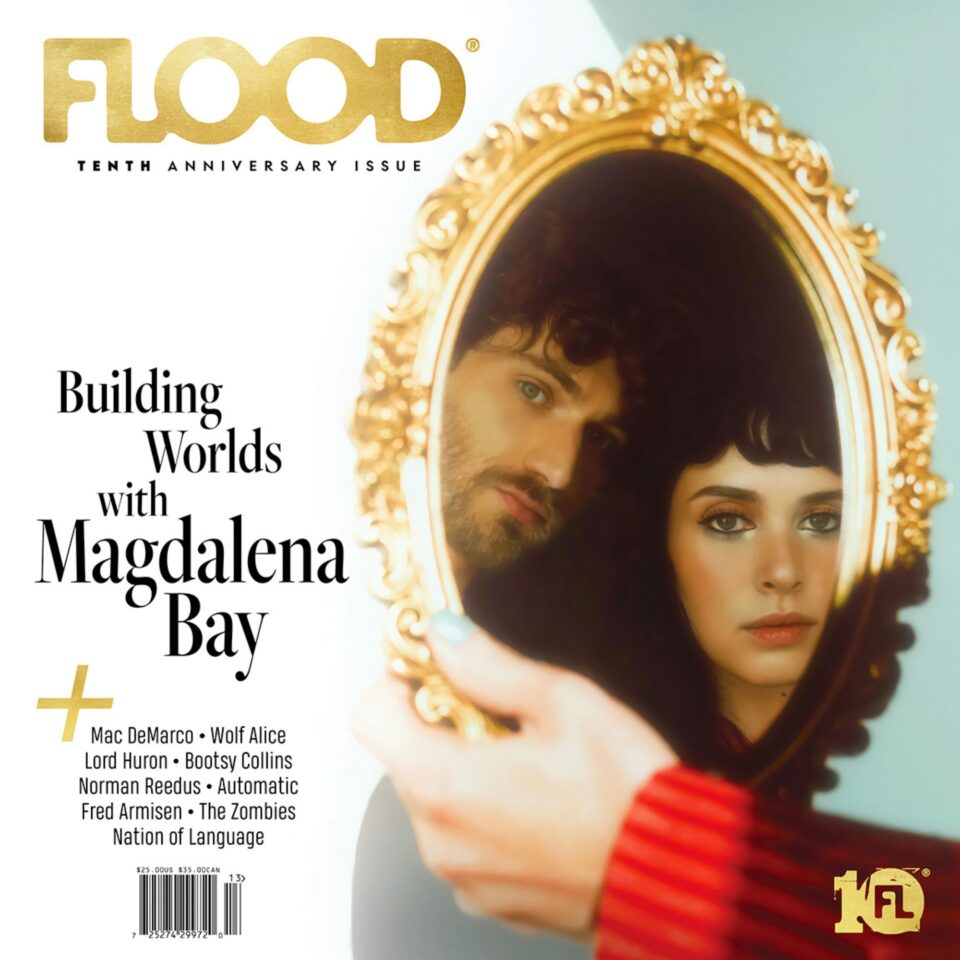
Celebrate our tenth anniversary with the biggest issue we’ve ever made. FLOOD 13 is deluxe, 252-page commemorative edition—a collectible, coffee-table-style volume in a 12″ x 12″ format—packed with dynamic graphic design, stunning photography and artwork, and dozens of amazing artists representing the past, present, and future of FLOOD’s editorial spectrum, while also looking back at key moments and events in our history. Inside, you’ll find in-depth cover stories on Gorillaz and Magdalena Bay, plus interviews with Mac DeMarco, Lord Huron, Wolf Alice, Norman Reedus, The Zombies, Nation of Language, Bootsy Collins, Fred Armisen, Jazz Is Dead, Automatic, Rocket, and many more.
Reviews
See All 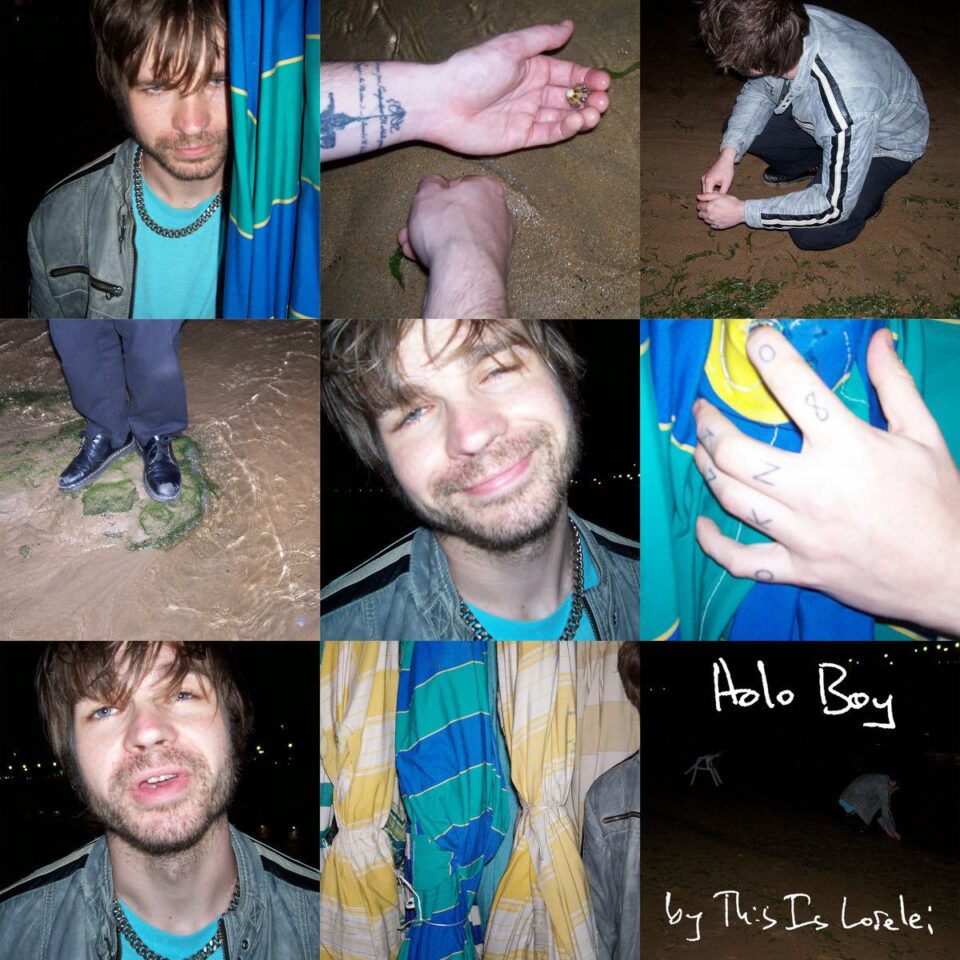
This Is Lorelei, Holo Boy
Water From Your Eyes’ Nate Amos digs into his back catalog of nearly 70 releases shared over the last 12 years, revealing his humble beginnings and the seeds of last year’s breakout LP.
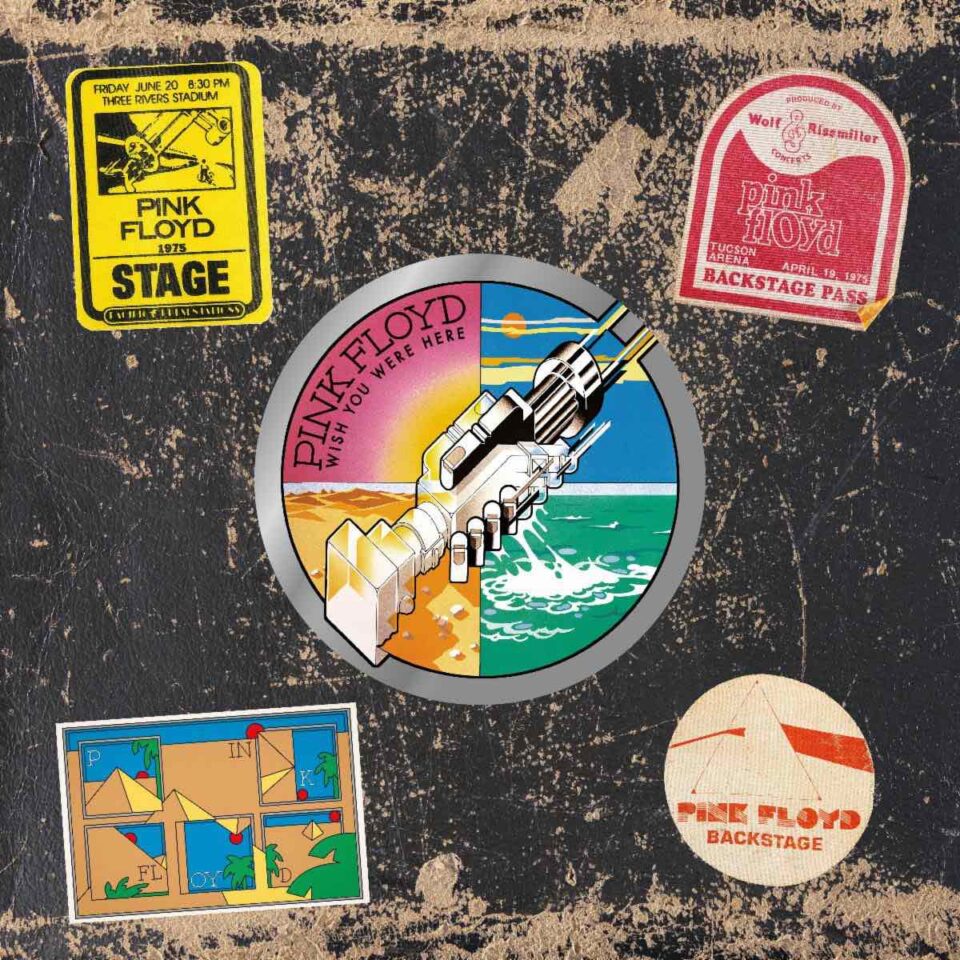
Pink Floyd, Wish You Were Here 50
This box set repackages the languid yet damaged follow-up to the band’s breakout success, with its true star being the massive-sounding bootleg of a 1975 live show at LA’s Sports Arena.
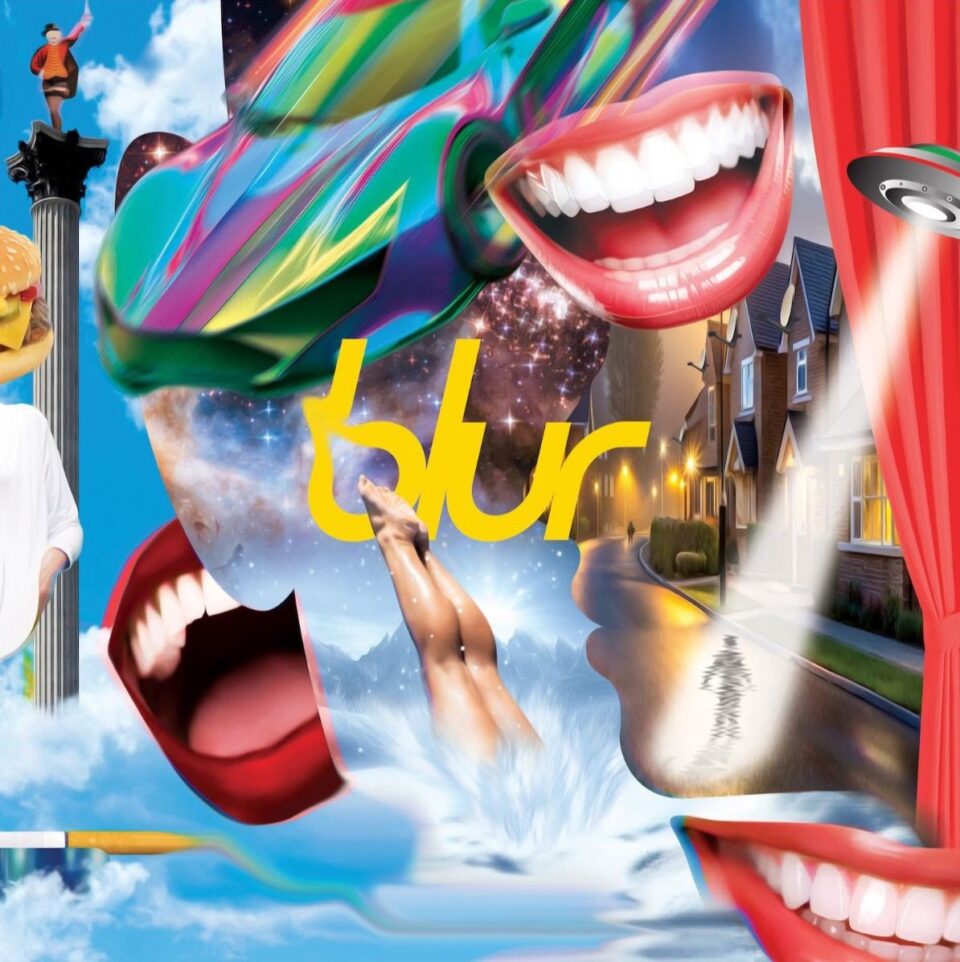
Blur, The Great Escape [30th Anniversary Edition]
Packed with era-appropriate B-sides, this release celebrates the Britpop quartet in their last gasp of opulent orchestration as they moved into lonely disillusionment and reserved distance.
Sean Fennell
Articles
See All 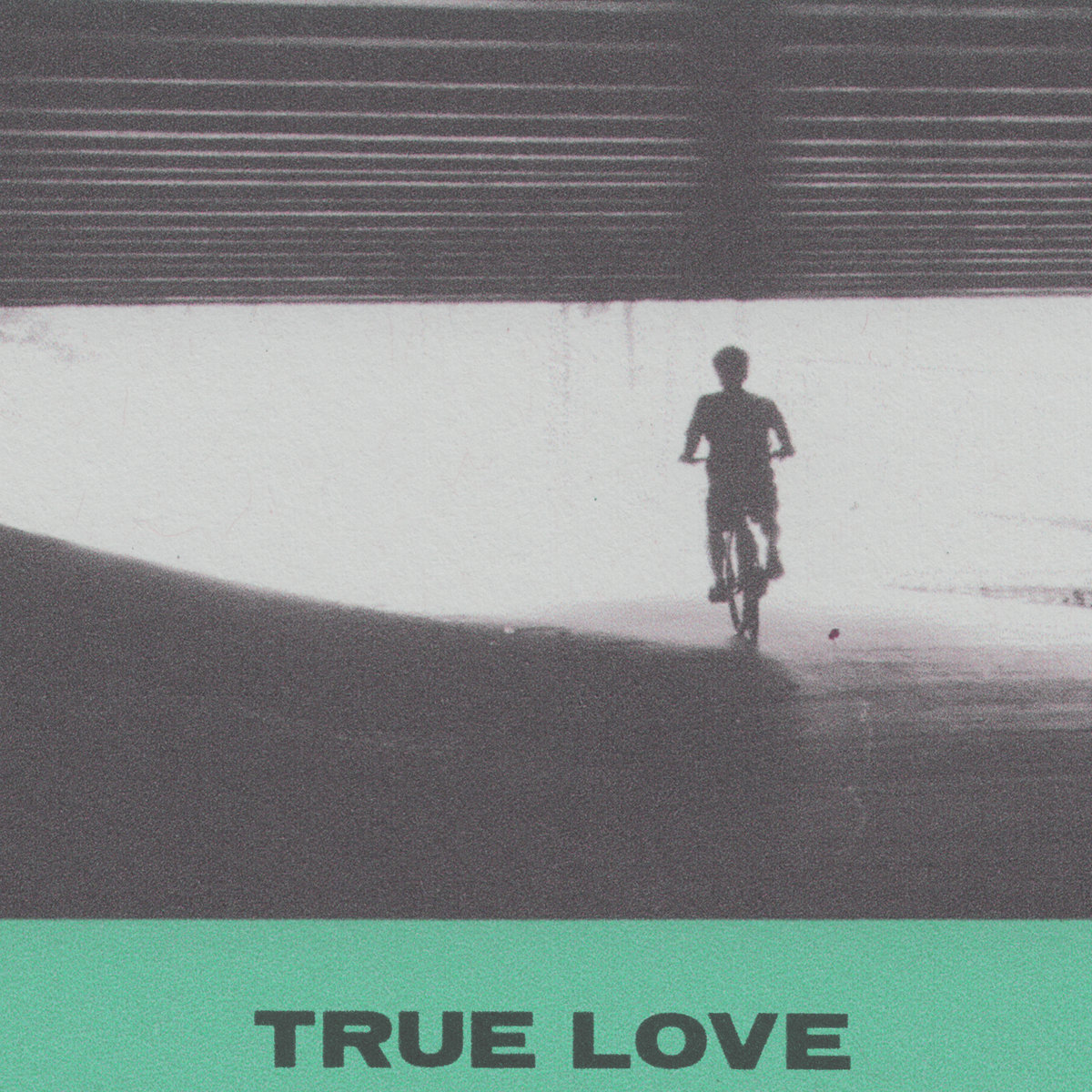








Load More
Reviews
Hovvdy, “True Love”
Their latest LP finds the duo peeling back the layers of their previous work until they arrive at the essential center.
October 13, 2021
Reviews
Ada Lea, “one hand on the steering wheel the other sewing a garden”
Lea gives each song its own sonic identity, taking what could become monotony and creating anything but.
October 06, 2021
In Conversation
In Conversation: illuminati hotties’ Sarah Tudzin Climbs to Her Peak on “Let Me Do One More”
The LA-based songwriter discusses brevity, tenderpunk, and her new label home.
September 29, 2021
Reviews
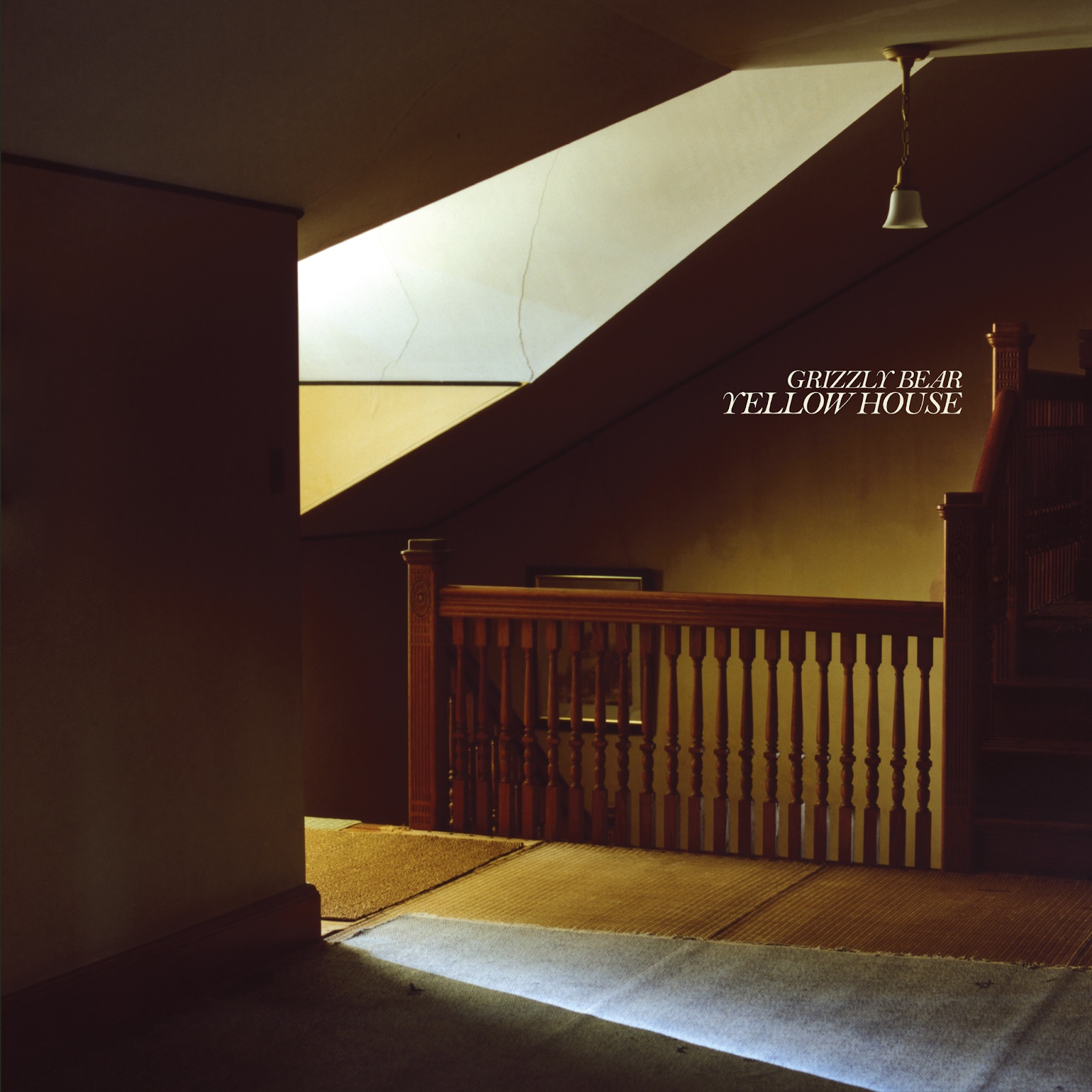
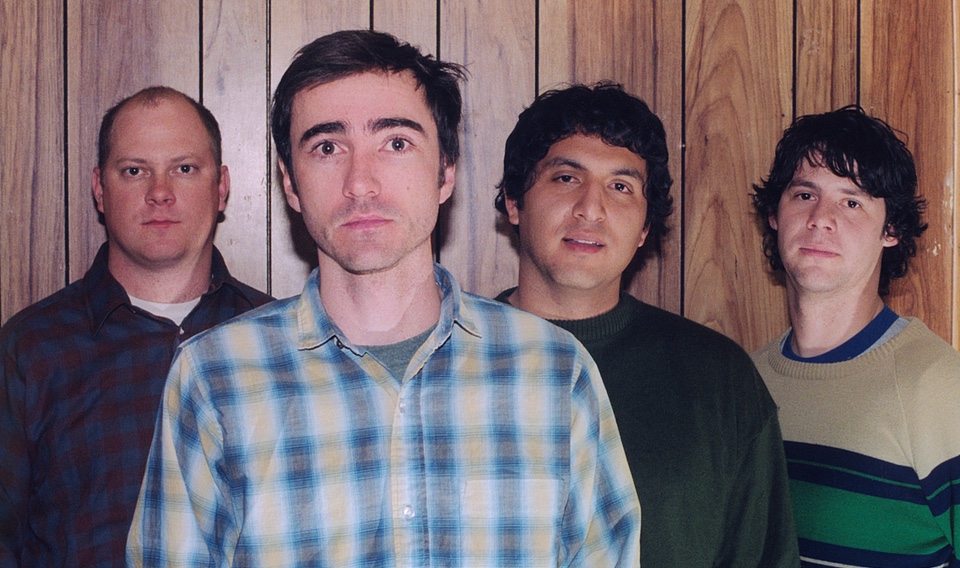
Grizzly Bear, “Yellow House” (15th Anniversary Reissue)
The 2006 LP gives us a snapshot of a band working through the kinks, establishing a framework for an impressive future catalogue.
September 21, 2021
In Conversation
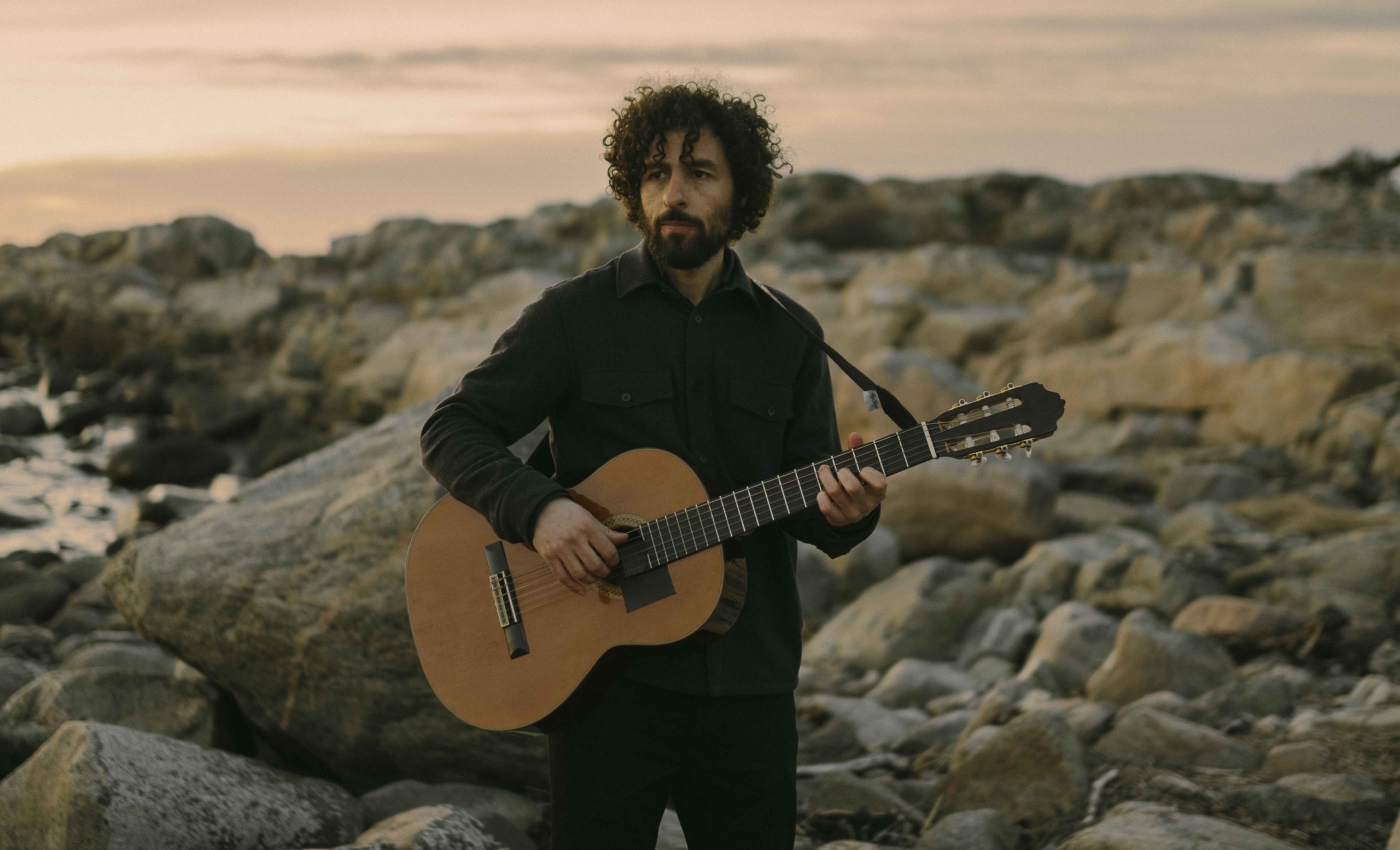
In Conversation: José González on the Intentional Directness of “Local Valley”
The Swedish-Argentinean songwriter’s fourth album removes the veneer, contemplates the contradictions in our nature, and embraces all our messiest vestiges and claws.
September 14, 2021
In Conversation
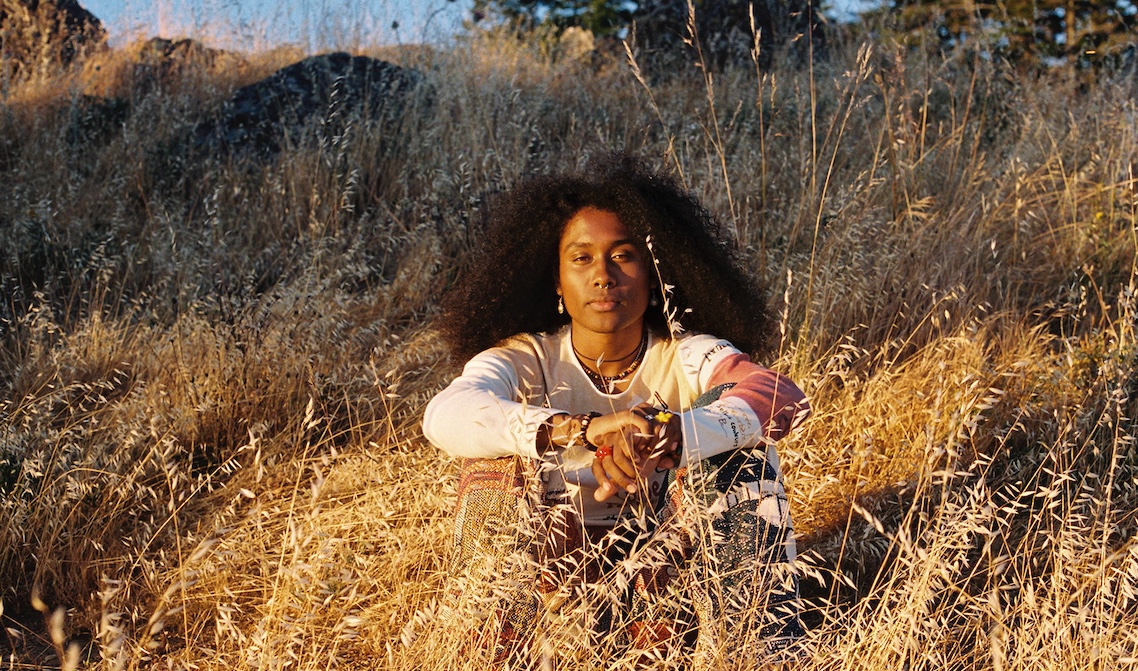
In Conversation: Jelani Aryeh on His Cohesive, Guitar-Driven Vision for “I’ve Got Some Living to Do”
Aryeh discusses the overnight success of “Stella Brown,” how the track shaped his vision for the new album, and the ways in which he creates his own scene.
July 28, 2021
Reviews
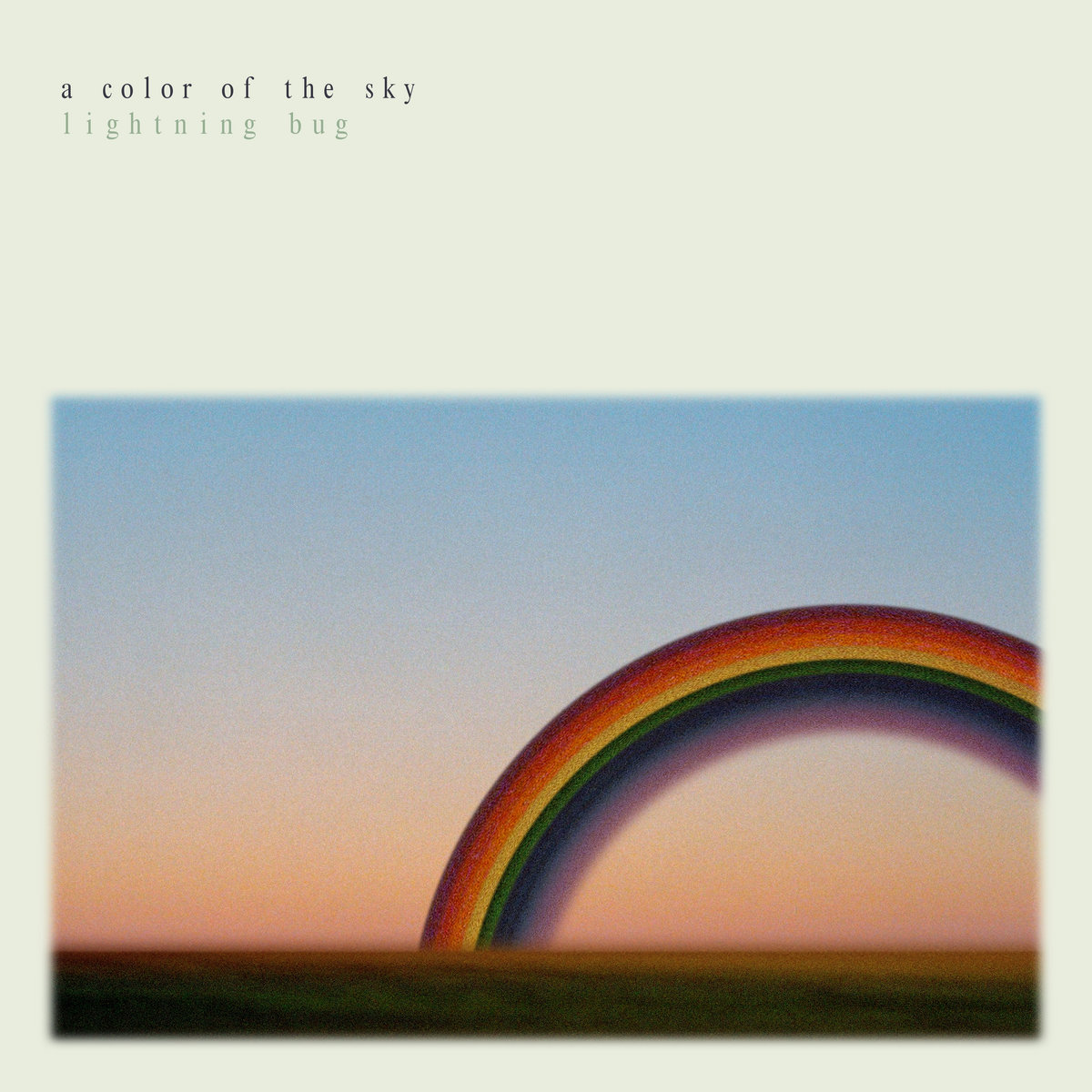
Lightning Bug, “A Color of the Sky”
The dream pop group’s third album finds beauty in quiet and noise, the natural and the otherworldly, change and acceptance.
July 15, 2021
A Luscious Mix of Words and Tricks: The Shins’ “Oh, Inverted World” at 20
Revisiting one of the most unlikely hit records of the early 2000s.
June 22, 2021
On the Young Adult Sorrow and Undeniable Bops of Fountains of Wayne’s “Welcome Interstate Managers”
With 2003’s “Stacy’s Mom”–toting LP getting a Real Gone Music reissue, we revisit the power-pop group’s uncool and understated third release.
June 01, 2021
In Conversation
In Conversation: Current Joys’ Nick Rattigan Explores Memory, Place, and Time on “Voyager”
Rattigan discusses his most collaborative solo album yet, as well as the catharsis of defeating his own personal Pennywise the Clown.
May 12, 2021
Reviews
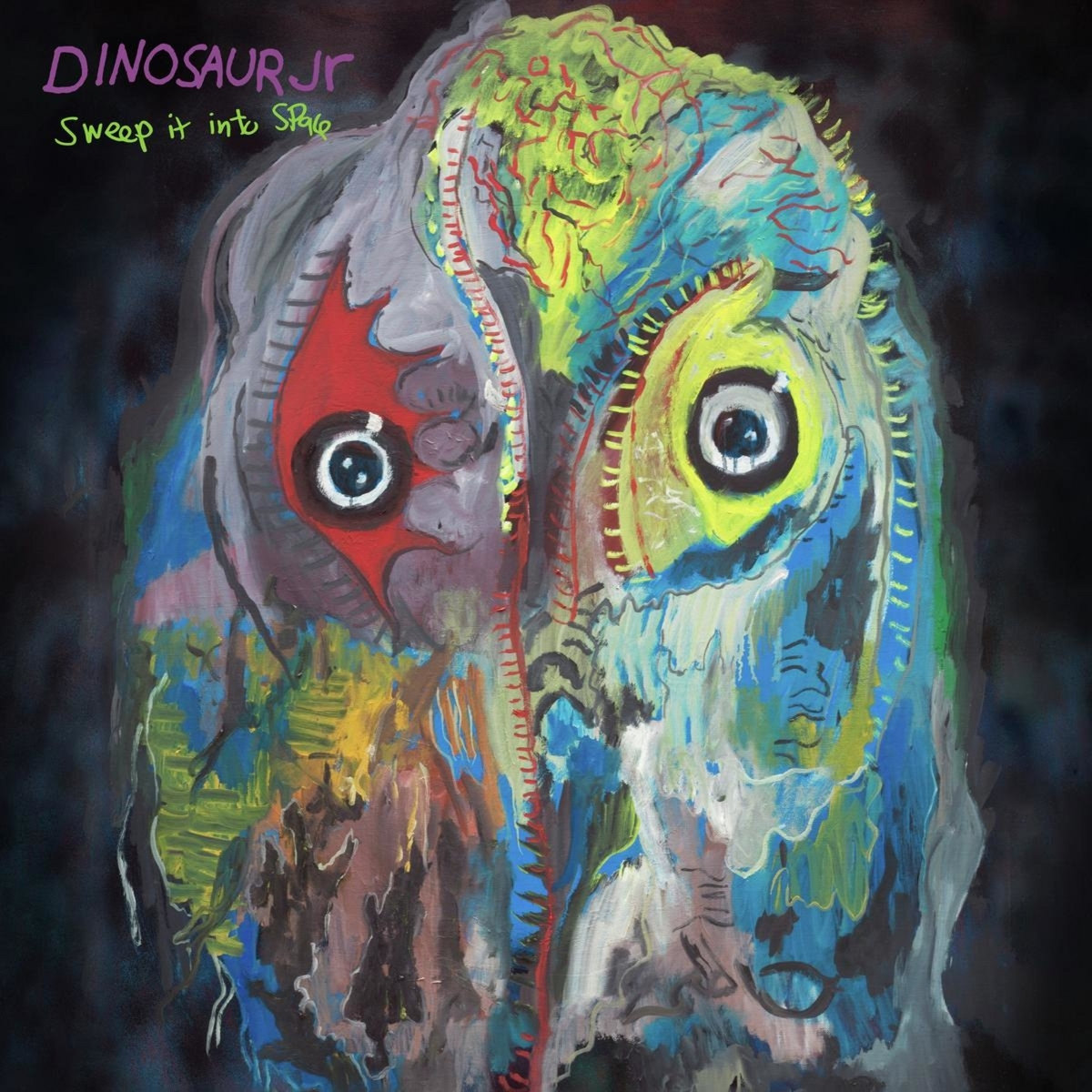
Dinosaur Jr., “Sweep It Into Space”
Their 12th record tries to reach a singular vision, but it’s hard not to hear the many voices attempting to roar as one.
April 28, 2021
Reviews
Esther Rose, “How Many Times”
“How Many Times” is pristine—you half expect the record to come with 3 fingers of bourbon and a cool summer breeze.
March 31, 2021
In Conversation
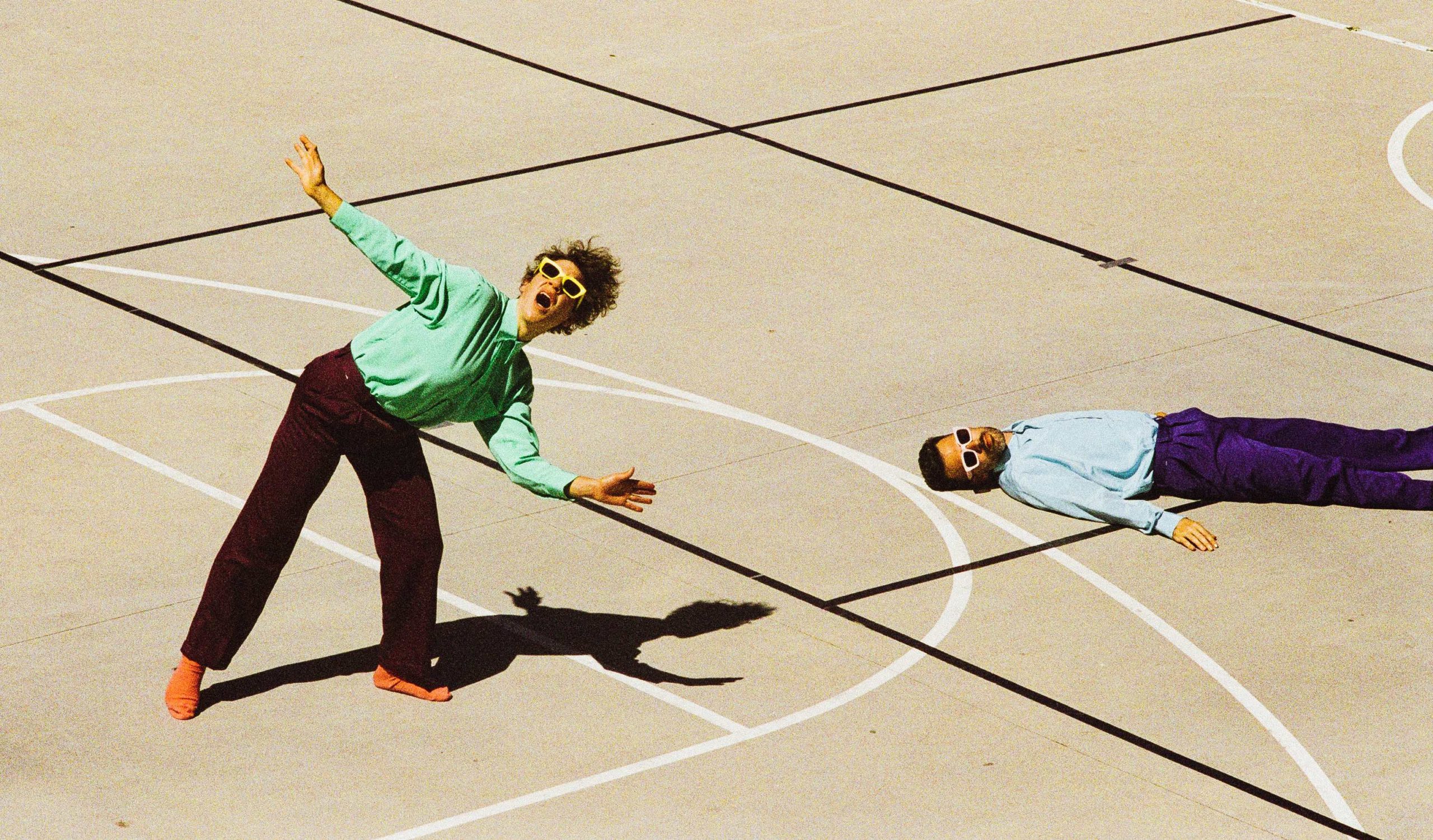
In Conversation: Tune-Yards Continue to Expand Their Perspective on “sketchy.”
Merrill Garbus on the uncomfortable conversations and creative choices that characterize the band’s fifth album.
March 23, 2021
Reviews
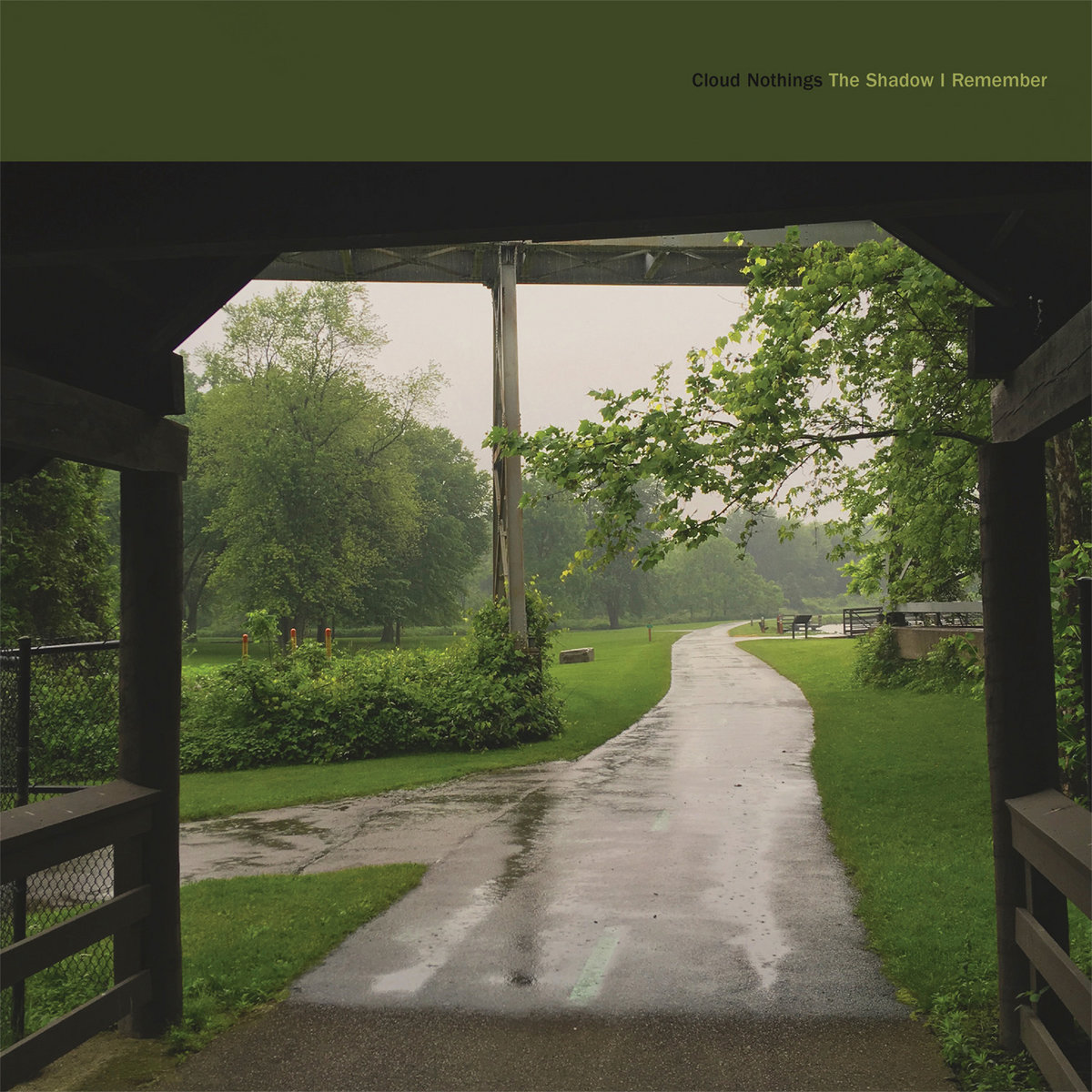
Cloud Nothings, “The Shadow I Remember”
The band’s 7th LP is a wily repurposing of former selves while, at the same, whittling away what no longer fits.
March 03, 2021
Reviews
Arlo Parks, “Collapsed in Sunbeams”
The London songwriter is able to achieve a collision of cool and gut-wrenching that is all her own.
January 29, 2021
Reviews
Lande Hekt, “Going to Hell”
The Muncie Girls songwriter finds much more fertile ground in the internal on her solo debut.
January 21, 2021
Reviews
Shamir, “Shamir”
This self-titled LP is a record of hits, misses, and left-field bangers—but it’s Shamir’s and Shamir’s only.
October 07, 2020
Reviews
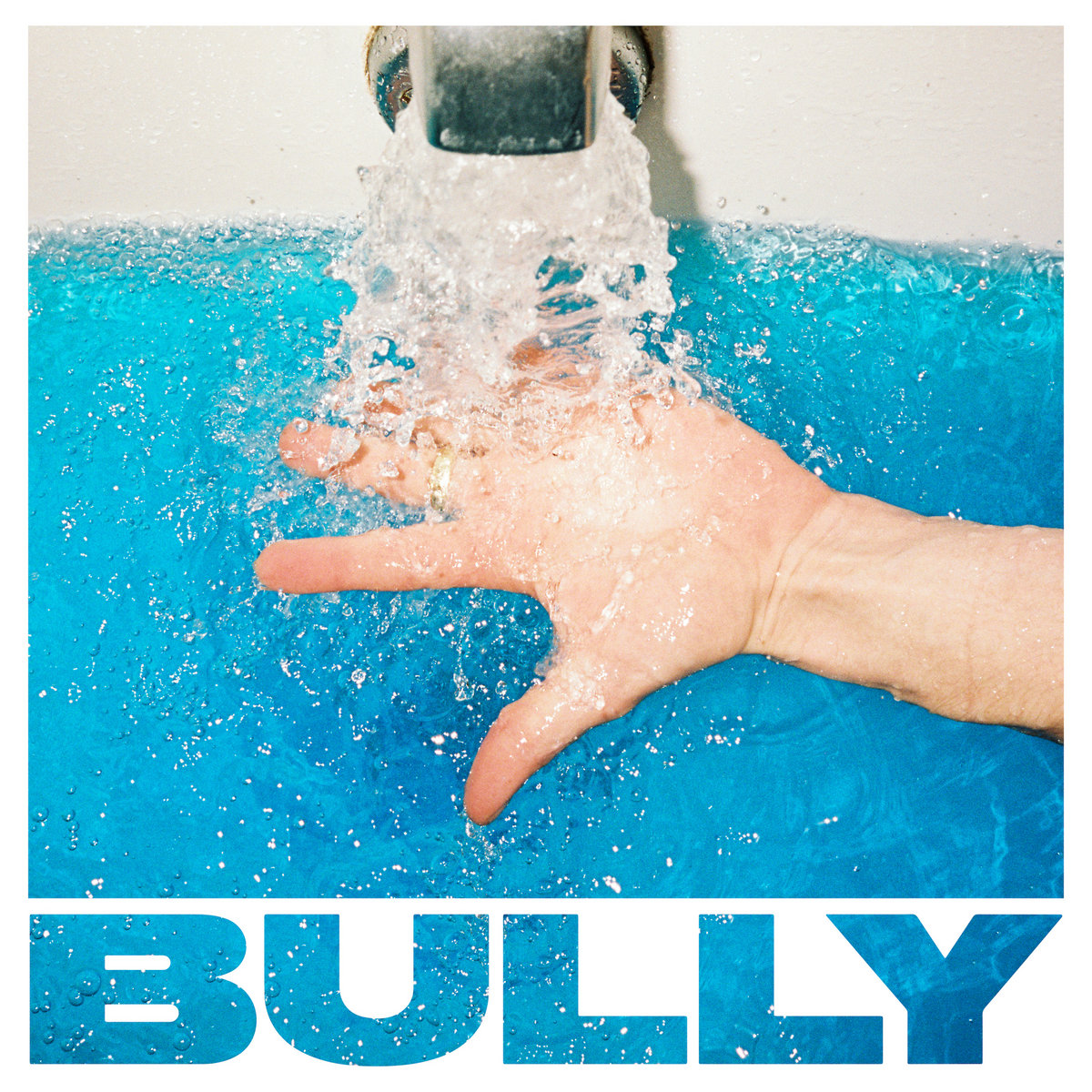
Bully, “SUGAREGG”
Alicia Bognanno’s third LP benefits from a newfound willingness to let go.
September 09, 2020
Reviews
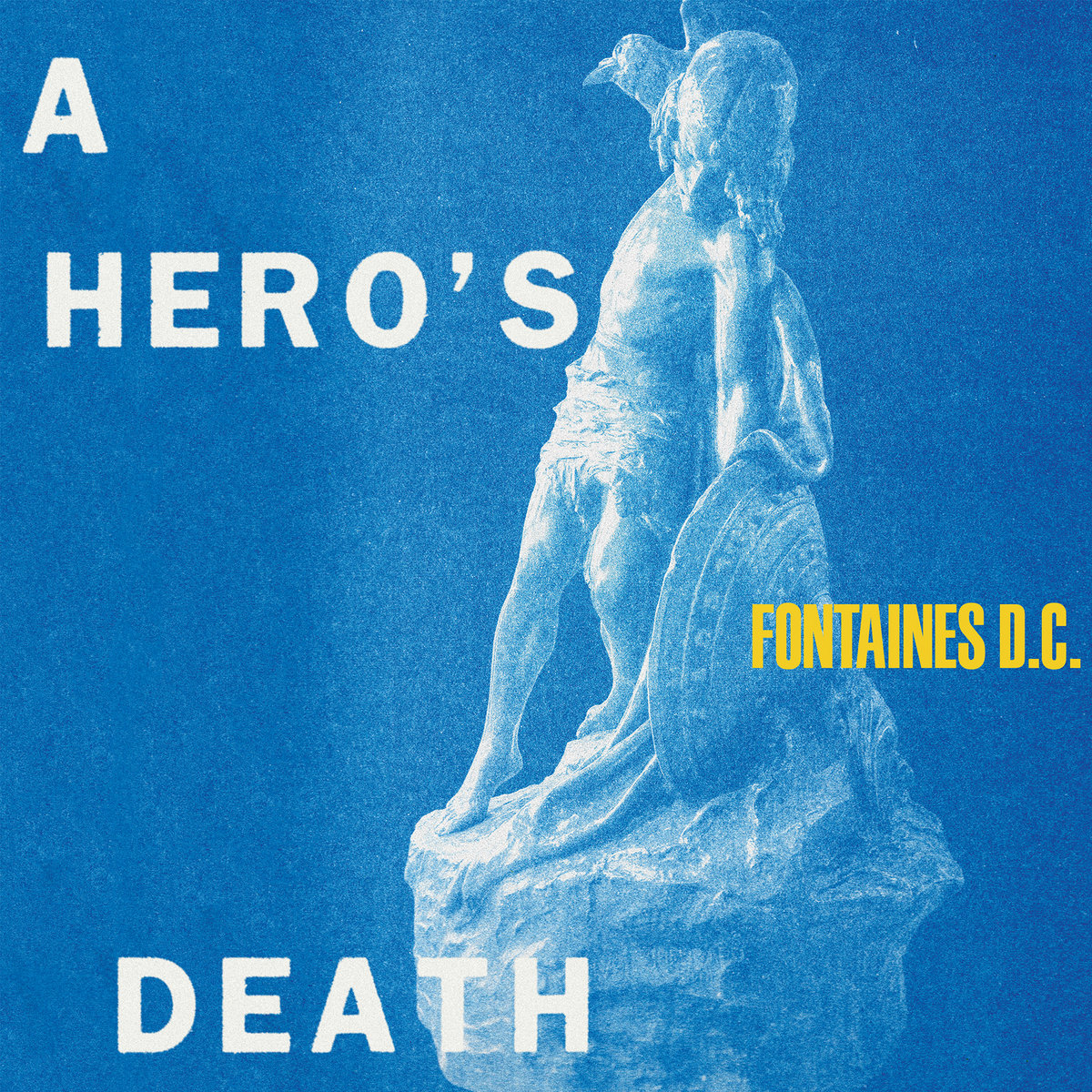
Fontaines D.C., “A Hero’s Death”
The band pick at every scab they’ve developed during their arduous last twelve months.
August 10, 2020
Reviews
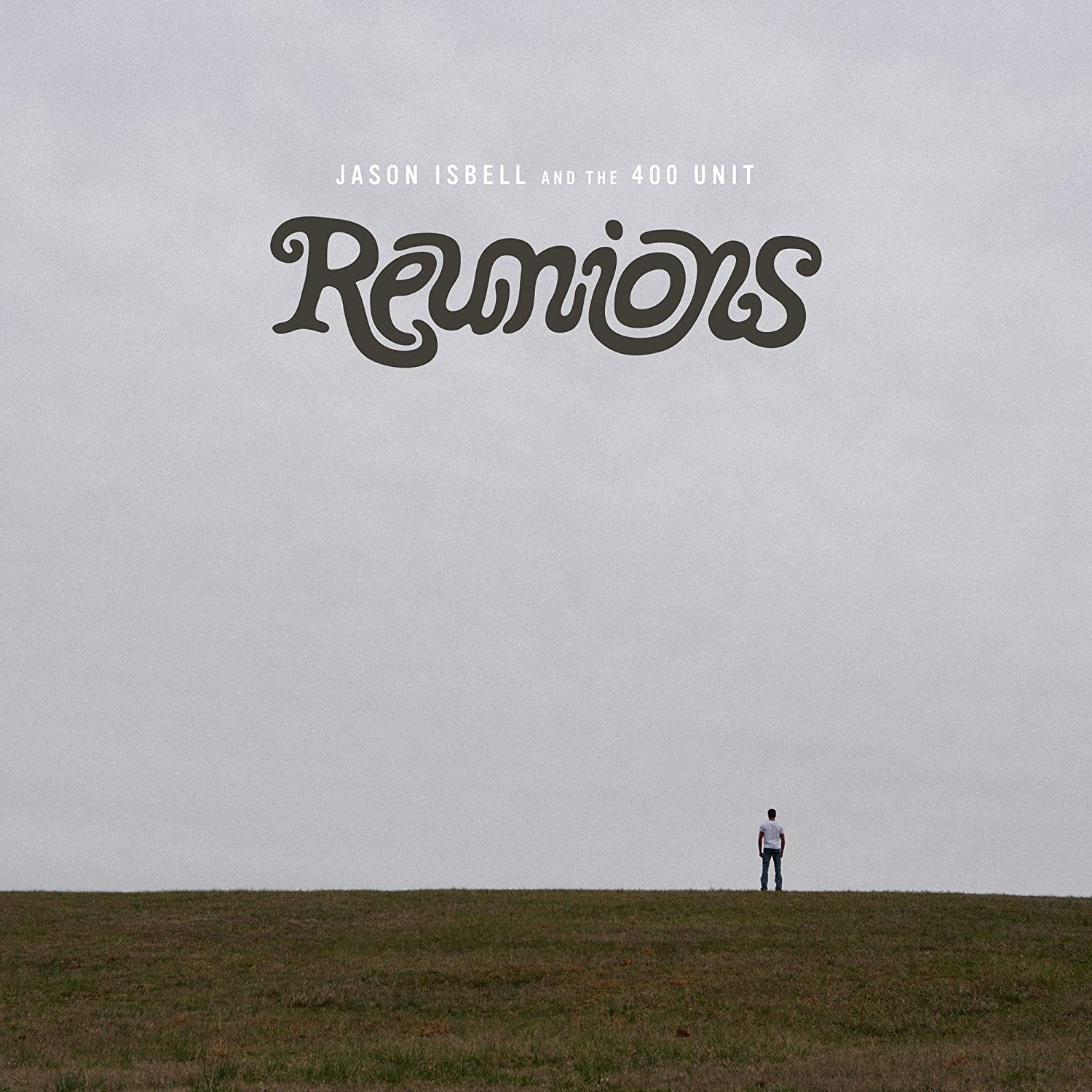
Jason Isbell and the 400 Unit, “Reunions”
Isbell’s seventh album works best when it exists in the vagaries, where the lines of fact and fiction mix.
May 28, 2020
