



A decade ago may have been the closest we’ve gotten in the blog era to total critical consensus. Pretty much every end-of-year “best albums” list from 2015 featured some configuration of Kendrick, Sufjan, Björk, and Tame Impala in the top spots, with a handful of other hard-to-deny masterpieces trailing behind. And although the years that followed featured plenty of shoo-in titles themselves, I can’t recall the last time we had a year like 2025 when everything felt this up-for-grabs, a defining changing-of-the-guard moment.
Particularly within the circles of rock music—that genre that’s truly proven itself unkillable in the 21st century—we’re seeing dramatic change, as the influence of country music seeps in and metal becomes more broadly accepted. Pop music is shifting from its recent moment of stark vulnerability into a new era of integrity and humanist politics, with chants of “Free Palestine” now reaching stages from Coachella to Glastonbury and beyond. Given that this summer saw the two largest-ever gatherings of protestors in the US, there’s a certain feeling that it’s not just the #1 album spot that’s up for grabs in 2026, but also the role of mouthpiece for what will hopefully be a surge to the left as our current administration drags us further down into living conditions that are unignorably unlivable.
But for now, here are 50 albums from 2025 that largely discard any sense of boundaries in sound or feeling. As one of our writers puts it while dissecting a stand-out punk record from this year, subtlety is so 2024.

50. Benjamin Booker, Lower
When Florida-born Orleans parish singer Benjamin Booker gets the blues, he likes to funnel its lightning-loud, Albert King–stylized classicism with a hint of the crackling garage-rock ardor of The White Stripes—that’s been a given since his 2014 self-titled debut. With Lower, however, Booker goes lower still to an icier sonic space, and with the help of shuddering electro-rap producer Kenny Segal he finds the fight in his cause and righteous indignation everywhere. “Black Opps” looks at empowered African Americans of the past (and surely present) being brought down by the US government. The children at the center of “Same Kind of Lonely” are given dark context within a collage of school shooting audio clips. Those less fortunates brought to heel by addiction and homelessness are given light and hope, even if they have to claw their way through the darkness to get there. “I see the way they talk about people on this side of town,” a bruised Booker intones on “LWA in the Trailer Park,” a moment not unlike King’s “Born Under a Bad Sign.” Maybe Lower is a lot to take in all at once, and maybe Booker’s third album isn’t an obvious choice for one of the best of 2025, as it seems from another time—long before January. Either way, Lower lingers like a haunting refrain and the darkest of nu-politics screeds. — A.D. Amorosi
Read Booker’s track-by-track breakdown of Lower for FLOOD here.

49. Folk Bitch Trio, Now Would Be a Good Time
The sweet vocal harmonizing of Melbourne-based Folk Bitch Trio brings to mind figures like The Beach Boys, Fleet Foxes, First Aid Kit, or Crosby, Stills, Nash and Young—the perfect harmonic soundtrack for sitting near a campfire amid lush, majestic redwoods. An impressive debut, Now Would Be a Good Time is warm and perfectly uniform acoustic-folk music that lulls the listener into its cozy cocoon. Underneath the snug progressions, though, we get an exploration of early-twenties adulthood, growing pains, and failed relationships. Grace Sinclair, Jeanie Pilkington, and Heide Peverelle’s emotional explorations of young adulthood are evocative and sometimes darkly funny (particularly on “Hotel TV,” where they’re trying not to think about what’s going on in the room next door). Producer Tom Healy captures the essence of the three childhood friends’ music, creating a bittersweet, reflective atmosphere that complements their lyrics. Even with its minor flourishes of electric guitar, the folky spirit of Now Would Be a Good Time remains intact. Recorded in New Zealand at Roundhead Studios, the more laid-back atmosphere of Auckland can be felt in harmony with their music nearly to the point that they could bill themselves as a quartet. — Juan Gutierrez
Read our Breaking profile with Folk Bitch Trio about Now Would Be a Good Time here.
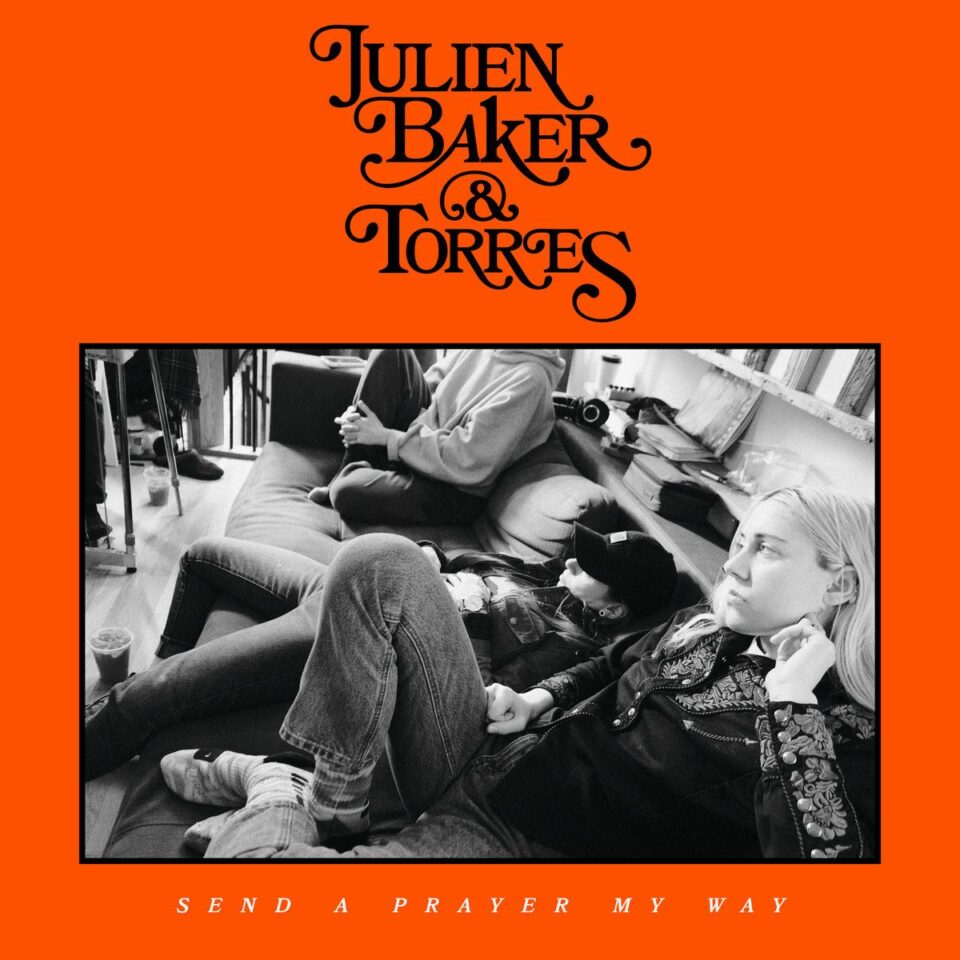
48. Julien Baker & TORRES, Send a Prayer My Way
At this point you could fantasy-cast your own version of which indie rockers might come together next to record their debut country album. The scene isn’t at a deficit for such signifiers as the pedal steel, dobro, fiddle, and twangy lilt. And yet, as evidenced by Send a Prayer My Way, perhaps no duo is better suited to bring out the best in such a formula than Julien Baker and TORRES. As with any good songwriter pairing, this is largely thanks to how they approach compositions and subject matter from contrasting but complementary angles. Much of Send a Prayer is centered on addiction, something both artists have written about in the past. On “Bottom of a Bottle,” it’s TORRES taking the lead with their robust, sardonic vocal stylings, resulting in the kind of spur-spinning country ballad where love (and plenty else) runs out with the last drop of booze. “Dirt,” on the other hand, sees Baker—her voice as dewy and urgent as ever—getting at something far more naked and illusive, a still-cauterizing wound that threatens to never heal. Baker and TORRES are clearly comfortable exploring the outlaw country tradition, but hearing how they braid their instincts to become more than the sum of their parts is what truly sets this duo apart. — Sean Fennell
Read our review of Send a Prayer My Way here.
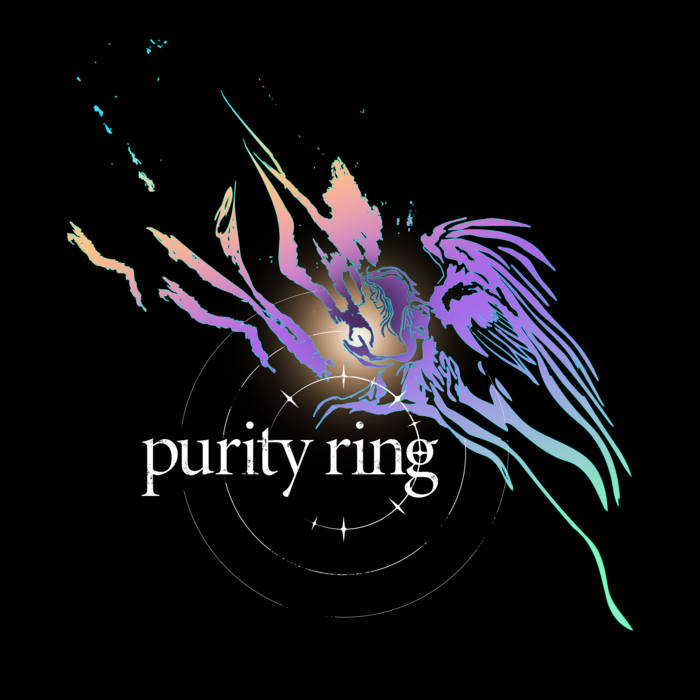
47. Purity Ring, Purity Ring
On their fourth full-length, Purity Ring crafted a doozy of an immersive aesthetic realm. Inspired by games such as Final Fantasy and Zelda, as well as Studio Ghibli films, Purity Ring elegantly conjures up images of azure skies and lush green hills that teem with adventurous and romantic quests. Boasting a loose but emotionally lucid narrative that, per the band, sees two characters “on a journey to build a kinder world amid the ruins of a broken one,” these 13 tracks utilize an immaculately arranged but effervescent, airy future-pop palette. With liquid drum and bass as a frequent touchstone, the likes of “Red the Sunrise” and “Between You and Shadows” are so kinetic and breezy you’ll feel like your feet are starting to float above the emerald grass beneath you. Other tracks are far more indefinable, such as “Memory Ruins,” which fuses acoustic guitars and futuristic beats with singular splendor. The quest-laden lyrics, meanwhile, are utilized to similarly effervescent effect. “Place of My Own” sets its characters on their most splendid journey via some beautiful lyrics that follow a loved one through a magical otherworld: “Come find me where the oceans are gleaming off the sky / Come find me where the sun shines through your eyes.” Following Purity Ring on their soulful electronic adventure will make the world feel like a richer and more wondrous place. — Tom Morgan
Read our interview with Purity Ring about their self-titled here.

46. Jensen McRae, I Don’t Know How but They Found Me!
Jensen McRae makes the type of soothing folk-pop that’s cathartic to cry to. I Don’t Know How but They Found Me! invites you to feel your feelings rather than hide from them as the songwriter sorts through the wreckage left by two flamed-out relationships. The title takes its name from a Doc Brown quote right before Christopher Lloyd’s Back to the Future character gets gunned down, only to have it be revealed that he was wearing a bulletproof vest all along. McRae’s emotional storytelling follows the same arc, moving from capitulation to love pangs and denial in “The Rearranger” and “I Can Change Him,” to working through emotional trauma in “Daffodils,” to the healing realization that she’s stronger than the love that she feels on “Praying for Your Downfall” and “Massachusetts.” The songwriting is lovely, and her powerful alto strikes at the center of your heart when she croons “Let me be wrong” about her deteriorating romances. Folk-pop has had a semi-renaissance in the past half-decade, and I Don’t Know How but They Found Me! has McRae well-poised to be the next star in the scene. — Kevin Crandall
Read our Breaking profile with McRae about I Don’t Know How but They Found Me! here.
45. Wolf Alice, The Clearing
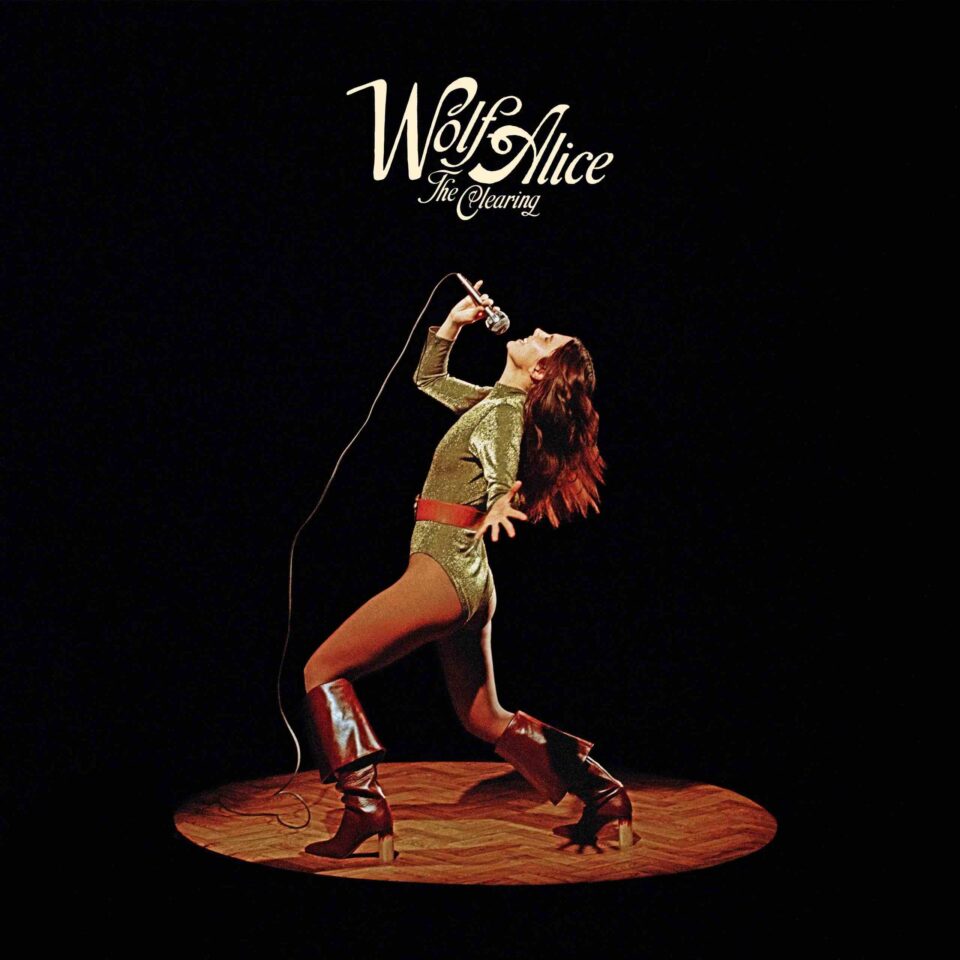
Without fully upsetting their applecart from the dream haze of their melodies or the passions of their singer-lyricist Ellie Rowsell, Wolf Alice moved from an indie label to the majors, pushed their sound forward with shiny pop producer Greg Kurstin behind the board, and pulled a Stereophonic in that they capitalized—sonically, organically, winningly—on their inherent theatricality. Turing new leaves with ripe, full-flavored arrangements of plump pianissimos, gooey orchestration, and a bold acoustic strum more Orbison than their usual St. Vincent–like line readings, The Clearing cleanly lifts Wolf Alice into a position of making the band’s dreams of anthemic rock into a reality. Previous good-natured hymns such as 2021’s “Smile” and “No Hard Feelings” have now turned into a whole mass—processional, rousing, and psalm-like—on The Crossing cuts such as “The Sofa” and “White Horses.” Rowsell rises to the challenge of prayerful empowerment and persuades the gray gardens of “Bloom Baby Bloom” to burst forth (“I won’t flower in spoiled earth”) in a gilded glam-rock fashion, turns the gentle “Bread Butter Tea Sugar” experience into something gleefully carnal, and makes the tiny topic of “Just Two Girls” into a novel telling the grace of womanhood as if it was The Bangles writing as the Four Evangelists of the New Testament’s canonical Gospels. Can I get an amen? — A.D. Amorosi
Read our cover story with Wolf Alice for The Clearing here.
44. Die Spitz, Something to Consume
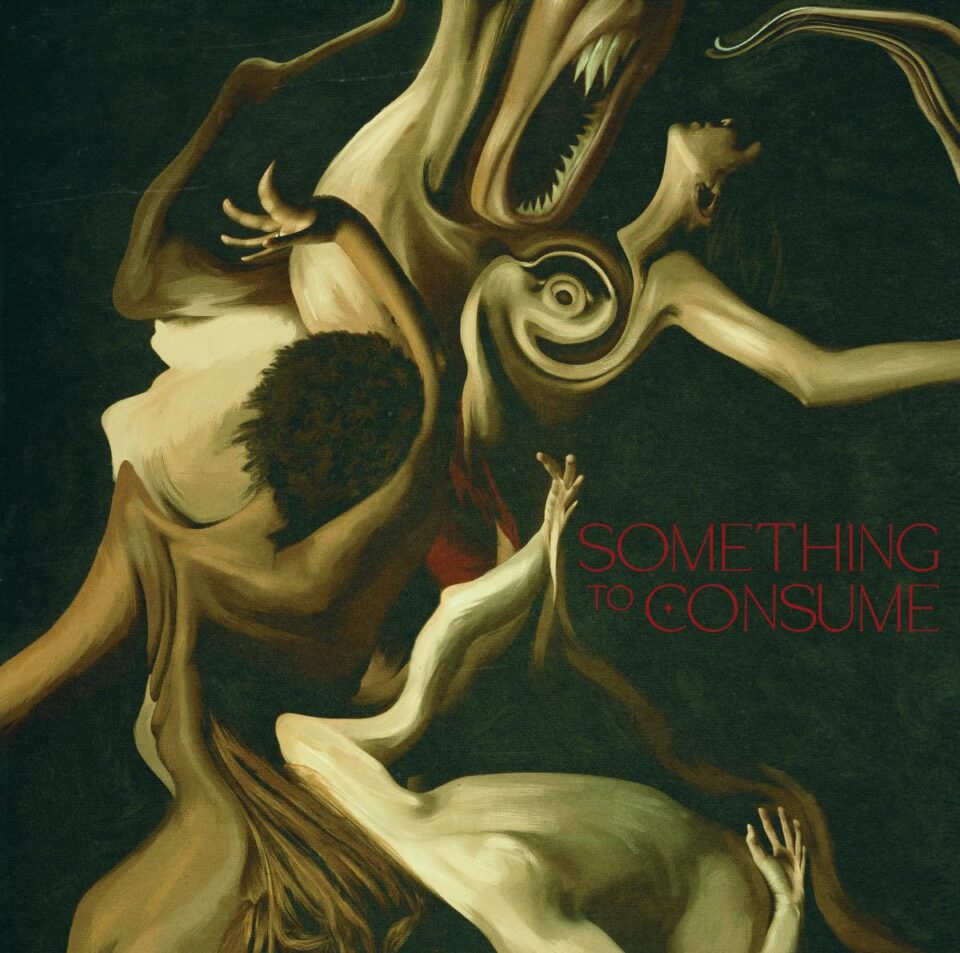
The riveting debut album from the young firestarters from Austin is the year’s most explosive new soundtrack for your local moshpit. The all-female quartet, all still in their early twenties, has mastered multiple hard-rock genres with attitude and skill—punk, grunge, metal, doom—and sounds both blissfully unhinged and utterly in command. Released by Jack White’s Third Man label, Something to Consume opens with the crunch and growl of “Pop Punk Anthem (Sorry for the Delay)” as singer-guitarist Ava Schrobilgen roars in frustration and rage amid the crashing guitars: “All this tension / Everybody here can see / And did I mention / I need you to take care of me?” On “Throw Yourself to the Sword,” Schrobilgen’s childhood friend Eleanor Livingston rides a galloping metal riff, growling and grunting a warning: “Take what’s mine, then I take two times more.” Believe her. Meanwhile, “American Porn” is fully flowered ’90s grunge, with riffs thick enough for the Melvins. The group’s 34-minute debut statement—produced by Will Yip (Turnstile, Title Fight, Scowl)—captures the melody and chaos without unwarranted studio gloss. By the time Something to Consume reaches its brooding finale, this restless gang of rockers are still just getting started and have already raised the bar. — Steve Appleford
Read our review of Something to Consume here.
43. CMAT, Euro-Country
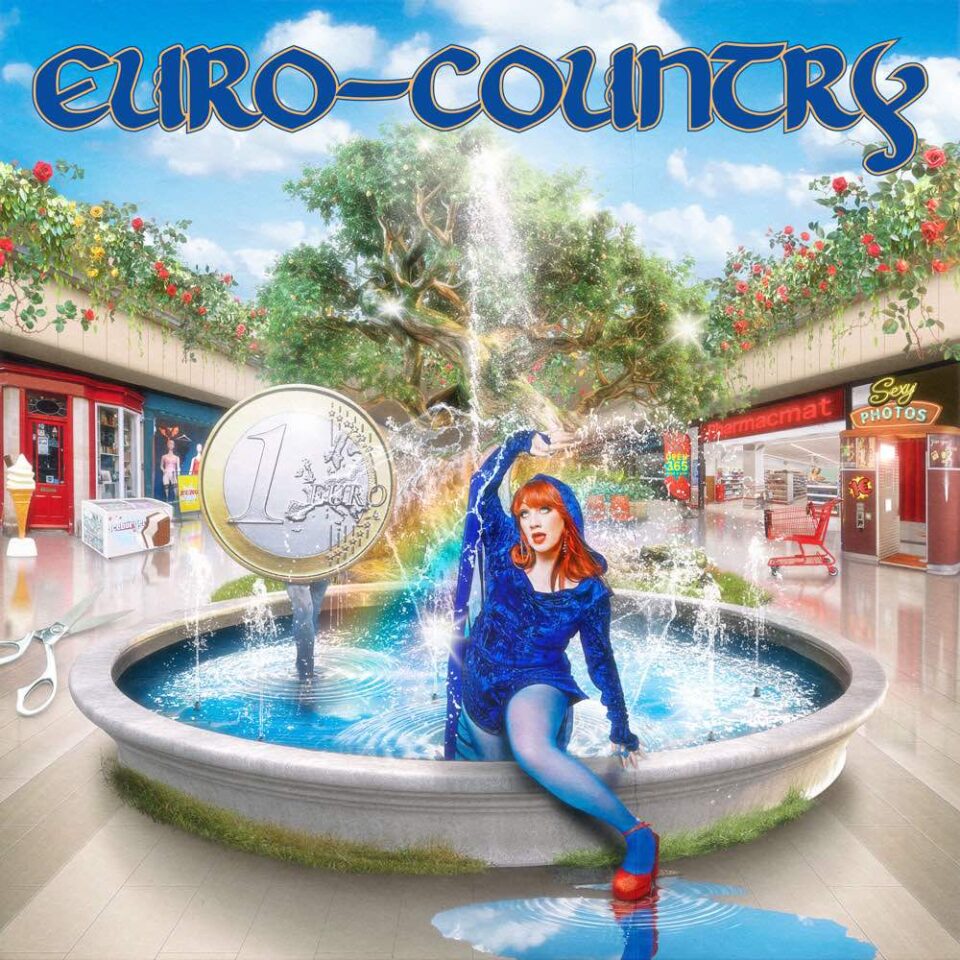
CMAT has had a huge 2025, charming crowds across the world with her live sets comprised of an arsenal of bangers about modern beauty standards, life in her late-twenties, and the relationship she has with her home of Ireland. Ciara Mary-Alice Thompson’s singular brand of humor is self-deprecating and delightfully quick-witted: “I waited for love with a cricket bat,” she begins on “When a Good Man Cries.” This instantly charming sense of personality courses throughout the songs on Euro-Country. There’s “The Jamie Oliver Petrol Station,” a song in which an image of the celebrity chef sparks a sense of existential crisis as she goes from feelings of hatred to realizing that such strong emotions only drain her energy. Thompson’s songs aren’t too concerned with traditional narratives; these are genuine, unfiltered streams of consciousness, a truly relatable type of songwriting to follow. Her writing about femininity and body image on “Take a Sexy Picture of Me” is a fantastically articulate indictment of societal expectations for women from a young age. Thompson has also made a point of supporting Palestine throughout her live shows this year, including her Pyramid Stage appearance at Glastonbury. She’s truly carving the way forward for pop artists who have a great sense of integrity, rather than being perfectly polished at all times. — Matty Pywell
42. Blawan, SickElixir
XL Recordings has been a trendsetter in the breakbeat, drum ’n’ bass, and electronic pop worlds since Blawan was two years old. Yet SickElixir, his second full-length release and first for XL, is a natural fit for the venerable UK-based label, a happily sober product of living life on a techno planet and now wanting to be less insular. With intoxicants removed, Blawan has returned to his body, crafting an earnest, emotional effort that still bangs on the low end with strong bass frequencies while remaining ripe with plenty of weird ideas revolving around hard beats with soft underbellies. A DJ could play everything here back to back and hold a crowd in dissociative rapture, but there’s also a different depth to be revealed when listening in a more introverted yet aware situation. As such, it could serve as a gateway for the inhibited to discover bolder beats from Blawan and beyond. In a rare interview earlier this year, he told Apple Music’s Zane Lowe that he’s a shy “studio hermit.” He’s been making beats since he was 12 (he’s 38 now) and was raised on metal, techno, and XL labelmates The Prodigy, one of his dad’s favorite bands. Listening to SickElixir, all of that makes complete sense. — Tamara Palmer
Read our review of SickElixir here.
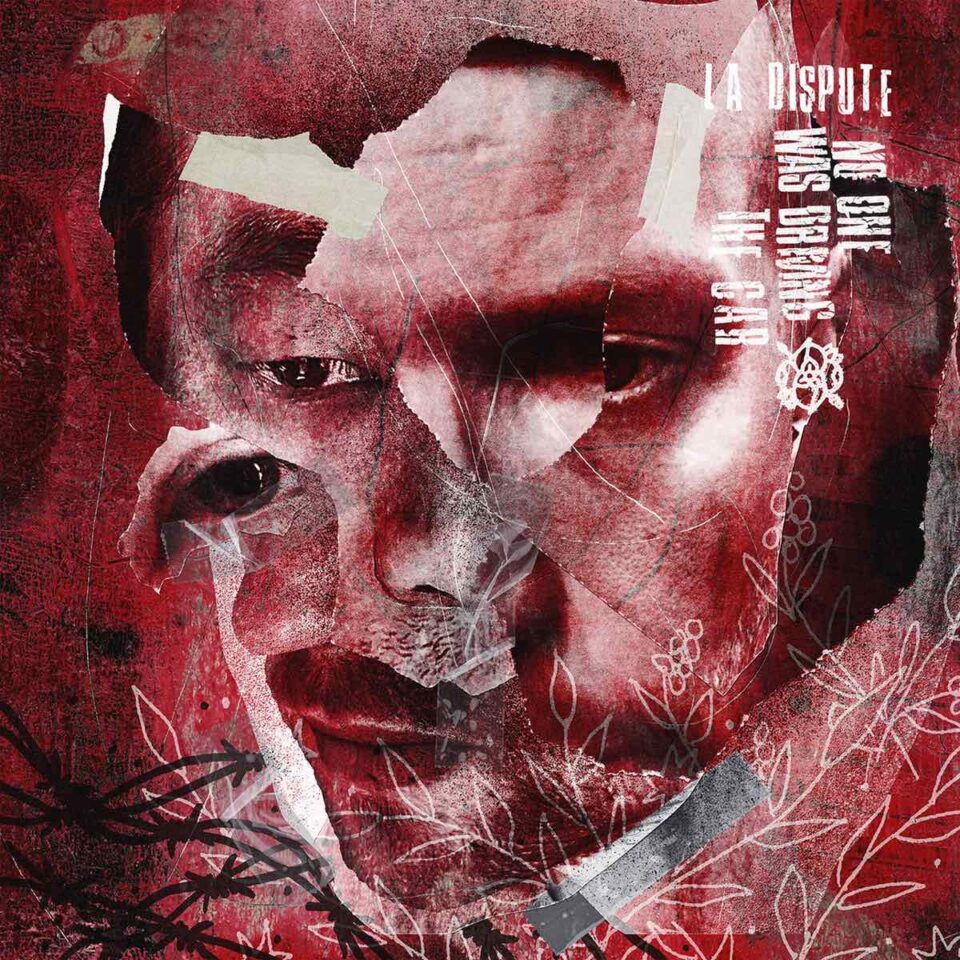
41. La Dispute, No One Was Driving the Car
As the saying goes, good things come to those who wait. And while La Dispute aren’t the most prolific band in the world, the six-and-a-half year wait for their fifth album was the longest since the five-piece formed in 2004. It’s easy to hear why. Though no strangers to complex and involved concepts when it comes to their records, La Dispute really pushed the boat out with No One Was Driving the Car—its title a reference to a police quote in a newspaper article that vocalist/lyricist Jordan Dreyer read about a self-driving Tesla that crashed and killed its two passengers. But it also takes on within its lyrical folds a wealth of other inspirations, from the William Carlos Williams poem “To Elsie” (which was introduced to Dreyer after he’d settled on the album’s title, and which ends with the line “No one to drive the car”) to the sheer hellscape that late-stage capitalism has created all around the world. The music reflects that: It’s harrowing and visceral, recognizable as the distinctively poetic post-hardcore that La Dispute are known for, but at the same time it feels even more raw and ravaged. The result is, indeed, a driverless ride into the future dystopia that is 2025—from the unhinged and unnerving opener of “I Shaved My Head” through to the gently portentous spoken-word acoustic requiem of closer “End-Times Sermon.” It isn’t always easy listening, but then again, why should it be? — Mischa Pearlman
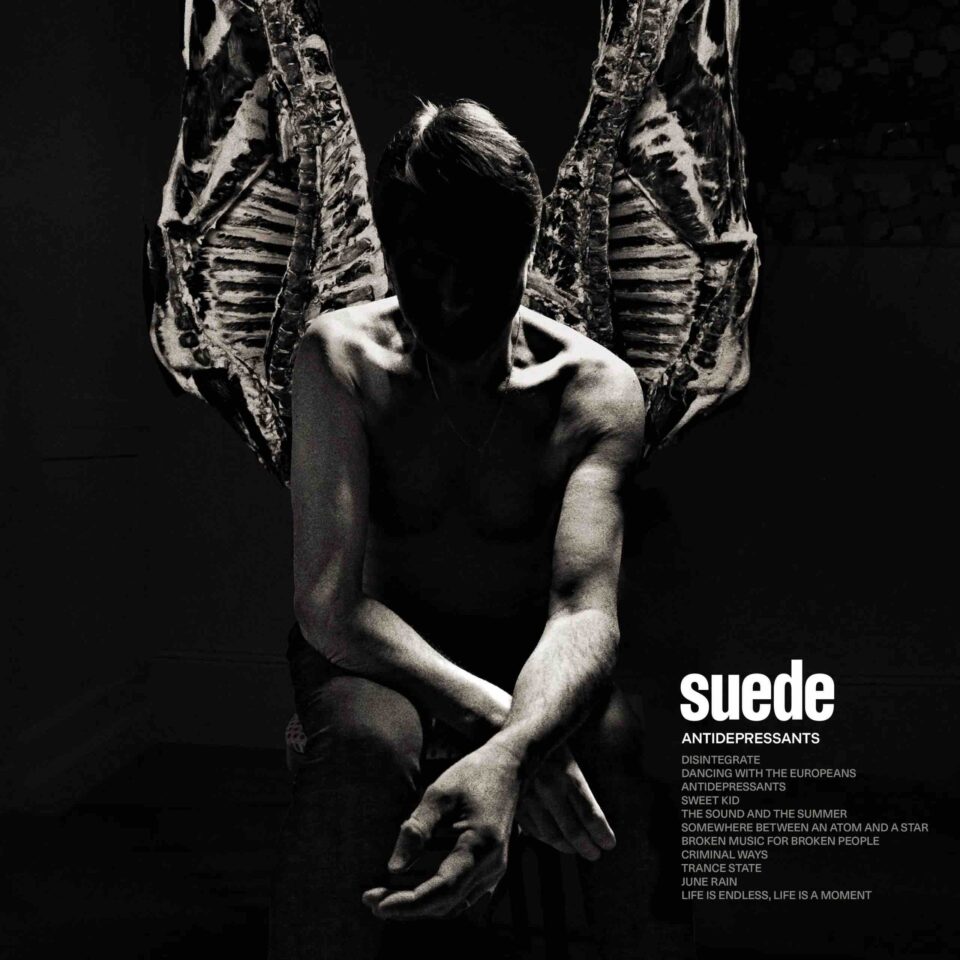
40. Suede, Antidepressants
Suede could be called many things, but boring isn’t one of them. Decades after their culture-shattering entry into the public consciousness as progenitors of Britpop, their tenth album vibrates with youthful vitality while brimming with age-appropriate lyrics that cast a darkness over middle age that’s as worrying as it is accurate. In an interview earlier this year, the group’s bass player Mat Osman told me Antidepressants is “very much Richard’s record,” referring to guitarist Richard Oakes, who joined Suede after the departure of Bernard Butler in 1994. Over the years, he’s woven his ’80s-rooted tastes (think The Cure, Echo and the Bunnymen, PiL) into the arty glam-rock Suede had established for themselves, and they come to a head here. Yet the album is anything but retro, and certainly not nostalgic. Produced by the group’s longtime collaborator Ed Buller, Antidepressants is one of the strongest of Suede’s career. It doesn’t carry the burden of Britpop, but even so, with its post-punk energy, it could easily have been Suede’s second release some three decades ago. Vocalist Brett Anderson spares no emotion in his razor-sharp words or unforgiving delivery, leaving the listener wrung out by his intelligent observations. The album is the second entry in the “Black and White” trilogy, preceded by the group’s “punk” album Autofiction in 2022, which leaves us wondering what they’ll come up with for the final installment. — Lily Moayeri
Read our review of Antidepressants here.
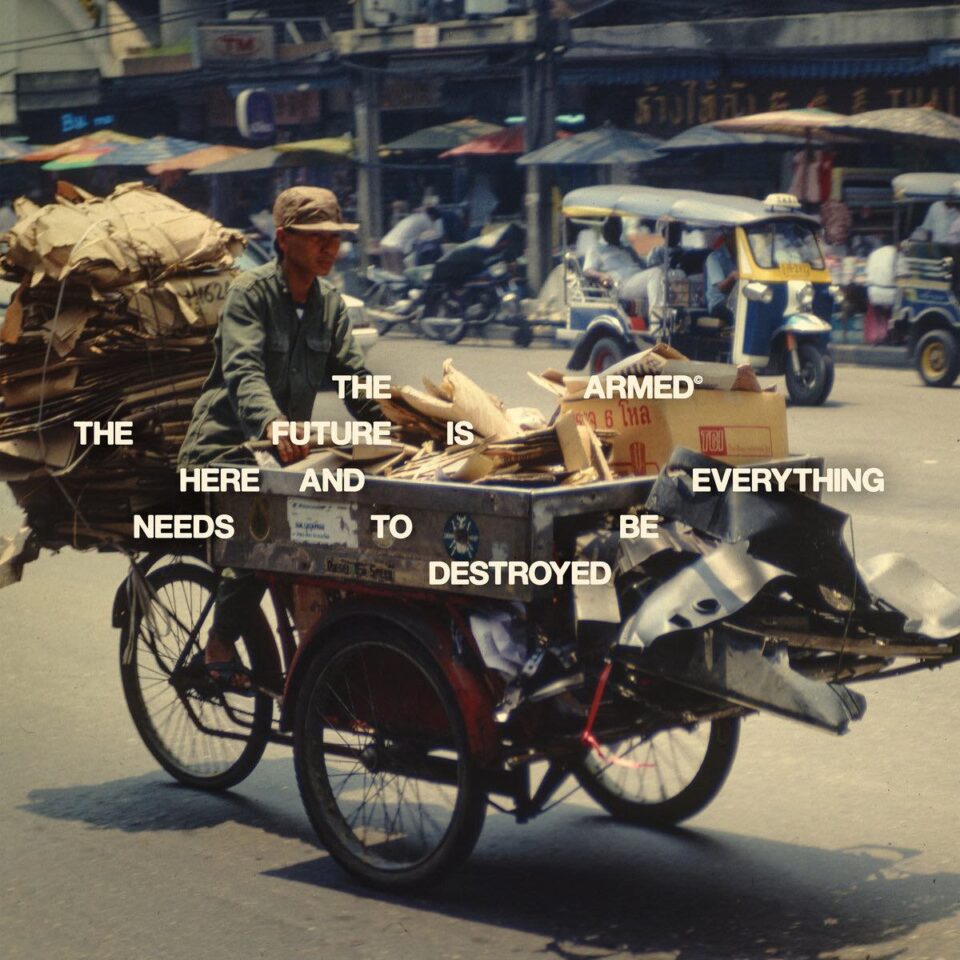
39. The Armed, The Future Is Here and Everything Needs to Be Destroyed
June 2025 saw the biggest protest in American history at the time in the form of No Kings—eclipsing, in terms of size, even the marches of the civil rights movement, hard as that is to fathom. And yet there was no unifying soundtrack that banded together the masses who assembled. Within days of the historic event, however, The Armed gave us “Kingbreaker,” which could’ve easily served as the head-banging set’s theme song for the day. And then, less than two months later, The Armed unveiled The Future Is Here and Everything Needs to Be Destroyed, a long-form manifesto of the Detroit-based band’s opening salvo that made a spectacular case supporting the name of their latest album. Is the culturally fragmented nature of opposition going to turn out to be an unexpected, elusive asset—a secret weapon, if you will—of the resistance? Only time will tell. But if it is, the boldest band ever to occupy Sargent House’s roster proved with their latest Kurt Ballou–produced effort that they’re capable of manning the front lines of heavy music’s metal brigade. And that unit of shock-and-awe soldiers will be critical in the battle to win back the tough-guy contingent from fighting against the best interests of their loved ones—and themselves. — Kurt Orzeck
Read our review of The Future Is Here and Everything Needs to Be Destroyed here.
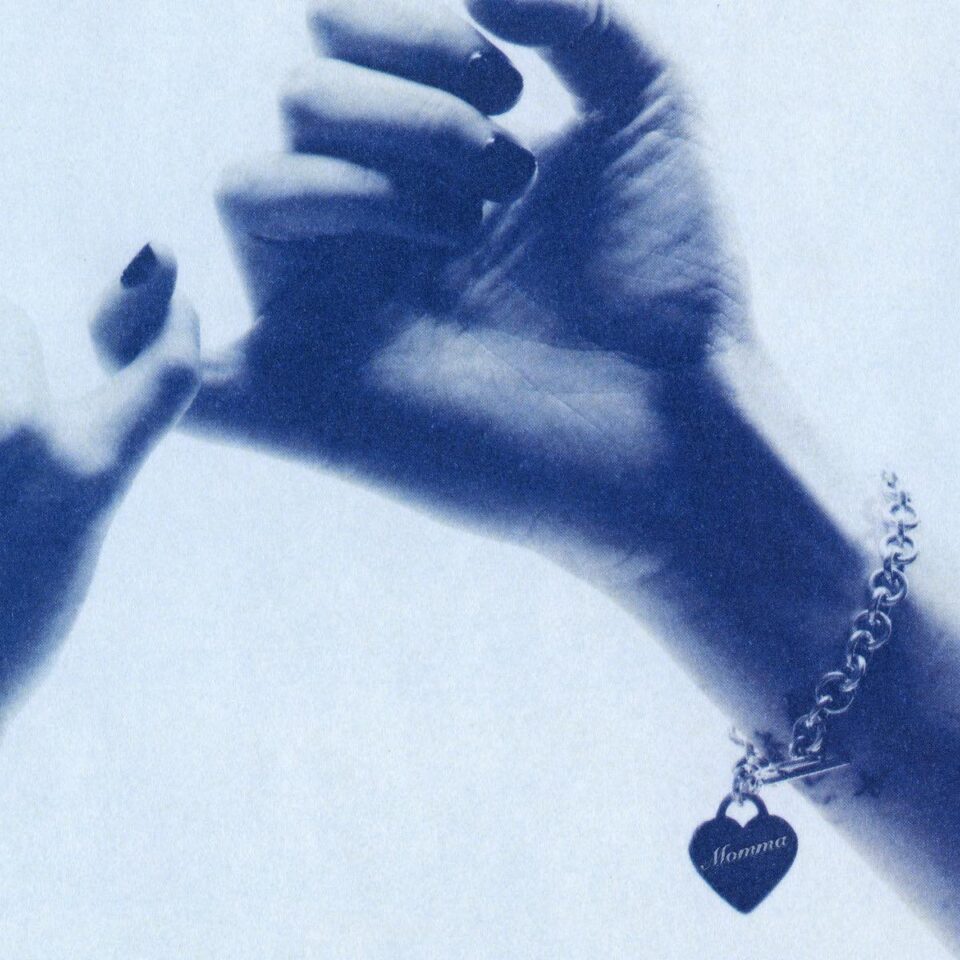
38. Momma, Welcome to My Blue Sky
While recency bias may draw us to cozy or antisocial music this time of year, we mustn’t forget the power-pop summer blockbusters. The second full-length from Momma bottled up hot July days defined by cicada buzz, cheap booze, and go-nowhere rubber-burning. It sounded like a coming-of-age movie and a gonzo-style road trip while also transcending the I-can’t-believe-it’s-not-the-’90s pitfall once and for all. Built around the songwriting core of Etta Friedman and Allegra Weingarten, Momma came in hot with 2022’s breakout Household Name. And while their love of joyrides (so many lyrics about cars) and ’90s bubblegrunge never waned, they did soften their focus on Welcome to My Blue Sky, creating a more insular album that resonated because of the dialogue between its two personalities. Friedman and Weingarten were likely the outcast kids scrawling lyrics in their notebooks at the back of their respective classrooms, finding each other wordlessly in the hallway between periods. And when they aren’t answering each other with words—inside jokes and knowingly kitschy sweet-nothings—their guitars finish each other’s sentences. These riffs can flutter and waver like butterflies or slam you across the room á la Marty McFly with that jet-engine-sized amp. Blue Sky is always purposeful but never feels labored-over, glossy but not airbrushed. It’s sometimes the stuff of movie scripts but also founded on shared experiences and connections that are totally real. I guess occasionally life is just that cinematic. — Hayden Merrick
Read our review of Welcome to My Blue Sky here.
37. Backxwash, Only Dust Remains
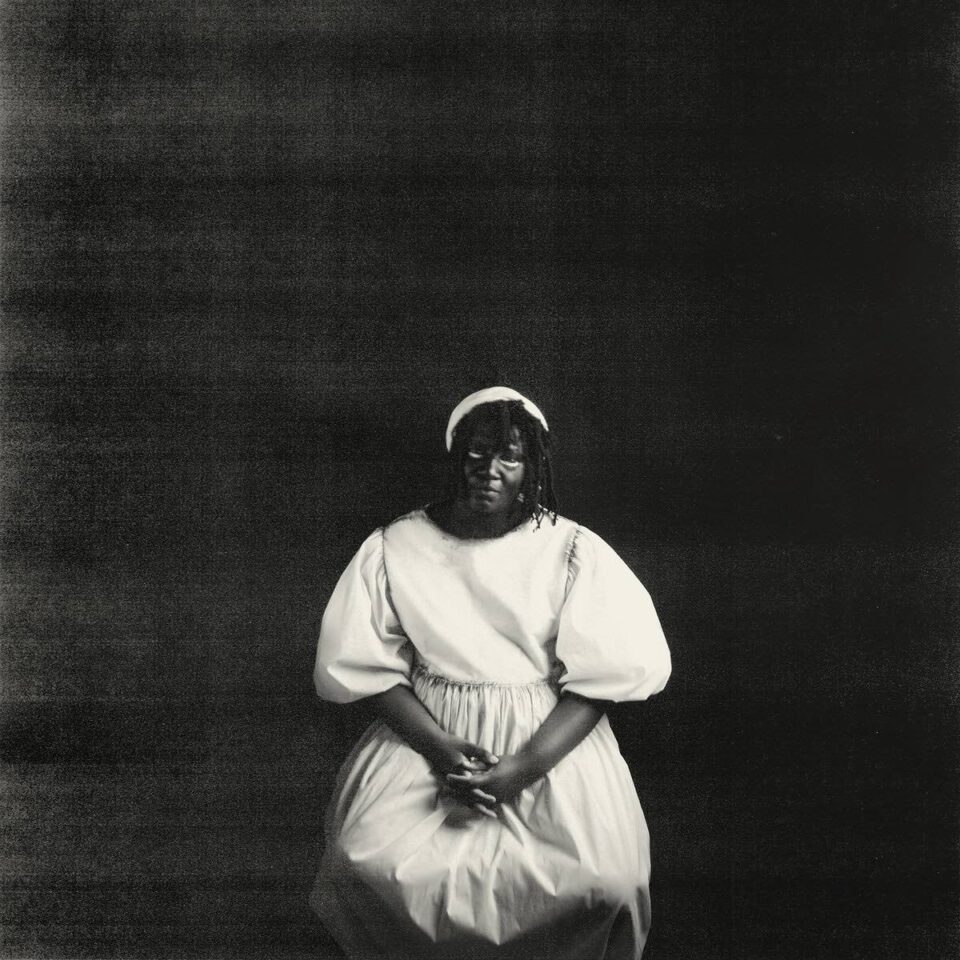
Three years after the conclusion of her metal-laden industrial rap trilogy that introduced the world to Backxwash, the Black Lazarus has risen once again. Death haunts the cold stone ground of Only Dust Remains, curling like smoke around the stripped-back hip-hop compositions curated by the Zambian-Canadian artist. Stark images of suicidal ideation slice through the cold and latch onto the heaviest part of your soul. Nowhere is the smoke thicker than on “History of Violence,” a two-part reflection on brutalities both personal and state-genocidal. What begins as a dissection of Backxwash’s battle with depression moves sharply into a cry for the people of Palestine who’ve been systematically starved and killed in the name of a twisted peace. Her lament of “Is heaven the only semblance of peace?” reflects the totality of the violence, as Palestinians are murdered in the West Bank where Jesus is said to have resurrected Lazarus. Violence begets violence and death is inevitable; but rest assured, Backxwash intends to show you the love that can be born from the destruction. “Love After Death” repackages the great bell hooks’ meditations on love, emphasizing the need to unite action and affection into one: “The question of love is the question of what to do.” Only Dust Remains is Backxwash’s answer: action taken in the name of love—love for her kin, love for Palestine, and love for herself. — Kevin Crandall
Read our review of Only Dust Remains here.
36. Garbage, Let All That We Imagine Be the Light
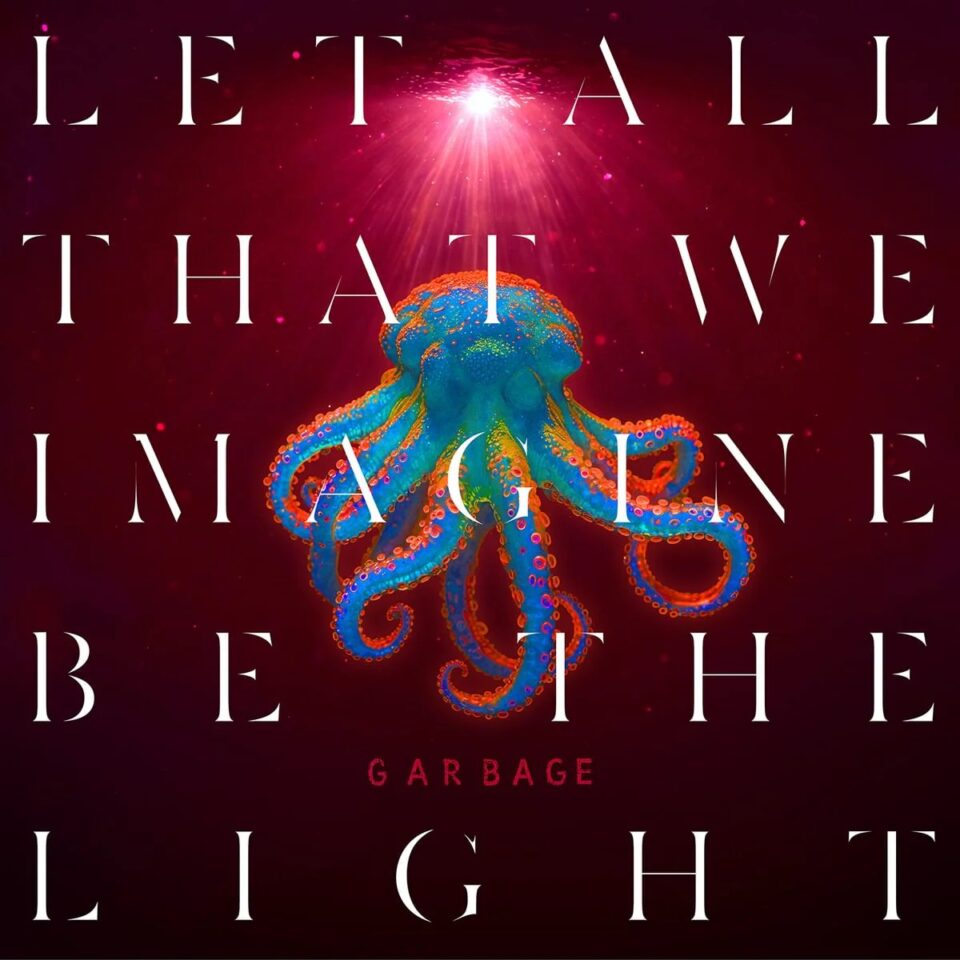
Much speculation has been made about the future of Garbage, who after 30 years have just completed their final headlining US trek. But if the alt-rock innovators’ eighth album ends up being their last, suffice to say they are not going quietly or gently into that good night. One would expect no less from the fierce, formidable, and forever flame-hearted/-haired Shirley Manson. But on this electro-goth fever dream of a record, for which Manson recorded much of her vocals at home in an opioid haze while recovering from double-hip replacement surgery, she often sounds startlingly vulnerable—confronting her own mortality atop a dark, dense, and dystopian bed of analog synth hiss and guitars. Manson is at her rawest and most beautifully broken on the rock-bottom survivor’s anthem “Sisyphus,” the cry for connection “Hold,” and especially the woozy six-minute coda “The Day That I Met God”—a first-take writing demo that she recorded in her bedroom on an afternoon when she “found God in Tramadol.” While it may be a slightly gentler companion piece to Garbage’s vicious 2021 effort No Gods No Masters, this record is still full of fire. And that’s especially evident on the attitudinal centerpiece “Chinese Fire Horse.” Perhaps rumors of Garbage’s retirement have been greatly exaggerated. Because on Let All That We Imagine Be the Light, they sound reborn, they sound like they’re just getting started, and they still sound like the (slightly optimistic) future. — Lyndsey Parker
Read our interview with Shirley Manson about Let All That We Imagine Be the Light here.
35. Ethel Cain, Perverts
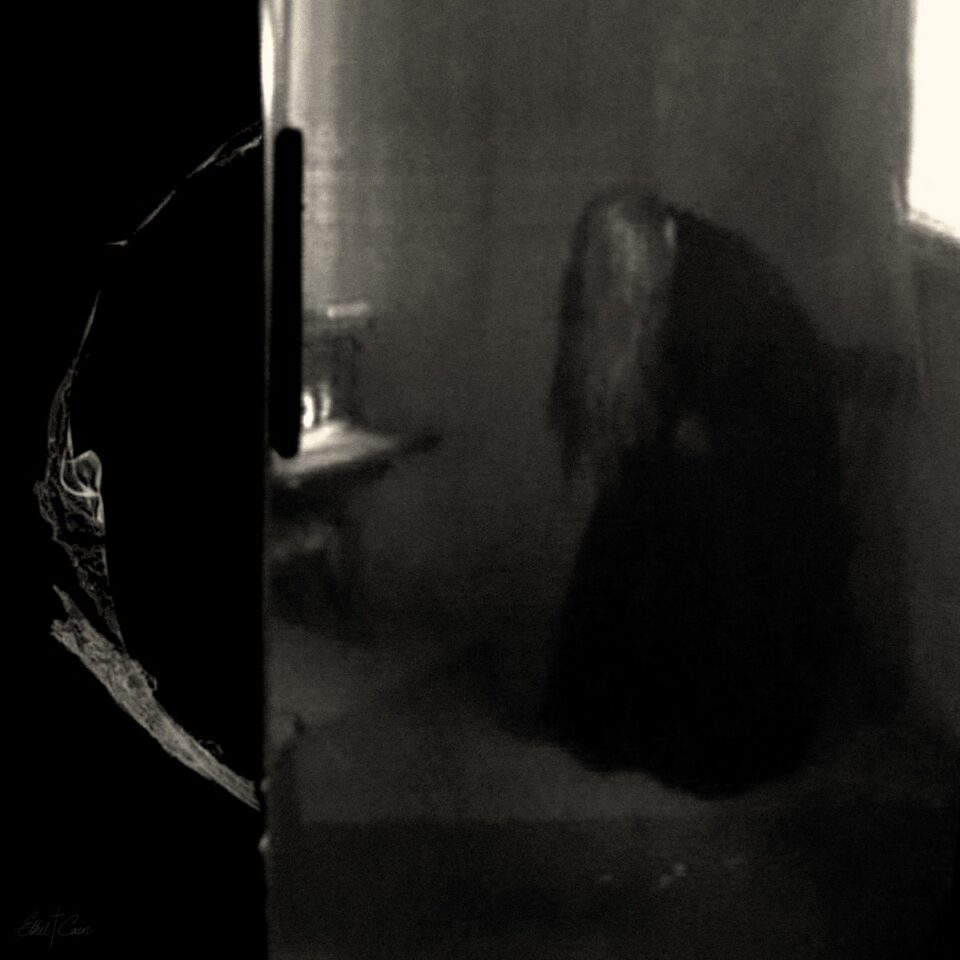
Though its nine tracks are almost 90 minutes long, Perverts isn’t an actual album, according to its creator. Rather, this drone-inspired record that scared, confused, and put off a lot of Ethel Cain’s fans upon its release in January is an experimental sideshow that has nothing to do with her 2022 debut, Preacher’s Daughter, nor the two succeeding records that will complete that narrative trilogy. Except, of course, for the fact that Cain is behind it. The project is a starkly haunting, harrowing, and challenging piece of music that transports the listener into a wholly unrecognizable world from that of Preacher’s Daughter as well as from the proper album Willoughby Tucker, I’ll Always Love You, which was released later in the year. Especially early on during the eerie, old-timey introduction of the opening title track and the periods of near-but-not-quite silence that follow over the song’s 12 minute run-time, it feels like you’re in the pitch black of a horror film or video game, such is the visceral sense of dread and unease that underlines this record. Yet there are (very necessary) moments of sublime and poignant beauty, too. It all makes for a demanding but immensely rewarding listen that marks Cain out as a truly incredible, iconoclastic talent. — Mischa Pearlman
Read our review of Perverts here.
34. Japanese Breakfast, For Melancholy Brunettes (& sad women)
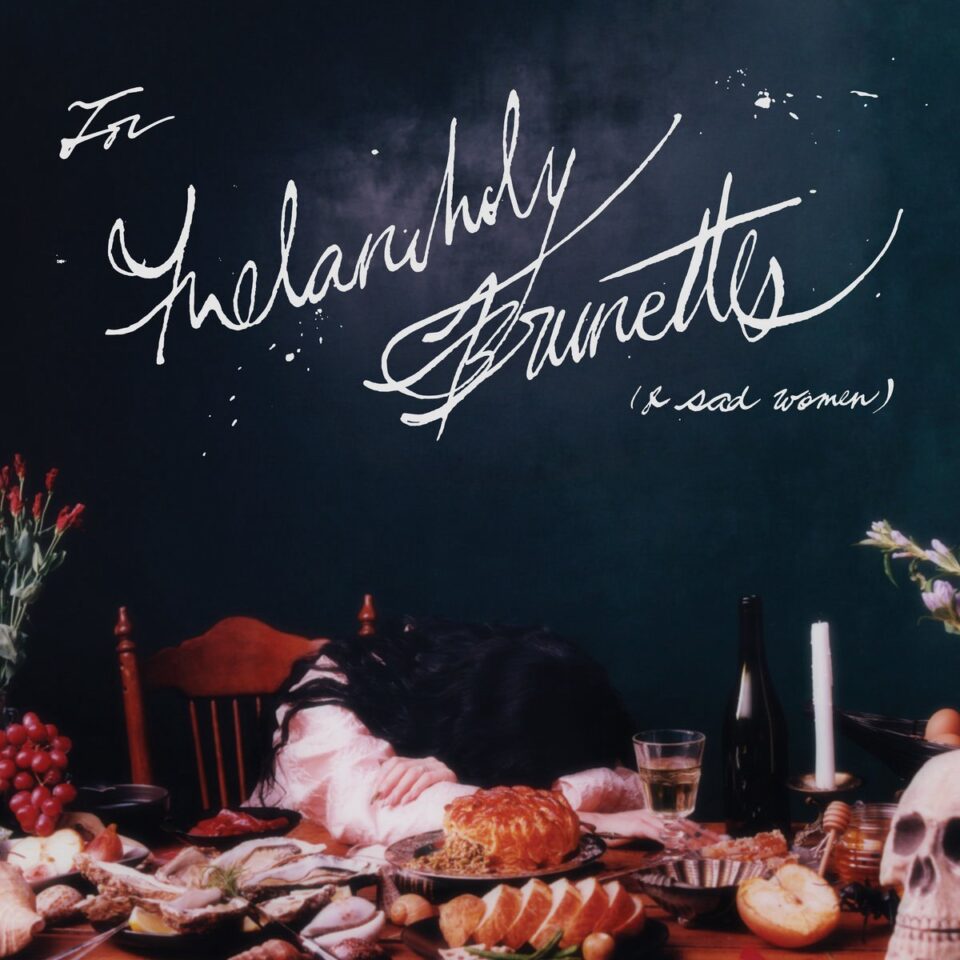
With swelling strings and a nod to Renaissance poetry, For Melancholy Brunettes’s lead single “Orlando in Love” heralded the arrival of a second New Romantic movement this year. Its lyrics drop the album title, a reference to John Cheever’s short story “The Chimera”—and, through the alluring siren portrayed in its music video by Korean trans activist JUNGLE, they offer a thesis statement for a record preoccupied with the agony and ecstasy of temptation. Michelle Zauner isn’t afraid of the dark, and there’s terrors in this album’s depths, a hint of salt in the honey water. The bitterness bubbles up to the top on “Men in Bars,” a reworking of “Ballad 0” from Japanese Breakfast’s 2020 pop project BUMPER. In For Melancholy Brunettes’s version, a pedal steel adds country gloom, and there’s a surprise duet from Jeff Bridges—The Dude himself—whose low register creates magnificent dissonance with Zauner’s soprano. The record is particularly beguiling, too, when she sings grisly lyrics about exploding hearts (“Honey Water”) and running her guts through a spoke (“Here Is Someone”). How intoxicating, to drown in the sea of love—and how sweet. — Annie Parnell
Read our review of For Melancholy Brunettes (& sad women) here.
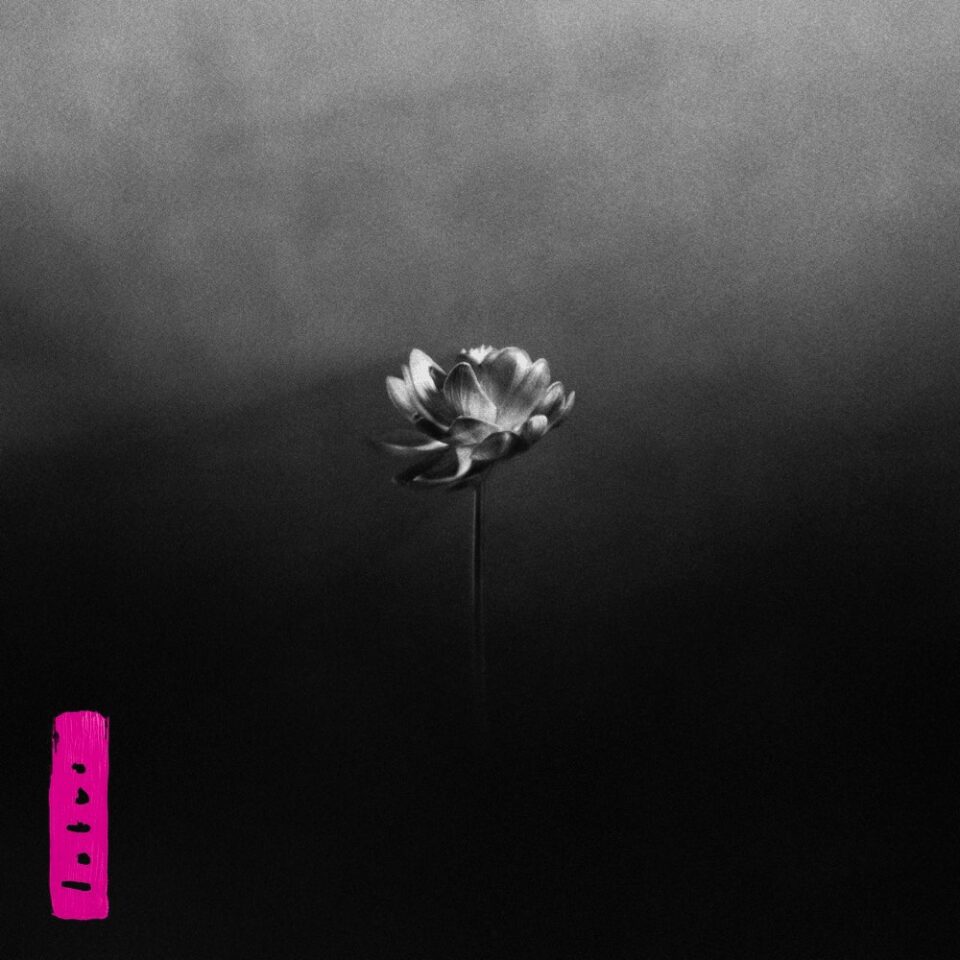
33. Little Simz, Lotus
The sixth album from 31-year-old Nigerian-British rapper Little Simz harnesses a quiet power and fortitude that belies her years. Her old soul shines through on Lotus, so named for the flower that grows in the muckiest mud. After a legal battle with Inflo—the producer of her last three albums—over an unpaid loan, she hired Miles Clinton James to produce Lotus, which has songs about moving on and rebuilding herself stronger than ever. The lyrics on every song are written by Simz and her collaborators, including Michael Kiwanuka, Jungle’s Lydia Kitto, Obongjayar, and Sampha. No appearance is gratuitous, and each contributes something meaningful to the overall story. James’ jazz-informed backdrop casts Simz as the legend she is over powerful live instrumentation—where some of her past works included overt bangers, Lotus is expertly arranged to engage from start to finish, and should be absorbed as a whole. Whether rapping or speaking on songs, she’s a griot, and Lotus is a fabulous snapshot of UK music in 2025. It’s more of a sleeper hit in the States, one that may well be remembered in the future as Little Simz’s best. — Tamara Palmer
Read our review of Lotus here.
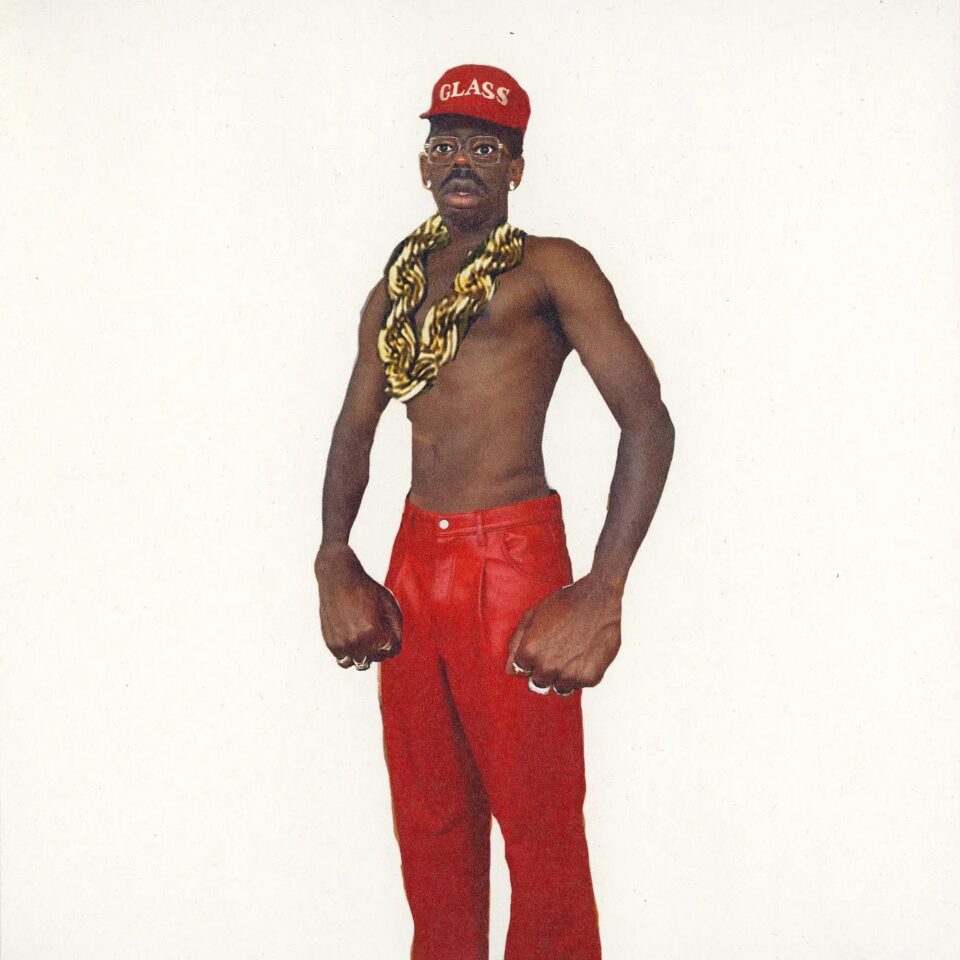
32. Tyler, the Creator, Don’t Tap the Glass
Tyler, the Creator’s 2024 LP Chromakopia was obsessed with the fine line between private life and public persona. Much of his 2025 surprise-released follow-up Don’t Tap the Glass, then, exists as a counterpoint, a rollicking romp that invites Tyler’s stans to view him as an idol, a totem, an effigy. He’s playful and effervescent throughout the project, thrilled with the stakes and parameters he’s set for himself. The pivot point in his career came around a decade ago between Wolf and Flower Boy, and while all records that came before the latter are, at this point, underrated, Flower Boy signaled his first project that was completely free from the pressures and hype of Odd Future. Coincidentally, it’s also the album that truly launched him into the stratosphere. Since then, Tyler has become a generation-defining artist again and again, in large part due to the simple fact of his musical genius. His intuition is almost always correct, and he’s freed himself up enough to follow it with faith and conviction. Don’t Tap the Glass is just the latest example of this steady devotion to the process and methods. The concepts switch up, but the execution stays the same. — Will Schube

31. Model/Actriz, Pirouette
That gay industrial music you like came back in style, and it’s unapologetically gayer than ever. Model/Actriz spent 2023’s Dogsbody playing with the jagged edges of a notably homoerotic genre, with anxious guitar stutters and stabs underlining the undeniably queer unease in Cole Haden’s lyrics. But Pirouette puts those preoccupations under a more pronounced spotlight, with Haden’s figurative language now snapping into brief narrative vignettes to disarming effect. On “Cinderella,” his fragmentary images and sentiments jar into uncomfortably lucid shape when recounting an adolescent moment of internalized shame. “Doves” makes a clawed grace out of existing in a limbo state, the band’s knack for stuttering rhythms emerging more as aching than chaotic. Yet Pirouette complicates Model/Actriz’s capacity for poignance most in the moments that rummage through the hums of genre side streets—the spoken-word interlude “Headlights” laying bare a memory of secretive longing, the soft melancholy of “Acid Rain” hitting like the subsequent reflection in nighttime stillness. In each moment, the sentiment wallops amid the subdued compositions, like being trusted with unguarded confessions beneath the flamboyant walls propped up around them. Pirouette suggests that to be heard is not merely to be loud or outré enough to rise above the din—it’s to yield the truth of your experience with as much conviction as it deserves, whether in the striking of a pose or the shedding of its performance. — Natalie Marlin
Read our review of Pirouette here.
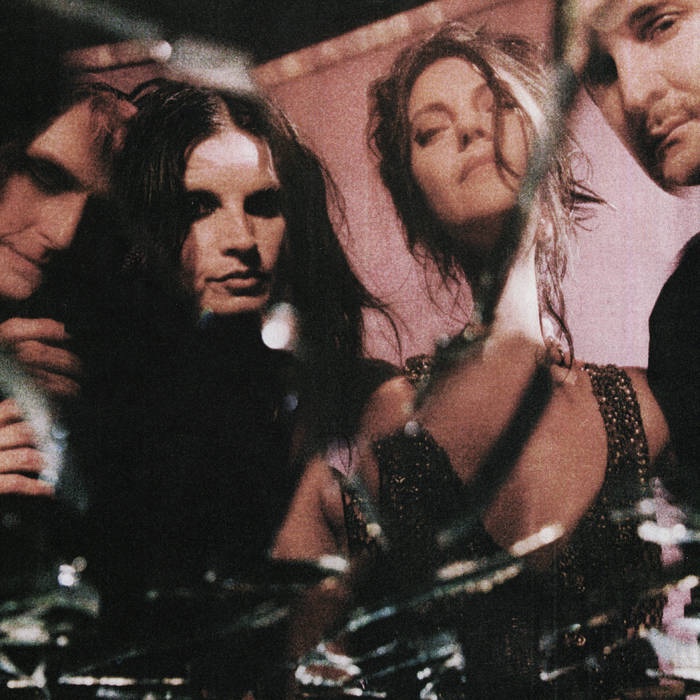
30. Sharon Van Etten & the Attachment Theory, Sharon Van Etten & the Attachment Theory
The first Sharon Van Etten album to feature co-billing with a full band came from a place of boredom. The singer was looking for a fresh perspective, as she explained to FLOOD in our digital cover story from February: “I got to the point where I was just really tired of hearing myself and making everybody else listen to me sing about me.” So she asked her live band to join her in the studio for some jamming. Those sessions morphed into a new group—Sharon Van Etten & the Attachment Theory—and the first full-band album in Van Etten’s brilliant discography. The Attachment Theory’s first record finds the songwriter and her collaborators embracing new wave, post-punk, dream pop, and good ol’ straightforward rock ’n’ roll. Opener “Live Forever” is a slow-burning meditation on eternity and the finite nature of our lives, building toward a volcanic eruption. The things Van Etten is preoccupied with become clear rather quickly on the album, as “Live Forever” is followed by “Afterlife,” another electronic-leaning rock cut that features a stadium-ready chorus. Whether exploring the intimate or universal, with a full band or solo, Sharon Van Etten continues to prove that she’s nowhere close to boring. — Will Schube
Read our cover story with Van Etten about Sharon Van Etten & the Attachment Theory here.
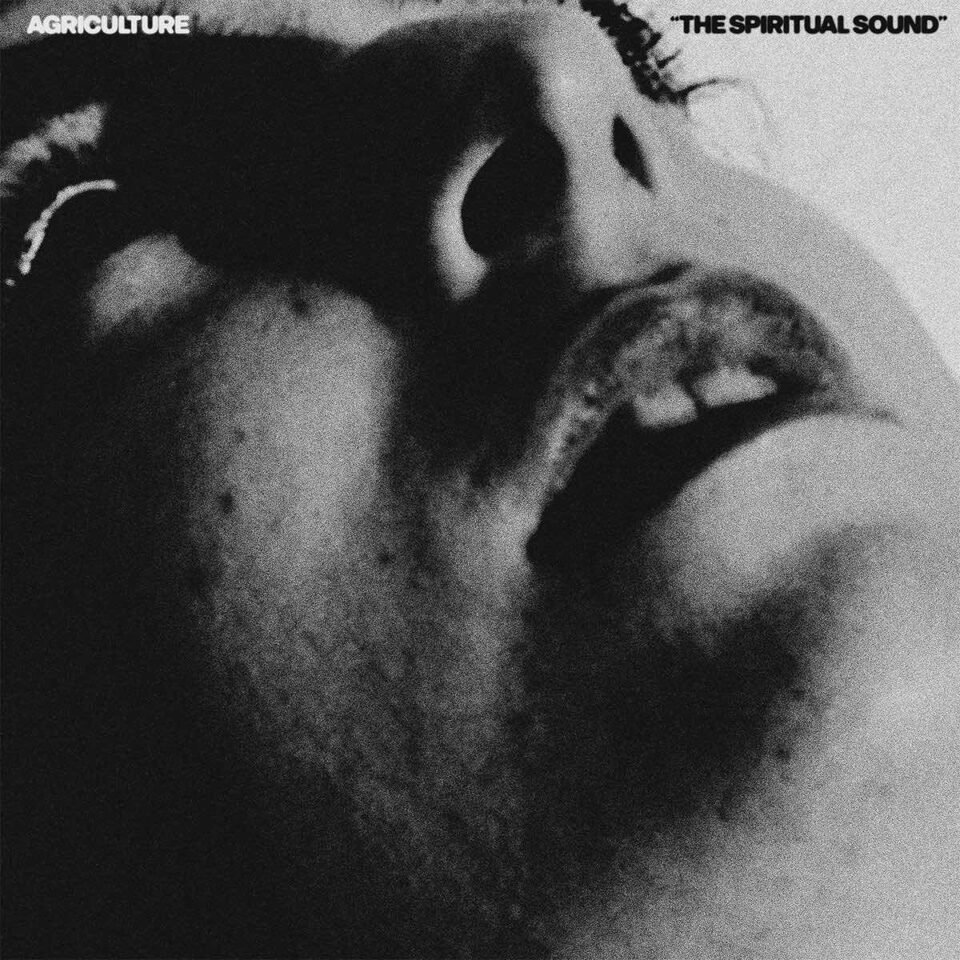
29. Agriculture, The Spiritual Sound
Idealistic artists are easy to spot: They’re faithful to their convictions, which they fearlessly elaborate on through their art. It all sounds so simple when boiled down to those terms, but the minuscule number of artists who actually adhere to their mission statements proves that it’s not. Corrupted by commercialism, tempted to succumb to the whims of the zeitgeist, fearful of losing fans, the vast majority of those starry-eyed creatives pay the price and fall to the wayside. The Spiritual Sound is Agriculture’s declaration that they’ll stay true to themselves and abide by the self-described “ecstatic black metal” gauntlet they threw down with their self-titled debut two years ago. With this follow-up LP, the LA quartet delivered a terrifying listen made by terrifyingly talented musicians that’s just as singular and spectacular as their debut. Guitarist-vocalist Dan Meyer told me in 2023 that his band “didn’t care as much about nitty-gritty stuff like royalties.” It was another idealistic statement made by a young band that’s proved themselves capable of sticking true to their word and exhibiting integrity with The Spiritual Sound. Each of the 10 songs on this record are worthy of individual release and—if we’re lucky—portend that metal continues to cultivate a contingent of fertile artists pushing the genre’s boundaries to previously unimaginable heights. — Kurt Orzeck
Read our review of The Spiritual Sound here.
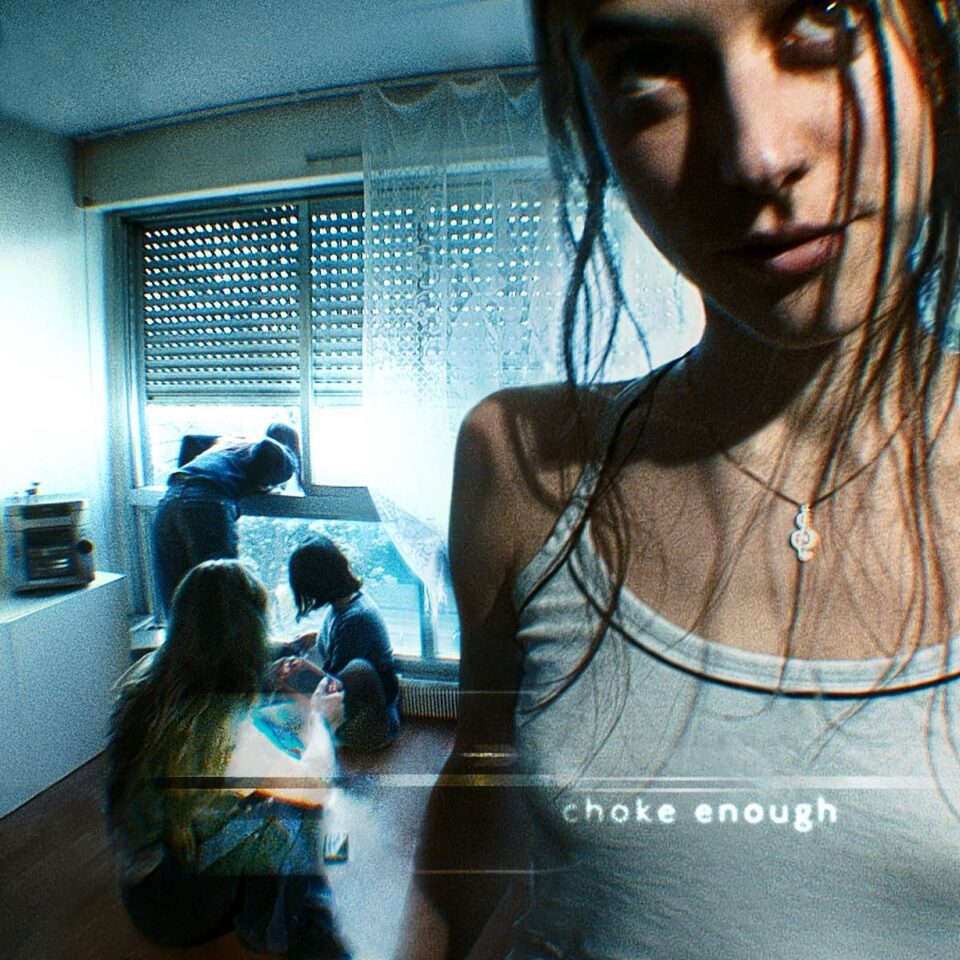
28. Oklou, Choke Enough
Marylou Vanina Mayniel grew up a choir kid, classically trained in piano and cello. At home, she listened to Gorillaz, Massive Attack, Dälek, and techno—which is reflected in the fact that no genre is off limits for the music she releases as Oklou. Choke Enough dropped nearly a year ago, but it’s the type of fever-dream album that can be played in the dead of winter as you wait for the snow to melt (“Blade Bird”), or in the humid dog days of summer when the trill of an ice cream truck wafts through the sticky-sweet air (“ICT”). It’s emotive music in its own pocket dimension, pulling on sonic threads from the past and future at the same time. Oklou deploys burbling synths, nostalgic lyricism, and distorted field recordings, but the quality of her music is less tangible. Mayniel has a heart the size of the French countryside as she touches on neo-pagan rituals on “Harvest Sky” or ensnarling grief on “Take Me by the Hand,” or when utilizing the washed-out tones of a lost animated children’s film on “Obvious.” Her debut mixtape Galore was adored by internet communities for its modern counterpoints of ambience and dreamy pop, and her debut album sounds like a soft evolution of this sound: You feel your way through Choke Enough’s delirium maze until you loop back around to where you started. Time is a flat circle in Oklou’s world. — Kyle Lemmon
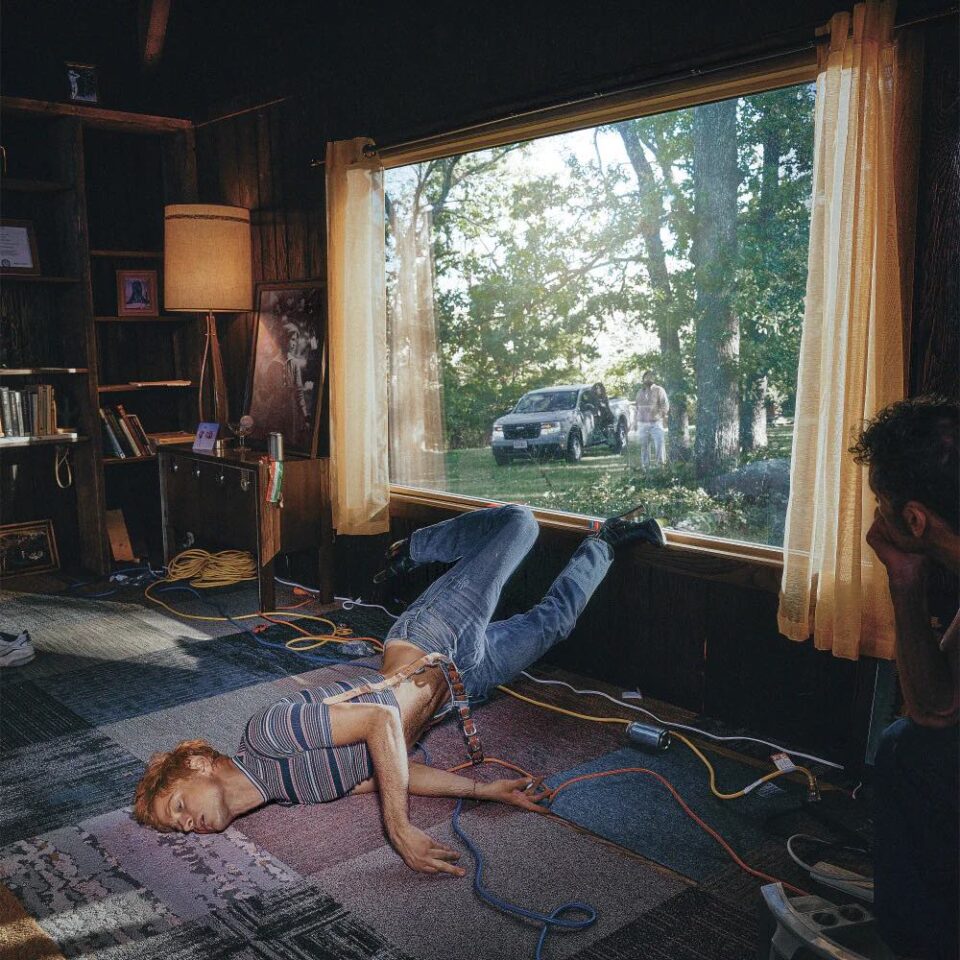
27. Perfume Genius, Glory
Look, I’m probably only saying this because I know that indie-folk songwriter Blake Mills produced Glory, but it’s crazy how quickly into the project it becomes clear that the studio wizard is the perfect fit for Mike Hadreas’ specific style of rock music. Opener “It’s a Mirror” features guitar parts and percussion that sound like they descend from very old trees, and is there anything more Millsian than that crisp, forest-dense crunch of fingers sliding up and down a fretboard? What I like best about the opening track is that despite the brilliant ease of Hadreas and Mills’ production (that would be a good law firm name, FWIW), the song still hinges on the strength of its lyrics and melodies. Hadreas is one of the best narrators in rock music, a truly underrated wordsmith; pen game strong, as the kids say. Check out the way he wrestles with achievement, so succinctly captures the feeling of desperately wanting satisfaction in success while knowing it comes from something else entirely: “What do I get out of being established? / I still run and hide when a man’s at the door / Polishing boots down a line in the basement / When I should be riding outside on my own.” We all should be outside riding on our own, but gosh is it easy to run and hide instead. — Will Schube
Read our review of Glory here.
26. Turnstile, Never Enough
It’s hard to think of a band that’s more rigorously judged against the rigid orthodoxy of their chosen genre than Turnstile. Perhaps the self-produced Never Enough will mark the point at which they officially fail their hardcore purity test—the moment where they decide that the scene that birthed them was only ever meant to be an incubator, not a set of values to carry like an albatross around their necks. Of course, rules exist for a reason, and by eschewing hardcore’s aesthetic code, the Baltimore band finds that some things are lost and some things are gained. With its 14 songs spanning a full 45 minutes, Never Enough steps back from the terse performances and taut constructions the scene is known for. Deprioritizing their usual spring-loaded tension means Turnstile now has room to wander, and what Never Enough lacks in ruthless momentum it makes up for in wide-eyed wonder: this is the hardcore punk’s version of a magical mystery tour, a winding travelogue through new textures and sounds. There are still monster riffs, but also wide-ranging rhythmic adventures; still pulverizing guitars, but also horns, synths, and tuneful singing. It attests a band that values curiosity over dogma, one that desires to use its burgeoning fame not as conservators of an established movement but as trailblazers of a brand new one. — Josh Hurst
Read our review of Never Enough here.
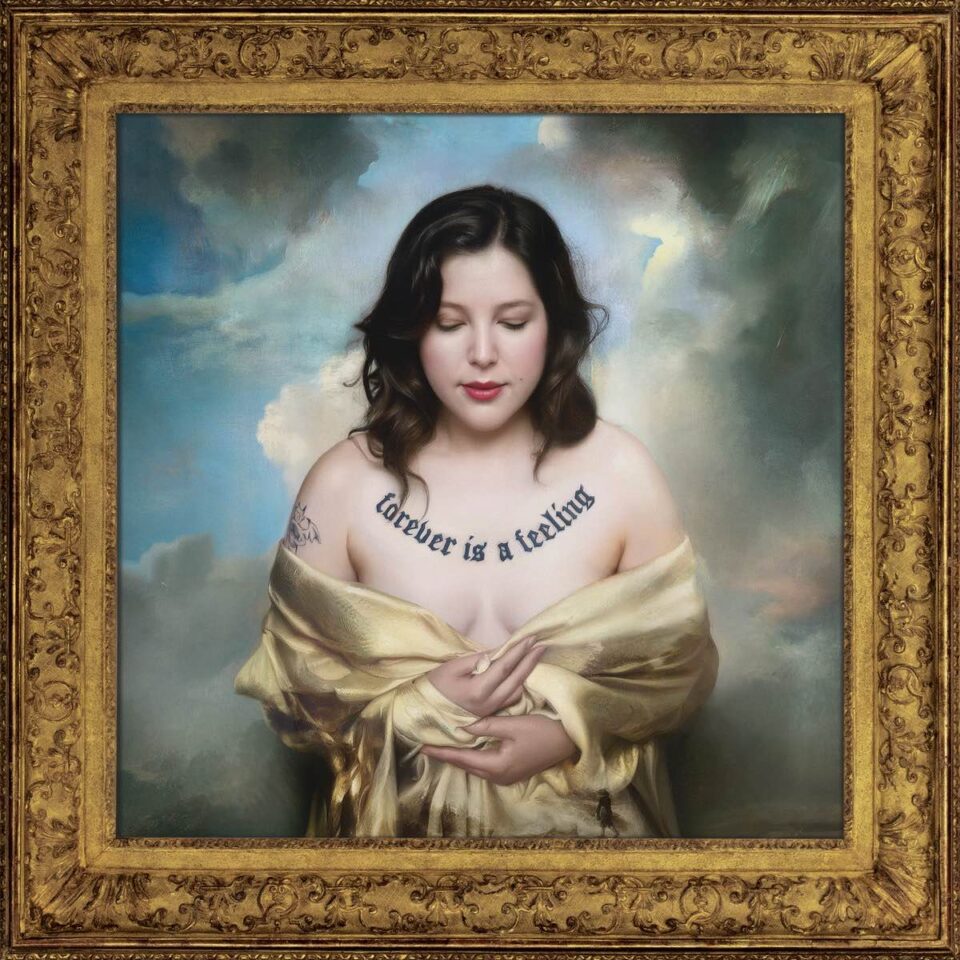
25. Lucy Dacus, Forever Is a Feeling
For a brief period of time in between 2022 and early 2024, boygenius seemed to rule the world. A creative collaboration between Julien Baker, Phoebe Bridgers, and Lucy Dacus, it was a band that, for whatever reason, far eclipsed the success of the three songwriters’ individual careers. That “for whatever reason” modifier isn’t a slight on the trio, but more a question of why it took the trio bandying together for more mainstream success to reach them. With that band now on hiatus, there’s time to focus on their individual careers again. While Bridgers has remained inactive on the recording front, and Baker released an album with her new collaborator TORRES, Dacus put out this fourth solo full-length and first release since boygenius took off. As its title suggests, it’s a rumination on love—the highs, the lows, the terrors, the joys, and all the in-betweens that come with being in a relationship. Inspired in part by her own relationship (since boygenius started, Dacus and Baker have started seeing each other, and are currently living together in LA), it navigates what it means to be in love, answering questions as it asks them. Dacus once again balances darkness and light, whimsy and pathos, to near-perfection to produce a record that truly manages to live up to the profound emotions conveyed by its title. — Mischa Pearlman
Read our cover story with Dacus for Forever Is a Feeling here.
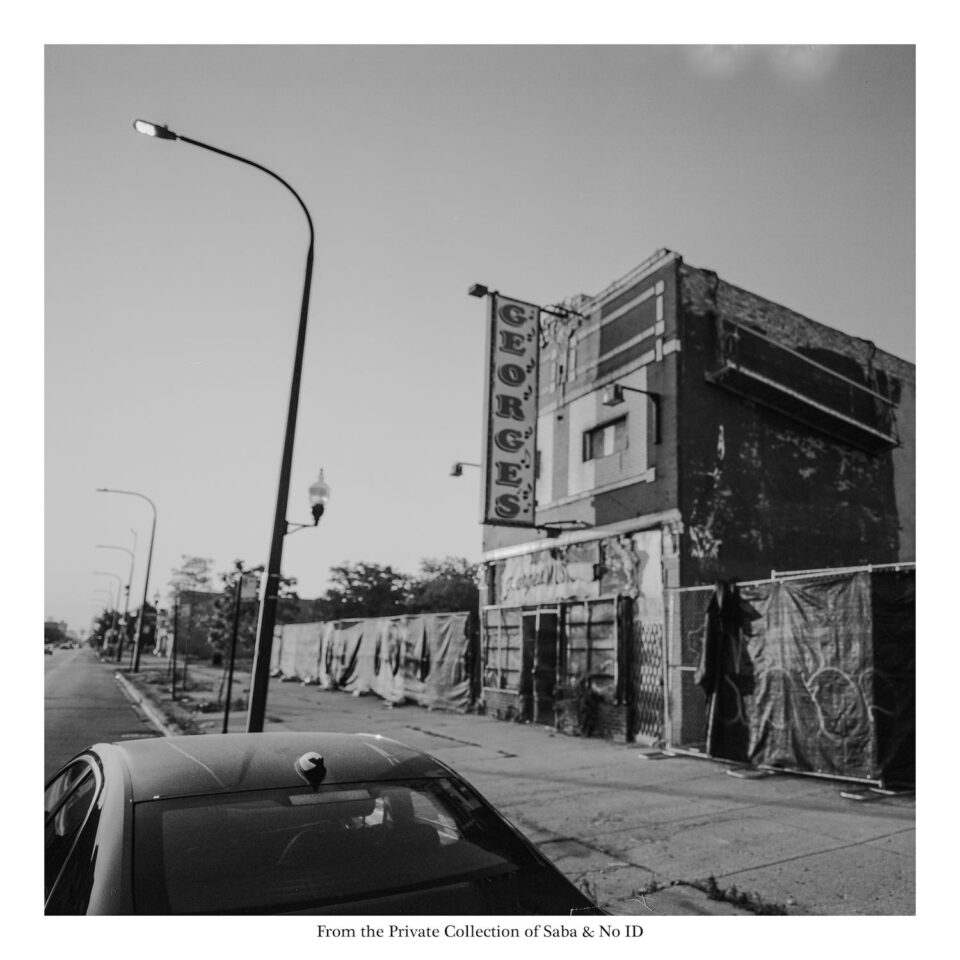
24. Saba & No I.D., From the Private Collection of Saba & No I.D.
When we spoke with Saba ahead of the release of his new collaborative album with No I.D., he talked about his struggle to find a sound that matched the way he felt. On From the Private Collection, the Chicago rapper runs through an emotional spectrum that touches on Black power, self-confidence and self-doubt, love, and the divine. Though the project was a long time in the making, Saba didn’t feel comfortable putting it out until he found the right mixture to encompass the swath of emotions that had encapsulated his life since the 2022 release of Few Good Things. “It’s like, ‘I’m not looking for it to sound good, I’m looking for it to express something right down there,’” he explained, pointing to his heart. Despite not needing the album to sound good, No I.D. doesn’t make music that ever sounds bad, so that worry was quelled through working with the right producer. Emotionally, the album hits hard, with Saba taking listeners on a ride through his world, both spiritually and literally. The magic of From the Private Collection is how thoroughly and clearly Saba and No I.D. bring us into their space. — Will Schube
Read our interview with Saba about From the Private Collection of Saba & No I.D. here.

23. Lambrini Girls, Who Let the Dogs Out
We didn’t have “queer feminist UK punks namecheck a Bahamian Y2K one-hit wonder and become Iggy Pop’s favorite new band” on this year’s Bingo card, but here we are. And Brighton’s post-punk provocateurs Lambrini Girls provided exactly the soundtrack that Iggy and the rest of the planet needed for white-knuckling through this barmy year, brimming as it is with white-hot wrath and blue humor. On their rambunctious, riotous, rageful, and yet still strangely joyful full-length debut, self-described “cunts” Phoebe Lunny and Selin Macieira-Boşgelmez school the haters with a 29-minute lesson in—to quote the album’s proudly profane cheerleader chant—“Cuntology 101” as they breathlessly, brattily take on police corruption, homophobia, xenophobia, capitalism, and music-industry inequity, among other hot topics. But they save their best bog-mouthed takedowns for the so-called nice guys viciously skewered in “Big Dick Energy,” for diet culture in the Kate Moss–quoting “Nothing Tastes As Good As It Feels,” and for predatory office scumbags in “Company Culture.” It’s all so unsubtle that Lambrini Girls would come across as some X-rated Portlandia sketch if their barbed bops weren’t such hooky, fuzzy, scuzzy, scruffy, C-U-N-T-Y fun. And besides, subtlety is sooo 2024. — Lyndsey Parker
Read our review of Who Let the Dogs Out here.
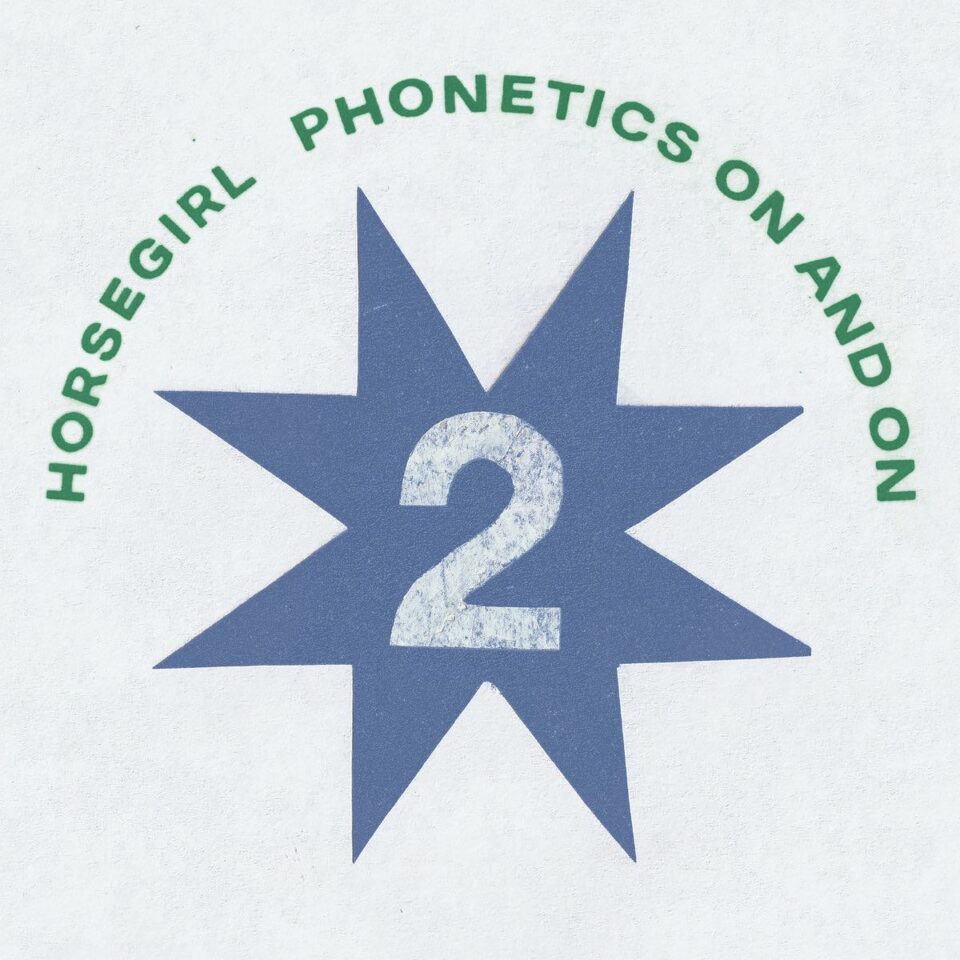
22. Horsegirl, Phonetics On and On
For Horsegirl—the indie rock trio of Nora Cheng, Penelope Lowenstein, and Gigi Reece—their second album, Phonetics On and On, was as much about paring things back as it was adding further flourishes. Where their debut Versions of Modern Performance embraced a fuzzed-out chaos, this record explores just how spare they can make things without losing any of the verve that made their debut such a success. A song like “Frontrunner,” with its lazy groove, typewriter percussion, and wordless chorus, is both proof of concept and a showcase of the kind of airtight pop instincts and effortless cool that make this young band so exciting. It should be noted that Horsegirl have always possessed all of the bonafides of indie rock it-band status: their blend of influences—which weave a throughline between The Velvet Underground, Yo La Tengo, and Minutemen (their recent cover of “History Lesson Part 2” rips)—are practically catnip to music critics far and wide. What Phonetics On and On proves, among other things, is just how deserving this Matador-signed band is of such effusive hype. — Sean Fennell
Read our review of Phonetics On and On here.
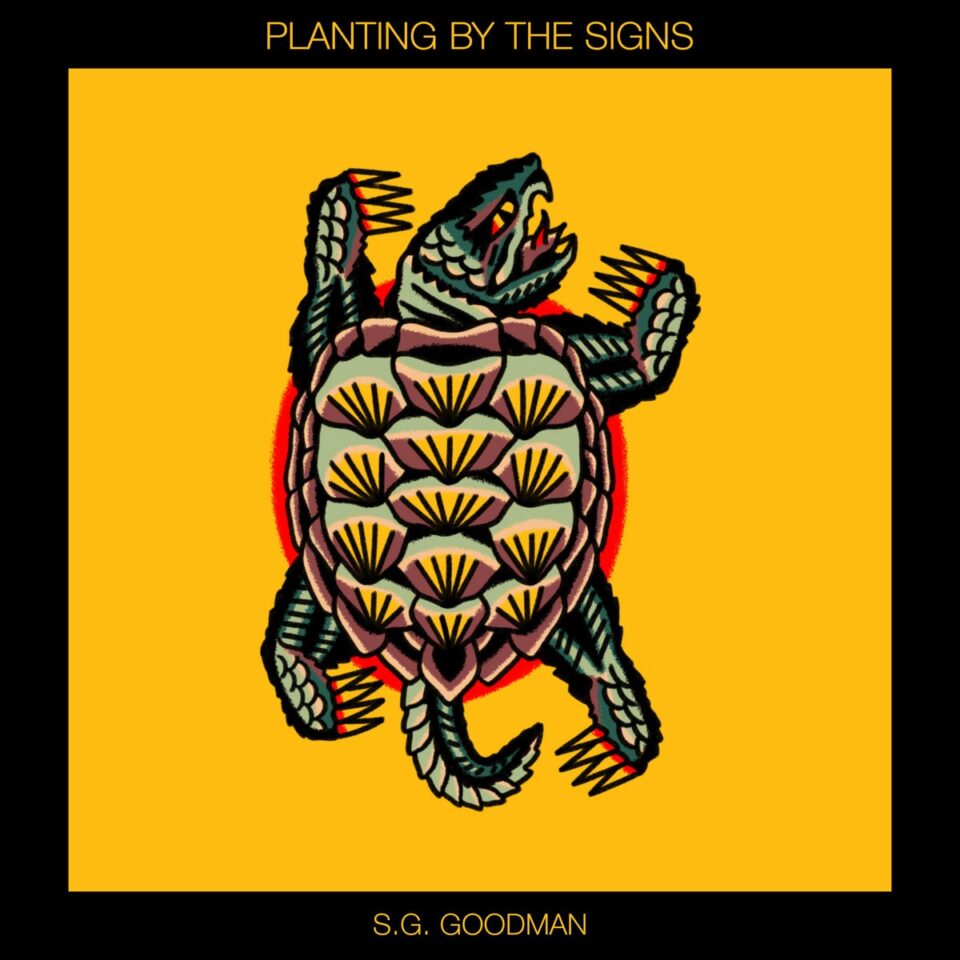
21. S.G. Goodman, Planting by the Signs
The title of Planting by the Signs comes from southern Appalachian folkways, a custom of orienting life cycles by the moon that S.G. Goodman grew up with in Western Kentucky and rediscovered in the Foxfire books. The record is a rumination on that ritual reconnection to nature, and what to do when ritual itself seems futile. Marked by the deaths of her mentor Mike Harmon and her beloved pet dog, as well as the reconciliation with her former collaborator Matthew Rowan, Goodman navigates grief and renewal in her lyrics—and, like in nature, these seeds grow in wild and sometimes surprising shapes. There’s a stroke of righteous fury on lead single “Snapping Turtle,” but a wistful serenity permeates the Bonnie “Prince” Billy duet “Nature’s Child,” written by Asheville songwriter Tyler Ladd. Woven through it all is a sense of community: as a balm, as a shelter, and as a fortifying force. When Goodman cries “I have seen the light” on “Michael Told Me,” she’s not preaching—she’s witnessing the redemptive power of our connection to each other. — Annie Parnell
Read our interview with Goodman about Planting by the Signs here.
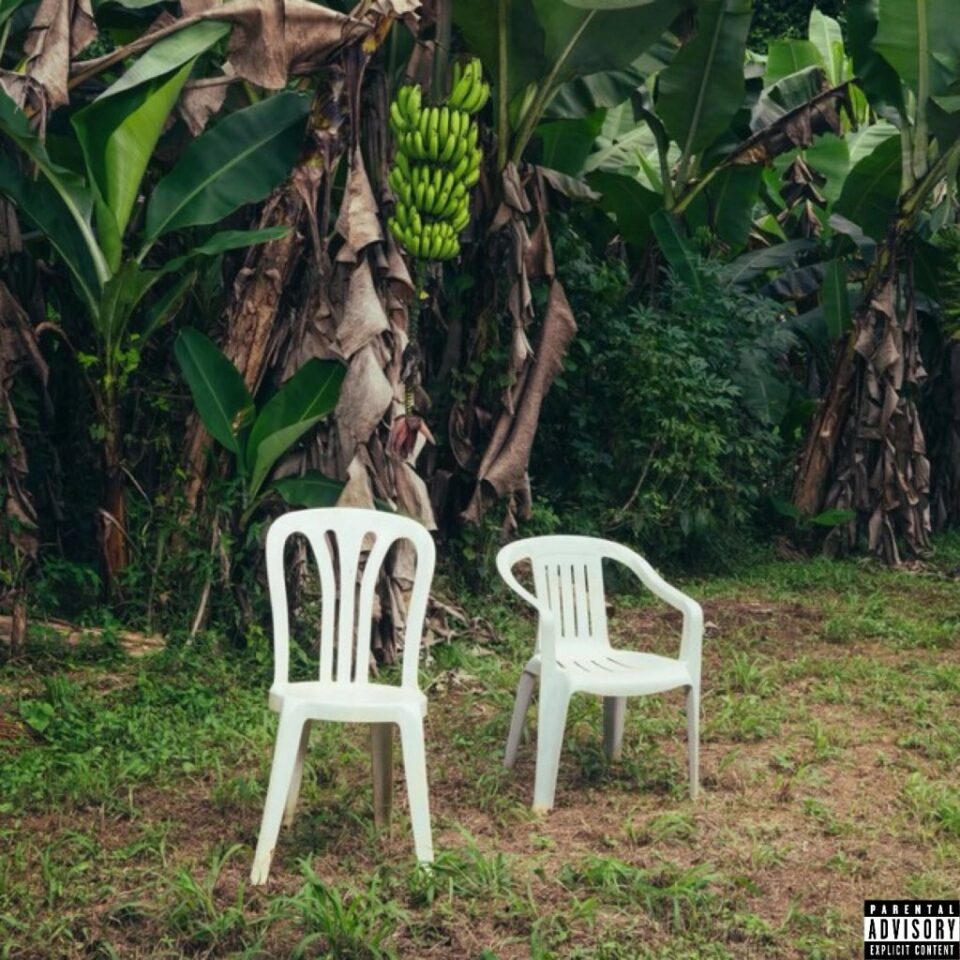
20. Bad Bunny, DeBÍ TiRAR MáS FOToS
Dabbling with traditional Puerto Rican sounds through a lens of modern pop, DeBÍ TiRAR MáS FOToS is Bad Bunny’s creative opus. The trap-infused beats Benito has become known for are muted here, with reggaeton, salsa, and plena rhythms taking over—there may even be a soca influence detectable on “DtMF.” Benito pioneers a pleasingly nostalgic Latin sound on his latest record that infuses Boricua music and culture with a dash of self-discovery in song form. It’s also no coincidence that he dropped the album on January 5, nearly coinciding with the anniversary of the Comité Revolucionario de Puerto Rico, a revolutionary group who fought for independence against the former colonial power Spain (salsa itself possesses a subversive nature—a rhythmically festive genre, but one lyrically concerned with overcoming pain). Its politics are evident throughout the lyrics, with songs like “TURiSTA” and “BOKeTE” exploring neoliberalism’s destructive grip on Puerto Rico, resulting in a crumbling infrastructure, gentrification, and rampant inequality. Although DTMF is Puerto Rican at heart, Benito also can’t help but play with elements of hip-hop. It’s just another among many layers on a profound album that subversively plays with revolutionary ideas and genre while still leaving room for bangers. — Juan Gutierrez
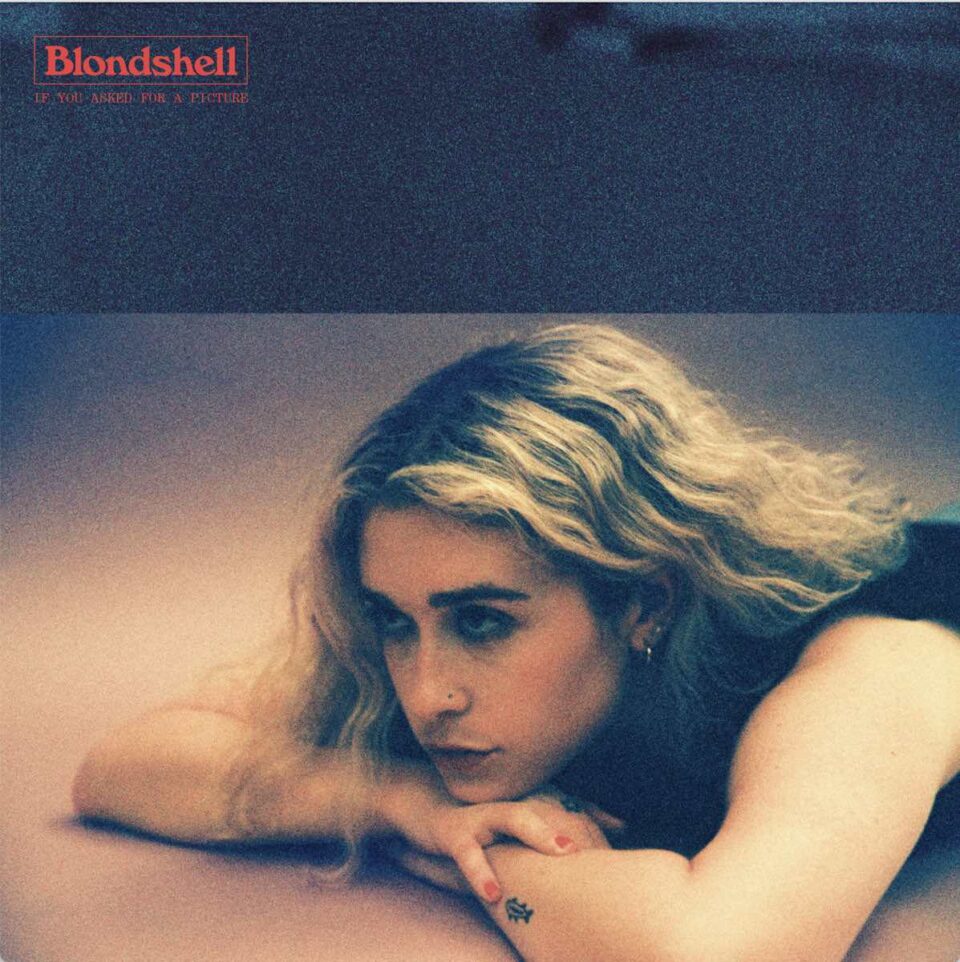
19. Blondshell, If You Asked for a Picture
The music of Blondshell is generally disarming and quietly subversive, but noisy and tough when she needs it to be. If You Asked for a Picture is Sabrina Teitelbaum’s second album, and is a stirring follow-up to her brilliant 2023 debut. Drawing on life experience, she sings of small dramas and again presents herself as a fearless explorer of the deep end. The record reunites her with producer Yves Rothman, who arranges evocative layers of feeling and indie-rock guitar noise without overwhelming the human heart underneath (there’s even a hint of The Cure on “Toy”). The words are sharp and biting, her delivery yearning and conversational, as Teitelbaum deals with heavy subjects as internal monologue rather than primal scream. Opening track “Thumbtack” starts with the pure jangle of acoustic guitar, bright and hopeful, set to a Fleetwood Mac beat, as her voice grows more urgent, singing to an imperfect lover. As ever, she sings from a place of calm amid the chaos of life and human relationships, catching her breath as the world closes in. “What’s Fair” is a chronicle of a difficult relationship between a daughter and mother, and “Two Times” questions the value of a romance that lacks conflict. Elsewhere, Blondshell is lovesick, or sometimes just sick of you, or vaguely unsatisfied and confused, and needing your company just the same. — Steve Appleford
Read Blondshell’s track-by-track breakdown of If You Asked for a Picture for FLOOD here.
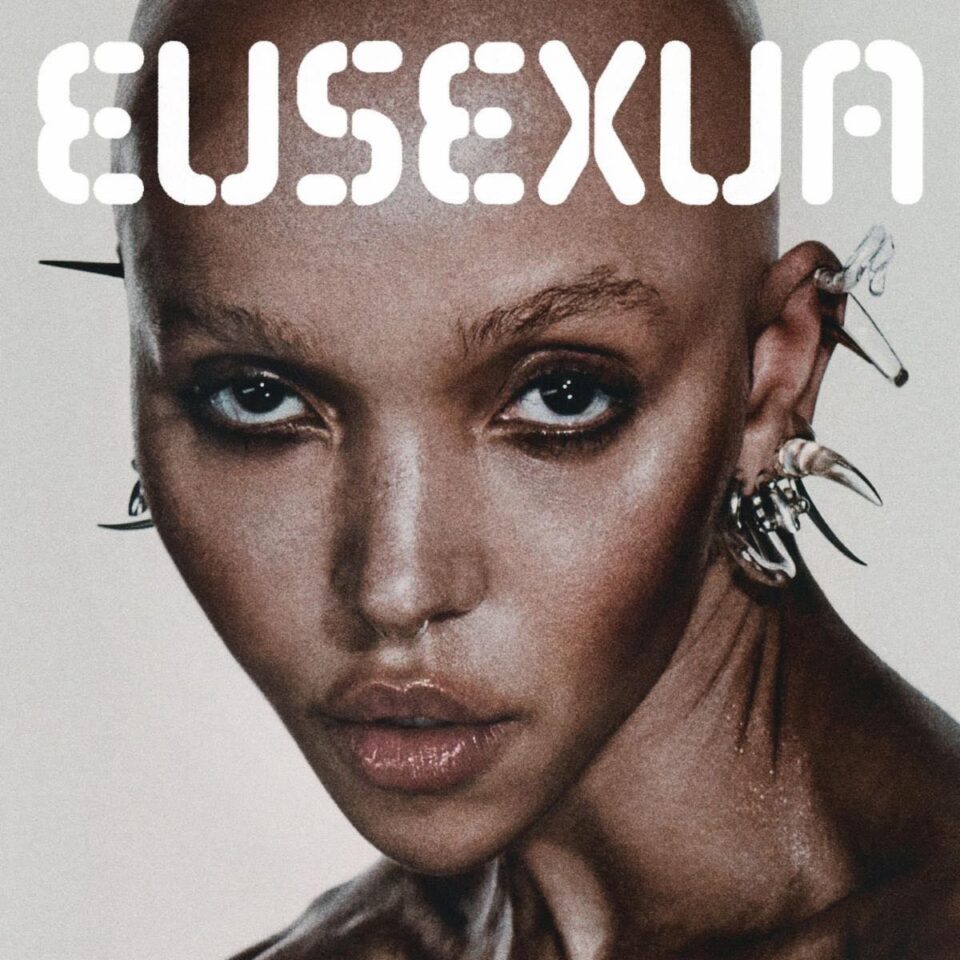
18. FKA twigs, Eusexua
On her first studio album in five years, FKA twigs goes high-concept, as always. Eusexua is avant garde pop, soul, and EDM, but is never bound by genre. The title is her collision of “euphoria” and “sexual,” and is meant to represent “a feeling that transcends human form.” While she gets there with the help of multiple ace producers, it’s the singular voice and vision of twigs herself that defines every moment. In some ways, this is a club record, though her impulse for the experimental and deeply felt leads her far beyond the dancefloor. The album opens with the anxious title track, her vocal aching and alluring: “Do you feel alone? / You’re not alone.” The track kicks into a dazzling techno beat at the halfway mark, then slows again, leaving room for a whispered admission: “I was on the edge of something greater than before / But nobody told me.” She sings with breathless urgency on “Perfect Stranger,” the most accessible and stripped-down track of the album, and it still has the feeling of what’s next. A genuine post-genre artist, twigs can’t help herself, collating the fragments of culture to her own ends. She’s a rare talent, and maybe another in the lineage of art-pop alchemists that includes Björk, Bowie, and Prince. Like the best of those icons, Eusexua is designed to soothe and provoke. — Steve Appleford
Read our review of Eusexua here.
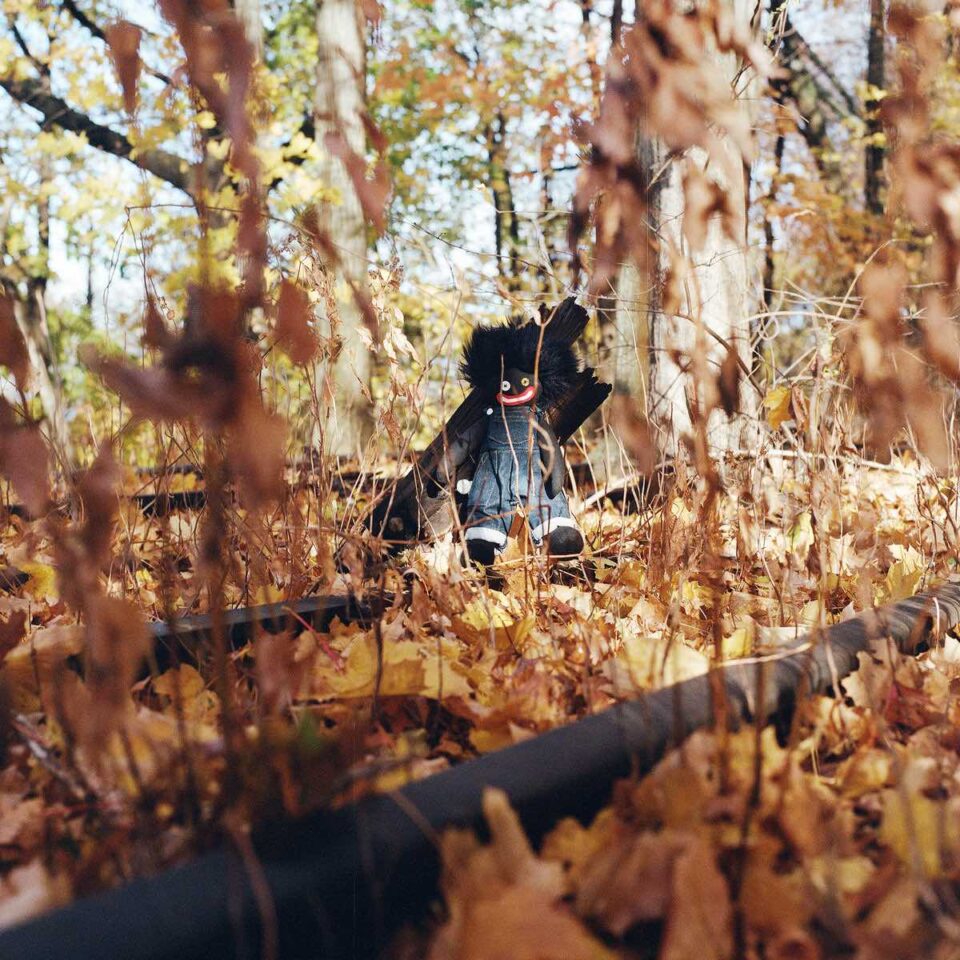
17. billy woods, GOLLIWOG
The greatest horror stories are the ones we’ve collectively lived. As an experimental rapper who doesn’t follow a beat so much as he exhaustively mines desolate caverns of sound, billy woods is especially well-suited to rummage around this idea. His off-kilter flow refuses the simple catharsis of predictable rhythmic impact, requiring the listener to focus our ears in a similar way to how our eyes scour a horror film’s dark frames for any figures lurking in the abyss. Even in a career full of unshakably heavy bars, the compounding effect of GOLLIWOG feels like being slowly pressed, Giles Corey style, never a moment of respite as the record walks an uncompromisingly bleak march through histories of racism, grief, and state-sponsored violence. In the misophonic overload of “STAR87” or the haunting minimalism of “Waterproof Mascara,” there’s nowhere to hide from the brutal realities woods combs through. But where GOLLIWOG excels as more than an exercise in disconsolate negative space is its affecting place as a sustained mood piece, an album where it’s disarmingly clear that woods is uttering every crushing word only because each is so deeply felt. In the somber “All These Worlds Are Yours,” there’s a palpable ache in how he reflects on witnessing fatal violence on the other side of the world, laying bare the helplessness of those killed by oppressive forces. And what’s scarier than knowing there are pockets of the world where those very real terrors lurk? — Natalie Marlin
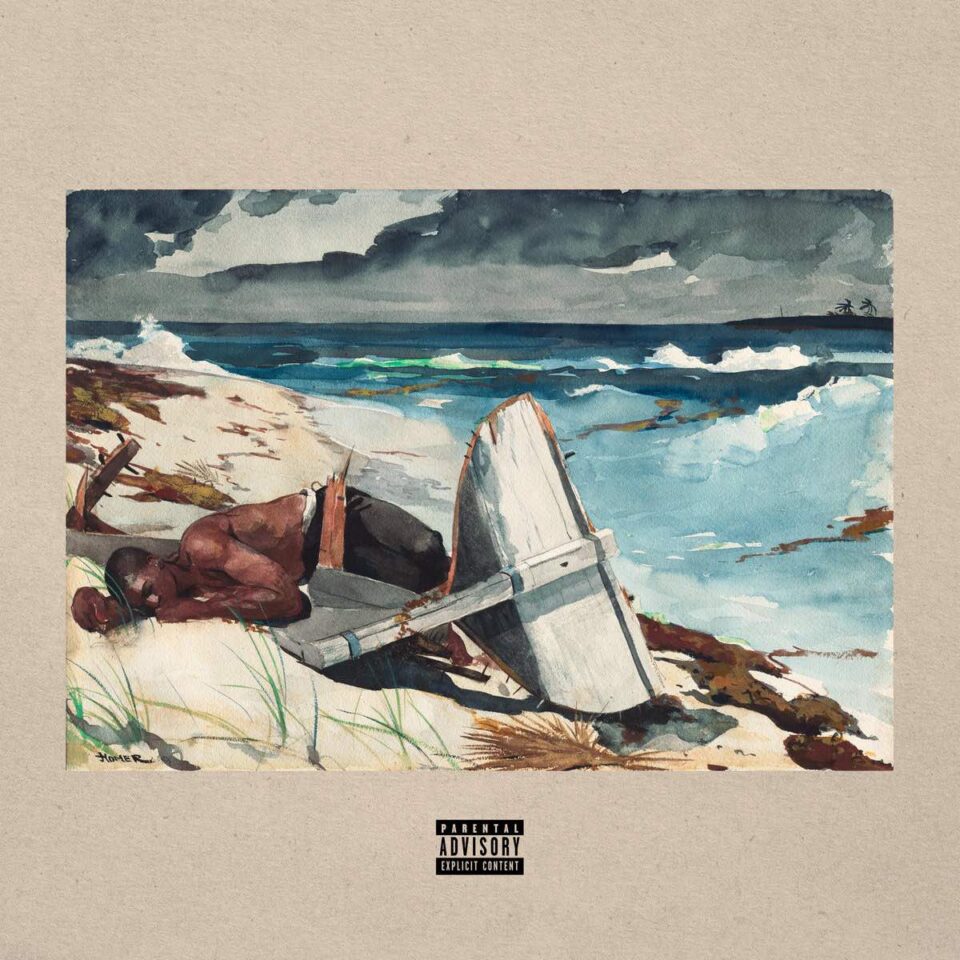
16. Ghais Guevara, Goyard Ibn Said
It’s hard to shake the end-of-an-era feeling that hits when a rapper caps off a series of increasingly compelling mixtapes with a proper label debut—in the case of Philly emcee Ghais Guevara, an outpouring of post–Shaun King renegade-leftist shit talking backed by Spongebob samples, which will now require approval from the one-time Southern blues indie label Fat Possum. Yet rather than creatively stifling Ghais, Goyard Said Ibn manages to expand upon the young rapper’s repertoire via a formal two-act story that still finds plenty of room to poke fun at the concept of such structuring in its interludes. These 16 tracks bounce between the sounds of rowdy, bass-pulsing live rap shows and something considerably more refined, as heard on the classically styled drumless duet with McKinley Dixon “The Apple That Scarcely Fell” (also, is that Squidward I hear?). Most notably, though, Ghais sounds more confident than ever as a vocalist, with the light modulation on “4L” and the natural flutters on “3400” providing two of the record’s most memorable moments outside of its relentless wordplay and wholly unique beats, mostly self-supplied. It’s hard not to be excited about the beginning of this new era—though, as Goyard’s closing statement confirms, it’ll be one that’s just as incisively unfiltered. — Mike LeSuer
Read our interview with Ghais Guevara about Goyard Ibn Said here.
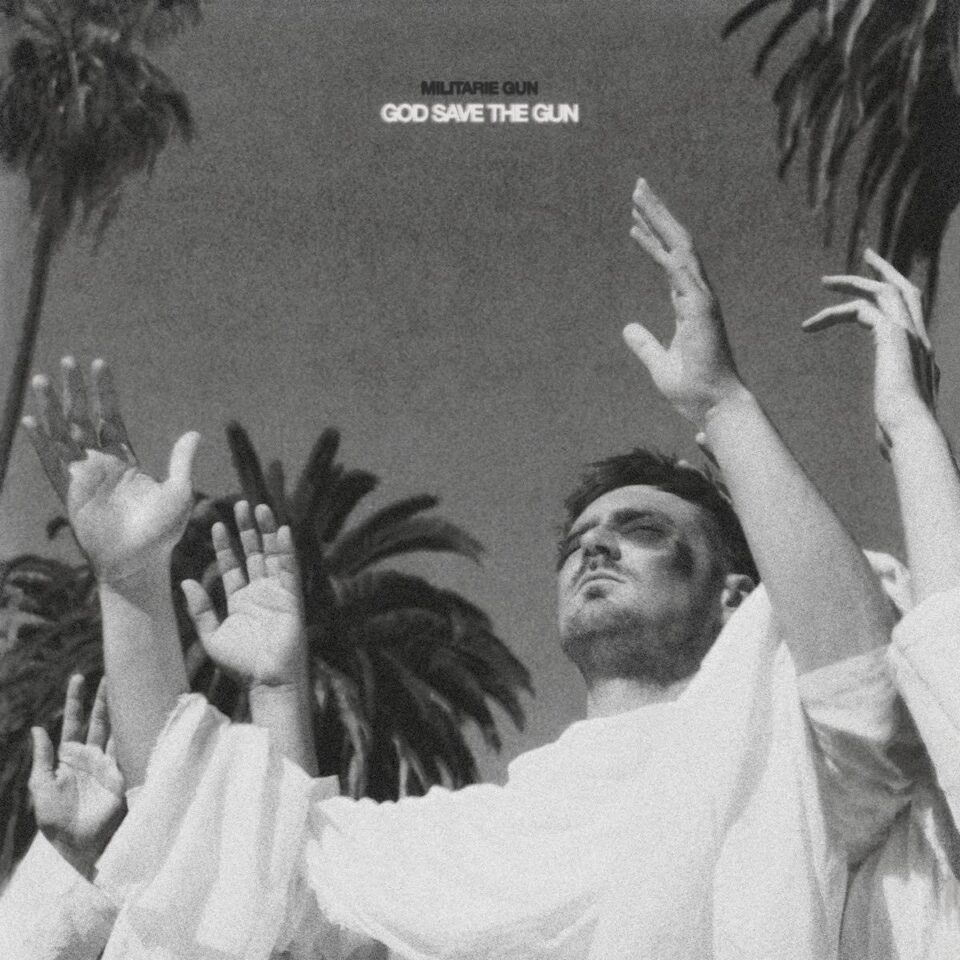
15. Militarie Gun, God Save the Gun
Militarie Gun frontman Ian Shelton has never really sounded all that hinged, but on God Save the Gun, he practically revels in his own depravity. “Put me in the trash,” he sings proudly on “Throw Me Away,” the pummeling drums and wallop of a chorus seemingly there to beat the singer black and blue. It’s the most prevalent theme of the band’s second proper studio album, one that’s intent on looking inward with a ferocity both playful and almost unbearably intense. Nowhere is this more evident than on “God Owes Me Money,” a song which might sound cheeky but is, with its depiction of childhood abuse, downright brutal in its bare-metal vulnerability. “I’ve been drunk every day for a month, I learned from you and mom,” Shelton sings later on the surprisingly restrained “Daydream,” unafraid to assign blame even among all the self-flagellation. Even so, God Save the Gun is a genuinely ecstatic record, a pure stank face of infectious hooks, call-and-response vocals, and wiry riffage. Even its dourest moments find an almost rapturous form of release. Like the open-handed shaman of its cover, Militarie Gun imagines a world where even the death cult of The Gun might put together a few fun group meals and a movie night or two. — Sean Fennell

14. Stereolab, Instant Hologram on Metal Film
Stereolab’s career is as amorphous as a lava lamp: always moving and reforming itself within its electronic-pop and post-rock chemical miasma. After taking a decade-long break following 2010’s Not Music, the Groop gravitated back together in 2019, with the newly released retro-futuristic result Instant Holograms on Metal Film blasting toward the year 2030 in a flying car. Guitarist Tim Gane and vocalist Laetitia Sadier have always kept things fresh by mixing and matching genres like alchemists, and this bubbling record is no slouch on the science of musical style. Stereolab’s motorik machinations rarely chill out on Instant Holograms. One of the album’s many main events is “Electrified Teenybop!” with its ebullient and Francophilic production and infectious jazzy-rock strut. “Aerial Troubles” slots into its UFO vibes early and often for the Stereolab faithful, while the rest of the record flies in all kinds of directions that still feel cohesive. Modern synth-pop can be so attached to ’80s pop excess, but Stereolab’s rich influences are measured in more than simple genre mashups. The veteran group maintains relevance in the ever-evolving world of electronics due to their unwavering attention to the grooves. They run each new album like a madcap experiment in outer space. — Kyle Lemmon
Read our review of Instant Hologram on Metal Film here.

13. Deftones, private music
Much has been said about the new generations of fans that Deftones continues to welcome into their fold, however the emotional scale and cosmic scope of these 11 new tracks suggest eternal, borderline Biblical powers. While private music is as sharp and pared-down to its essentials as the band’s previous full-length, it never sacrifices impact in favor of concision—these songs target the soul but annihilate the flesh, as well. Roiling, swaying lead single “My Mind Is a Mountain” teased this seemingly effortless harnessing of brute yet ever-beautiful force. Follow-up single “Milk of the Madonna” is lighter on its feet, possessing ecstatic momentum that will leave no believer in doubt that this 30-plus-year-old band retains their full-throttle powers. Beyond familiar heavy-gaze delights, Deftones find plenty of time to burrow deep inside your heart. The album’s high point is “Infinite Source,” a gorgeous track that captures everything that makes this band endearing. Moreno’s imagistic lyrics seem to reference the band’s deceased former bassist, Chi Cheng, but you can transplant any potent feeling you want onto poignant lines like “Raise your glass high / Here’s for the dreams, a thousand years / Face the crowd, keep holding me / Close and tight.” As such celebratory lyrics detail, private music feels like Deftones have come up with a greatest-hits collection comprised of all-new material. It might not take the band in any new directions, but they’re already floating around in the cosmos. — Tom Morgan
Read our review of private music here.
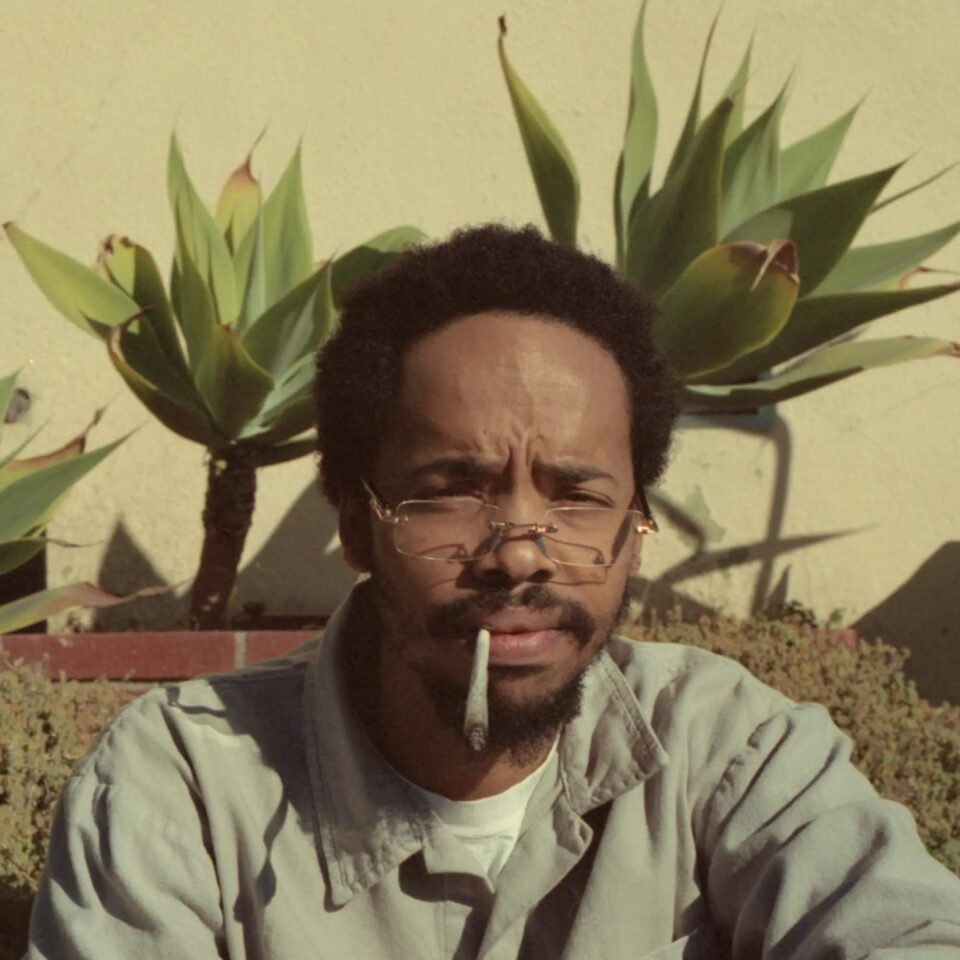
12. Earl Sweatshirt, Live Laugh Love
Earl Sweatshirt’s penchant for sarcasm and wordplay is unmatched. As far back as his Odd Future days it was apparent who he was and who he’d become; he just hadn’t figured it out himself. On Live Laugh Love, we get an older, wiser Thebe Kgositsile who’s no longer an apprentice of the game, but a full-on master. The album’s title is both sardonic and sincere in an Earl-Sweatshirt sort of way—superficially comical, but hinting at a deeper meaning. To fully appreciate it, you have to dig deep into his lyricism beyond the nostalgic underground-rap production which matches Sweatshirt’s state of reflection. The album is interestingly esoteric with its references to astrology and tarot: He pulls the Eight of Cups, discovering his greater purpose (fatherhood), and later declares, “I’m a Pisces, part of me still in the void,” speaking both to his battle with depression and Pisces’ connection to the unconscious. On the surface, we hear the typical braggadocio wordplay we come to expect in hip-hop, but on closer examination, we get a portrait of the trials and tribulations of a new father reflecting on everything he’s overcome, ready to give back the knowledge he’s earned from living his life. — Juan Gutierrez

11. Lily Allen, West End Girl
You don’t need to have gone through betrayal followed by a brutal divorce to relate to Lily Allen’s brilliant new breakup album. Her first new record in seven years, West End Girl is a work of autofiction, although it seems little of what she’s narrating about her now-dissolved marriage to actor David Harbour is fictionalized. Allen takes the listener through her experiences in her patented sweet tones. Charming and laced with sardonic humor, these pop confections—chiming and twinkly—recall the early bops that put her on the map in the mid-’00s, cushioning the devastation she so casually imparts. Told matter-of-factly, West End Girl starts positively, recounting Allen’s family’s move to New York. But even before the first song is over, the relationship unravels. She talks about the pitfalls of an open marriage when she discovers that her husband’s paramours are not detached and faceless (“Madeline”), a colorful text history (“Tennis”), and the incriminating contents of a Duane Reade shopping bag—“butt plugs, lube, sex toys”—on the infectious “Pussy Palace,” named after what she thought was a dojo. West End Girl sounds like a musical fairy tale until you listen to what she’s actually saying. The world is more than ready for her honest and unapologetic real-life narratives once again. — Lily Moayeri
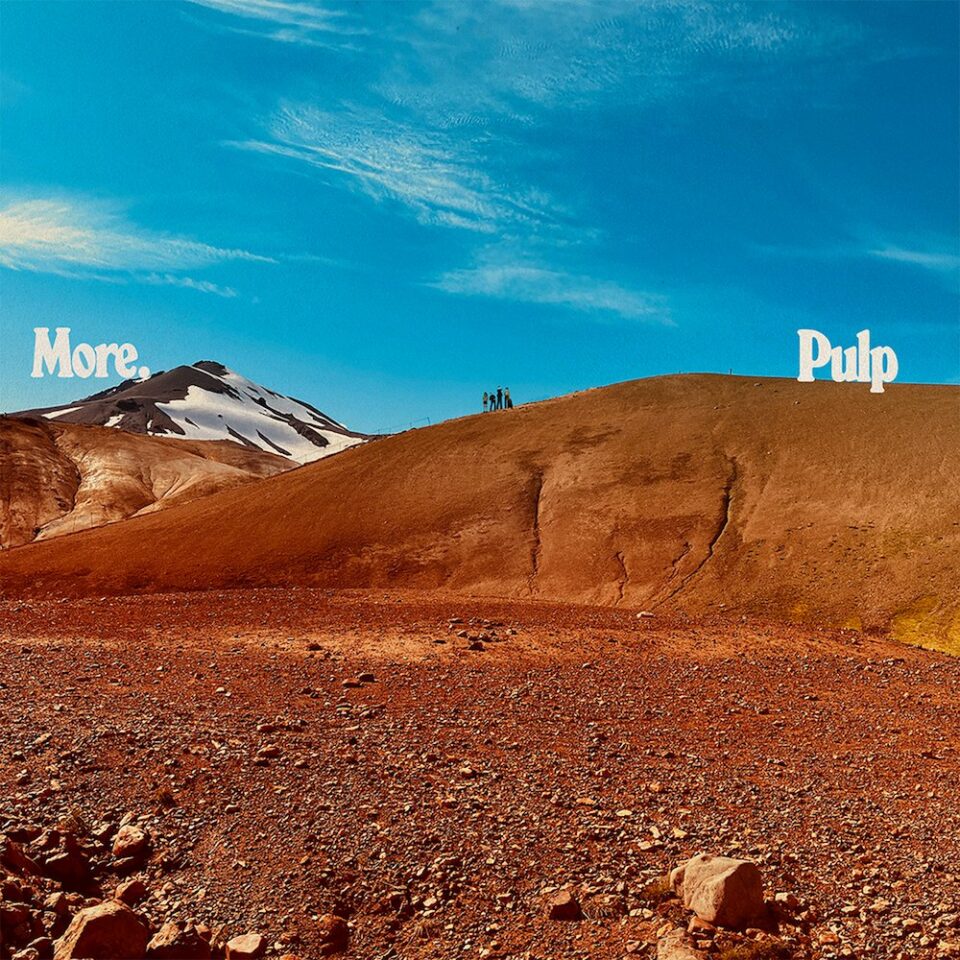
10. Pulp, More
Artists who saw their biggest success three decades ago are enjoying a genuine renaissance—though few more triumphantly than Pulp. Their sublime new James Ford–produced album More arrives 24 years after their last full-length, We Love Life, and stands as arguably their strongest work since the iconic Different Class from 1995. Primary songwriter Jarvis Cocker remains a master of narrative lyricism, pairing sly wit with poignant observations about life’s smallest details and heaviest burdens. Now nearing senior-citizen status, his musings carry the ache of aging, tempered by the clarity of experience, all of which is delivered with his signature sauciness. Reflecting the album’s maximalist title, Cocker and core bandmates Mark Webber, Candida Doyle, and Nick Banks have expanded to a nine-piece, incorporating strings, electronics, and auxiliary percussion. These additions fill out the band’s live sound and elevate More, lending the album a richness and polish that’s as sleek as Pulp has ever sounded. From the Bowie-esque grandeur of “Partial Eclipse” to the disco-Western flair of “Got to Have Love,” the wistful “Spike Island” to the cheeky, self-referential “Tina,” Pulp are back with a vengeance—and how we’ve missed them. — Lily Moayeri
Read our review of More here.
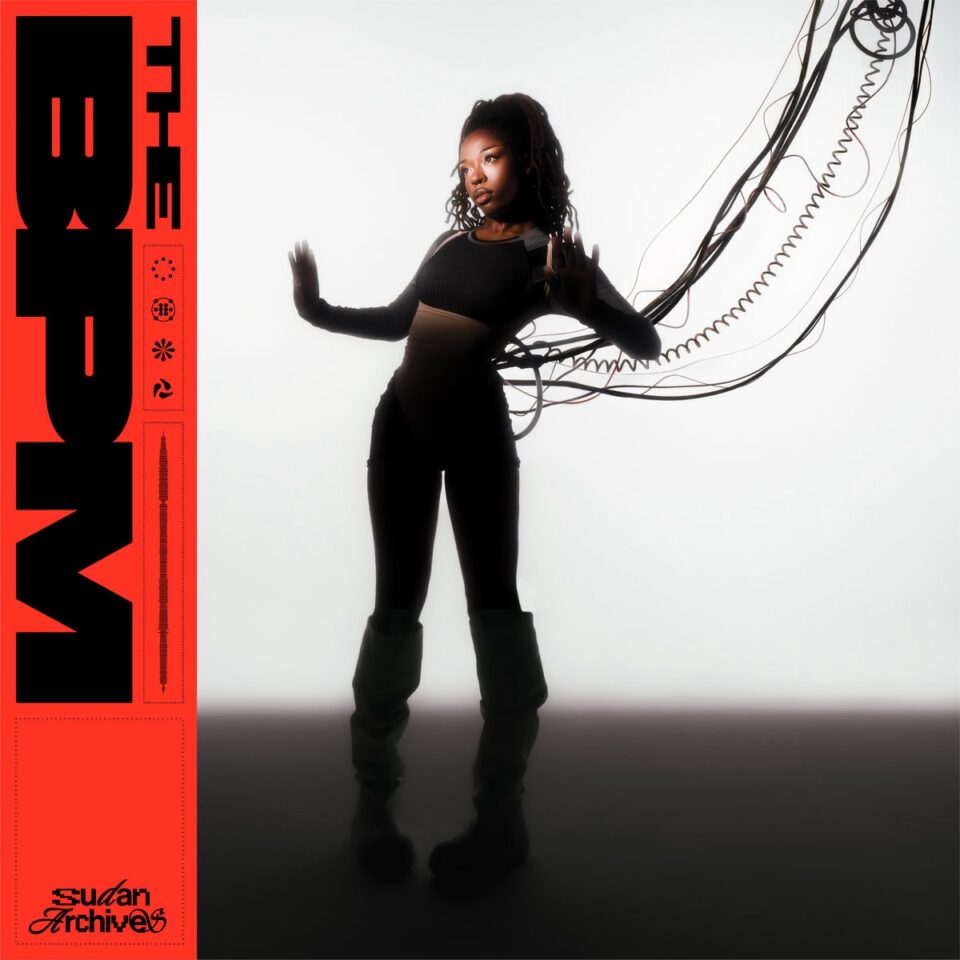
9. Sudan Archives, The BPM
The BPM is one of the most intriguing electronic records released this year, mixing Sudan Archives’ uncompromising and dynamic vocal flows with pulsating beats that range from the cinematic to dancefloor-set euphoria. Opening track “Dead” blends birdsong with futuristic beats and orchestration to create a vibrant and utterly breathtaking sound, the type that sparks the imagination to life. There’s a clash all throughout the record between the natural and synthetic, further exemplified on tracks like “A Bug’s Life” and “The Nature of Power.” Despite the overarching pop structure of the album, Archives dips into house music and engrossing techno beats all under the umbrella of pulsating, unrelenting energy. Standout “My Type” not only features the coolness and propulsion that presides over the rest of the record, it also boasts the type of chorus that should be chanted at live sets and greeted by cheers when heard at club nights. It has all the markings of a truly great pop song. The BPM is a thrilling album that’s so immersive that you struggle to turn your attention away. It’s meticulously crafted, with crystal-clear production that ensures that these songs will become embedded in your consciousness. It’s a fascinating listen that can’t be underestimated, as well as a complete thrill ride—a burst of acceleration that sweeps you up entirely. . — Matty Pywell
Read our review of The BPM here.
8. Wednesday, Bleeds
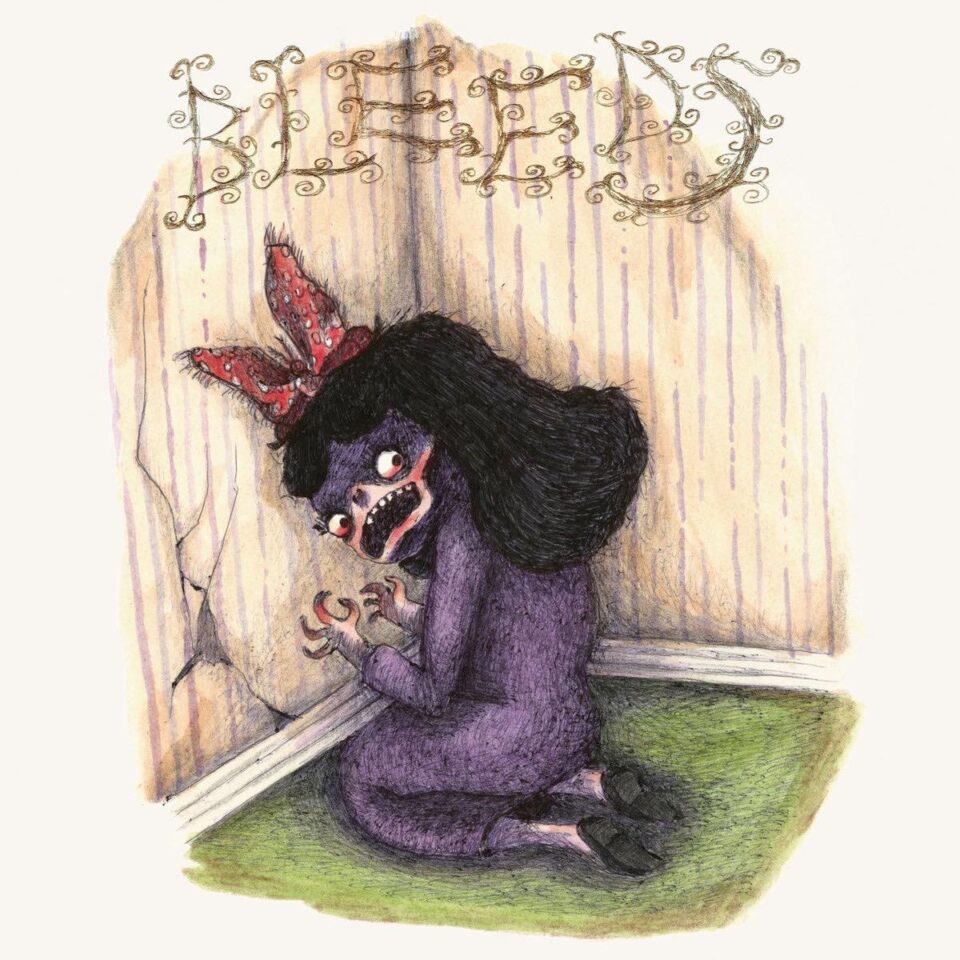
Some bands excel at conjuring big feelings and epic ideas—think your U2s and your Coldplays. Others make a strong impression by getting the little details right. Bleeds is Wednesday’s latest and greatest, a masterful conjuring of time and place, regional vernaculars, and lived-in textures. Part of their ear for detail is sonic. Bleeds plays like a perfect cross-section of music you might hear in rural, small-town USA without ever feeling like a pastiche. When the band cranks up their amps (which is often), they specialize in the kinds of bruising rock and roll that’s been a jukebox staple ever since the grunge era. When they pivot to pedal steel and twanging acoustics, it’s to play country music pitched midway between the back porch and the honky-tonk. When they get weird and funky, as on “Phish Pepsi,” it sounds wonderfully deep-fried and crunchy. The affinity for detail also extends to the words of Karly Hartzman, an apt chronicler of intimacy in its various forms. The album starts with one lover picking ticks from another, a scene that’s tender and gross in equal measure. On other songs, bodies pile up fast—Hartzman recalls a live-streamed funeral, vending machine snacks after a wake, a classmate’s body fished out of the lake. In the Wednesday songbook, death and loss are everyday affairs; in “Wound Up Here (By Holdin On),” they craft a signature anthem for white-knuckling through life’s travails. Sometimes perseverance can be the only virtue you can muster. Wednesday captures that feeling all too well. — Josh Hurst
Read our review of Bleeds here.

7. PinkPantheress, Fancy That
At barely over 20 minutes, Fancy That is a caffeinated high that teeters on the edge of an acute anxiety attack. PinkPantheress’ UK garage and jungle lexicon is swift and vibrant, dotted impeccably here with ad-libbed samples and melodies that elevate these tracks to euphoric peaks. She’s precise with every song’s slight shifts, interrupting lush strings and high-speed drumbeats on “Noises” with a “What the fuck is that?” from Nardo Wick’s “Who Want Smoke??” or shifting gears from plush vocals to straightforward monologue on “Nice to Know You.” Pink knows exactly how to break a beat up to set off a different kind of dopamine hit, bottling up the sleek magic of guileless, late-night exhilaration on that former track as it shifts from flickering, fluorescent breakbeats to a juvenile sense of panic that the night will end once her parents walk through the door. Her satiny vocals never sag with unease, although her lyrics—paired with heart-palpitating drumbeats—suggest she’s doing everything to keep her cool. “I’ve suffered quite a few times with paranoia,” she admits on the sugary diss track “Illegal.” That suspicion still lingers on “Noises” when she sweetly asks, “Am I hearing things, or is that someone there?” Fancy That is brimming with cute thrills. The stakes aren’t high, but there’s a possibility that anything can happen. — Margaret Farrell
Read our review of Fancy That here.
6. Hayley Williams, Ego Death at a Bachelorette Party
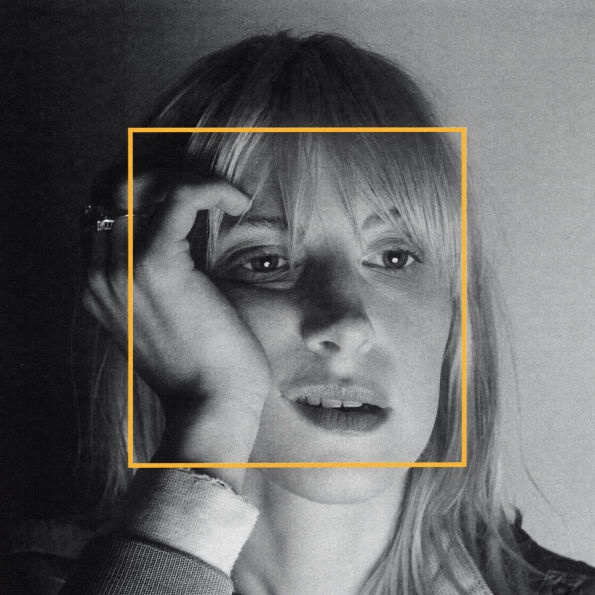
The title track of Hayley Williams’ surprise 2025 album Ego Death at a Bachelorette Party is, from one angle, kind of a curious song from an artist who’s been in the limelight since she was a teenager. Co-written with pop songwriter and producer Daniel James, “Ego Death at a Bachelorette Party” skewers delusions of grandeur over a mellow, minor-key groove, a reminder to self that there’s “No use shootin’ for the moon / No use chasin’ waterfalls.” That makes it the perfect album centerpiece, though, because Ego Death is about constantly recreating yourself—the highs, the lows, and the exhaustion of it all. Williams explores this on a granular level through lyrics like those heard on “Ego Death” and in subject matter like that of the antidepressant ode “Mirtazapine”—and, from a broader scope, through the album’s eclectic mix of genres (or, occasionally, its rejection of them). Often, her writing feels ripped from the pages of therapy sessions: “Now I understand how you feel abandoned,” she eyerolls at the start of “Disappearing Man”; “Carrying my mother’s mother’s torment,” she repeats on “Kill Me.” She excavates with an expert eye for details that pack a punch, and lays them out over fluid, shape-shifting sounds. One moment she’s harking back to her pop-punk roots, the next she’s leaning into the folk-pop of “Whim” and “Love Me Different,” or the dreamy, synthy “Parachute” and “Dream Girl in Shibuya.” — Annie Parnell
5. Dijon, Baby
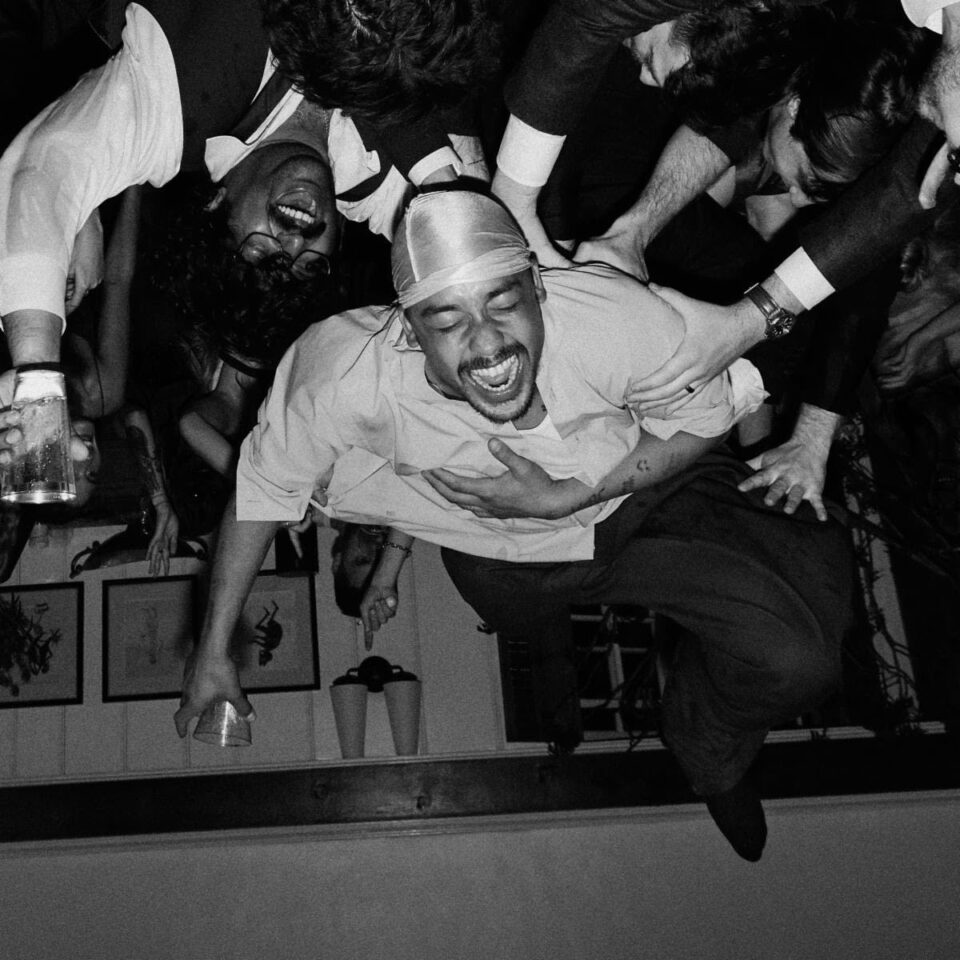
You know those time-lapse videos of flower petals bursting open, with colors filling the screen and shadows stretching out of nowhere? That’s what Dijon’s Baby sounds like. It’s an overstimulation of texture and sensation, a collage of sounds that captures the rawness and intensity of something waking up for the first time. The album feels animated, hand-drawn in movement—it’s bold and restless, but not over-labored. Everything simmers until it explodes. It’s no surprise that Baby emerged from a frustrating period of writer’s block, as you can hear its creator clawing at the walls, making new exits. These 12 tracks feel like revelations, a series of small epiphanies stitched together that each find beauty in unlikely, messy places via the smooth caress of acoustic guitar, the sharp stab of piano keys, a warped bouquet of voice samples melted into new shapes, or the squirm of baby gibberish. Dijon treats each sound like a living thing he can coax into another form, inviting the emotions to swell and expand. There are no limitations here; if a moment doesn’t feel right, we can rewind and do it again, louder and stranger. Dijon makes songs like he’s in love with the act of feeling itself. “I might make the human connection,” he sings at one point. That’s the sound of Baby. It lives in the fringes of emotion, in the shaky space where tenderness meets chaos. And that place—that tremor, that bloom—is an eternal feeling. — Margaret Farrell
Read our review of Baby here.
4. Deafheaven, Lonely People with Power
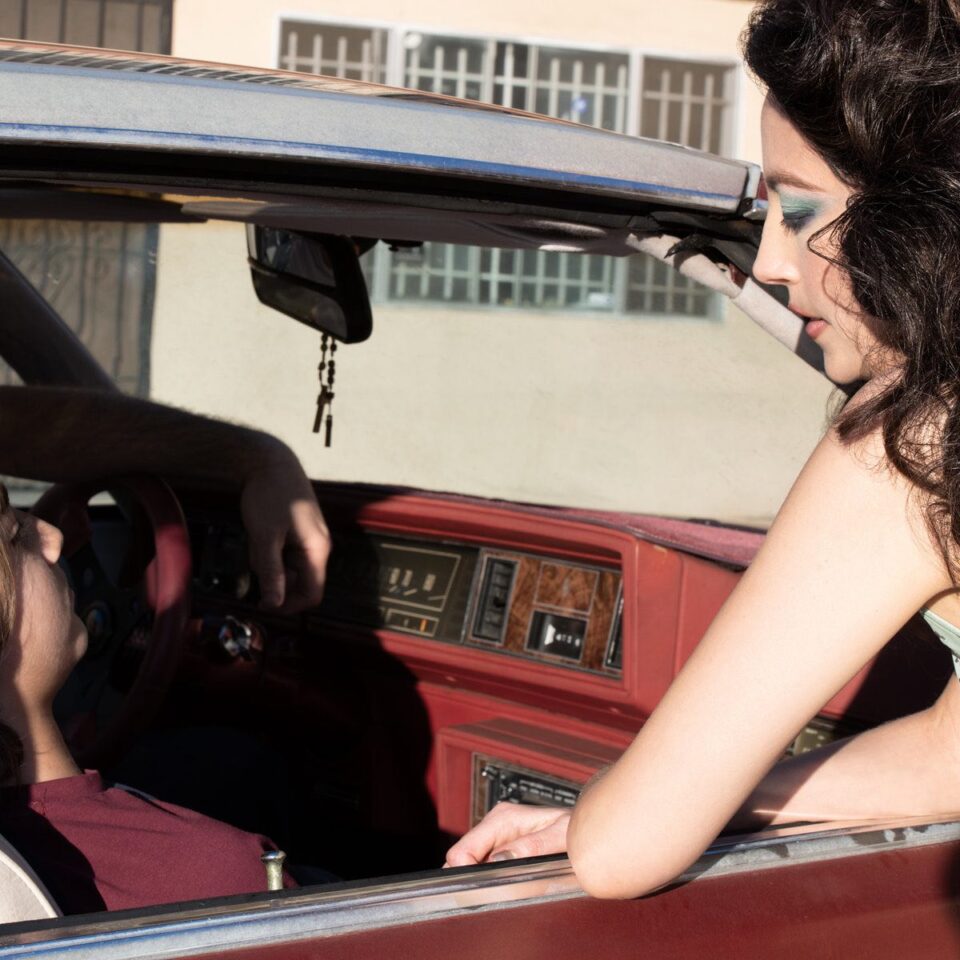
It often strikes me as surprising that Deafheaven have managed such a unique crossover success story for a band that’s still so unapologetically black-metal—but then they release another album. Sure, there are plenty of equally visionary groups that deserve a similar level of success, but few of them are able (or willing) to inhabit the razor-thin center of the Venn diagram between “fully possessed extreme metal” and “opening act for Interpol.” After 2021’s Infinite Granite suggested that the band, like Turnstile, would begin to explore experimental paths leading them away from their harsh origins as their star suddenly rose, Lonely People with Power is an undeniable blend of the pure, vicious strain of blackgaze perfected on New Bermuda 10 years ago with sharp production details most impressively displayed on the record’s “Incidental” tracks, which range from unexpectedly soothing ambient to chilling harsh noise (even as a fan of his band, I may be guilty of having rolled my eyes at a Paul Banks feature, yet his spoken-word interlude is far from shoehorned in). Somehow none of that even begins to prepare you for the final dismount—a new zenith in the movement to fuse the natural pairing of black metal and shoegaze. — Mike LeSuer
Read our review of Lonely People with Power here, and find Deafheaven’s track-by-track breakdown of the album for FLOOD here.
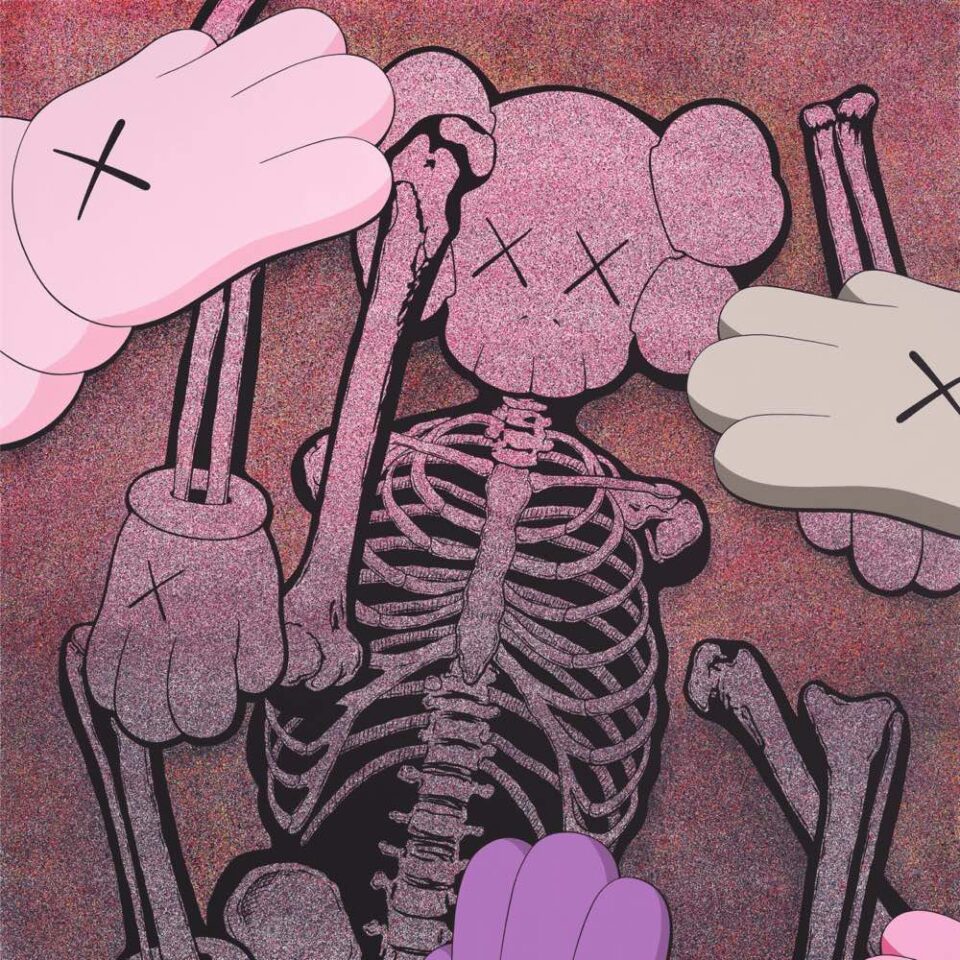
3. Clipse, Let God Sort Em Out
Despite having not released an album since 2009, Clipse’s Let God Sort Em Out sounds as if the duo never stopped recording together. Pusha T and Malice being brothers helps, as did their respective work while apart as Malice distanced himself from the coke rap that helped usher the duo to prominence. Throughout the ethereally produced (by longtime collaborator Pharrell Williams) Let God Sort Em Out, the pair spews venom toward rivals Drake, Travis Scott, and Jim Jones, among others, with barbs peppered with stinging clarity and detailed receipts of their targets’ transgressions. Elsewhere, Malice in particular consistently reflects on the downsides of the drug world (and, tangentially, rapping about it). On “P.O.V.,” he notes the duality of his character and of his loyalties by confessing, “Came back for the money, that’s the devil in me” after a stellar verse from Pusha T replete with the mind-blowing drug-based wordplay that’s remained the bedrock of his work. Yet Clipse shine brightest on “The Birds Don’t Sing,” which features Pusha T rapping about the loss of his and Malice’s mother, while Malice reflects upon the passing of their father. It’s an homage to all that their parents provided for them, channeling the guilt that the duo feels by letting them down. Plenty to sort out, indeed. — Soren Baker
Read our review of Let God Sort Em Out here.
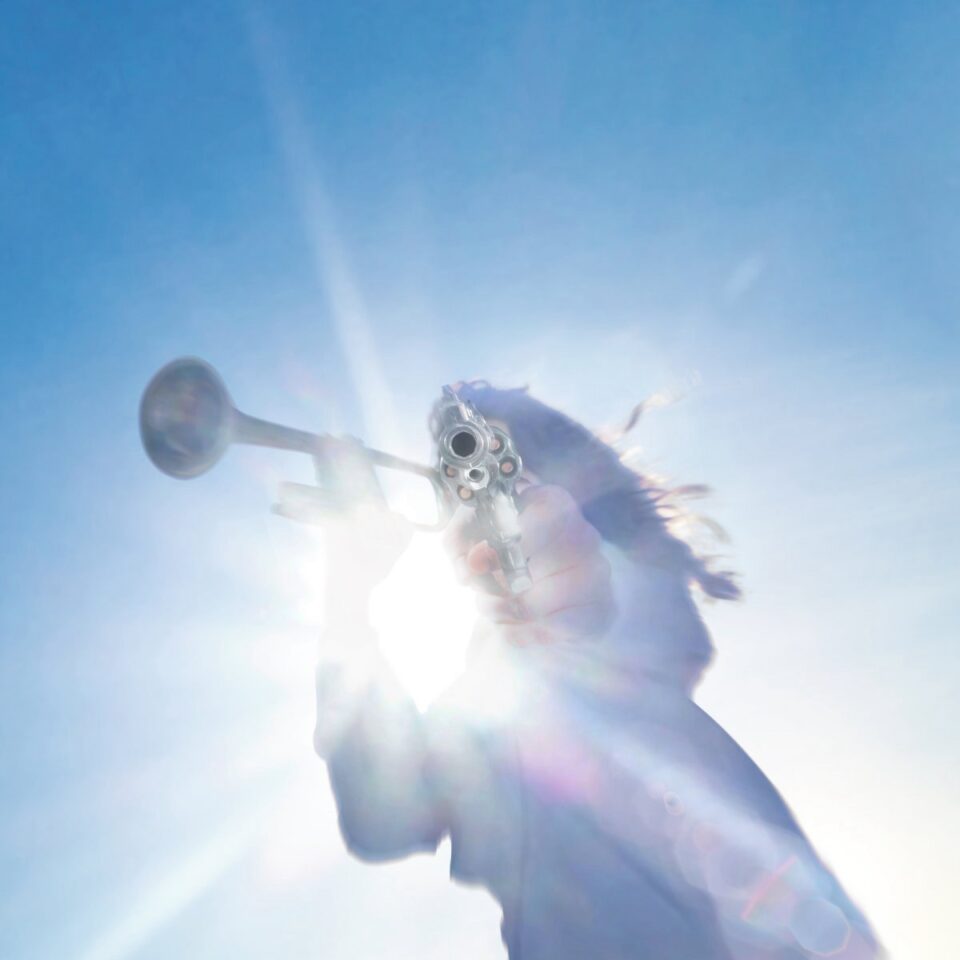
2. Geese, Getting Killed
It’s difficult to remember the last time a guitar-based rock band made the same kind of ripples that Geese made this year. It’s not difficult at all to hear what makes them so special. Striking just the right level of earnestness and cool detachment, Geese assume their place in a long line of New York hipster-weirdos: The Strokes, Television, even Lou Reed. Yet in the way their clattering rhythms and cryptic lyrics capture modern anxieties, they feel made for the moment—prophetic in the same way Radiohead seemed as the internet first gathered steam. If that makes Getting Killed sound like a heavy listen, it is. Frontman Cameron Winter wails and moans about random and shocking acts of violence, about feeling displaced and dehumanized, about families being rounded up for imprisonment. On the title track, he seems to suggest comfort and privilege themselves as their own kinds of prison. But if Getting Killed is a bruising affair, it’s also cathartic and oddly exhilarating. Credit the drums, which, under the guidance of hip-hop producer Kenny Beats, sound thrillingly crisp and punchy. But also credit the guitars—slashing and stabbing one moment, creating block-party funk the next. It adds up to a special record that seems at once deeply reverential to its lineage yet intent on addressing the current day; an album that takes countless familiar reference points and rearranges them into something singular, adventurous, and great. — Josh Hurst

1. Rosalía, Lux
Lux begins with a propulsion that never lets up. Even during the record’s most intimate moments—the ecstatic piano pop of “Sauvignon Blanc,” the lounge-jazz turned chase-scene-soundtrack of “Dios es un Stalker”—there’s an energy that runs through the album like a lightning storm just far enough away to enjoy the show without any fear of harm. For me, Rosalía’s truly awe-inducing, epic approach to songwriting is a salve in the post-irony age. When everything means nothing, Lux stands out as something with ambition, care, desire, and dreams. It’s a genuinely hopeful statement of defiance. The era of not giving a shit has been consumed by AI, and the cynicism that’s plagued much art in the early 2020s now faces a far graver existential threat. Lux is a stunning rebuke of all of that, an album that asks questions and yearns to answer them.
For Rosalía, these mostly revolve around God and love. In an interview with New York Times’s Popcast, she explained about the album: “It has this intention of verticality. Some of our projects felt a little bit more horizontal. A more mundane type of energy.” In that sense, the album reminds me of a particular rollercoaster at Disney’s California Adventure, their signature ride before it closed back in 2018. California Screamin’ was a classic coaster, but it began with a launch that hit almost 60 miles per hour. Instead of a slow build, it smacked you all at once. This is what Lux does, again and again. “Reliquia” begins with a string suite arranged by Caroline Shaw, whose fingerprints are all over this album. It’s a gentle handshake, but like so much of this album, where the music begins isn’t where it ends. “Divinize,” the next track, follows a similar formula with different tools, beginning with the warm and gritty melody of a Rhodes piano before eventually morphing into an electronic composition that sounds like a footwork track recorded underwater. Eventually, the strings return and shoot down from the heavens like a rain machine on a movie set.
It highlights what makes Lux so incredible: Rosalía is pulling pieces from 30 different jigsaw puzzles but finding ways to fit them together. Her mastery of dynamics, restraint, and bombast have always been outstanding, but here she’s more alchemical than ever before. How else can you explain something this grand, robust, and tangible? With Lux, Rosalía has turned ideas into something better than gold; she’s turned them into declarations of humanity. — Will Schube
