
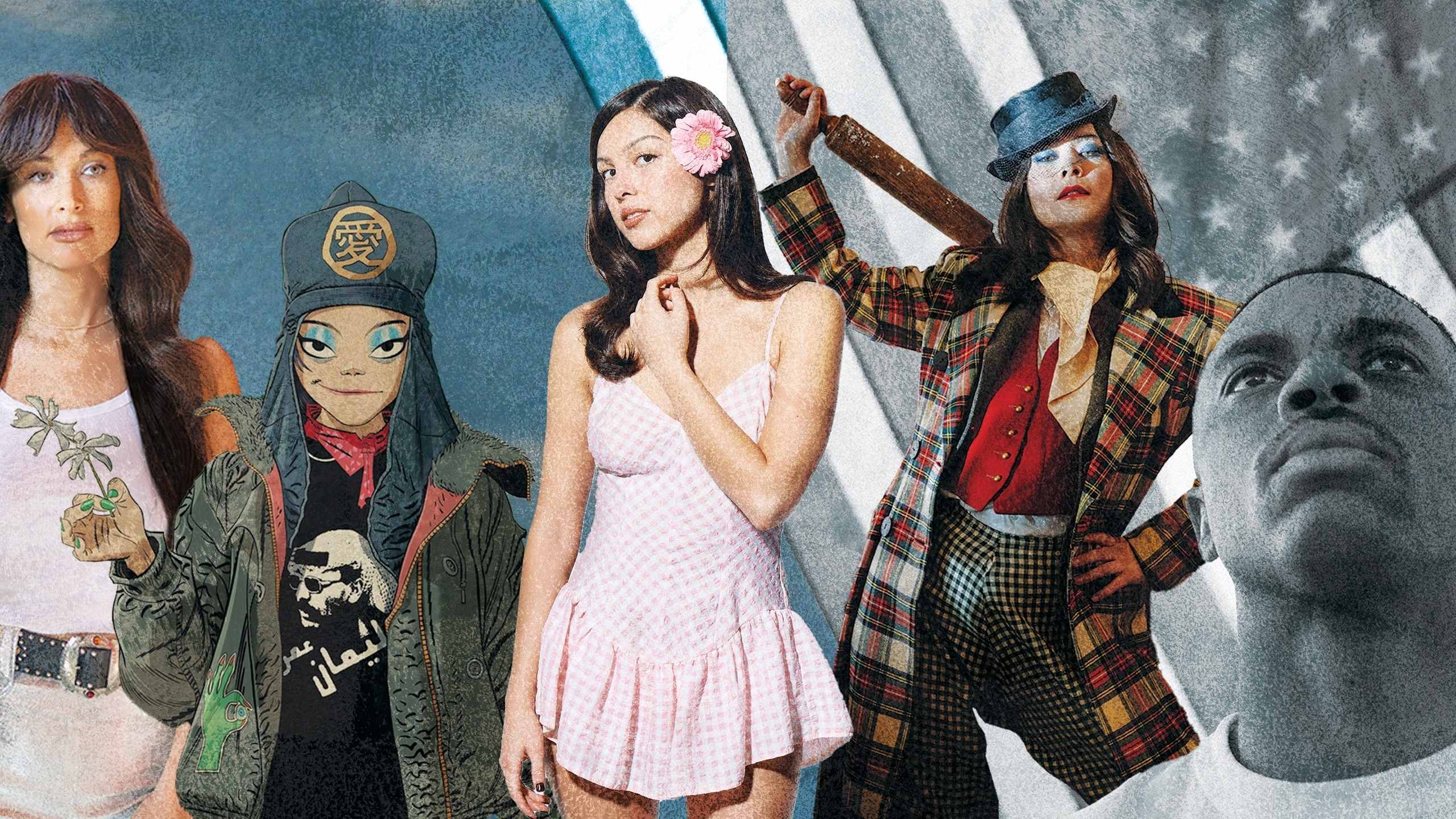

It seems like every year, the age gap between the youngest and oldest artists on our “Best Albums” list gets broader. Yet 2026 feels unique in the various ways that these two life-cycle poles have met in the middle. One of our favorite records from the first half of the year sees the godfather of black-eyelined pop music teaming up with a global star 44 years his junior, while elsewhere one of our oldest living pop-rock songwriting geniuses managed to find fertile ground again by documenting his youth predating his band’s global takeover in the 1960s. In between, we get a new generation of midlife opuses from figures shocked to find themselves nearing 60, revamping the singles of their youth from the perspective of motherhood, or otherwise realizing their age as a new set of tragedies unfold in their family life—with or without support from the same figure who helped that mid-twenties pop star through early-adult heartbreak.
With six months left in the year for teen and/or nonagenarian songwriters to join this list—not to mention any other posthumous vocal snippets or unexpected team-ups between Millennial and Gen X artists—here are our 25 picks for the best albums of 2026 so far.
Aldous Harding, Train on the Island
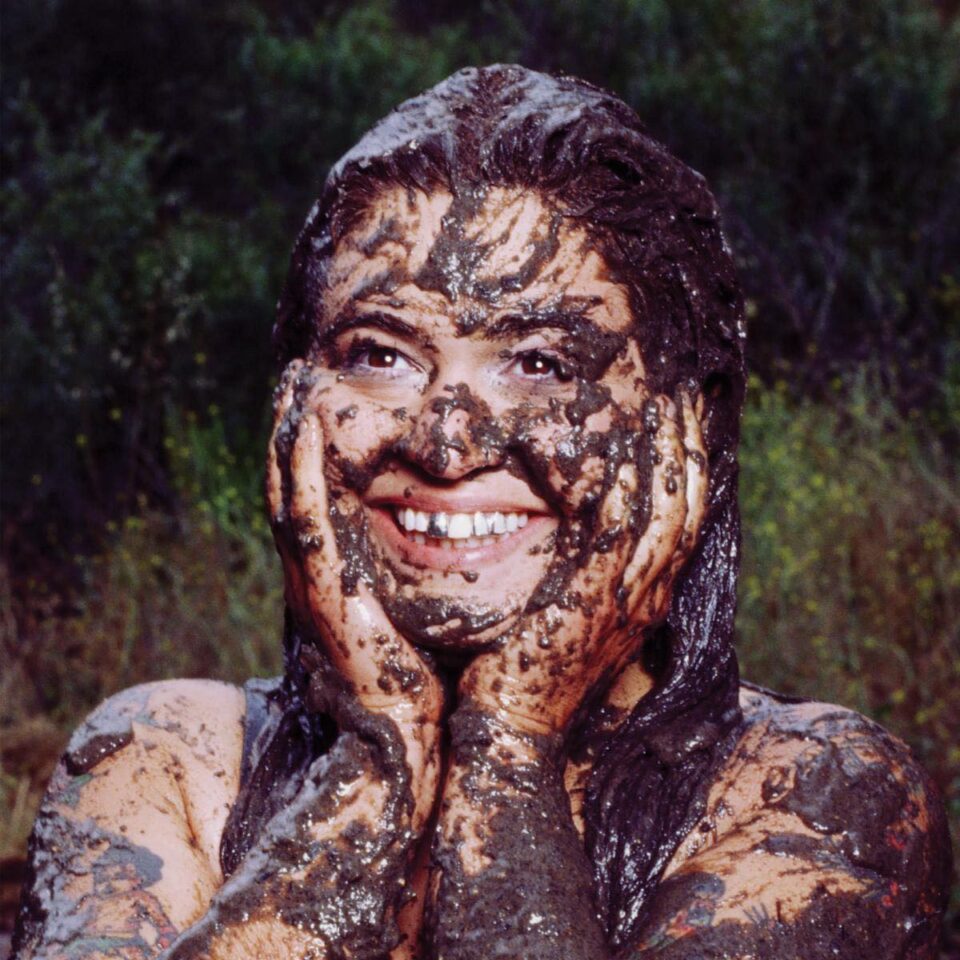
The Appalachian folk song of the same name is just one of a lexicon of references in Aldous Harding’s fifth album, Train on the Island. As the New Zealand songwriter grapples with childhood and fame, she weaves in nods to Narnia, astrology, and The Shining, imbibing the record with a fantastical quality. Throughout, her voice contorts: she adopts a Nico-esque alto monotone on opener “I Ate the Most,” while “If Lady Does It” finds her twisting her words into a higher register that brings Elizabeth Fraser to mind. Harding has always been engaged in a metatextual conversation with her audience, playfully defying understanding with images that float just out of reach.
On Train, however, she’s over both her own performance and our attempts to unpack it—and she makes it known. Strange eating habits line the record: she proclaims victory through vomit-inducing overconsumption on “I Ate the Most,” and seeks a bizarre meal of “rocks and plants” later on “Worms.” In the same track, she dryly references a 10th house stellium, a zodiac placement that promises hunger for success, right after confessing to arson. There’s something a little ironic in the image of a train on an island—so much potential energy with nowhere to go. In this languishing central image, Harding’s droll delivery shines. — Annie Parnell
April + VISTA, Traditional Noise
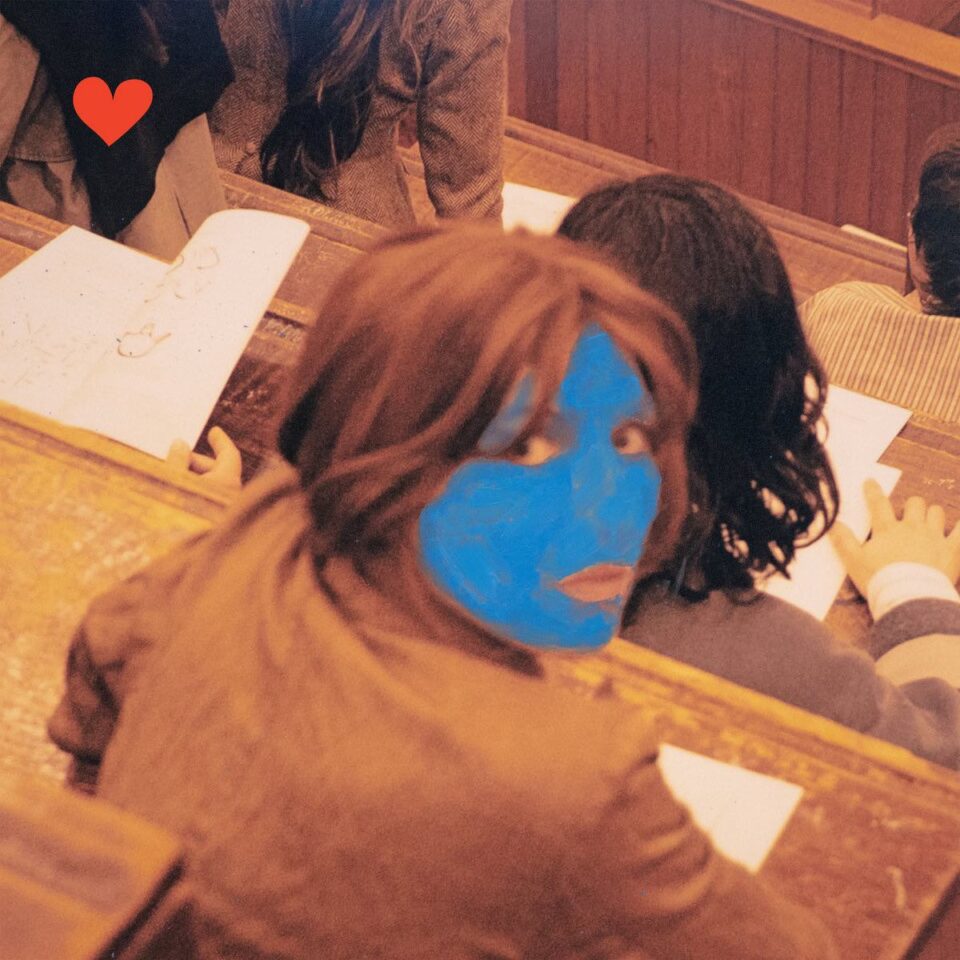
The April is April George, a soulful chanteuse who specializes in the smeared-lipstick romance of smoky jazz balladry and noir-ish torch songs. VISTA is the pseudonym for Matthew Thompson, the producer who takes George’s sturdy songcraft and runs it through a funhouse of psychedelic effects and cinematic orchestrations. Together, they’ve made one of the year’s most beguiling debuts, expertly constructed and endlessly evocative. There are a few reference points for this kind of music: For the way it marries sadsack romance to doleful hip-hop beats, it’s faintly reminiscent of Portishead’s doom and allure, while the sumptuous swells of strings—as beautiful as they are destabilizing—may remind you of Radiohead’s A Moon Shaped Pool. But there are also rock and roll grooves, simmering R&B slow jams. And the lyrics, intimate and confessional, wrestle with ideas of identity and self-conception. At just half an hour, Traditional Noise is stuffed with ideas, making it easy to get lost inside. It heralds April + VISTA as a duo worthy of unmediated excitement. — Josh Hurst
Read our “Breaking” feature with April + VISTA about Traditional Noise here.
Bill Callahan, My Days of 58
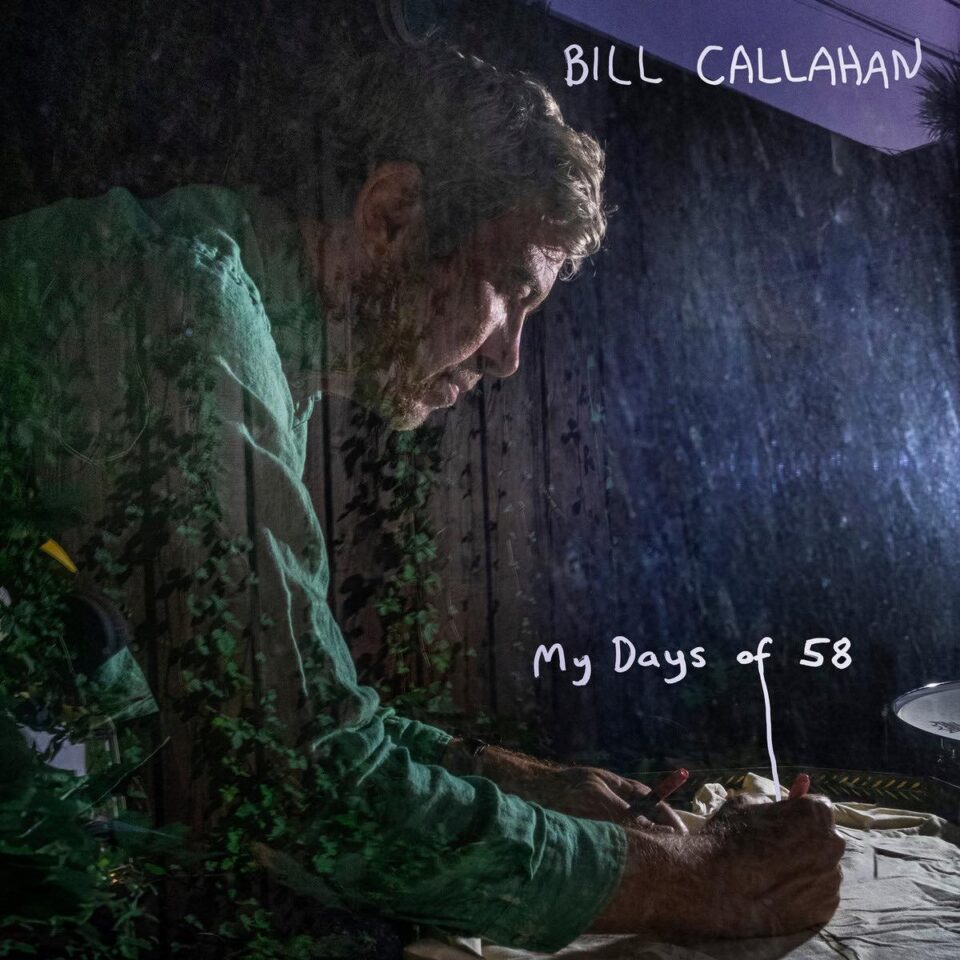
If you’re lucky, growing old is an inevitable fact of life. That’s something Bill Callahan ruminates on throughout the 12 tracks that make up the eighth solo album he’s released under his own name—as opposed to the Smog moniker, which he used for the first decade and a half of his career. Made when he was the age in its title, My Days of 58 is one of Callahan’s most deeply personal and autobiographical records to date. Yet it’s confessional without being self-indulgent, and is as full of whimsy as it is maudlin contemplation.
Indeed, the first of these 10 songs, “Why Do Men Sing,” strikes the balance between the two perfectly. A rumination on both his art and art in general, it’s also a treatise on mortality that, toward its end, incorporates a dream about an encounter with Lou Reed. That Callahan’s vocal stylings share more similarity than ever before with the late rock legend, then, is probably not a coincidence. Lyrically, too, his sublime mix of the absurd and profound—as heard on “The Man I’m Supposed to Be” and “Lake Winnebago”—actually makes the thought of death a little more palatable, if not almost comforting. That Callahan is able to do this so effortlessly is testament to his superlative songwriting skills. Proof wasn’t needed of that, but My Days of 58 provides it unequivocally. — Mischa Pearlman
Read our review of My Days of 58 here.

Boards of Canada, Inferno
It took long enough, but our sweet Scottish brothers are finally back with the first new Boards of Canada LP in 13 years. After being somewhat consistent release-wise between the years of 1996 and 2005, Michael Sandison and Marcus Eoin went dark after the release of 2013’s Tomorrow’s Harvest until earlier this year, when mysterious transmissions and teaser soundscapes were quietly uploaded to YouTube. Before long, Inferno was out in the world, and marks, in many ways, Boards’ most straightforward work. But don’t mistake this simplicity for a lack of quality. It’s in the clarity of these songs that Inferno is strongest. “Hydrogen Helium Lithium Leviathan” is a murky and bouncy instrumental groove, sounding a bit like what I imagine Oneohtrix Point Never’s interpretation of the early Anticon catalog might sound like. “Somewhere Right Now in the Future” is little more than a drifting soundscape, but like so many of the weird experiments in the Boards of Canada discography, offers a delightful segue—in this case into the album’s second and third acts. Inferno is suitable as both an active and passive listening experience, the most choose-your-own-adventure opportunity in the Boards of Canada universe. — Will Schube
Read our review of Inferno here.
By Storm, My Ghosts Go Ghost
How can a band go on after it loses a critical component of its patented three-man weave? The short answer is that it can’t if it wants to keep its own legend alive, though such a devastating loss could easily form the foundation of a whole new chapter for its surviving members. We’re five years removed from Injury Reserve’s distinctly purgatorial final album, which featured posthumous vocal contributions from the rap crew’s late co-vocalist Groggs, and I’m still not entirely sure how to approach that record critically.
With their debut as By Storm, rapper RiTchie and producer Parker Corey manage to strike a fascinating balance between this sort of ambient grief and the propulsive hip-hop of IR’s 2019 self-titled debut, albeit lacking in the hard-hitting beats, packed guest list, and general party-rap hooliganism at the expense of everyone from Elon Musk to rap-by-numbers emcees. Instead, each track on My Ghosts Go Ghost distinctly feels crafted to grow on the listener like an intrusive thought nearly as much as it does like a pop song, the heavy emotions of its creators funneling into our ears like a Trojan horse of deconstructed electronic rap. It’s as much a convincing projection of the future of the genre as it is a chilling realization that the genre may have no future. — Mike LeSuer
Courtney Barnett, Creature of Habit
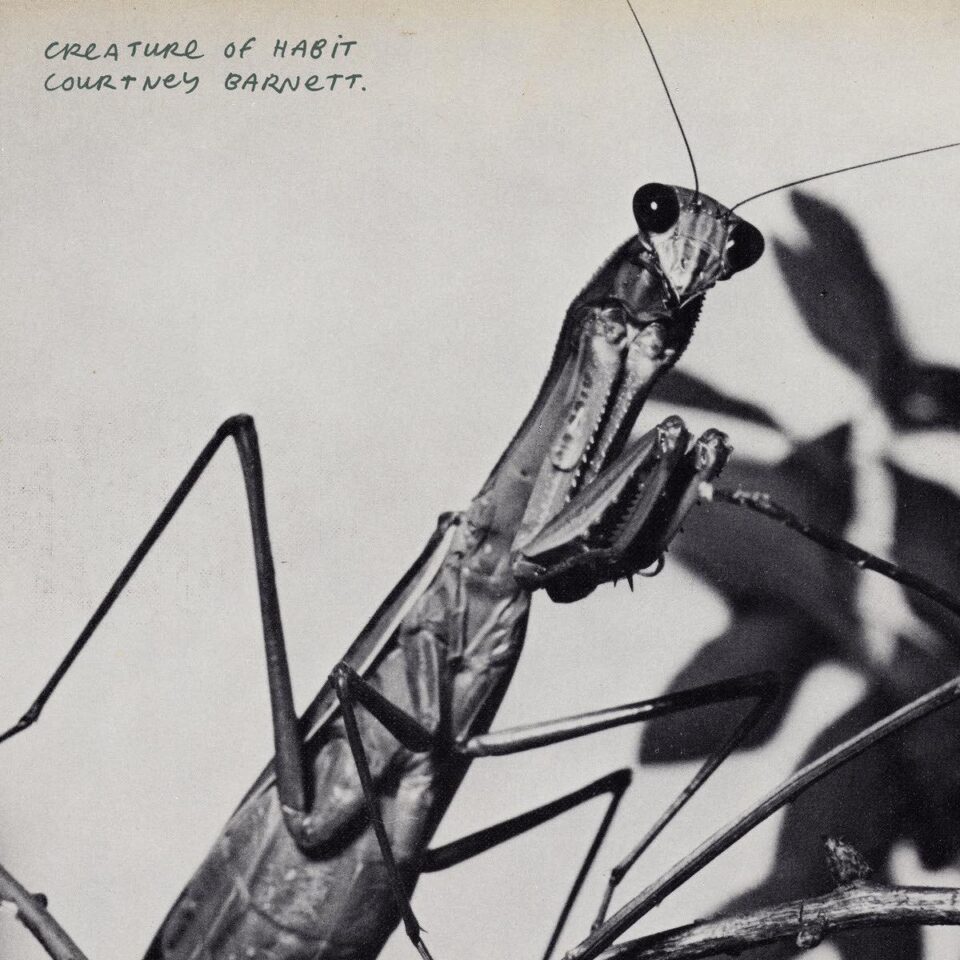
If Courtney Barnett had previously made a name for herself by cataloging her introspections and anxieties, Creature of Habit sees her finally settling into a new kind of confidence in the face of uncertainty. As the title suggests, the fourth LP from the Australian songwriter finds her somewhat closer to acceptance of this lyrical thread than ever before. She still deftly wields a guitar as if it’s another pen to chart the mundane preoccupations of intrusive thoughts and self-criticism, but she carries her playing with a relaxed discipline this time around, trading her earlier grungy distortion for sun-drenched alt-country riffs. On a track like “Mantis,” she finds heretofore unearthed poignance in the bittersweetness of continuing to traverse the path to inner peace, despite being further along than she’s ever been (“I got my head sorted, sort of / I keep going just because,” she sings at the song’s climax, the closest couplet the record has to a point of triumph). Creature of Habit is the brightest kind of prospect for an artist whose discography is built on solicitudes—mellowing out the tenuous, wiry nerves, and now brimming with an affable verve. — Natalie Marlin
Read our review of Creature of Habit here.
Death Cab for Cutie, I Built You a Tower
Historically, Death Cab for Cutie excel most as a songwriting unit when Ben Gibbard sounds emotionally unraveled. A more melodic companion piece to 2022’s free-ranging Asphalt Meadows, the veteran PNW band’s 11th album draws its power from real-life source material. Gibbard recently endured a second divorce, touring two classic albums while his personal life disintegrated. In documenting the aftermath, I Built You a Tower sees the band adding dynamics throughout the mix with producer John Congleton after they started to flatten their sound into pacifying minimalism in the wake of 2008’s Narrow Stairs. Nick Harmer and Jason McGerr’s time signature shifts on most tracks keep the listener unmoored, while the whole band plays with an urgency rarely heard since Transatlanticism. Gibbard often sings about compartmentalizing trauma, but here builds a towering structure to house his grief. He admits his struggles through his lyrics without sugarcoating anything, and part B of the title track suite ends with a simple confession: “It makes me tired.” This is Death Cab’s most arresting album since Plans, largely because the band stopped sanding down their rougher edges. — Kyle Lemmon

Dua Saleh, Of Earth & Wires
Of Earth & Wires deserves a book-length dive into its various conceptual and inspirational tendrils. The title of Dua Saleh’s latest project stems from two of the largest, not-unrelated threats the songwriter sees facing humanity: climate disaster and AI desolation. Both are extremely personal for Saleh, who lived through catastrophic flooding in Cardiff and wildfires in Los Angeles, and whose homelands of Sudan and Minnesota have been targeted by AI-governed drone strikes and ICE-led mass surveillance, respectively.
The album title’s dichotomy also reflects the sonic world created by Saleh, blending traditional Sudanese folk and the indie stylings of frequent guest Bon Iver with pangs of Afrofuturistism and bell-ringing drum loops. Consider, for instance, the two-track span of “I Do, I Do” and “Keep Away”: the former floats amid the traditional Middle Eastern sounds of an oud, while the latter explodes with funk-infused synths and drumbeats. And I haven’t even touched the tendrils of queer love that extend the apocalyptic love story told in Saleh’s 2024 studio debut I Should Call Them, much less aja monet’s stunning ruminations on said love that conclude the project. You’ll just have to listen to Of Earth & Wires yourself. — Kevin Crandall
Read our review of Of Earth & Wires here.
Earl Sweatshirt / MIKE / Surf Gang, Pompeii // Utility
The surprise collaborative album Pompeii // Utility shares some similarities with other notable double albums in the history of hip-hop, such as OutKast’s Speakerboxxx/The Love Below. But unlike many of its predecessors, Earl Sweatshirt and MIKE’s project carves its own unique sonic lane aided by a dash of drill provided by underground SoundCloud rappers/producers Surf Gang. Established in 2018, the NYC collective made a name for themselves with their off-kilter, experimental beats, spawning the careers of 454, Harto Falion, and a hodgepodge of other underground emcees, even working with Kendrick Lamar and Baby Keem on “The Hillbillies.” Although some have criticized it for its mumble-rap vocals, Pompeii // Utility uses this technique in an interesting way. It’s a unique aesthetic choice, and the production and dense track list—as engrossing as they are—support deeper lyrical themes critiquing modern life. It forces the listener to dig deeper, as if MIKE and Earl want the listener to work to understand the record; like any good work of art, you only get what you’re willing to put into it. Plus, the record contains a sample from Ocarina of Time, so you know it has the workings of a future cult classic. — Juan Gutierrez
Read our review of Pompeii // Utility here.
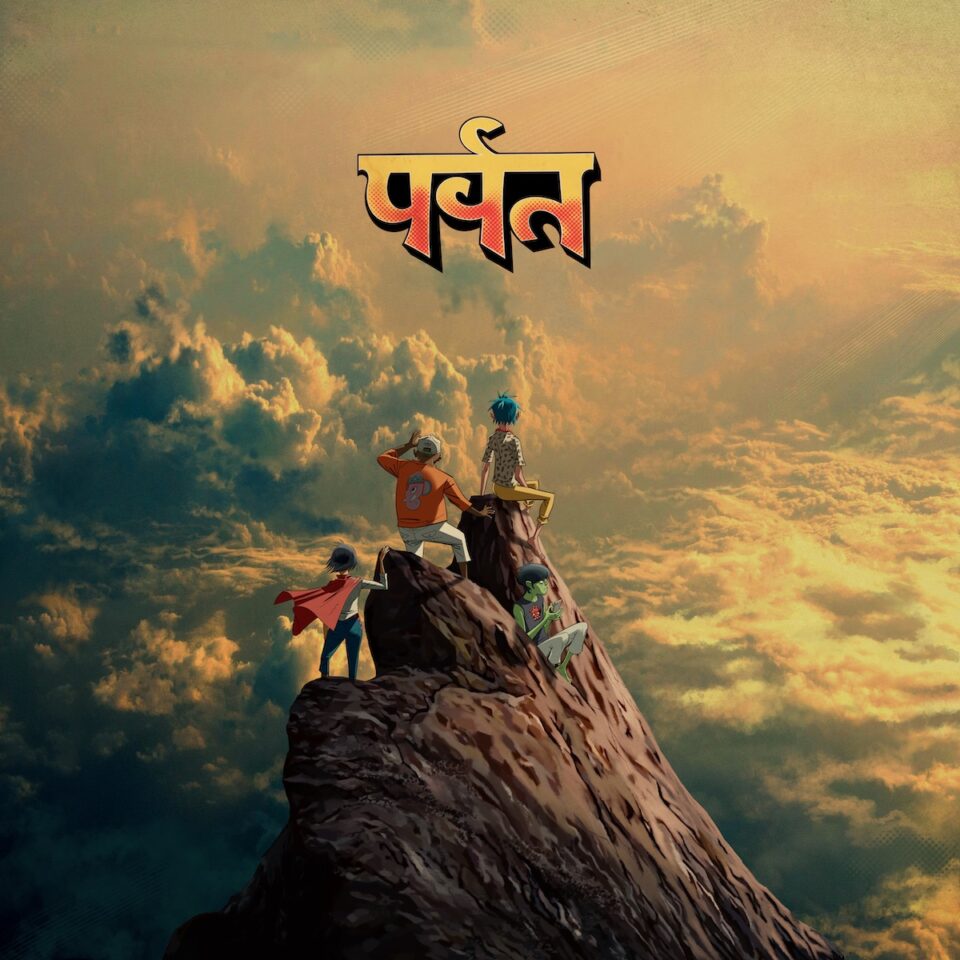
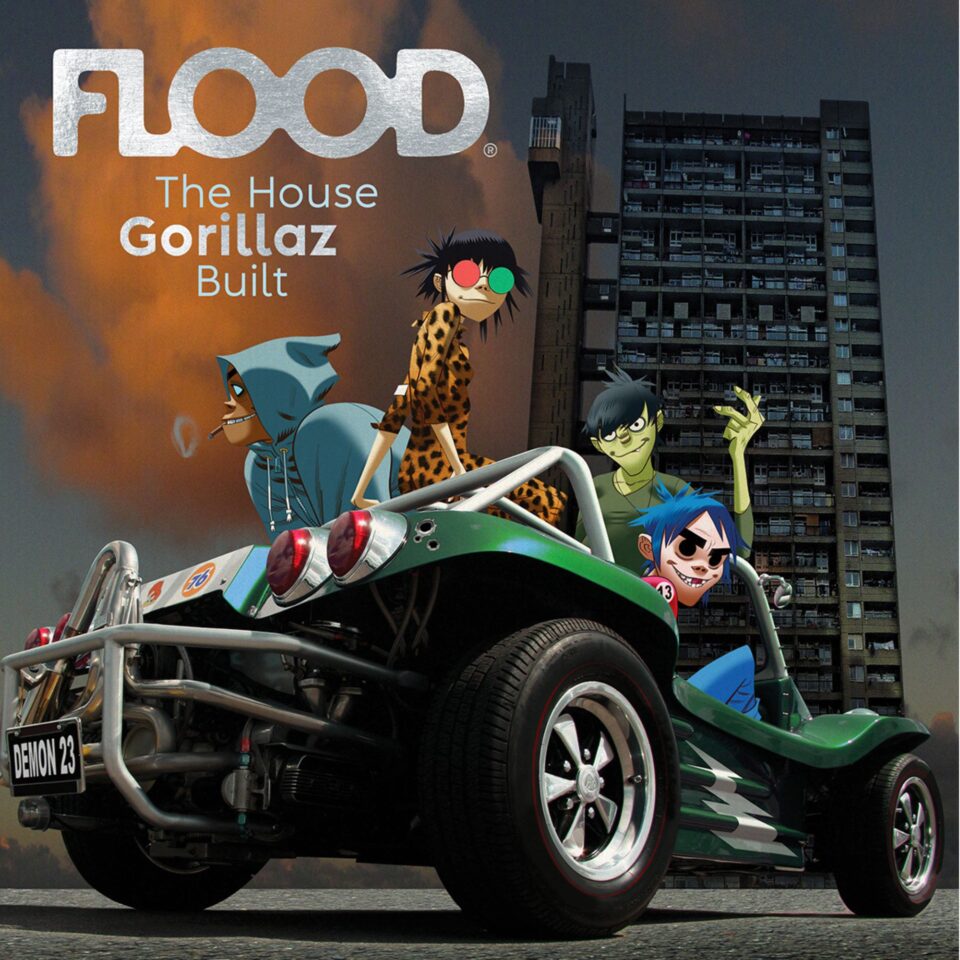
Gorillaz, The Mountain
Damon Albarn and Jamie Hewlett tackle mortality and the search for personal nirvana on their ninth studio album, and the result is a cohesive, soaring work. A quarter-century after their debut, The Mountain is easily among their best: 15 tracks of ambitious, playful, and meaningful sounds borne of shared grief and inspiration. Both Albarn and Hewlett lost their fathers in 2024, prompting a journey to India that became a creative path through mourning.
The Mountain unfolds like an epic from its first moments, emerging with the gentle tabla, sitar, and bansuri flute of its title song. Indian textures flow in and out of the album’s layered sonic landscape, reaching its fullest expression on the postmodern pop of “The Shadowy Light,” featuring the legendary Indian singer Asha Bhosle who died a month and a half after the album’s release at age 92. Albarn spends much of the runtime in a crooning, Bowie-esque mode, joined once again by a crowd of astutely chosen guests that includes Sparks, Johnny Marr, IDLES’s Joe Talbot, Black Thought, and Argentine rapper Trueno. Along the way, he also resurrects some beloved collaborators from his past for some posthumous interaction: Dennis Hopper, Bobby Womack, Tony Allen, emcee Proof, and The Fall frontman Mark E. Smith. For Gorillaz, death is not the end, but another step toward sonic transcendence. — Steve Appleford
Read our cover story with Gorillaz here, and purchase a copy of the print issue it’s featured in here.
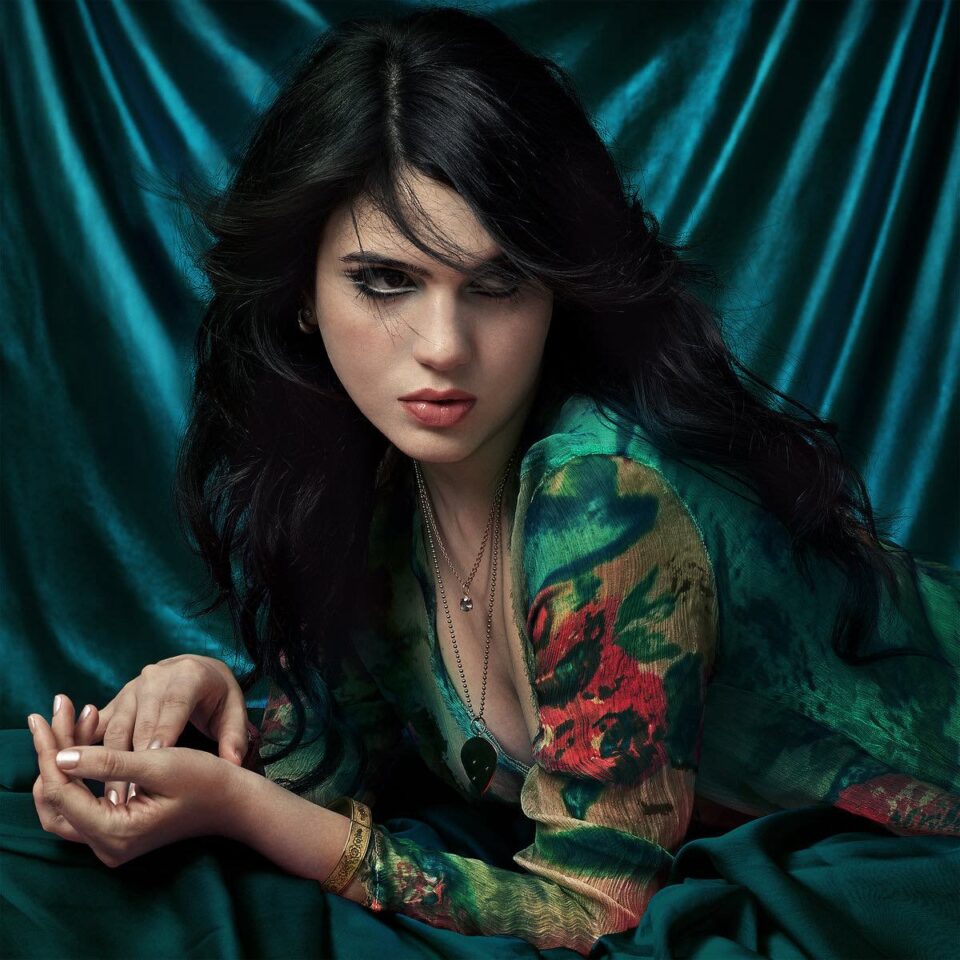
Julia Cumming, Julia
Sunflower Bean vocalist Julia Cumming lays everything out on the table in the opening moments of her solo debut, Julia. Titled “My Life,” the first track is an origin story and philosophy wrapped into a recording that sounds like it was built for Broadway or a triumphant movie montage: “I sing these words for me / I sing them loud / ’Cause I’m still free / ’Cause I'm allowed.” The album, as such, is a declaration of independence and a reflection on the forces both human and societal that get in the way of this mission. Set against a backdrop of lounge pop and AM radio rock, Cumming creates a smooth listen that goes down easy thanks to her dextrous, powerful voice. “Ruled by Fear,” meanwhile, shuffles along with a drum groove that recalls “Everybody Wants to Rule the World.” It’s a motivational anthem of sorts, with Cumming willing herself to take action in a life that can too quickly shift into a passive state of being. “I’m ruled by fear / A prisoner in my own mind if I stay right here / I’ll never fail if I never try.” She eases into satisfaction on album closer “Forget the Rest,” which contextualizes the things that really matter: “I know you’re still depressed,” she sings, before adding: “I love you, forget the rest.” — Will Schube
Read our feature with Julia Cumming about Julia here.
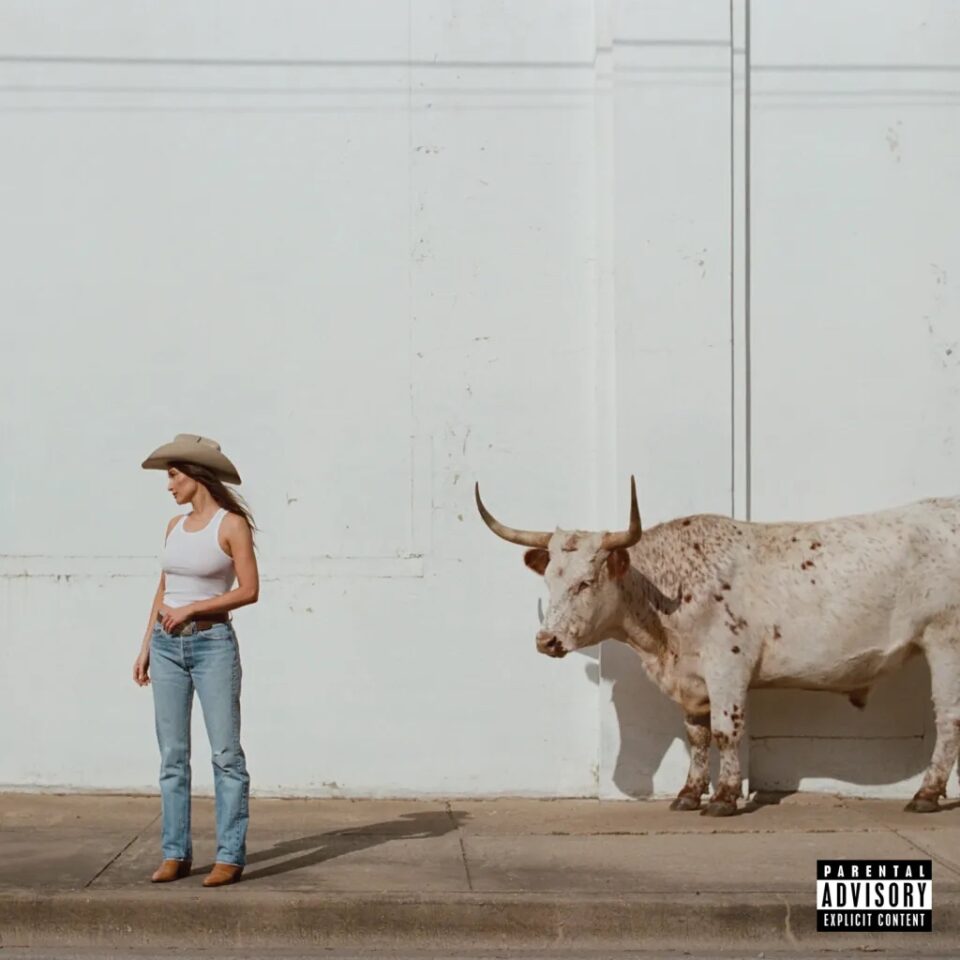
Kacey Musgraves, Middle of Nowhere
With Middle of Nowhere, Kacey Musgraves leans into a sense of serene and contemplative solitude, capturing the strange peace of existing in a liminal space in your life. She recently went through another breakup, and instead of rushing toward the next genre distraction—as she did on 2021’s star-crossed—she simply sat with her feelings. The resulting record is connected to the spiderweb of musical influences in her hometown of Golden, Texas and is her sharpest record since Golden Hour.
It also marks a distinct departure from the softer folk-pop sounds heard on Deeper Well. She returns to her roots as the production embraces traditional pedal steel and acoustic guitars alongside elements of Western swing—she even incorporates classic country with a flirty, Latin-influenced pop sound on “Mexico Honey.” The guest list is incredibly strong, too; Miranda Lambert buries her grudge with Musgraves and brings classic country swagger to “Horses and Divorces,” and Willie Nelson lends his iconic voice to “Uncertain, TX.” The album sounds unburdened overall. Its title comes from a real road sign near her hometown, and Musgraves truly embraces that feeling on a confident record that proves that the wilderness itself can be a beautiful destination. — Kyle Lemmon
Read our review of Middle of Nowhere here.
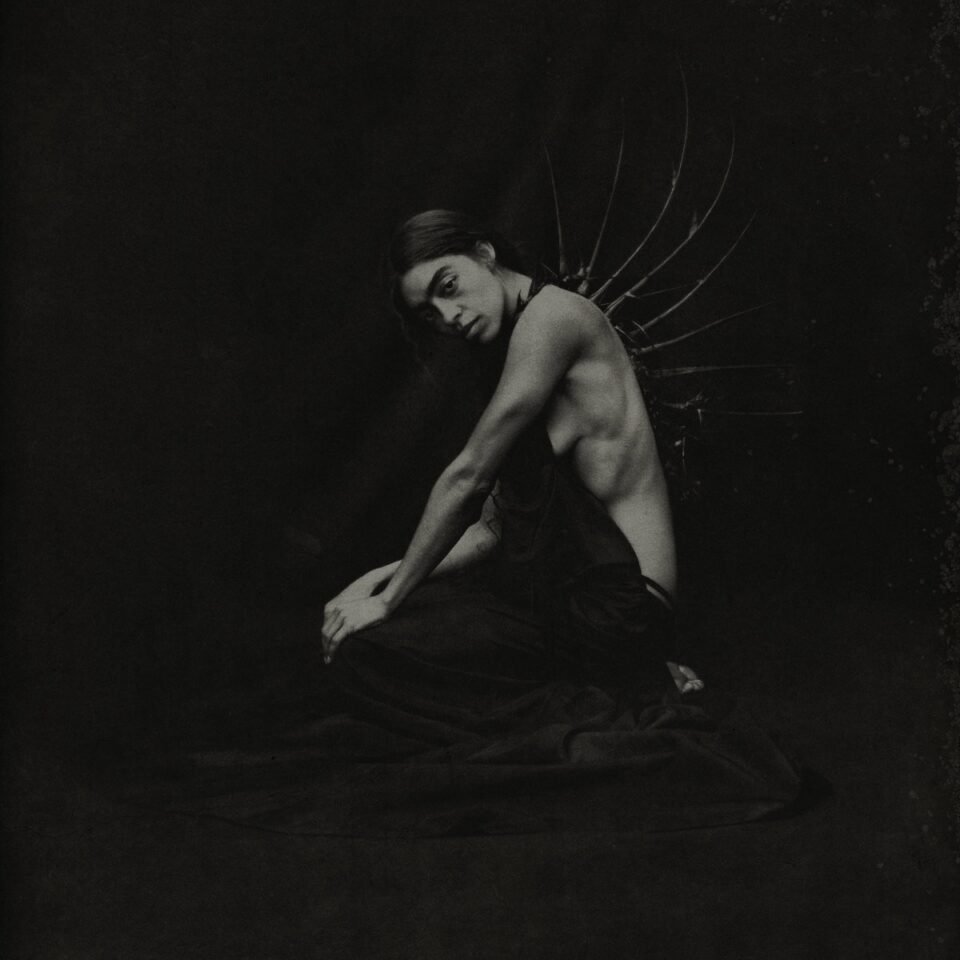
Kelsey Lu, So Help Me God
Nearly a decade ago, Kelsey Lu’s shamanistic, cello-coursing epic debut album Blood set a new gold standard for Diamanda Galás–like ritual music-making (albeit with more sonorous, less screeching vocals) that welcomed the sacred and the sexual into their sandbox. So Help Me God, of course, keeps that old-time religion in the picture, along with the artist’s sawed, bowed, droning cello high up in the mix. Only now, with the help of top-tier co-producers Jack Antonoff and Yves Rothman and an odd-lot of collaborators—Kim Gordon, Kamasi Washington, Sampha—Lu’s lyrical and sonic viewpoint has opened up and cleared its fuzzy clutter up to new strength, soulfulness, and minimalistic simplicity without losing the Kate Bush–like complexity that we crave in them (the gently soaring “Running to Pain” could be Lu’s “Running Up That Hill” without Bush’s thud-thundering drum approach). There’s a hint of drum ’n’ bass pulsation to the sullen “Only the Lonely” that lifts the track from potential personal tragedy, and yet—as with Blood—Lu maintains the holy edginess of all things ceremonial and cinematic while portraying notions of good grief and sensual desire at the top of their list. — A.D. Amorosi
Read our review of So Help Me God here.

Mandy, Indiana, URGH
If popular music in the first half of the 2020s was informed by personal tragedies, I’m getting the sense that the latter half of the decade is going to be shaped more so by the collective ones we’re increasingly witnessing out in the world rather than stuck at home. Ironically, Mandy, Indiana’s second album fits into the former category lyrically, as an enraged Valentine Caulfield somehow manages to underplay the unthinkable trauma she’s endured in contrast with the majority of songwriters these days finding ways to capitalize on their alleged pain. Yet without heed to the largely English-language lyric sheet, URGH is by all accounts a record rooted in public spaces, its violent industrialism and malfunctioning electronics designed to move bodies en masse rather than those alone in their living spaces. With a helping hand from Gilla Band’s Daniel Fox on production and percussive landscaping, the French group has clearly already mastered the fusion of raw, live-band recordings and synthetic studio noise, fortuitously at the expense of a globally reawakening fascist patriarchy. “Life Hex” may not quite sound at all like the club scene in Blade, but it’s out for just as much blood. — Mike LeSuer
Read our review of URGH here.
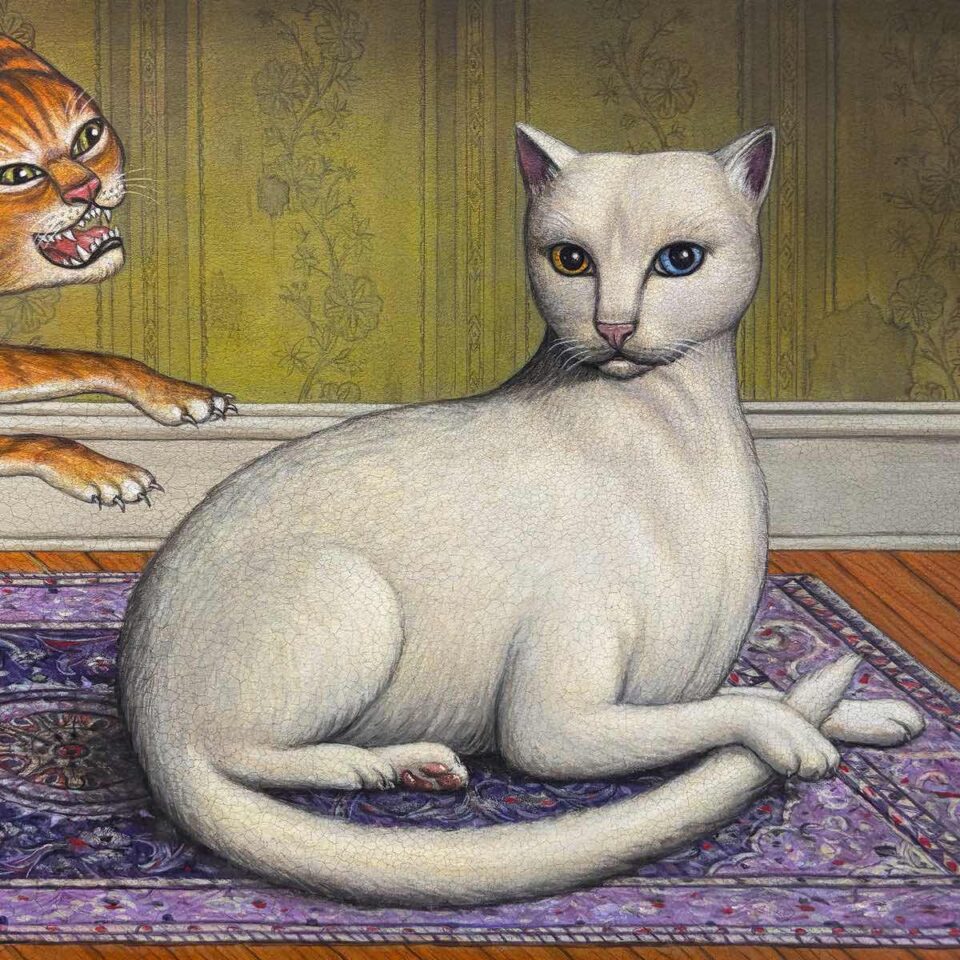
Mitski, Nothing’s About to Happen to Me
When a story opens with a move to the big city, it’s usually the inciting incident that kickstarts an exciting coming-of-age tale. But as the title bluntly notes, nothing’s about to happen to Mitski on her eighth album. “I’m not here / I’m where nobody can reach,” she sings in that unmistakable voice while confronting every fear lurking in the back of the closet in the big, empty, moldy house that she drifts through across the record. It’s like the setting of a fever dream, filled with cats, dogs, and eerie nursery rhyme–esque passages, such as the counting on “Rules” or the “bah bah bah” calls of “Where’s My Phone?.”
Perhaps the house feels so large because the music is as it seamlessly unites every style Mitski has ever mastered, from saloon-set country to dirty college rock. “Would you have liked me better if I’d died / So you could tell my story the way it ought to be?” she asks on “Dead Women,” provoking the idea of her history being written by whoever’s loudest. Remember that she almost retired back in 2019, exhausted by an overzealous stan-base and the industry’s inherent racism framed as support. Sometimes, though, Mitski wins. She’s dangerously lovesick on “Cats,” but their two rescues sleep beside her, not them. Making an album that forces you to get perversely close to your fears is surely the best way to re-take the reins. It certainly sounds like a victory. — Hayden Merrick
Read our feature with Mitski’s visual collaborators Mary Banas and Lexie Alley here.
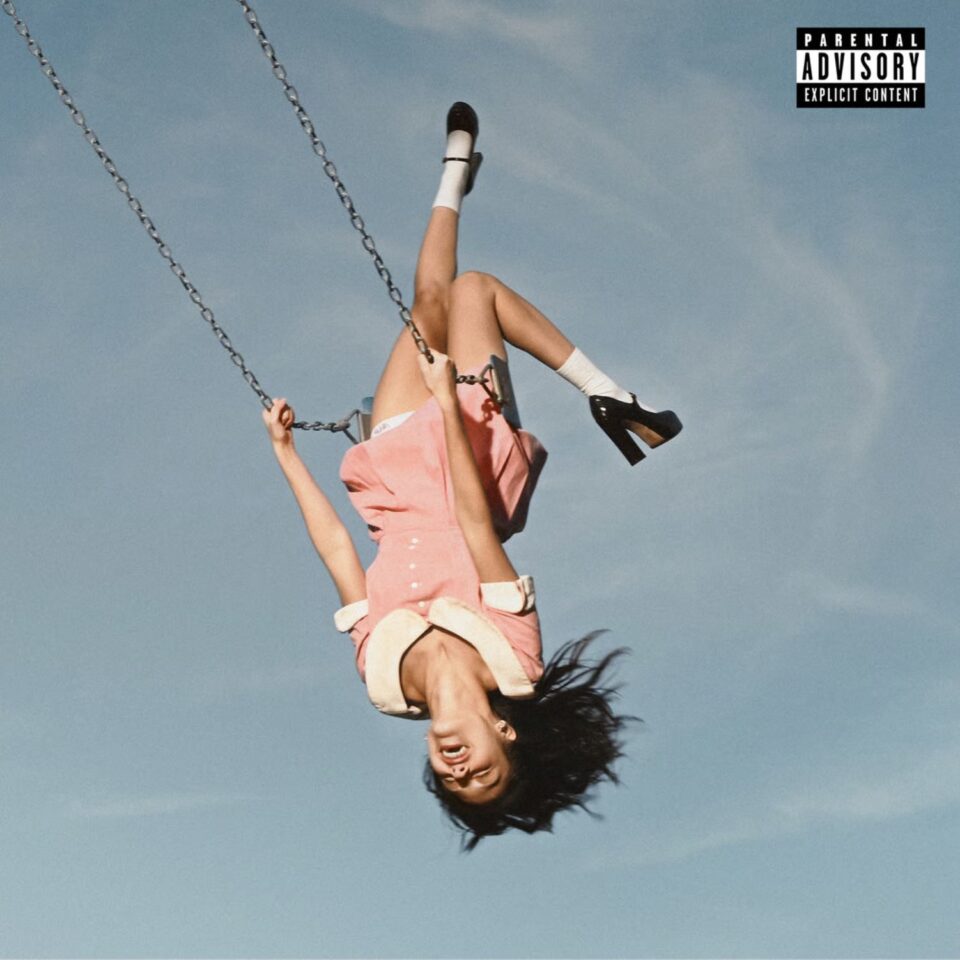
Olivia Rodrigo, You Seem Pretty Sad for a Girl So in Love
God knows Olivia Rodrigo meant well. For her third album, she fully intended to move past the angst and snarl of her earliest music, devoting an entire record to rapturous love songs. But life got in the way: When her IRL relationship collapsed, she decided to retcon her recording project, turning it into an acutely detailed dissection of good love gone bad. The result is her most emotionally broad and sophisticated collection yet, an album that adds new colors to her sentimental palette while affirming her as one of the most accomplished record-makers and interesting pop stars of her generation.
And it’s not just that the album is so carefully arranged, structured as a loose narrative about an intoxicating love that leads to toxic self-erasure—nor that she uses recurring imagery to enrich her themes. It’s also that, once again working with boon collaborator Dan Nigro, she’s significantly expanded her sonic touchpoints. The crunching pop-punk guitars of those first two albums are missed, but they’re replaced with featherweight new-wave grooves, primary-color pop, and even some freewheeling forays into thumping robotic club music; think imperial-era Madonna by way of Devo. It’s a rich and arresting album, and the clearest evidence yet that Rodrigo is an artist of considerable depth. — Josh Hurst
Read our review of You Seem Pretty Sad for a Girl So in Love here.

Paul McCartney, The Boys of Dungeon Lane
With phony Beatlemania showing no signs of waning anytime soon, the Cute One’s 20th solo album does something curious and tricky: it briskly captures all of the cuddly hominess at the heart of ruminative nostalgia while forwarding a storyline started during McCartney’s childhood by finding pockets of discovery in this shopworn tale. Together with rocking new-school producer Andrew Watt, fellow Fab-Fourager Ringo Starr on the duet “Home to Us,” and the sweeping arrangements of Ben Foster and Giles Martin, The Boys of Dungeon Lane finds McCartney doing his chosen hermetic one-man-band thing that made “Temporary Secretary” weirdly and skronkily inventive, yet smartly opens his locked-tight songwriting vault to the compositional collaboration of Watt on tracks such as “We Two.” And once there, how better to make a silly love song—McCartney’s sweet spot—than to bring in vintage four-track recorders for pen-staid romanticism recounted through fresh eyes? — A.D. Amorosi
Read our review of The Boys of Dungeon Lane here.
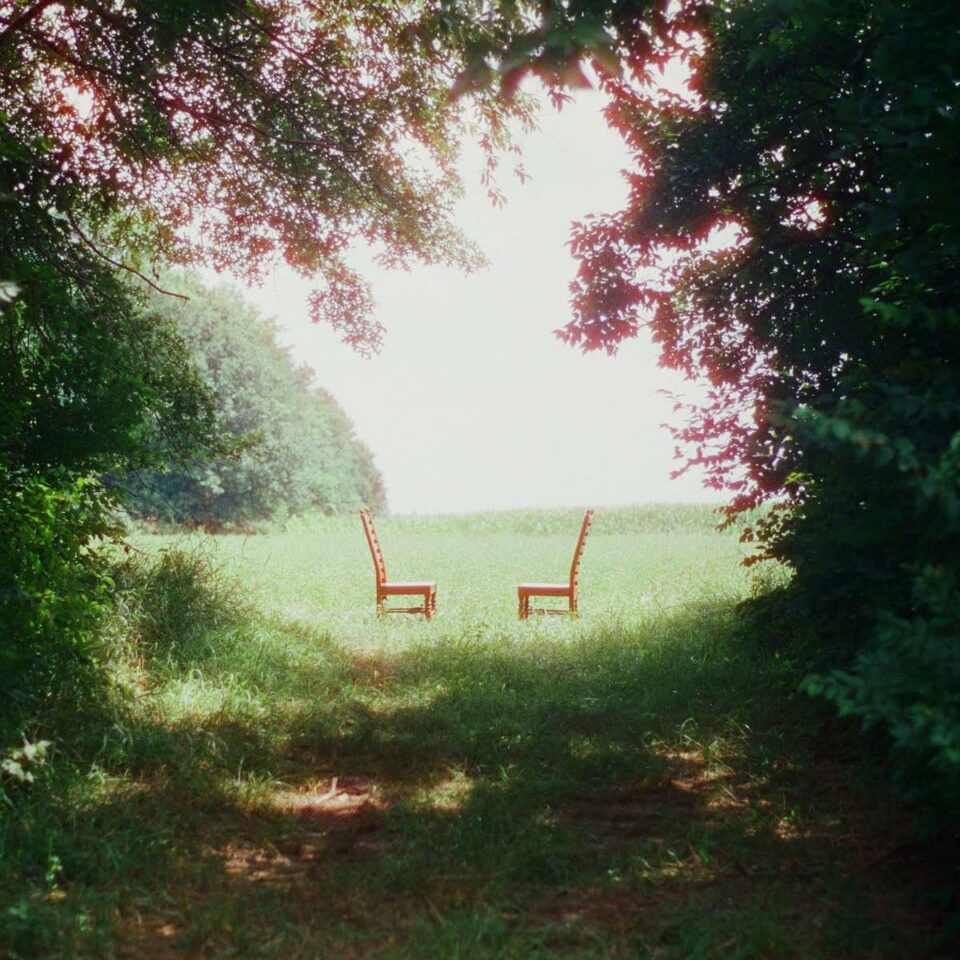
Ratboys, Singin’ to an Empty Chair
No, Singin’ to an Empty Chair is not the Broadway adaptation of that bizarre Clint Eastwood moment we all remember (or is that just me?). It is, in fact, yet another great record from a band who simply cannot stop churning them out. Really, though, I bet you could blindfold each member of Chicago’s Ratboys and take them to separate corners of the globe and they’d still have a pitch-perfect indie rock record on your desk by Tuesday. And to be clear, that isn’t to imply that Julia Steiner and company are simply going through the motions. Six records in, Empty Chair is somehow both the cleanest entry point to their breezy brand of indie rock and their most ambitious. On one side of that coin, you have “Penny in the Lake,” an absolute gem of alt-country pop that begins with a hearty “cock-a-doodle-doo” and proceeds to charm the overalls off anyone within earshot. On the other side, a song like “Just Want You to Know the Truth” burns low and slow, a memory piece playing out over eight and a half minutes, but lingering much longer. And then there’s the countless other moments on the album that feel both achingly familiar and wholly singular to a band that’s proven to be one of the most reliable of their era. — Sean Fennell
Read our feature with Ratboys about Singin’ to an Empty Chair here.
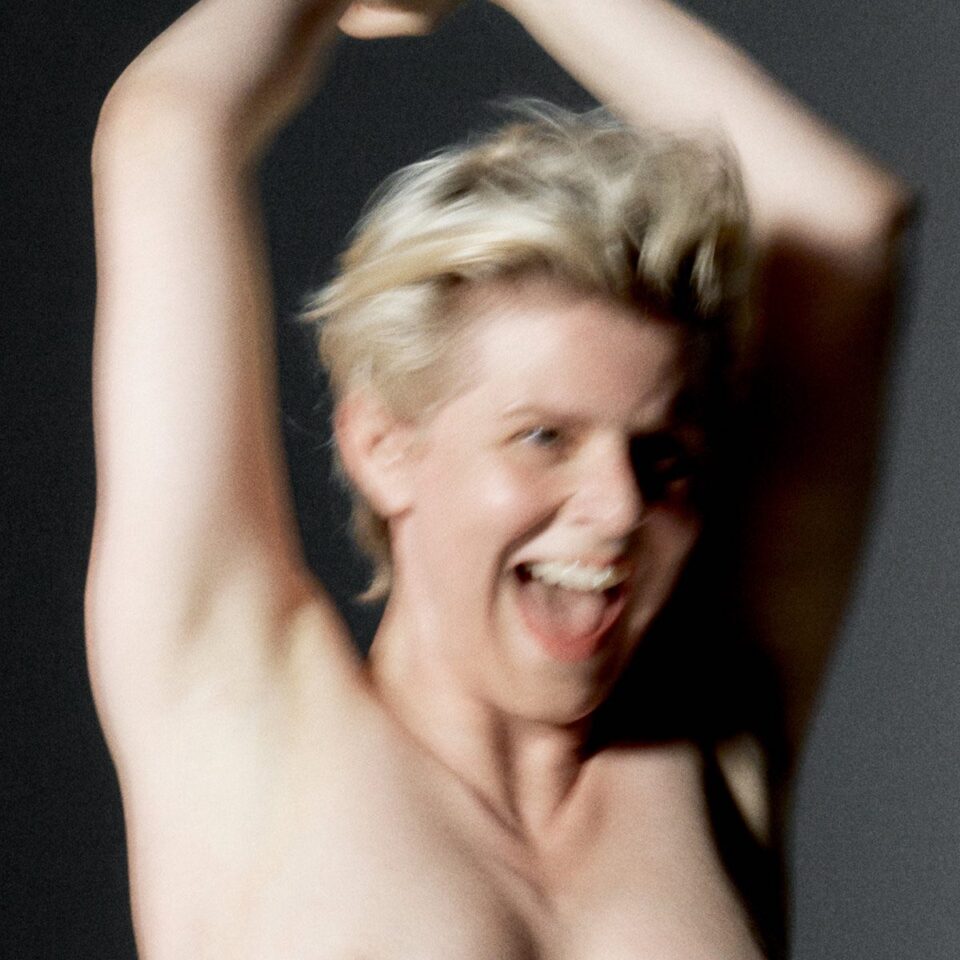
Robyn, Sexistential
Robyn only releases an album every eight years or so, but she never releases the same album twice. Leave it to the teen-pop-starlet-turned-electropop-agitator to follow up 2018’s earthy and downtempo Honey with the long-gestating Sexistential’s bonkers title track: a slippery, stuttery, Adam-Driver-name-checking, horny house-pop banger on which she attitudinally raps about hookups and Raya dating while pregnant via IVF with her “ovaries on hyperdrive.” It might not make sense to casual fans who only know her from her defining heartbreak anthem “Dancing on My Own,” but to the diva’s devotees it’s a welcome return to kooky form—and even a poignant full-circle moment, as Robyn first rebelliously tackled the topic of female reproductive autonomy in her teen-pop era.
Sexistential revisits Robyn’s past in other ways, too. The vibrant Y2K pop of “Talk to Me” reunites her with Max Martin, who produced a few songs on her 1997 debut, and the album’s bionic beats and hurts-so-good unrequited-love bops like “Dopamine” and “Light Up” evoke 2010’s classic Body Talk. Three decades into her career, Robyn is still dancing on her own to the beat of her own drum machine. And she still sounds like the future, declaring, “I’m still having fun” on a surprising vaporwave/city-pop remake of her funky 2002 cut “Blow My Mind.” It can only make fans hope that she’ll release another album soon rather than waiting another near-decade. — Lyndsey Parker
Read our review of Sexistential here.
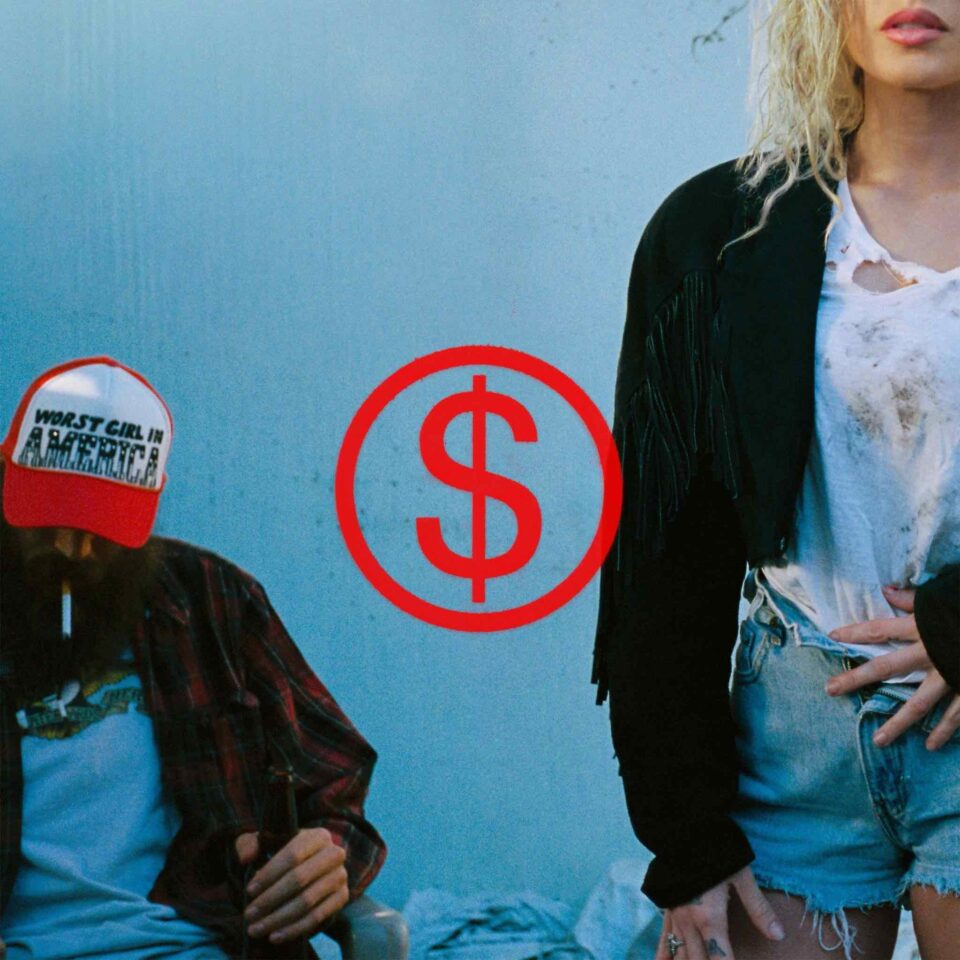
Slayyyter, Wor$t Girl in America
On Wor$t Girl in America, Slayyyter corrodes the fantasy of pop stardom in a rhinestone-bedazzled vat of acid. The beats thrash while the melodies fizz, sweet and carbonated, like Sour Patch Kids chased with a High Life. Her third album feels like a Midwestern house-party, a Lynchian younger sister to Britney Spears' Blackout. What makes the record hit so hard is the persona running through it: the “worst girl” as both punchline and confession. Fame becomes a distortion field, half aspiration and half surveillance. It’s the goal, then the weapon. Over the course of the album, Slayyyter transforms attention itself into something unstable, asking what it means to be desired when visibility feels less like hedonistic liberation than a funhouse mirror.
At a breaking point, she sets out to make the music her teenage self always wanted: punk-infused electropop built from the chaotic thrill of the iPod Shuffle era. Inspired by the days of digital music libraries, the album embraces a nostalgic sound stitched together from the gleeful excess of late-2000s pop. The ghosts of electropop past—“LoveGame,” “Walking on a Dream,” “Bangarang”—drift proudly through the production as it rejects pretension in favor of maximalist pleasure, where the flashiest ideas often become the most poignant. My teenage self would be happy purchasing any of these songs separately if I didn’t have the pocket change for the whole album or if I couldn’t find a download on Limewire. — Margaret Farrell

TOMORA, Come Closer
What an unexpected pairing TOMORA is, bringing together The Chemical Brothers’ Tom Rowlands and Norwegian art-pop songwriter AURORA. Cross-generational and cross-genre, they found each other at just the right moment. AURORA’s first collaborations with Rowlands appeared on The Chem Bros’ 2019 album No Geography, and their signature track “Eve of Destruction” remains a cornerstone of their live shows. Rowlands later contributed to AURORA’s 2024 album What Happened to the Heart?, paving the way for the impossible-to-shake “Ring the Alarm,” the first TOMORA single.
But it’s always a good time when these two get together, and that chemistry carries through their debut album, Come Closer. They make space for each other across songs that bear the unmistakable hallmarks of both of their singular styles. AURORA brings breathing room and emotional openness to Rowlands’ razor-sharp, intricately detailed productions, while Rowlands injects a dancefloor pulse into her otherworldly songwriting. Granted, Come Closer leans more toward Chemical Brothers territory than AURORA’s, but her presence opens the door to moments of trip-hop exploration that feel fresh for both artists. It’s an album best experienced from front to back. Anything less, and you’re doing yourself a disservice. — Lily Moayeri
Read our cover story with TOMORA here.
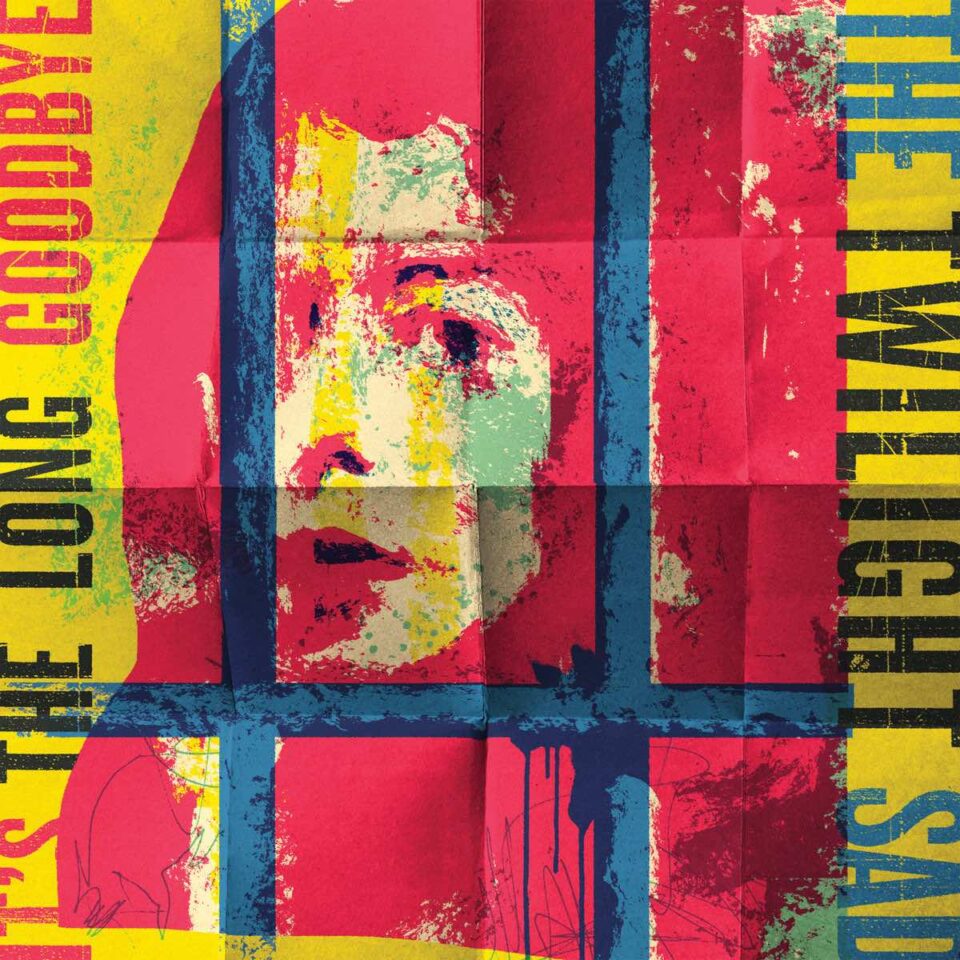
The Twilight Sad, It’s the Long Goodbye
In 2016, The Twilight Sad toured America with The Cure upon their idol Robert Smith’s personal invitation. Yet that triumph coincided with tragedy, as frontman James Graham’s mother had been diagnosed with early-onset dementia. And while 2023 should’ve been another landmark year for the Scottish post-punk band, their even-bigger US tour with Smith’s band coincided with Graham’s mom’s health deteriorating, forcing him to return home. His mother died two months later, right when he was nearing his 40th birthday and adjusting to becoming a new parent himself. It was a lot to process, and Twilight Sad would ultimately go seven years without putting out a new album.
It’s the Long Goodbye is the sort of midlife opus that could only be borne from many dark nights of love and loss. In some ways, it an unofficial companion piece to The Cure’s own grief-driven comeback, Songs of a Lost World; Smith himself is featured on three tracks (“Back to Fourteen, “Dead Flowers,” and the especially gut-punching “Waiting for the Phone Call”), with Graham voicing his despair, his helplessness, and, most convincingly, his anger over the dense din of his longtime bandmates. Yet he finally, mercifully lets go on closer “TV People Still Throwing TVs at People”; as the slow-building ballad careens from underwater dreaminess to Kid A–esque glitchiness to full-on noise-rock, the record closes with a strangely satisfying sense of peace. It’s the Long Goodbye is a sometimes uncomfortable listen, but it’s an instant-classic grief album that’s been well worth the wait. — Lyndsey Parker
Read our review of It’s the Long Goodbye here.
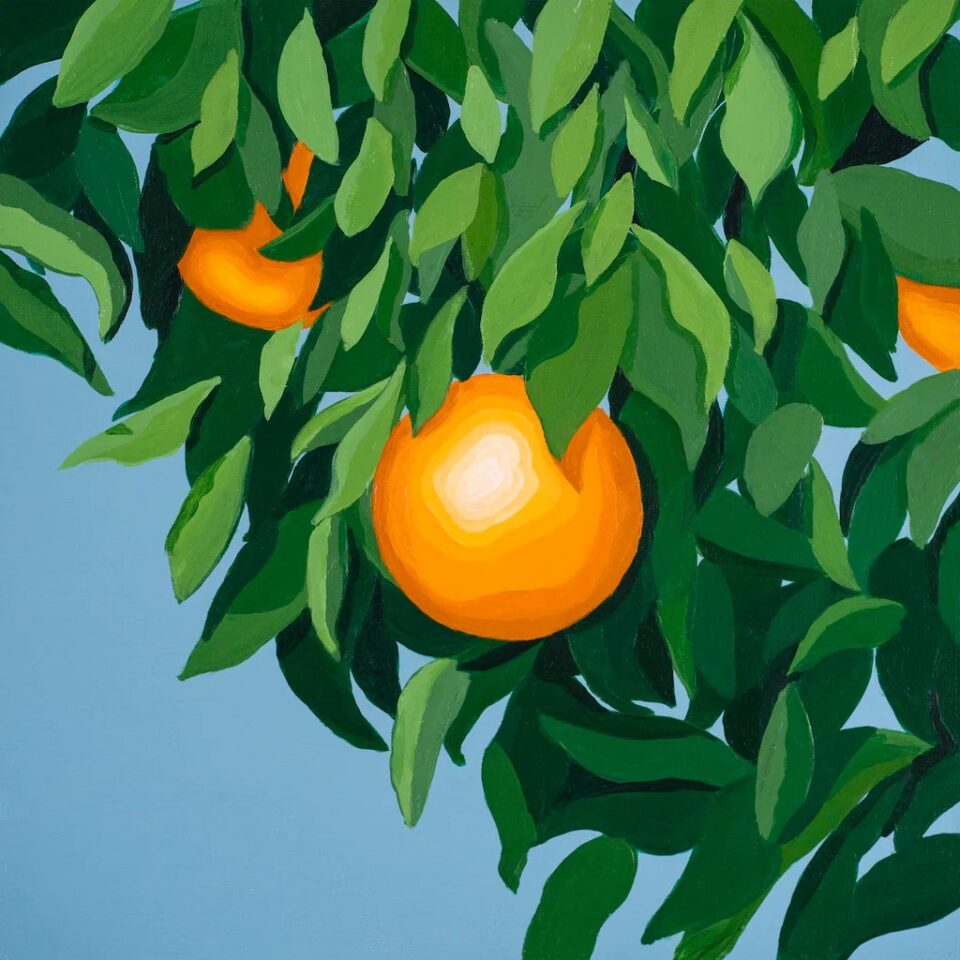
Tyler Ballgame, For the First Time, Again
It might not seem fair, but there are certain songs that only a few people can sing—and For the First Time, Again is damn near chalk full of them. Thankfully, Tyler Ballgame is very much that man. It’s not only the vocal prowess which allows him to breathe new life into the ’70s-era ballads that run through the record, but also the specific strain of vulnerable yearning with which he delivers each sincere moment. While the record’s title might hint at some late-career comeback, For the First Time, Again is very much an introduction, the rare example of an open-mic hero making good on a baffling set of skills. The songs on his debut are far from groundbreaking—the Roy Orbison meets Harry Nilsson comparisons are obvious and legitimate—but it’s precisely this humdrum grandeur that makes Ballgame so compelling, especially when moments of levity are allowed to blend with such sleeve-hearted earnestness (calling something a “little Mary Todd-y” is going to enter my personal lexicon). Sure, there may be nothing new under the sun, but hell if those rays don’t feel good now and again. — Sean Fennell
Read our “Breaking” feature with Tyler Ballgame here.
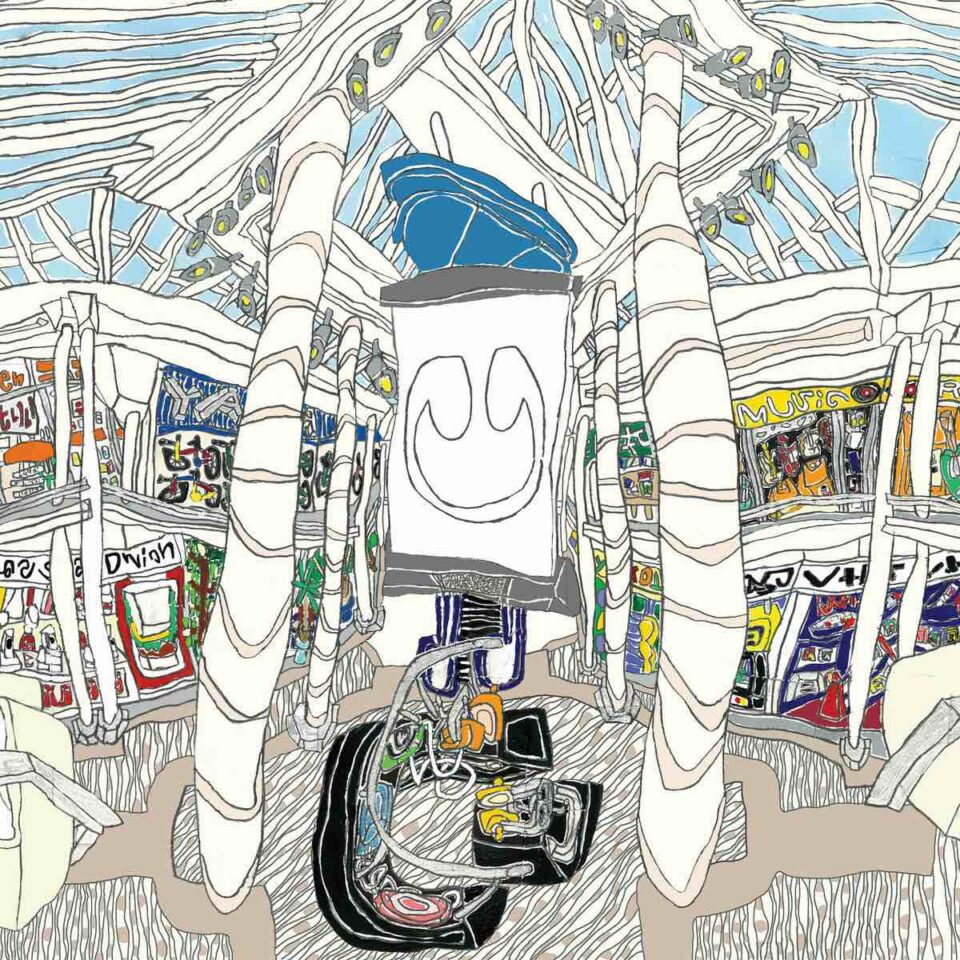
underscores, U
“Is this doing anything for you, baby?” asks April Harper Grey over the glitchy beat of “Tell Me (U Want It),” the first track on her third album as underscores. “’Cause later on, this could be embarrassing for me.” On U, the hyperpop artist makes her most overt overture to the mainstream, following up on recent collaborations with futuristic, alt-music heavyweights like Danny Brown and Oklou. You can read the album’s name as being short for “underscores,” making this a sort of self-titled album; but it’s also text-speak for “you,” given all of the lyrics that address Grey’s romantic interests and her listeners alike. On highlights like “The Peace,” with its beat built entirely of vocal samples, Grey negotiates the anxious euphoria of wanting and being wanted—what she’s owed, and what she owes you. As outward-facing as U is, though, it maintains the noisier and more personal parts of underscores’ past releases Fishmonger and Wallsocket, particularly in the dubstep buildups and drops that punctuate bangers like “Music.” Nobody was better positioned to shake big dance pop out of its long, post-Brat hangover; it’s no wonder Charli XCX tapped Grey to play arenas with her this fall. — Taylor Ruckle
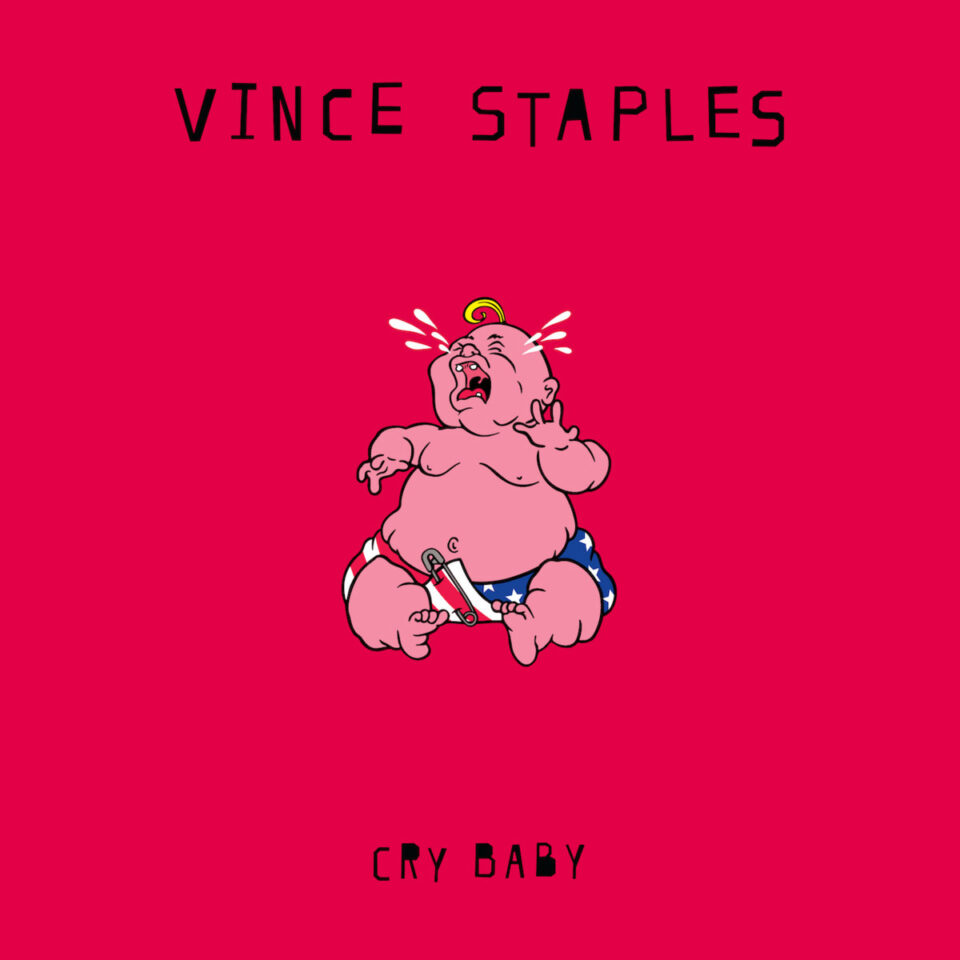
Vince Staples, Cry Baby
Vince Staples has defied musical expectation ever since the Long Beach artist emerged in 2010 as a supreme lyricist documenting the gang-infested and systematically stunted streets of Southern California. Over the past 15 years, he’s rapped over an increasingly expansive set of musical styles: After starting out on hardcore hip-hop beats, he veered to electronic, club, and other sounds not typically associated with A-list emcees. With Cry Baby, he embraces another new musical wrinkle as he sing-raps over a propulsive combination of rock-styled beats about the pressure, confusion, fatigue, and anger he feels while remaining as lyrically incisive, insightful, and incendiary as ever.
A recurring theme of Staples’ work is his internal wrestling with America’s hypocrisy while realizing that he feels as though he “can’t hide, can’t run,” as noted on “The Running Man.” Part of what makes Staples an elite rapper is his ability to juxtapose historical events and modern tragedies, something he does brilliantly on Cry Baby’s guitar-driven and scratch-laden “The Big Bad Wolf”: “I put the hood on, it’s plenty of Zimmermans among us / But that ain’t new, been gunnin’ for us since Columbus.” Other rappers who came up in the 2010s may have become more popular, but perhaps none is as musically adventurous. — Soren Baker
Read our review of Cry Baby here.
