
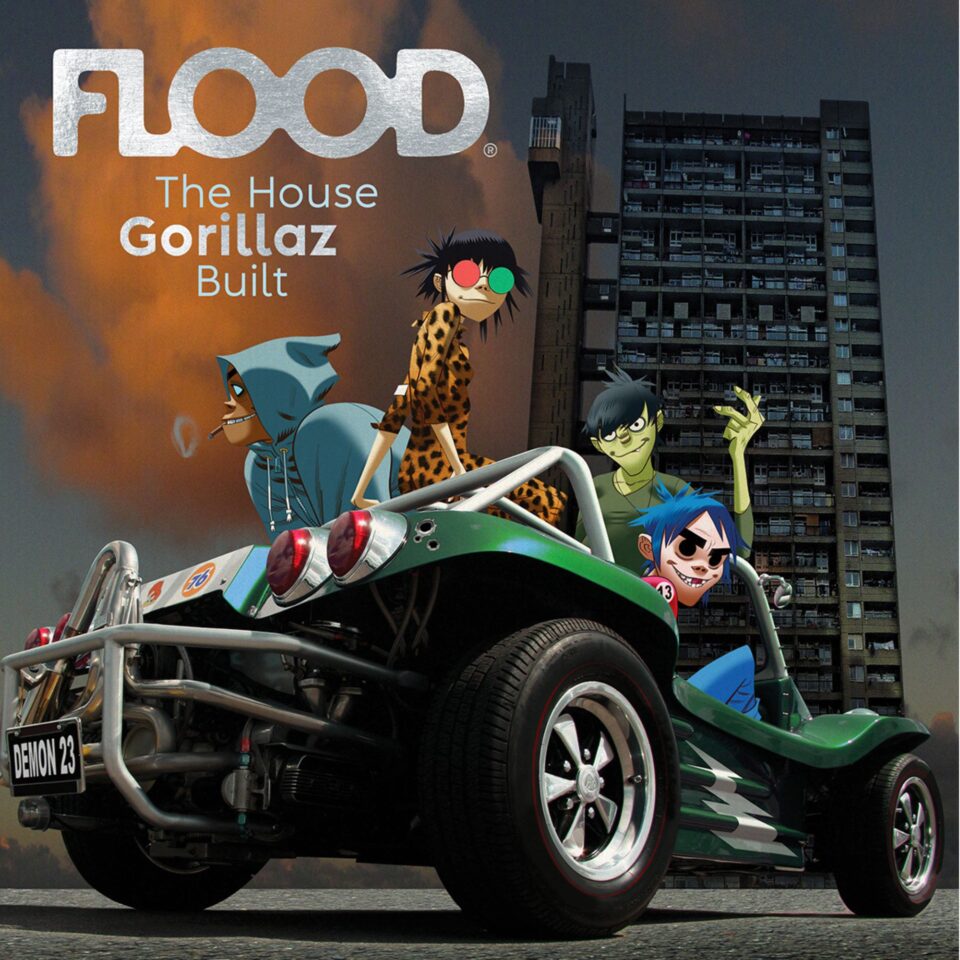
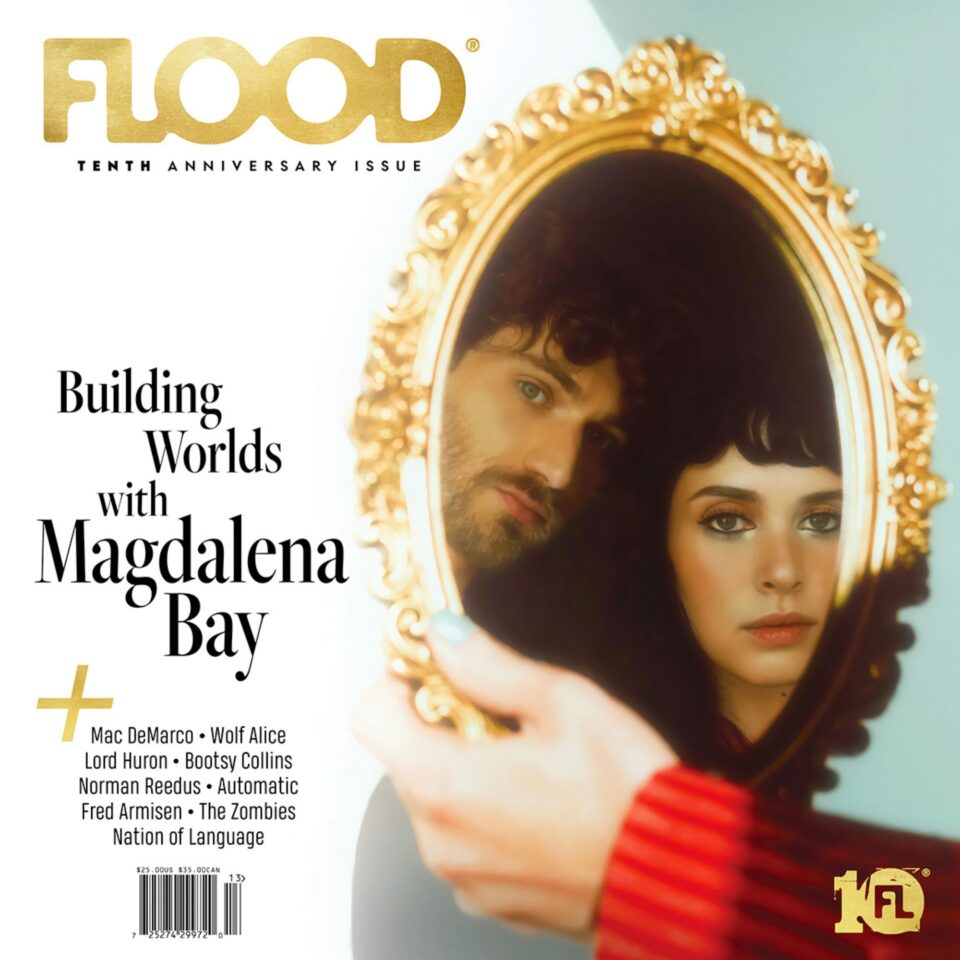
Celebrate our tenth anniversary with the biggest issue we’ve ever made. FLOOD 13 is deluxe, 252-page commemorative edition—a collectible, coffee-table-style volume in a 12″ x 12″ format—packed with dynamic graphic design, stunning photography and artwork, and dozens of amazing artists representing the past, present, and future of FLOOD’s editorial spectrum, while also looking back at key moments and events in our history. Inside, you’ll find in-depth cover stories on Gorillaz and Magdalena Bay, plus interviews with Mac DeMarco, Lord Huron, Wolf Alice, Norman Reedus, The Zombies, Nation of Language, Bootsy Collins, Fred Armisen, Jazz Is Dead, Automatic, Rocket, and many more.
Reviews
See All 


Overmono, Pure Devotion
The sibling duo’s second album encapsulates a contemporary fusion of popular approaches to electronic music, one that’s imbued with a sense of familiar emotional weight.
John Carpenter, Cathedral
The Halloween composer-director’s latest effort is a synth-heavy metal album planned as a soundtrack to his first-ever graphic novel, though both endeavors stand on their own merits.
Ariana Grande, Petal
The pop star’s eighth record finds roots in resilience, twisted romance, and unsparing musings on fame, though it never quite ascends to the extravagant spectacle it sets the stage for.
Josh Hurst
Articles
See All 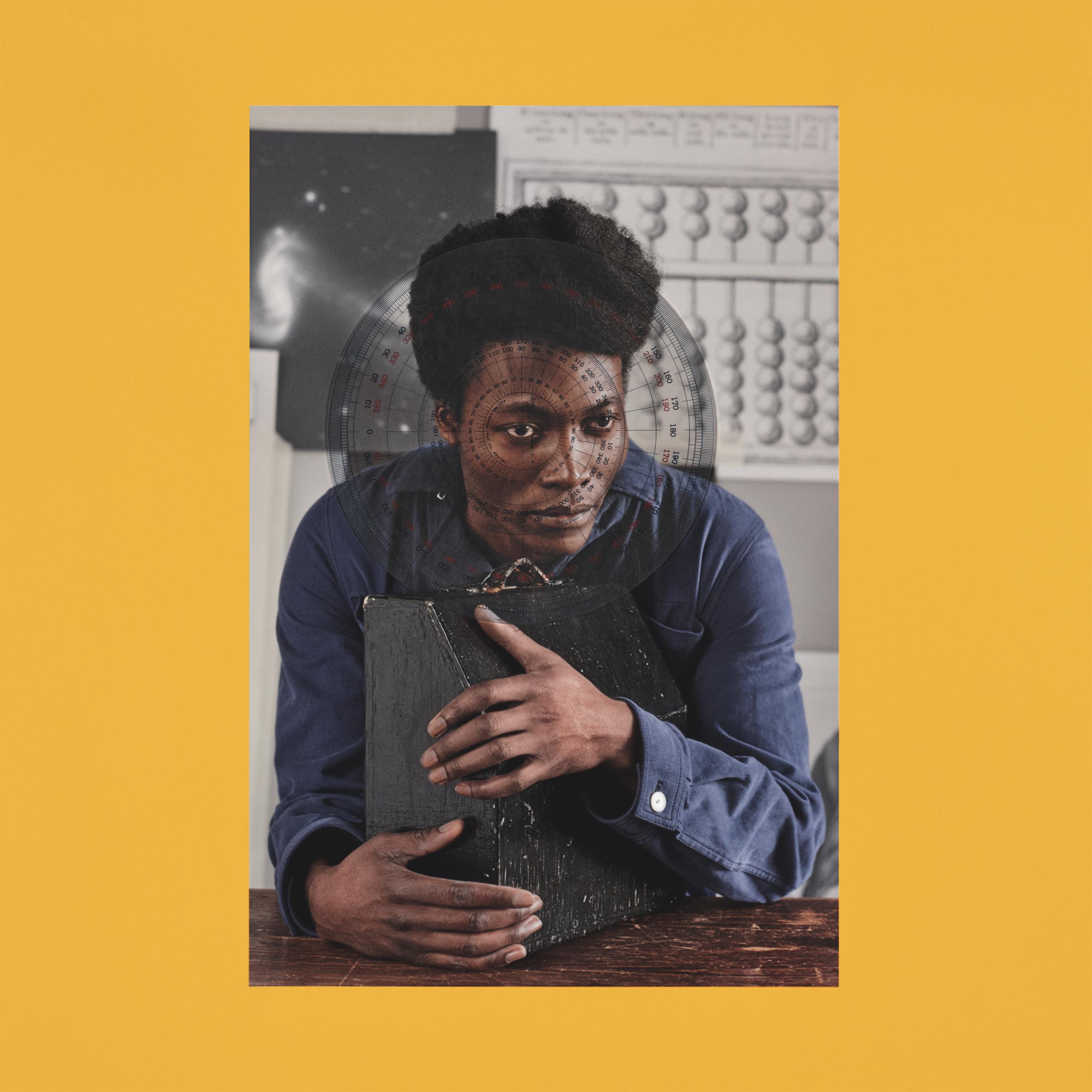


Load More
Reviews
Benjamin Clementine, “I Tell a Fly”
On his second album, the Mercury Prize winner is a big star and a total alien on a pilgrimage through hostile lands.
September 27, 2017
Reviews
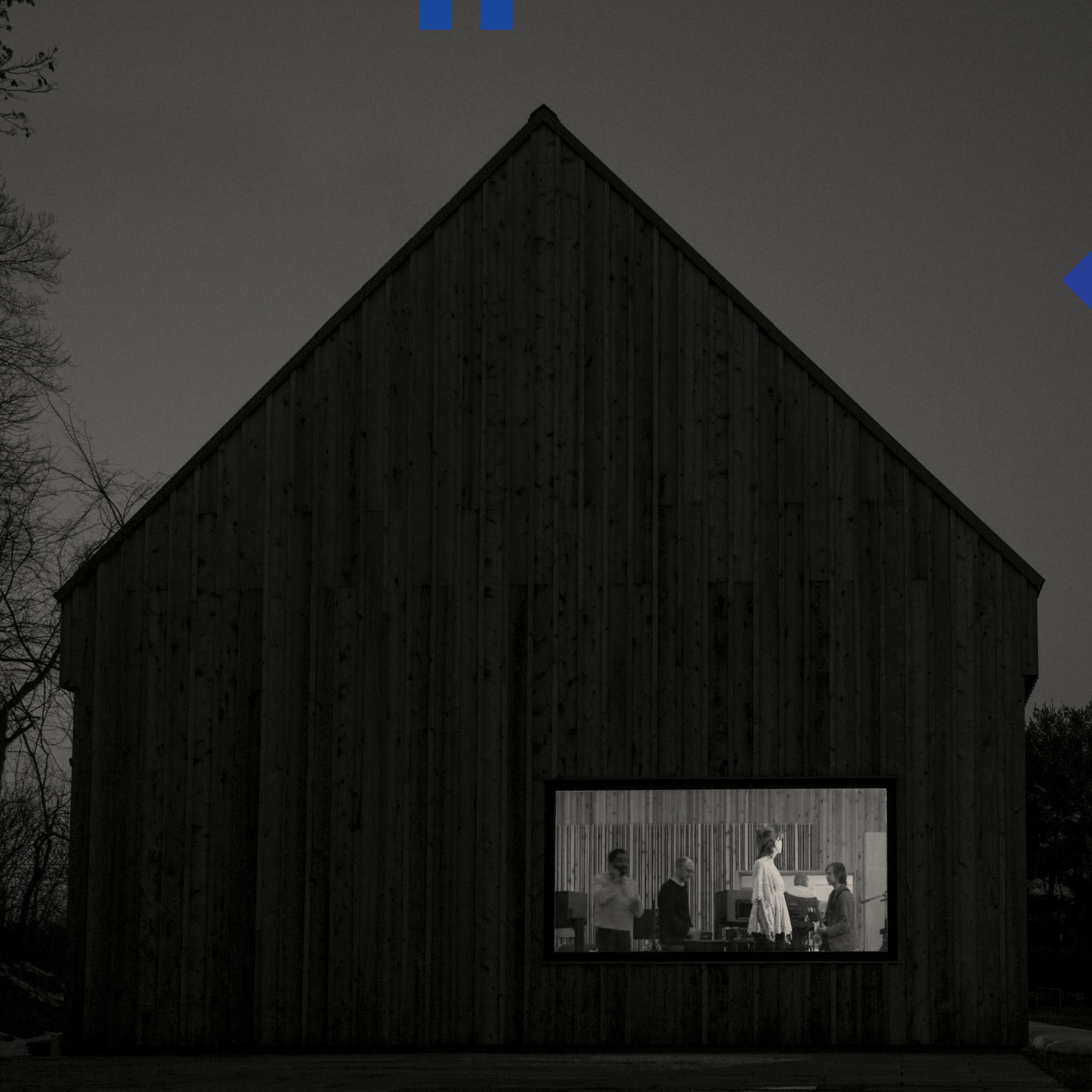
The National, “Sleep Well Beast”
By keeping it low-key, the stakes on The National’s new album somehow seem even higher.
September 12, 2017
Reviews
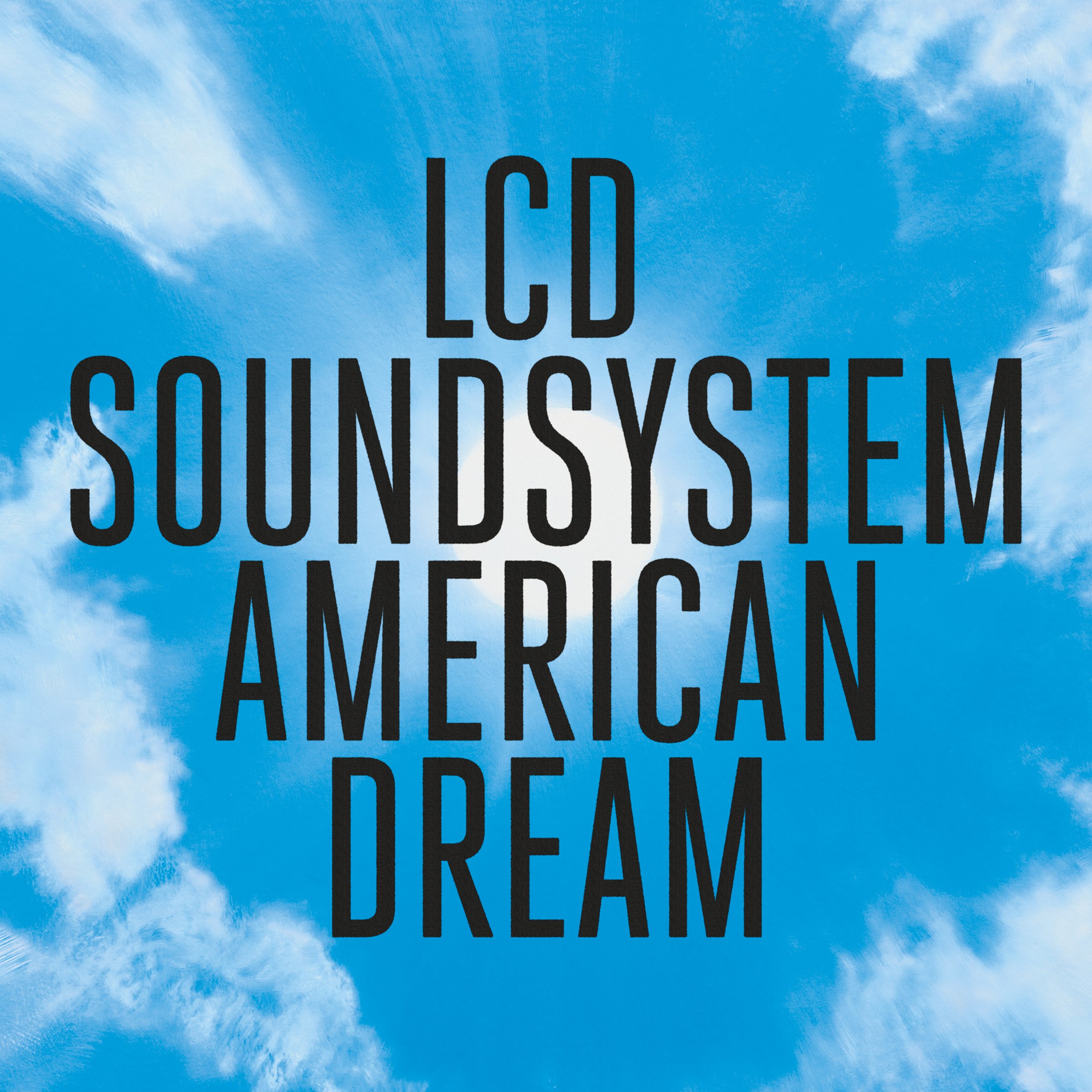
LCD Soundsystem, “American Dream”
Seven years after “This is Happening,” James Murphy remains unparalleled at building slow-burn epics from all the fun bits of his record collection.
August 31, 2017
Reviews
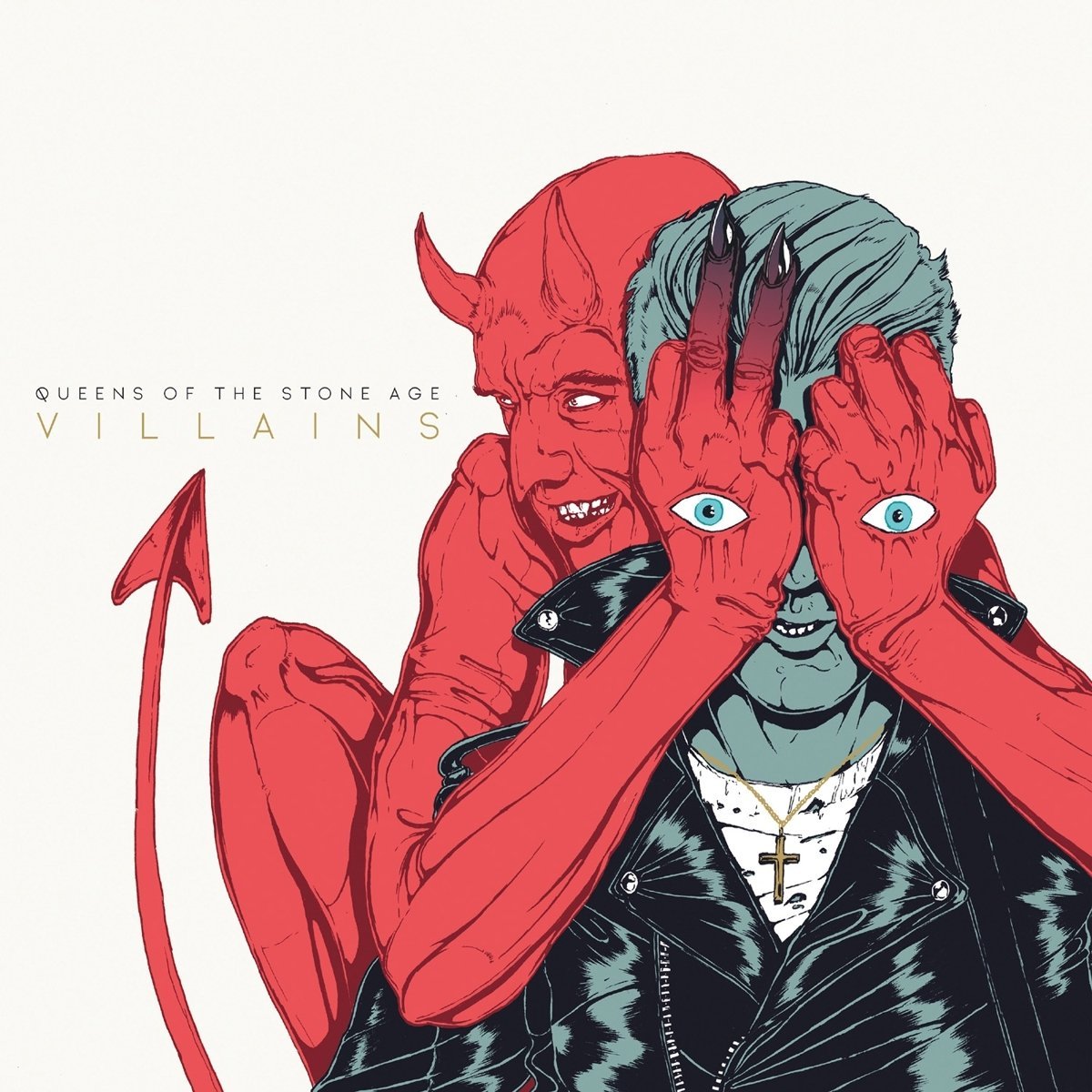
Queens of the Stone Age, “Villains”
It’s another great Queens of the Stone Age record that’s simultaneously of a piece with the others and distinct in its character and identity.
August 23, 2017
Reviews
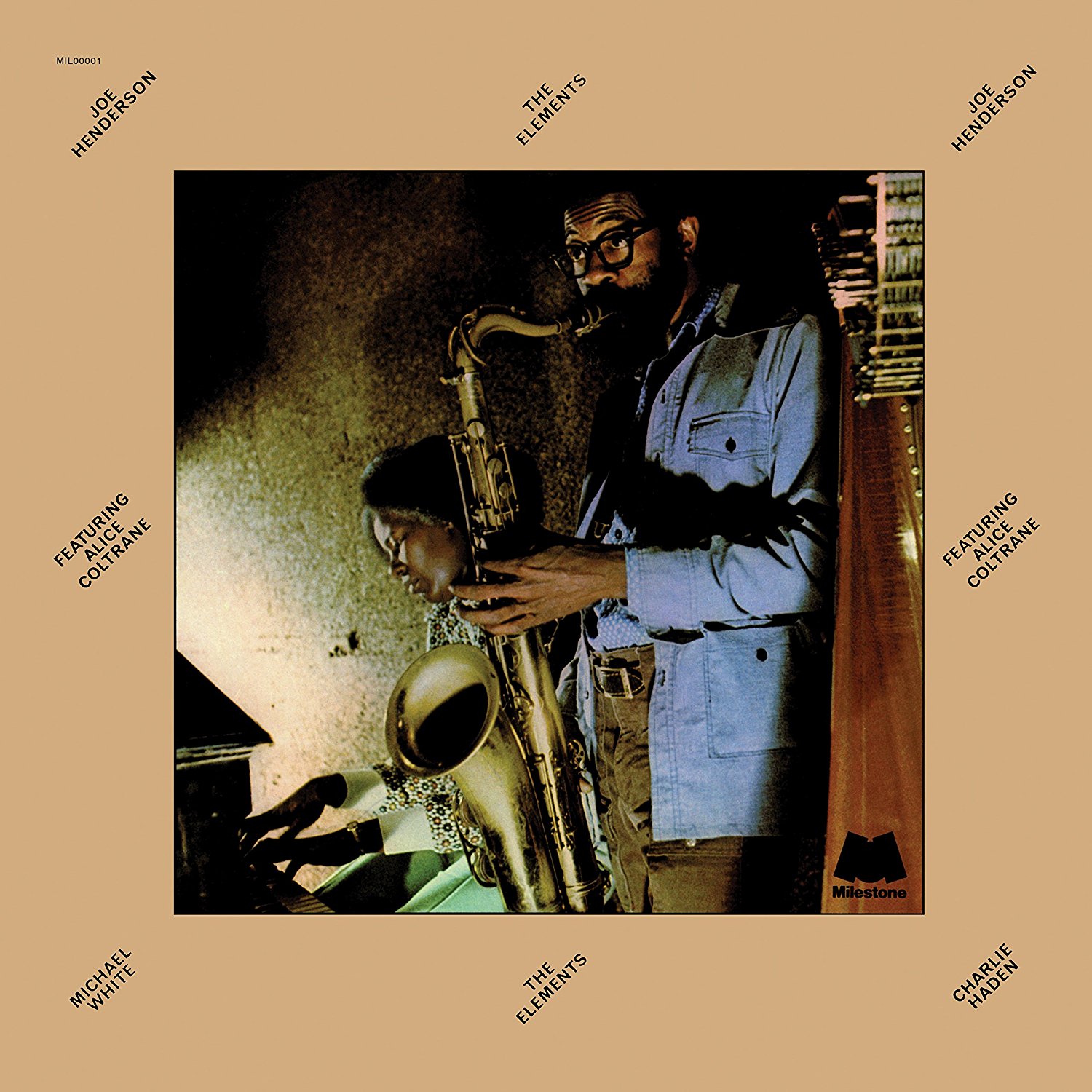
Joe Henderson, “The Elements” [reissue]
For as much as the spiritual jazz movement of the 1970s reached for the stars, the great triumph of “The Elements” is how earthbound it feels.
August 14, 2017
Reviews
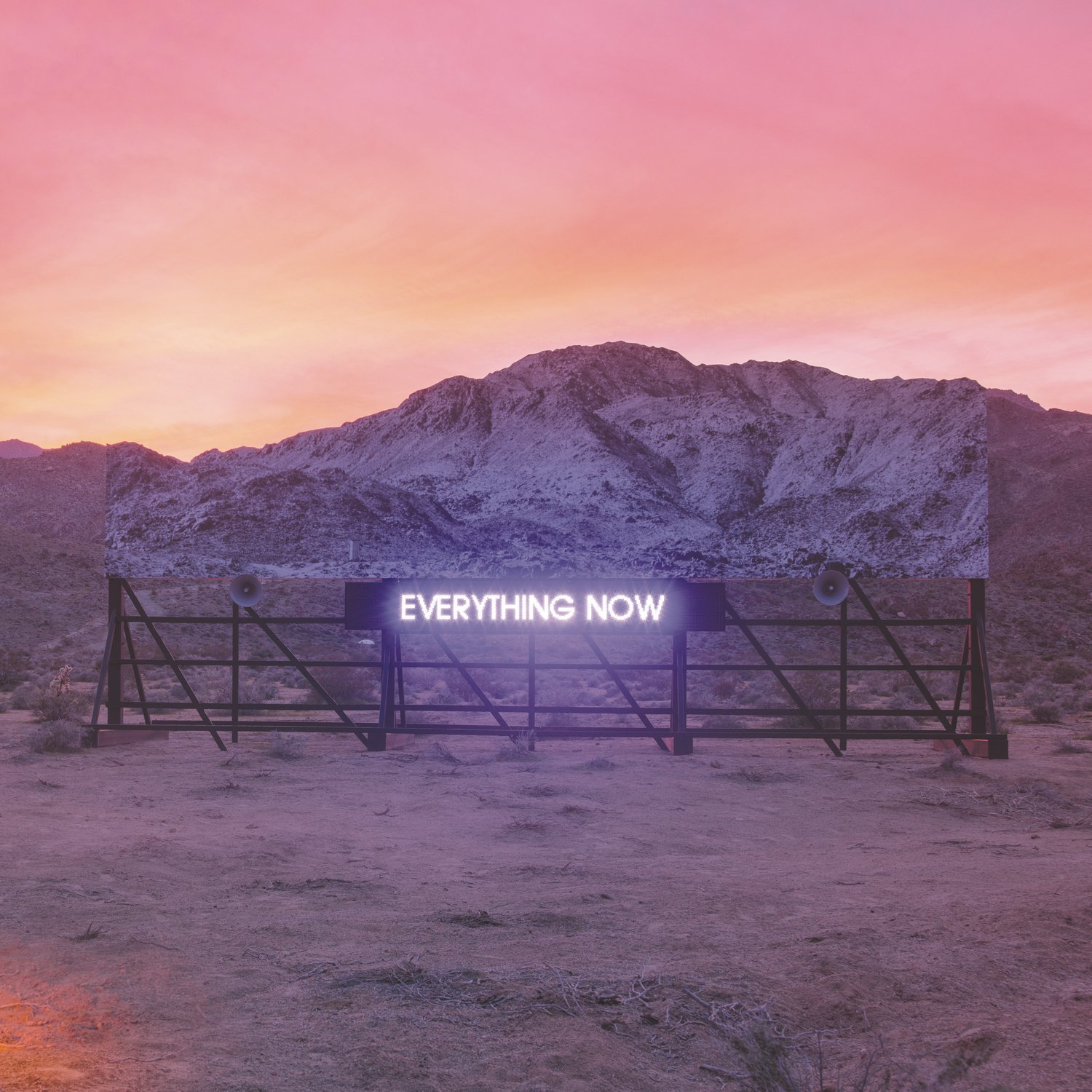
Arcade Fire, “Everything Now”
On paper, “Everything Now” is the dourest of any Arcade Fire album, a significant achievement for a group whose debut album is called “Funeral.”
July 25, 2017
Reviews
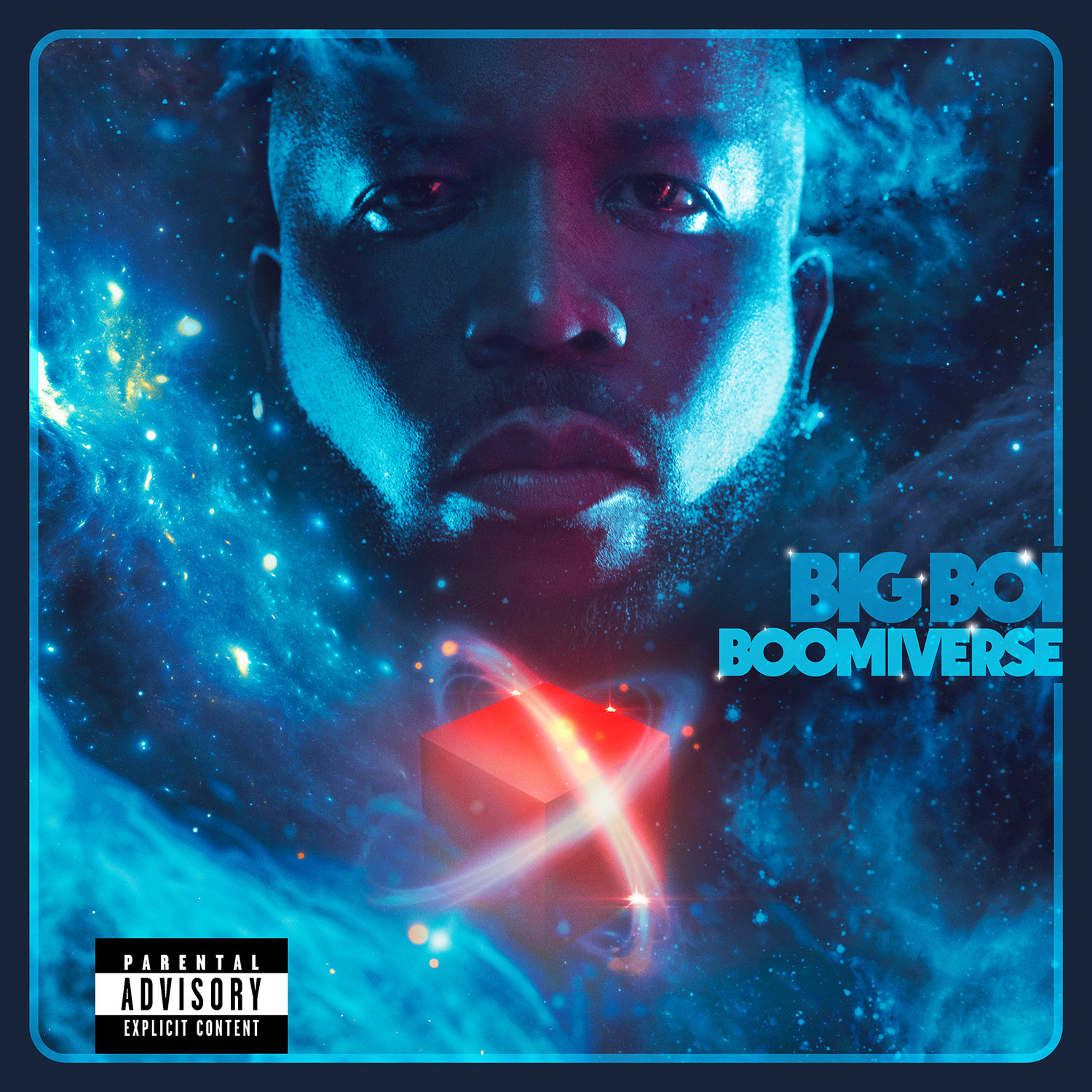
Big Boi, “Boomiverse”
Is Big Boi underrated?
June 29, 2017
Reviews
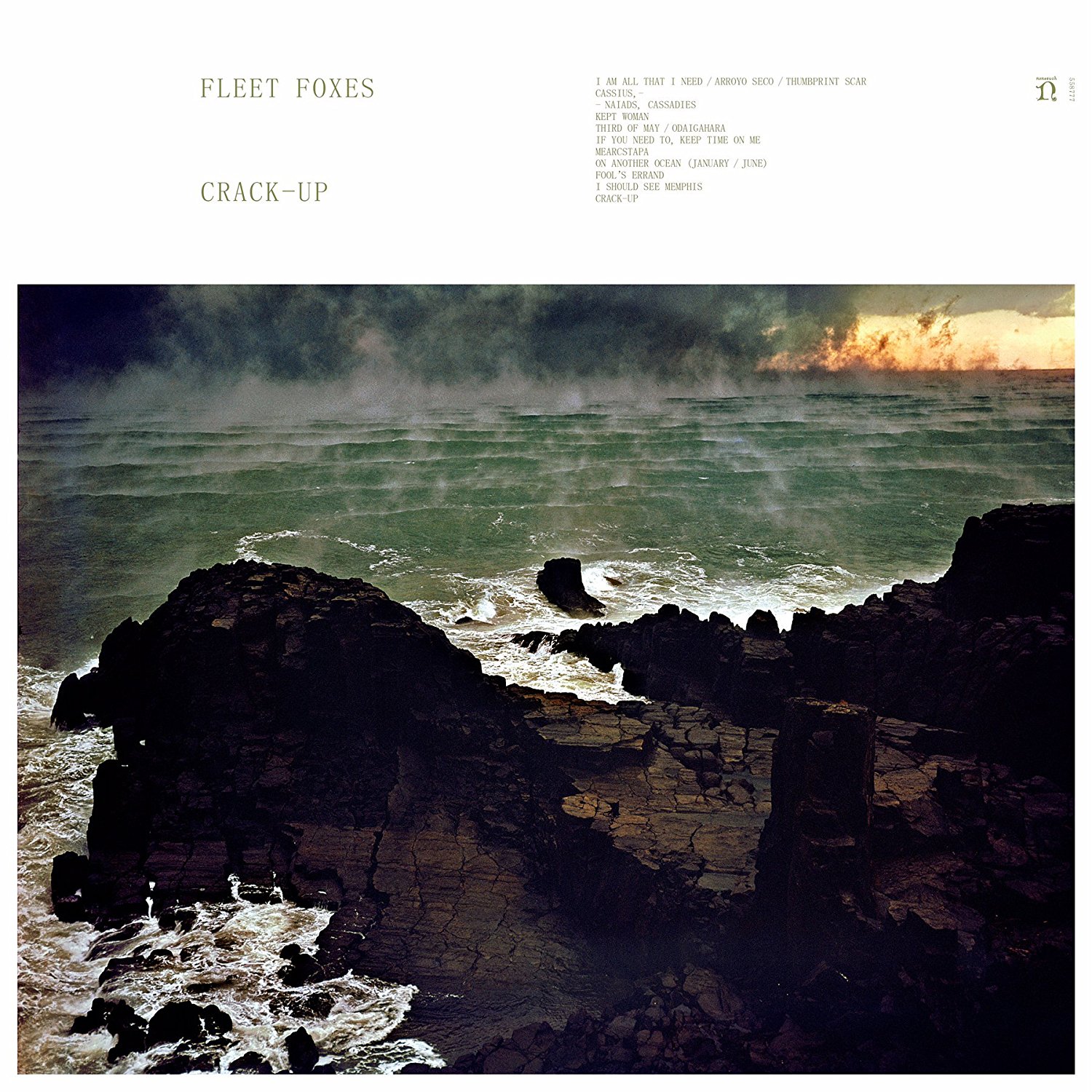
Fleet Foxes, “Crack-Up”
This band does delicate beauty so well that the stand-out moments of “Crack-Up” tend to be the ones where they let their hair down a bit.
June 13, 2017
Reviews
Alice Coltrane, “World Spirituality Classics 1: The Ecstatic Music of Alice Coltrane Turiyasangitananda” [reissue]
These are songs that feel like they’re reaching for something; songs that sound like invocations.
May 15, 2017
Reviews
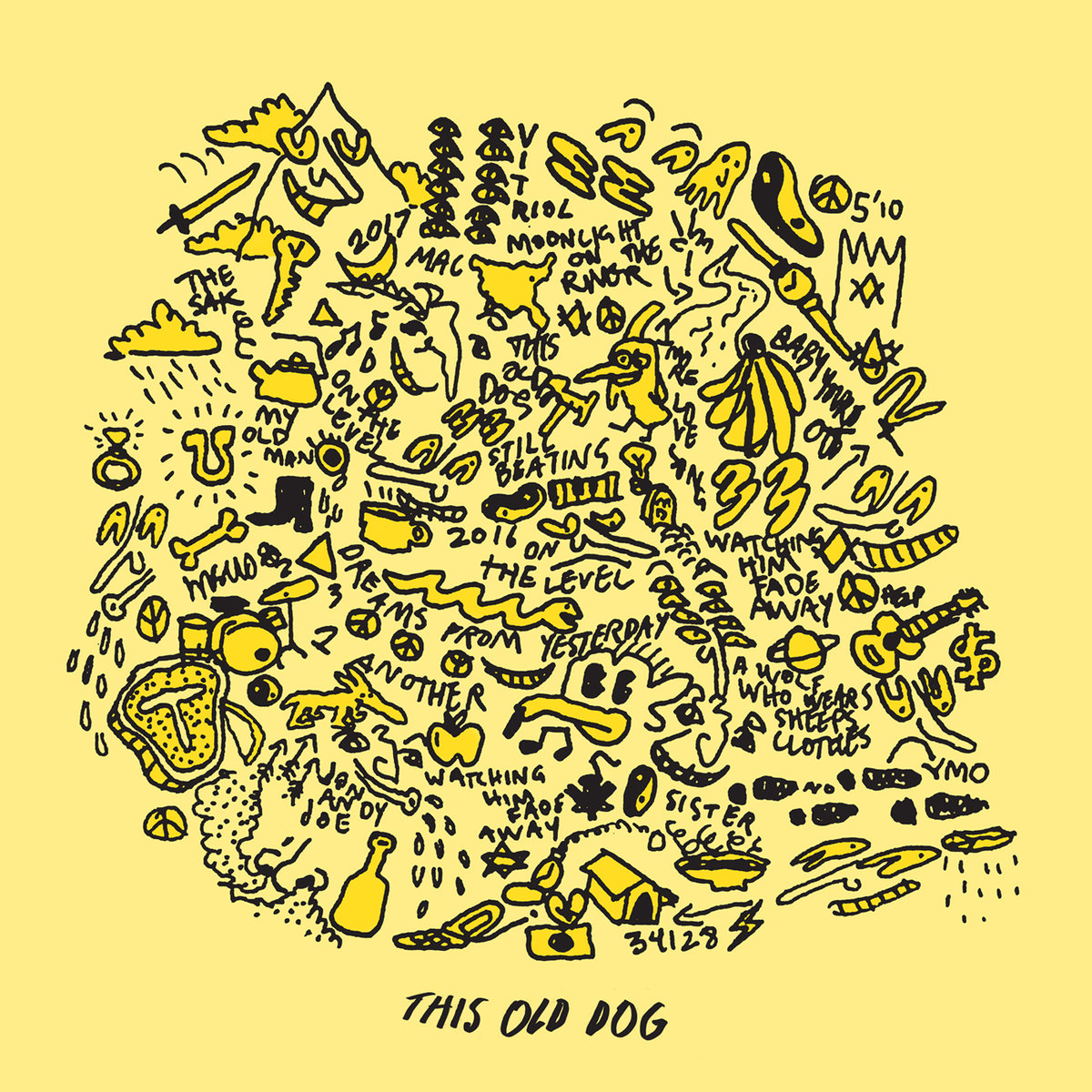
Mac DeMarco, “This Old Dog”
On his third full-length, DeMarco pits the innately good-natured, easy-going tone of his music against a hint of sorrow in his lyrics.
May 11, 2017
Reviews
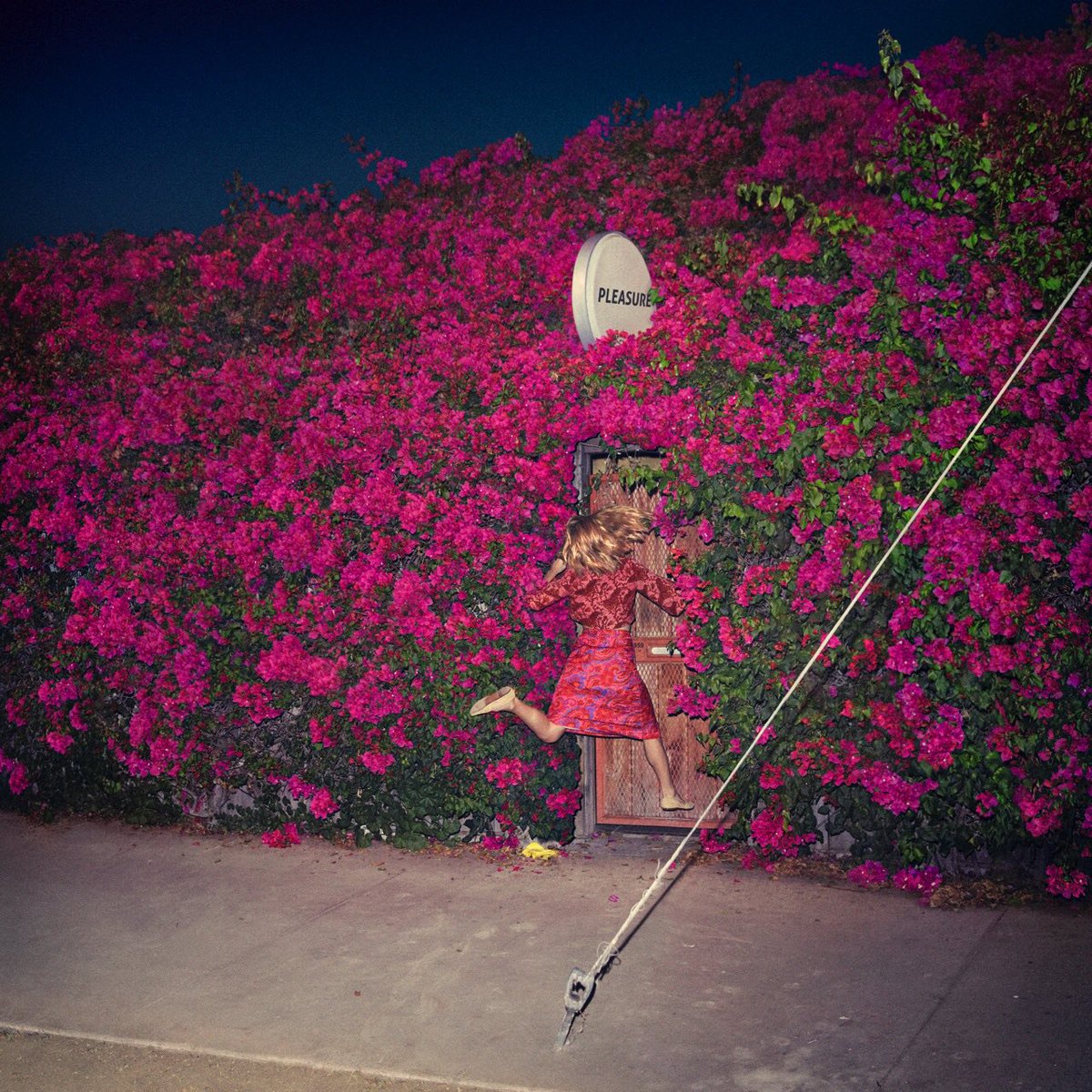
Feist, “Pleasure”
Leslie Feist is casually virtuosic and quietly adventurous throughout her first record in six years, though you never get the sense that she’s pushing things just to push.
May 07, 2017
Reviews
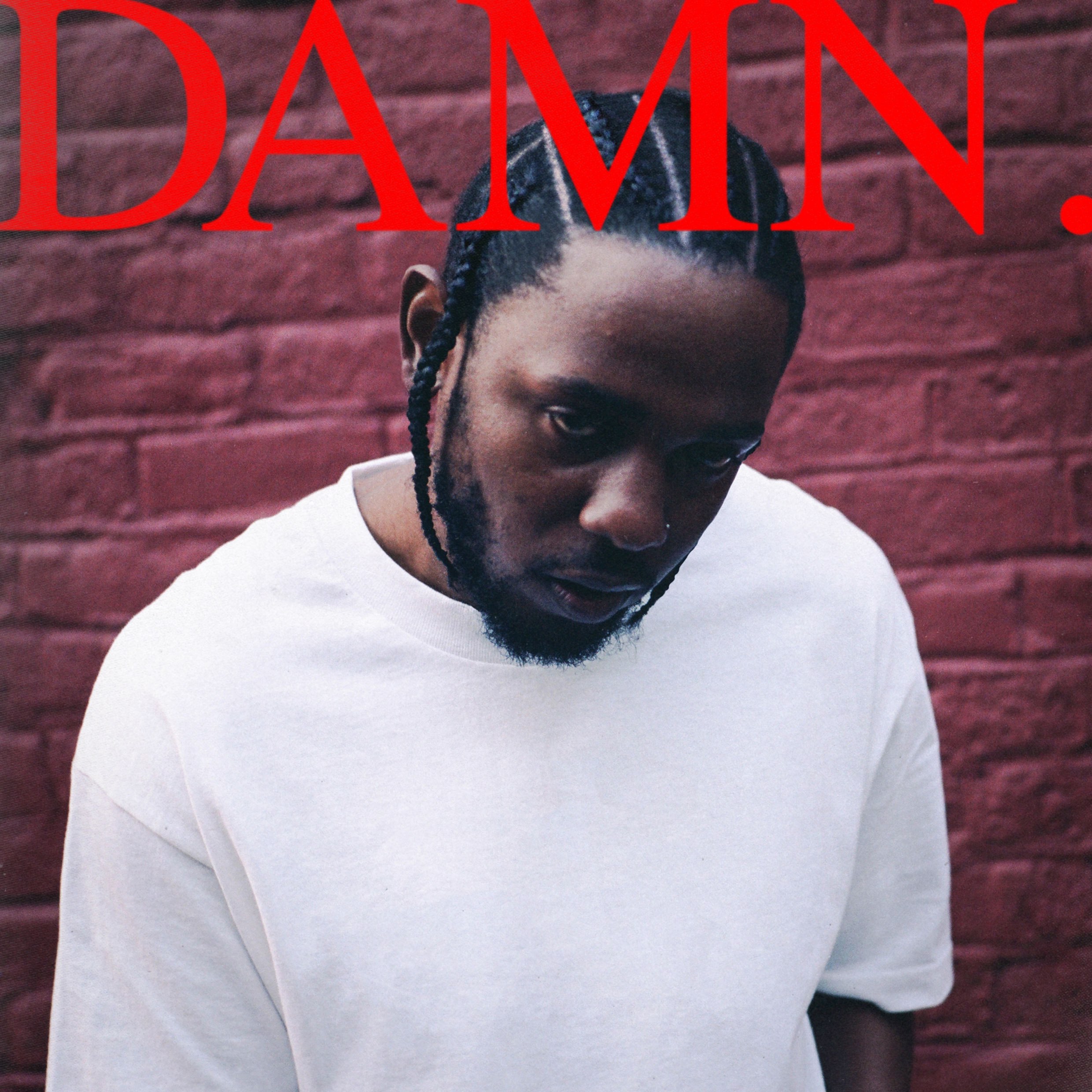
Kendrick Lamar, “DAMN.”
“DAMN.” bears our struggle and triumph, swagger and fear, success and uncertainty, love and original sin.
April 28, 2017
Reviews
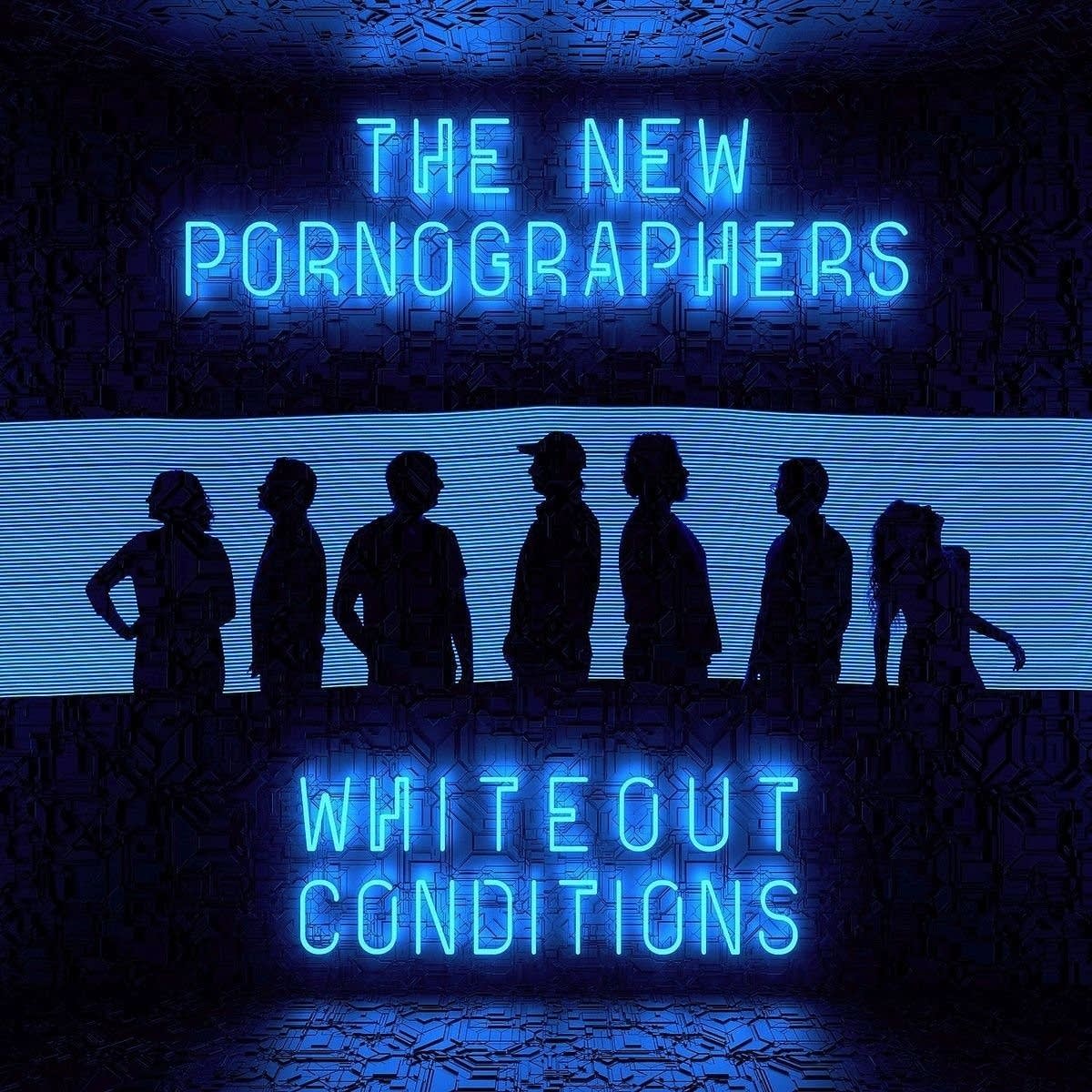
The New Pornographers, “Whiteout Conditions”
Nothing here wants for hooks or for energy, but the songs on The New Pornographers’ seventh album all seem flat somehow.
April 12, 2017
Reviews
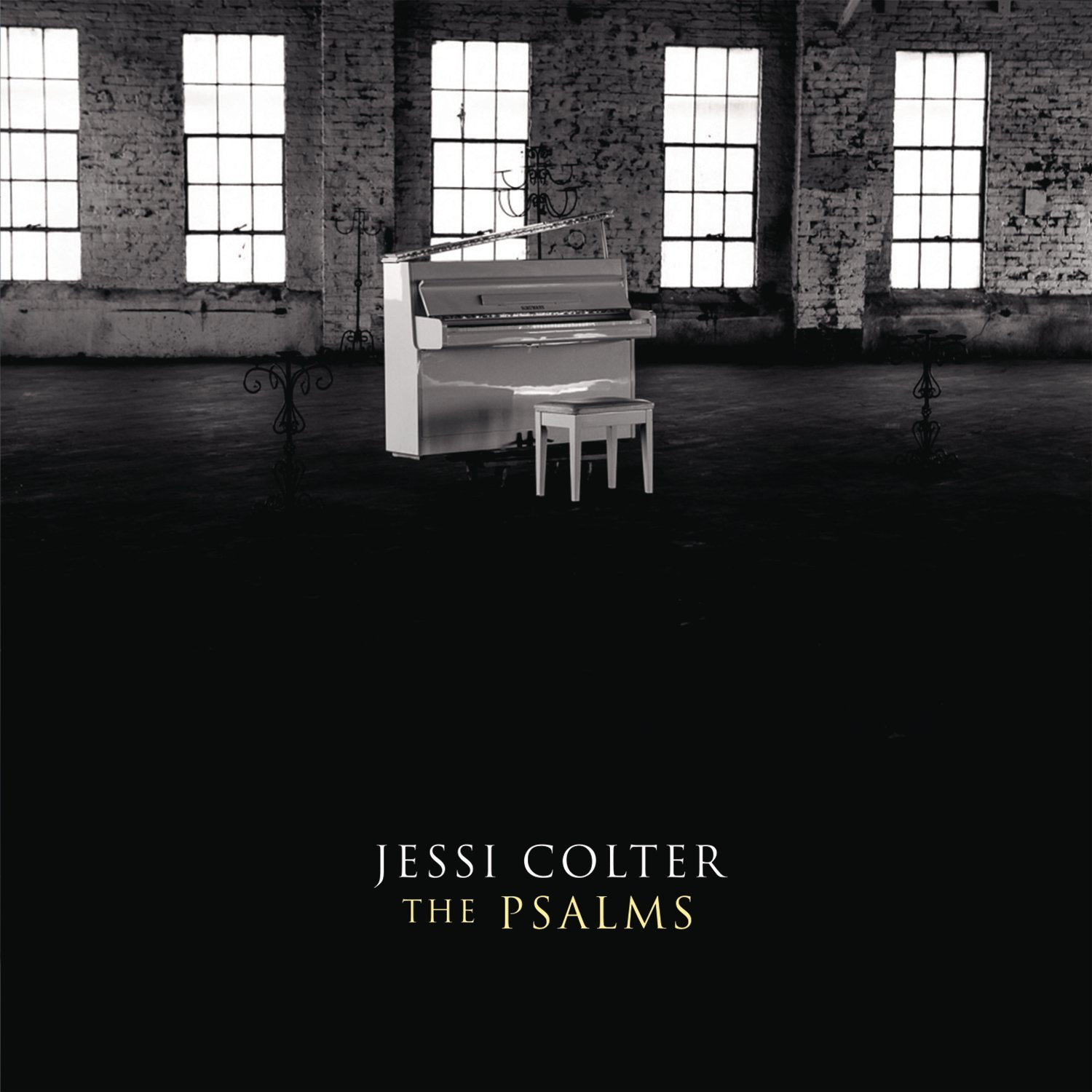
Jessi Colter, “THE PSALMS”
Colter creates music that drones, builds, drifts, and crests, never following familiar emotional beats but instead allowing them to follow their own wild intuitions.
April 05, 2017
Reviews
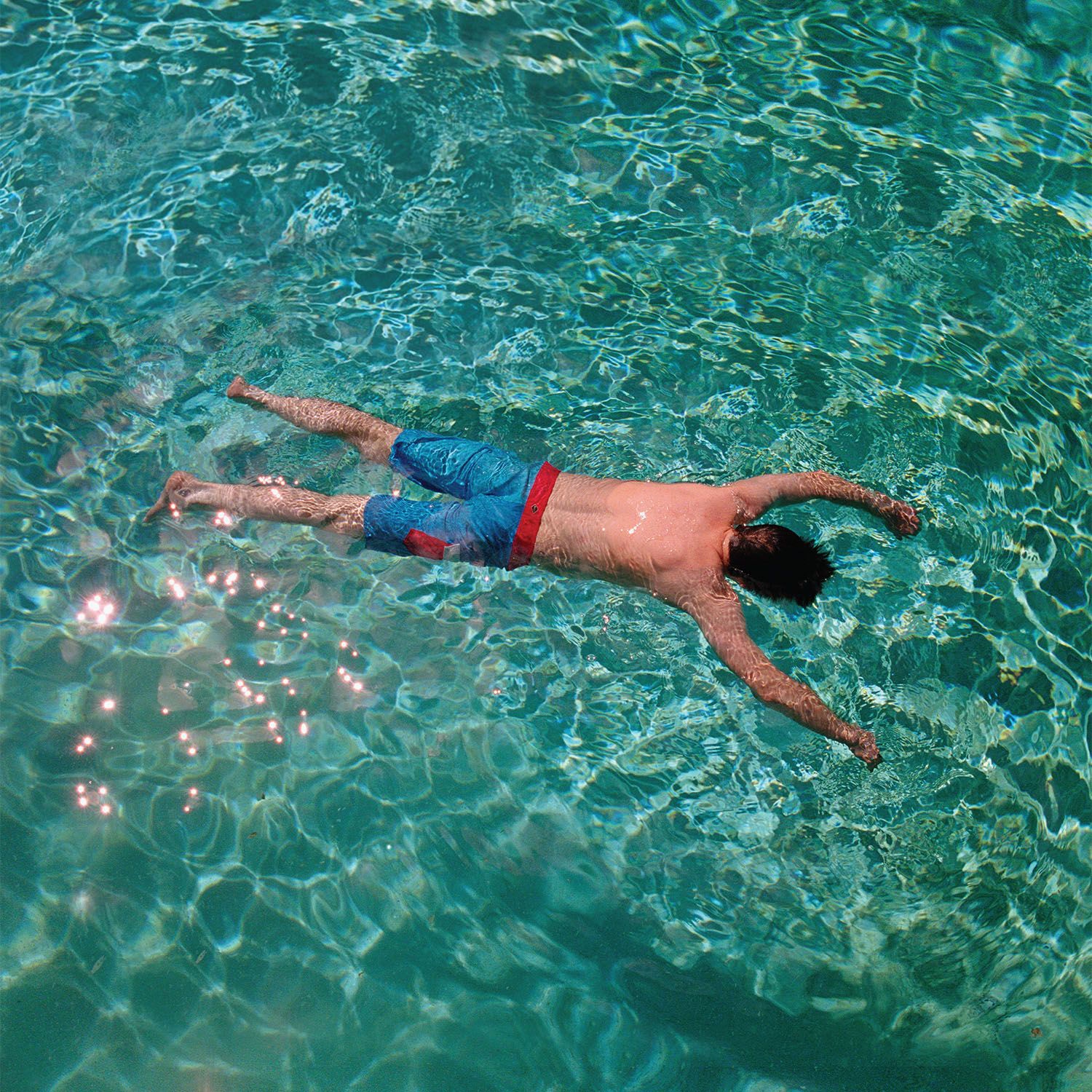
Conor Oberst, “Salutations”
“Salutations” maintains the tattered humanity of its unaccompanied counterpart, but somehow makes it all go down a little smoother.
March 14, 2017
Reviews
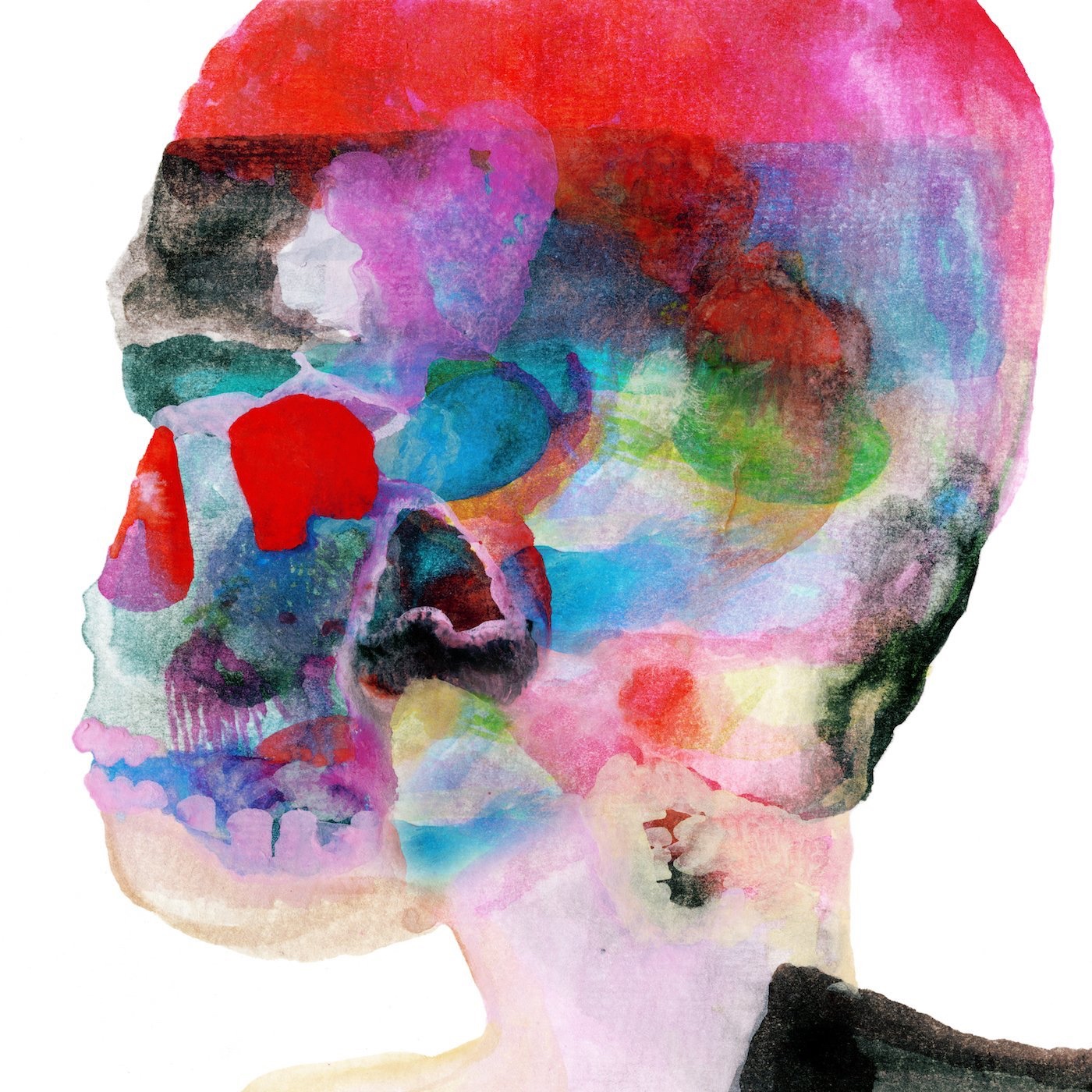
Spoon, “Hot Thoughts”
There was always bound to be a straight-ahead dance-rock album from Spoon. How could there not be?
March 13, 2017
Reviews
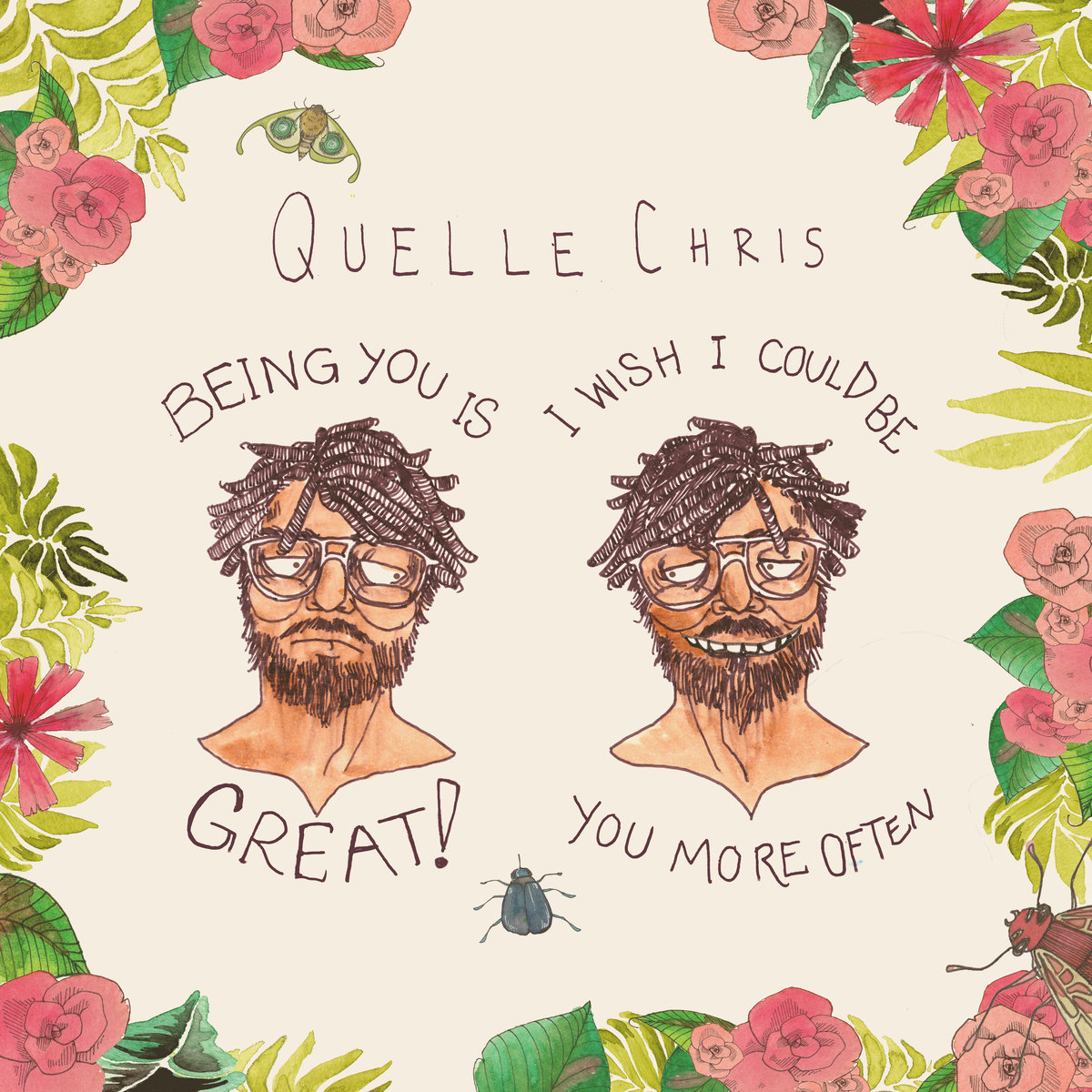
Quelle Chris, “Being You Is Great, I Wish I Could Be You More Often”
“Being You” is gnarly and cerebral, the sound of a jittery headspace that’s got room enough for every flight of fancy.
February 14, 2017
Reviews
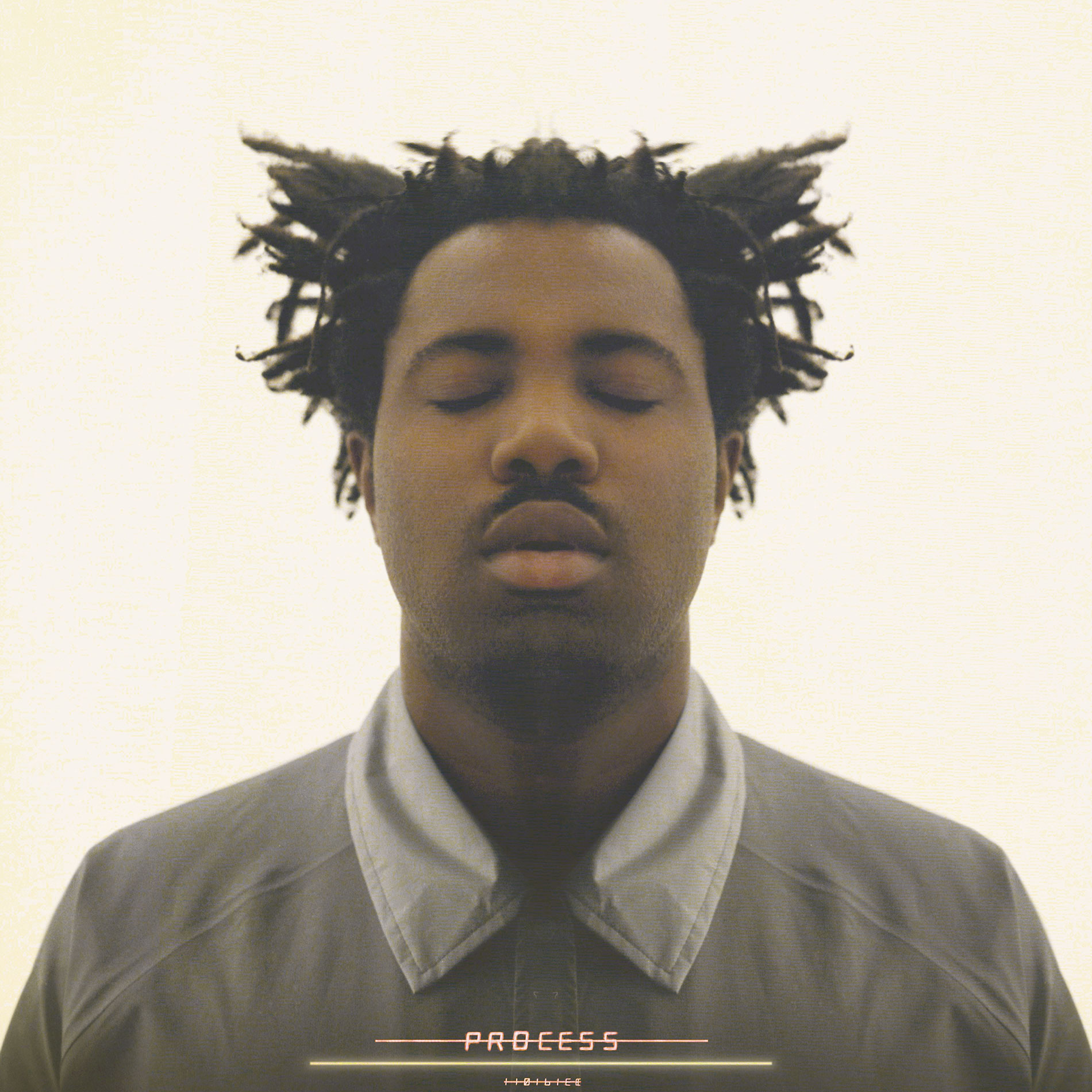
Sampha, “Process”
Sampha’s debut is a record with broad appeal and precise vision; a record where listeners can find themselves but also where they’ll spot the auteur’s hand if they really care to look for it.
February 06, 2017
Reviews
The xx, “I See You”
The erstwhile minimalists have never made a record that sounds so glossy and full, but there’s not enough production polish in the world to mask the the hurt and the vulnerability at its core.
January 17, 2017
Reviews
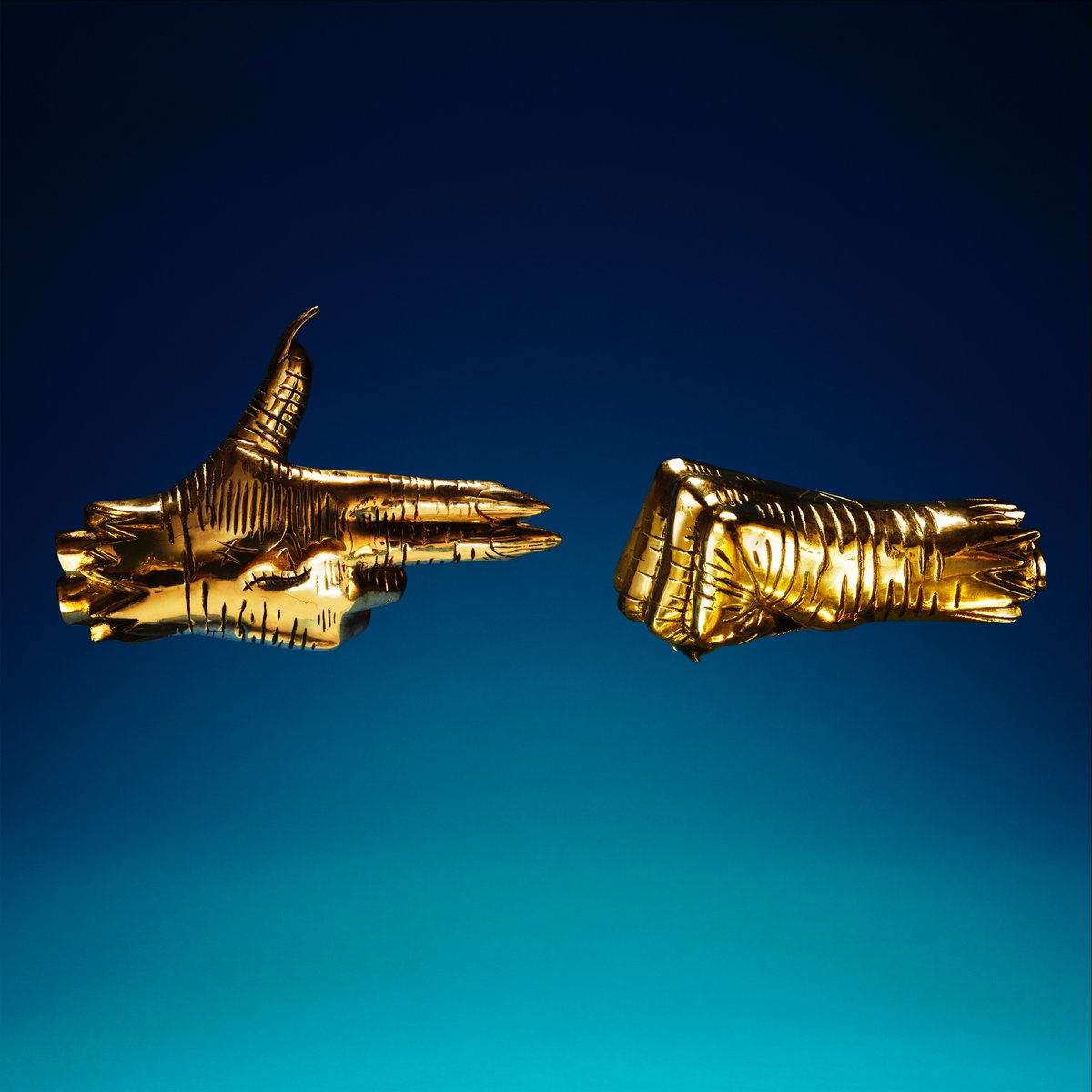
Run the Jewels, “Run the Jewels 3”
There is immense catharsis in Killer Mike and El-P’s appetite for destruction.
January 06, 2017
